A multifaceted artist who spent a lifetime exploring human suffering through his sketches, prints and sculptures, Somnath Hore was born in Chittagong in present-day Bangladesh in 1921. Studying briefly at Government School of Art, Calcutta, in the mid-1940s, Hore trained under Zainul Abedin, and, later, under printmaker Saifuddin Ahmed. A participatory practice with fellow artists like Chittaprosad led to his intellectual growth. Learn More
Among the most accomplished watercolourists of modern India, Shyamal Dutta Ray was born in Ranchi, then in Bihar, and studied at Government College of Arts and Crafts, Calcutta, from 1950-55. He was a founding member of Society of Contemporary Artists in 1959, and of Painters 80, founded in 1968. Learn More
Born in Calcutta on 20 October 1947, Shuvaprasanna is a quintessential painter of the eastern metropolis that he unabashedly loves. He graduated from Indian College of Art, Rabindra Bharati University, Calcutta, in 1969. An active member of Calcutta Painters group, urban themes are a constant in his work. Beset by problems and politics, but possessing great potential, Kolkata has remained his abiding inspiration as he absorbs and responds to its upheavals, the tumult of its masses, and its frequent political turbulence. Learn More
Shobha Broota’s pictorial interpretation of the resonance of classical Indian ragas forms the essence of her celebrated style in which she conveys their subtle variations through minimal use of colours. Born in 1943 in New Delhi in an artistic family that inspired her to study art, Broota obtained a diploma in painting from College of Art, New Delhi, in 1964. Learn More
Born in Calcutta, Sakti Burman studied at the city’s Government College of Arts and Crafts, and later at École Nationale des Beaux-Arts, Paris. Like most other Indian artists who studied or lived in the French capital, Paris-based Burman’s works blend European and Indian imagery. Learn More
Born in Mysore, S. G. Vasudev completed his diploma in fine arts, from Government College of Art and Craft, Madras, in 1968, where he was deeply influenced by artist-teacher K. C. S. Paniker. While still a student, he won Lalit Kala Akademi’s national award in 1967. Learn More
Born in 1899 in the village of Verka near Amritsar, S. G. Thakar Singh showed early aptitude for the arts by drawing on the walls of his home with coal. With no formal training, he went on to excel in the academic style of painting, rendering stunning landscapes, portraits and still-lifes. He apprenticed under local artist Mohd. Alam and moved with him to Bombay when the latter found a job as a stage artist with a theatre company. Learn More
Born on 3 March 1919 in Madras, S. Dhanapal trained under sculptor-teacher D. P. Roy Chowdhury at the city’s Government College of Art and Craft. He joined the faculty of his college after completing his studies, and, in 1957, when K. C. S. Paniker was principal, Dhanapal was appointed the head of the sculpture department. He eventually became principal of his alma mater in 1972. Learn More
Born on 31 October 1958 in Bangalore, Rekha Rodwittiya is an artist aligned with the Baroda School whose work engages with gender politics, socio-political subjugation, human degradation, violence and discrimination, all filtered through the prism of self-questioning. Learn More
Born in 1902 in Tripura, Ramendranath Chakravorty went to the Government College of Art in Calcutta in 1919 but left it in 1921 to join the newly founded Kala Bhavana at Visva-Bharati University, Santiniketan. Soon after graduation, he began his teaching career, first at Kalashala at Andhra National Art Gallery in Machilipatnam, and then at Kala Bhavana. He then joined Government School of Art, Calcutta, as a teacher in 1929, when Mukul Dey, the pioneer of dry point etching in India, was its principal. In 1943-46, Chakravorty was the school’s officiating principal when he set up its graphics department. Eventually, he became the school principal in 1949. Learn More
Born in 1936 in New Delhi, Rajendra Dhawan studied at the Polytechnic (later renamed College of Art) from 1953-58, and at Belgrade in erstwhile Yugoslavia from 1960-62. While in New Delhi, he became a founding member of the group called The Unknown that survived from 1960-64. Learn More
The son of a mechanical draughtsman, Mondal took to drawing and painting at the age of twelve when he injured his knee and was confined to bed. The Bengal famine of 1943 and the Calcutta communal riots of 1946 deeply impacted his psyche; he joined the Communist Party and became an activist. Mondal’s final refuge was art as the ultimate weapon of protest. Learn More



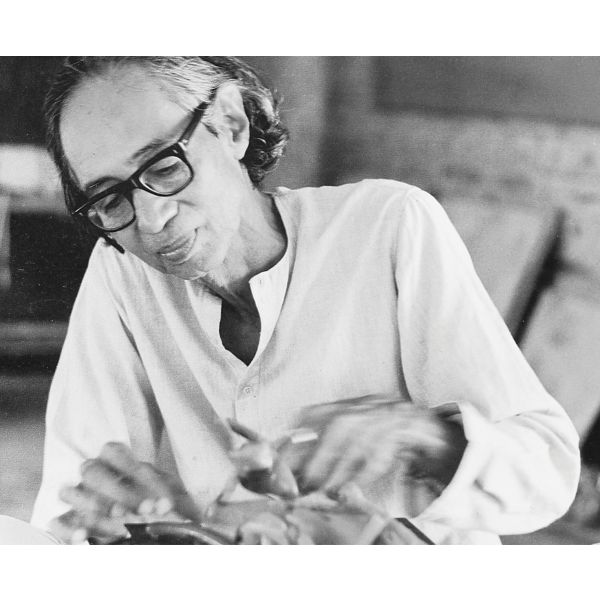 ArtistsSomnath Hore$0.00A multifaceted artist who spent a lifetime exploring human suffering through his sketches, prints and sculptures, Somnath Hore was born in Chittagong in present-day Bangladesh in 1921. Studying briefly at Government School of Art, Calcutta, in the mid-1940s, Hore trained under Zainul Abedin, and, later, under printmaker Saifuddin Ahmed. A participatory practice with fellow artists like Chittaprosad led to his intellectual growth. Learn More
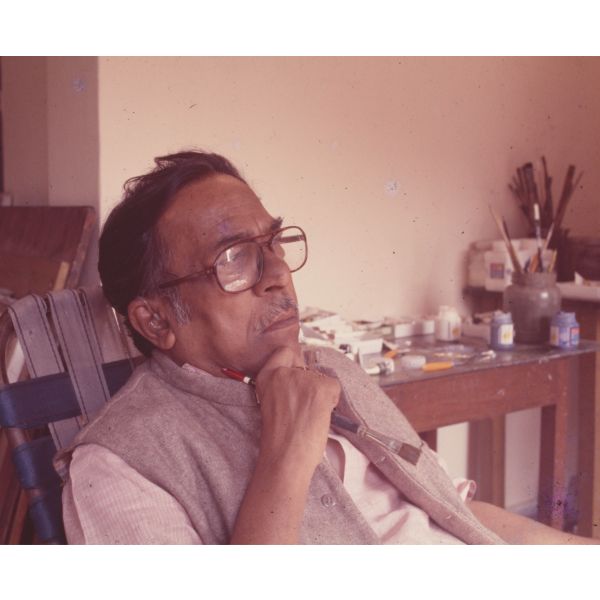 ArtistsShyamal Dutta Ray$0.00Among the most accomplished watercolourists of modern India, Shyamal Dutta Ray was born in Ranchi, then in Bihar, and studied at Government College of Arts and Crafts, Calcutta, from 1950-55. He was a founding member of Society of Contemporary Artists in 1959, and of Painters 80, founded in 1968. Learn More
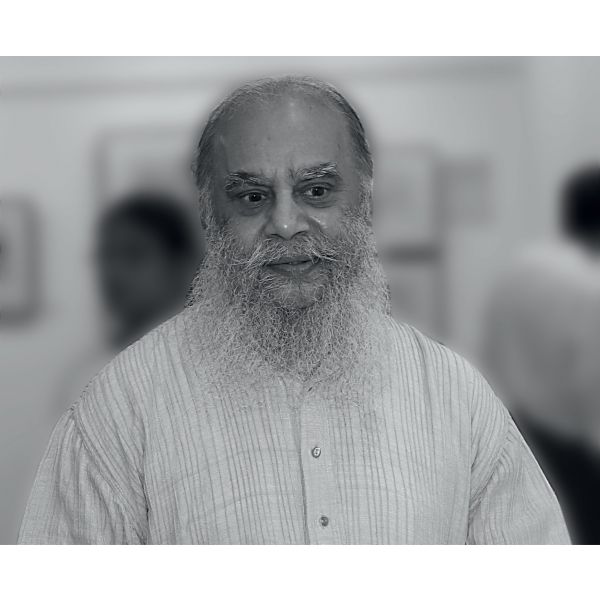 ArtistsShuvaprasanna$0.00Born in Calcutta on 20 October 1947, Shuvaprasanna is a quintessential painter of the eastern metropolis that he unabashedly loves. He graduated from Indian College of Art, Rabindra Bharati University, Calcutta, in 1969. An active member of Calcutta Painters group, urban themes are a constant in his work. Beset by problems and politics, but possessing great potential, Kolkata has remained his abiding inspiration as he absorbs and responds to its upheavals, the tumult of its masses, and its frequent political turbulence. Learn More
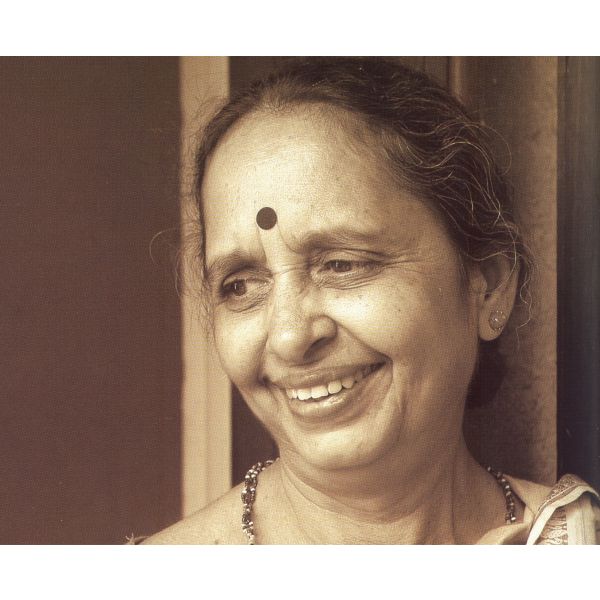 ArtistsShobha Broota$0.00Shobha Broota’s pictorial interpretation of the resonance of classical Indian ragas forms the essence of her celebrated style in which she conveys their subtle variations through minimal use of colours. Born in 1943 in New Delhi in an artistic family that inspired her to study art, Broota obtained a diploma in painting from College of Art, New Delhi, in 1964. Learn More
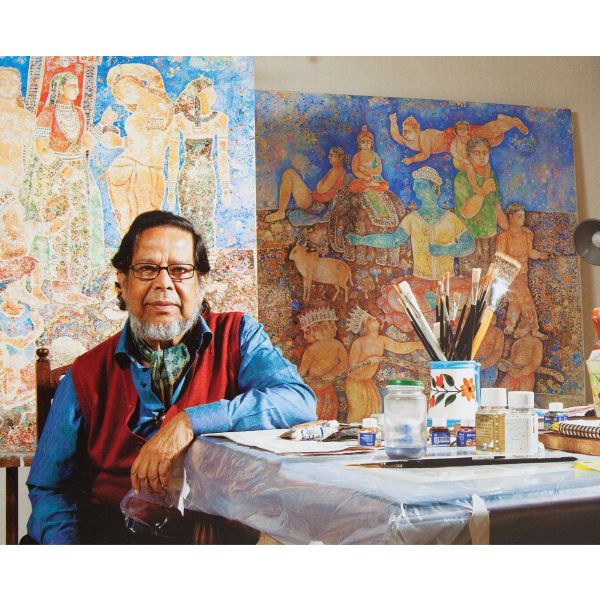 ArtistsSakti Burman$0.00Born in Calcutta, Sakti Burman studied at the city’s Government College of Arts and Crafts, and later at École Nationale des Beaux-Arts, Paris. Like most other Indian artists who studied or lived in the French capital, Paris-based Burman’s works blend European and Indian imagery. Learn More
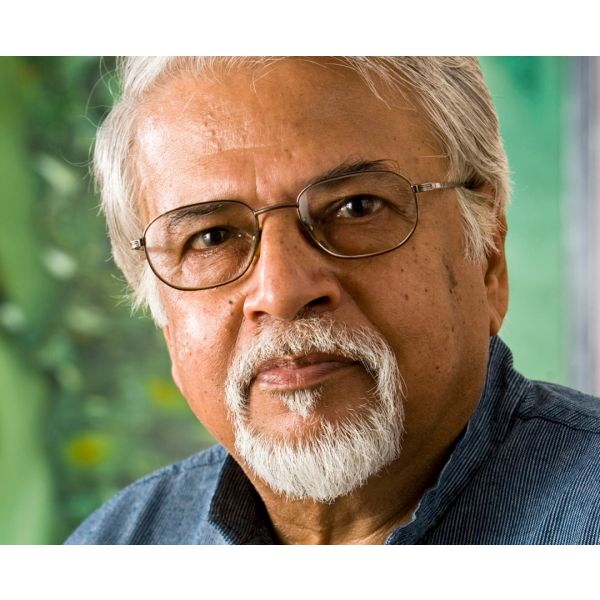 ArtistsS. G. Vasudev$0.00Born in Mysore, S. G. Vasudev completed his diploma in fine arts, from Government College of Art and Craft, Madras, in 1968, where he was deeply influenced by artist-teacher K. C. S. Paniker. While still a student, he won Lalit Kala Akademi’s national award in 1967. Learn More
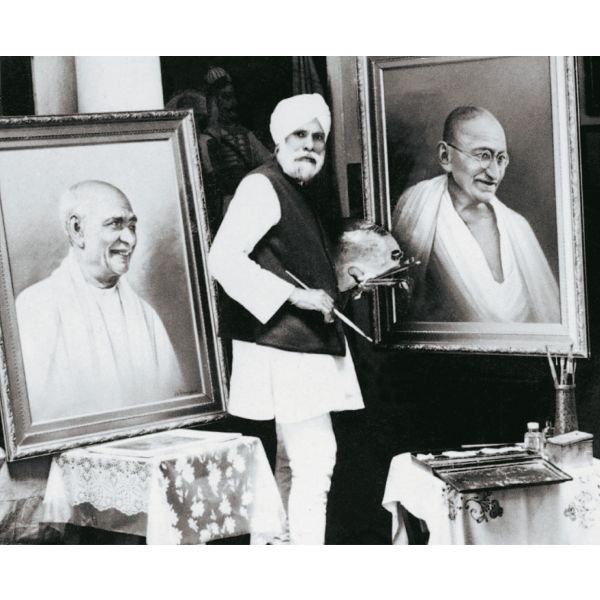 ArtistsS. G. Thakar Singh$0.00Born in 1899 in the village of Verka near Amritsar, S. G. Thakar Singh showed early aptitude for the arts by drawing on the walls of his home with coal. With no formal training, he went on to excel in the academic style of painting, rendering stunning landscapes, portraits and still-lifes. He apprenticed under local artist Mohd. Alam and moved with him to Bombay when the latter found a job as a stage artist with a theatre company. Learn More
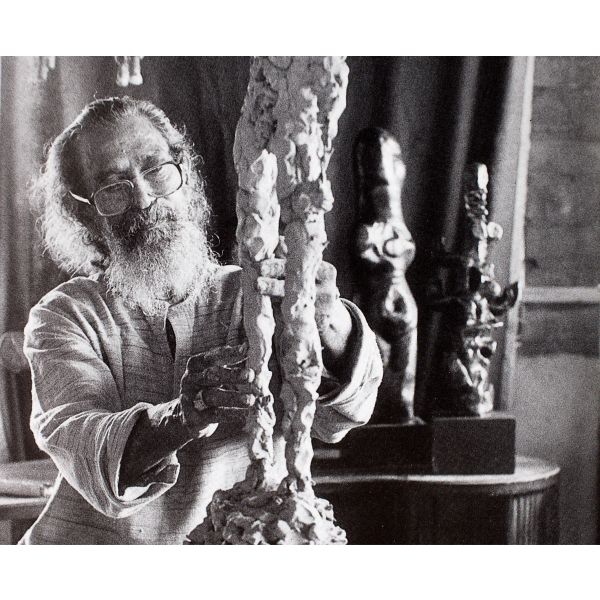 ArtistsS. Dhanapal$0.00Born on 3 March 1919 in Madras, S. Dhanapal trained under sculptor-teacher D. P. Roy Chowdhury at the city’s Government College of Art and Craft. He joined the faculty of his college after completing his studies, and, in 1957, when K. C. S. Paniker was principal, Dhanapal was appointed the head of the sculpture department. He eventually became principal of his alma mater in 1972. Learn More
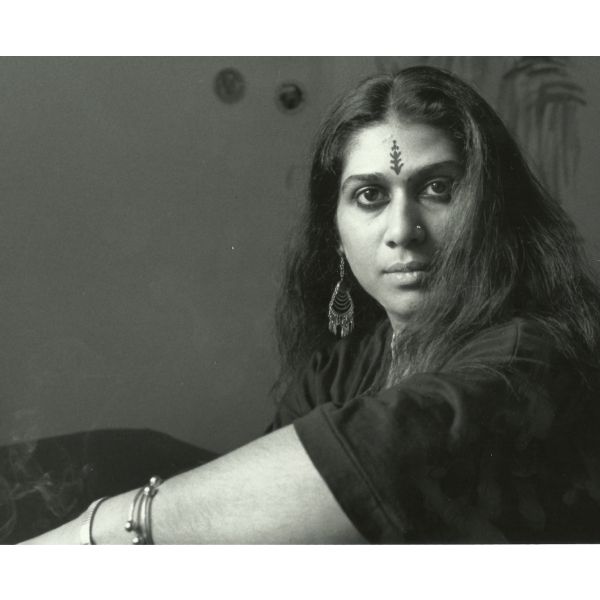 ArtistsRekha Rodwittiya$0.00Born on 31 October 1958 in Bangalore, Rekha Rodwittiya is an artist aligned with the Baroda School whose work engages with gender politics, socio-political subjugation, human degradation, violence and discrimination, all filtered through the prism of self-questioning. Learn More
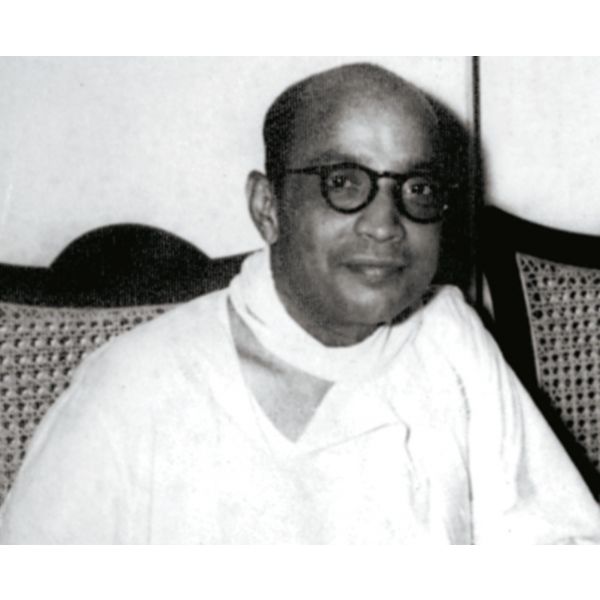 ArtistsRamendranath Chakravorty$0.00Born in 1902 in Tripura, Ramendranath Chakravorty went to the Government College of Art in Calcutta in 1919 but left it in 1921 to join the newly founded Kala Bhavana at Visva-Bharati University, Santiniketan. Soon after graduation, he began his teaching career, first at Kalashala at Andhra National Art Gallery in Machilipatnam, and then at Kala Bhavana. He then joined Government School of Art, Calcutta, as a teacher in 1929, when Mukul Dey, the pioneer of dry point etching in India, was its principal. In 1943-46, Chakravorty was the school’s officiating principal when he set up its graphics department. Eventually, he became the school principal in 1949. Learn More
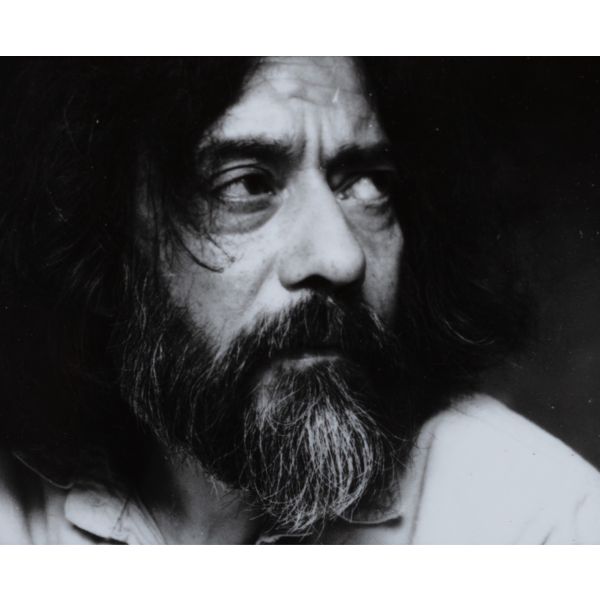 ArtistsRajendra Dhawan$0.00Born in 1936 in New Delhi, Rajendra Dhawan studied at the Polytechnic (later renamed College of Art) from 1953-58, and at Belgrade in erstwhile Yugoslavia from 1960-62. While in New Delhi, he became a founding member of the group called The Unknown that survived from 1960-64. Learn More
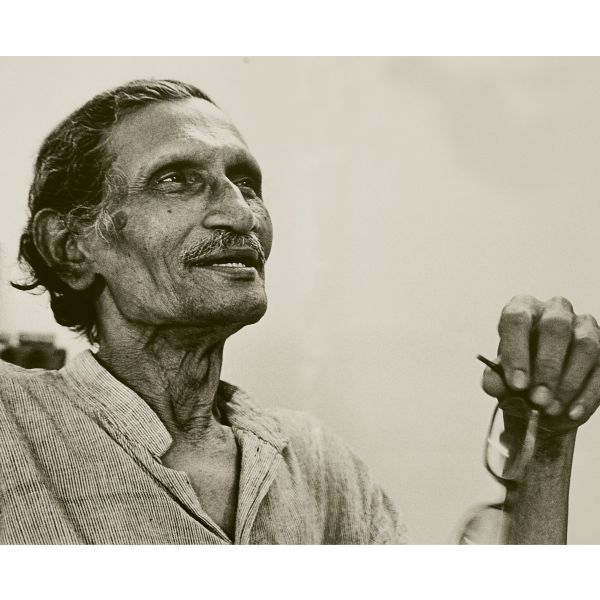 ArtistsRabin Mondal$0.00The son of a mechanical draughtsman, Mondal took to drawing and painting at the age of twelve when he injured his knee and was confined to bed. The Bengal famine of 1943 and the Calcutta communal riots of 1946 deeply impacted his psyche; he joined the Communist Party and became an activist. Mondal’s final refuge was art as the ultimate weapon of protest. Learn More