Born on 3 March 1919 in Madras, S. Dhanapal trained under sculptor-teacher D. P. Roy Chowdhury at the city’s Government College of Art and Craft. He joined the faculty of his college after completing his studies, and, in 1957, when K. C. S. Paniker was principal, Dhanapal was appointed the head of the sculpture department. He eventually became principal of his alma mater in 1972. Learn More
Born in Patiala, Punjab, in 1953, Ranbir Kaleka earned a diploma in painting from Punjab University’s College of Art in Chandigarh. He spent the next few years teaching at Punjab University and College of Art, New Delhi, before leaving for London on a Charles Wallace scholarship to study at Royal College of Art from 1985-87. He stayed on in London for several years and returned to India in the late 1990s. Learn More
Born on 25 May 1906 in Bankura in Bengal, Ramkinkar Baij was an iconoclast who defied the artistic norms of Santiniketan, where he had enrolled on the advice of journalist Ramananda Chatterjee. Learn More
Born in Amritsar on 17 November 1926, R. N. Pasricha grew up in Delhi. Graduating in science, he worked as a typist to earn his livelihood. But, it was painting that drew him—a passion since childhood— and he enrolled for night classes in art. He honed his skills in painting under the guidance of artist Abani Sen. Learn More
Born in Dacca (now Dhaka) in present-day Bangladesh, Prodosh Das Gupta studied sculpture under Hiranmoy Roy Chowdhary at the Lucknow School of Arts and Crafts (1932-33), and under D. P. Roy Chowdhury at Government School of Art and Craft, Madras (1933-37). Over the next two years, he studied bronze casting at LCC Central School, London, and sculpture at Royal Academy of Arts, London, and Académie de la Grande Chaumière, Paris. He returned to India in 1940 and set up his studio in Calcutta. He subsequently taught at M. S. University, Baroda, and at Calcutta’s Government College of Arts and Crafts. Learn More
Born in an educator’s family on 7 April 1934 in a small town in Gujarat, Natvar Bhavsar studied to be a drawing teacher and began his career in Chanasma. He then joined the C. N. School in Ahmedabad for its five-year diploma course in art offered by Sir J. J. School of Art; simultaneously, he continued to study for his master’s in teaching art. Learn More
Born in Gujarat to a family of farmers, Nagji Patel grew up making clay toys as part of playing with village children. He joined the painting course at Faculty of Fine Arts, M. S. University, Baroda, but eventually switched to sculpture, which he found less daunting than painting. He obtained an M.F.A. in sculpture in 1964 and in the same year won a travelling scholarship from the Government of India, which allowed him to visit quarries across the country and interact with stone carvers. Learn More
Born in Shivpur Diyar in Ballia district of Uttar Pradesh, Muni Singh studied at College of Art, Lucknow. In 1963, he received formal training in fresco-making from Banasthali Vidyapith, Rajasthan. A contemporary of Badri Nath Arya, R. S. Bisht, and Sanat Chatterjee, Singh’s preferred medium was watercolour. He mastered the miniature style of painting—Mughal, Rajput, and Pahari—and translated it into his own idiom and technique. Learn More
India’s first creatively trained printmaker and pioneer of dry point etching in the country, Mukul Chandra Dey was born on 23 July 1895 in Sridharkhola, Bengal. He joined Santiniketan’s Brahmacharya Ashram school at the age of eleven and trained in art under the Tagore family stalwarts, becoming a close associate of Abanindranath Tagore. Learn More
Kshitindranath Majumdar, born on July 31, 1891, in Jagtai village of Murshidabad in West Bengal, is often referred to as a saint-artist who considered art as a form of devotion. Strongly influenced by Vaishnavism as propounded by the fifteenth century saint, Chaitanya Mahaprabhu, Majumdar trained in hymn singing, interpreted legends from Indian epics, and acted in productions of the theatre group owned by his father. Learn More
Born in Chittoor, Andhra Pradesh, on 15 July 1925, Krishna Reddy is best remembered for pioneering the simultaneous colour printing technique, or the colour viscosity process, along with S. W. Hayter, in Paris. His journey to that seminal moment in Paris was preceded by a stint at Santiniketan, studying under Nandalal Bose (1942-47), and then, as head of the art section at Kalakshetra, Madras (1947-50). Learn More
Kattingeri Krishna Hebbar, born on 15 June 1911 near Udupi in Karnataka, showed an inclination for the arts from his childhood—his father used to make Ganesha idols. Learn More



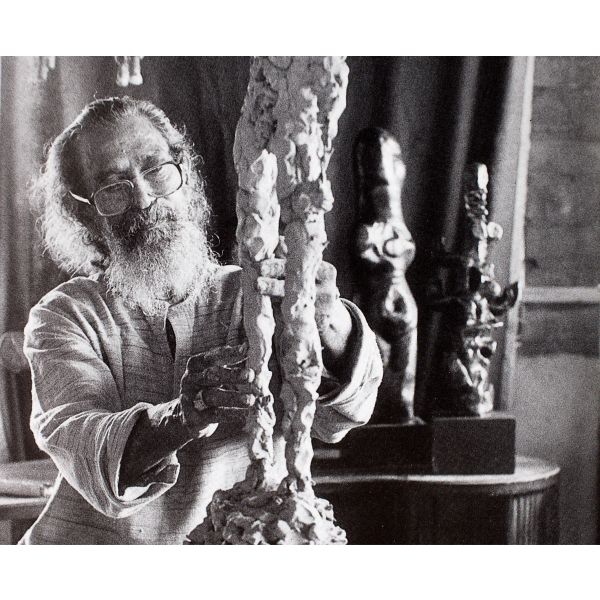 ArtistsS. Dhanapal$0.00Born on 3 March 1919 in Madras, S. Dhanapal trained under sculptor-teacher D. P. Roy Chowdhury at the city’s Government College of Art and Craft. He joined the faculty of his college after completing his studies, and, in 1957, when K. C. S. Paniker was principal, Dhanapal was appointed the head of the sculpture department. He eventually became principal of his alma mater in 1972. Learn More
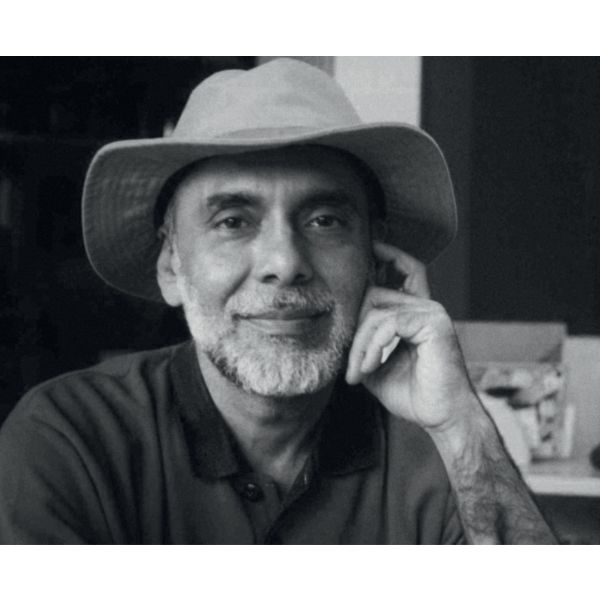 ArtistsRanbir Singh Kaleka$0.00Born in Patiala, Punjab, in 1953, Ranbir Kaleka earned a diploma in painting from Punjab University’s College of Art in Chandigarh. He spent the next few years teaching at Punjab University and College of Art, New Delhi, before leaving for London on a Charles Wallace scholarship to study at Royal College of Art from 1985-87. He stayed on in London for several years and returned to India in the late 1990s. Learn More
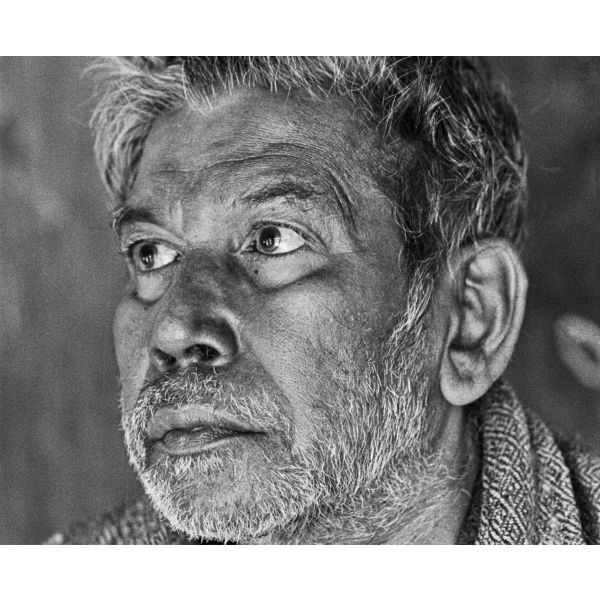 ArtistsRamkinkar Baij$0.00Born on 25 May 1906 in Bankura in Bengal, Ramkinkar Baij was an iconoclast who defied the artistic norms of Santiniketan, where he had enrolled on the advice of journalist Ramananda Chatterjee. Learn More
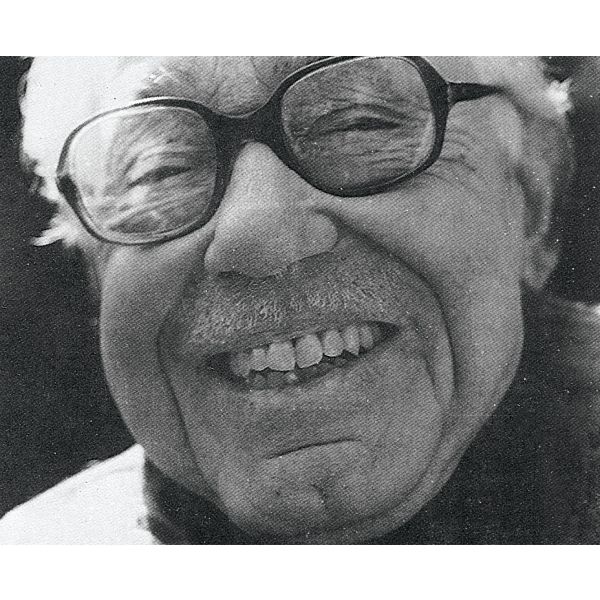 ArtistsR. N. Pasricha$0.00Born in Amritsar on 17 November 1926, R. N. Pasricha grew up in Delhi. Graduating in science, he worked as a typist to earn his livelihood. But, it was painting that drew him—a passion since childhood— and he enrolled for night classes in art. He honed his skills in painting under the guidance of artist Abani Sen. Learn More
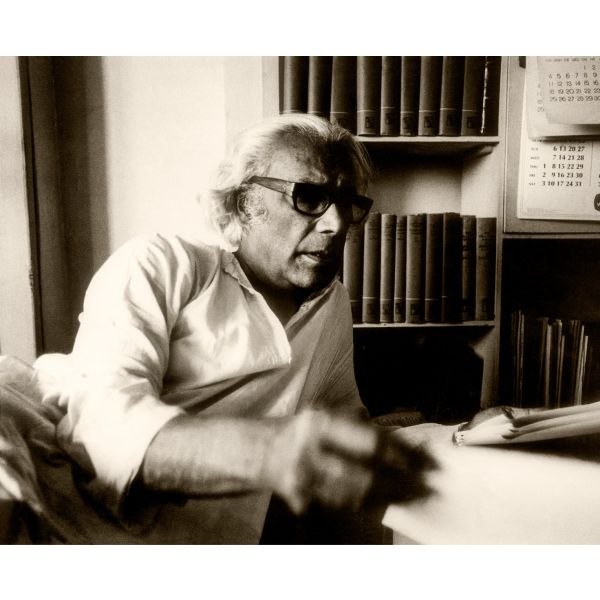 ArtistsProdosh Das Gupta$0.00Born in Dacca (now Dhaka) in present-day Bangladesh, Prodosh Das Gupta studied sculpture under Hiranmoy Roy Chowdhary at the Lucknow School of Arts and Crafts (1932-33), and under D. P. Roy Chowdhury at Government School of Art and Craft, Madras (1933-37). Over the next two years, he studied bronze casting at LCC Central School, London, and sculpture at Royal Academy of Arts, London, and Académie de la Grande Chaumière, Paris. He returned to India in 1940 and set up his studio in Calcutta. He subsequently taught at M. S. University, Baroda, and at Calcutta’s Government College of Arts and Crafts. Learn More
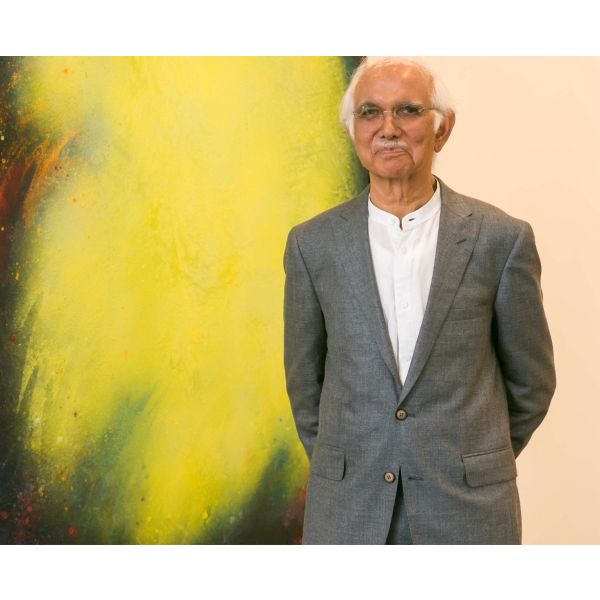 ArtistsNatvar Bhavsar$0.00Born in an educator’s family on 7 April 1934 in a small town in Gujarat, Natvar Bhavsar studied to be a drawing teacher and began his career in Chanasma. He then joined the C. N. School in Ahmedabad for its five-year diploma course in art offered by Sir J. J. School of Art; simultaneously, he continued to study for his master’s in teaching art. Learn More
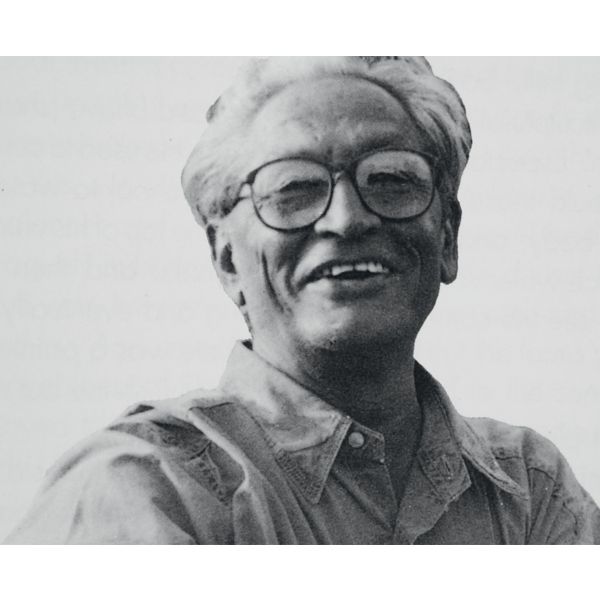 ArtistsNagji Patel$0.00Born in Gujarat to a family of farmers, Nagji Patel grew up making clay toys as part of playing with village children. He joined the painting course at Faculty of Fine Arts, M. S. University, Baroda, but eventually switched to sculpture, which he found less daunting than painting. He obtained an M.F.A. in sculpture in 1964 and in the same year won a travelling scholarship from the Government of India, which allowed him to visit quarries across the country and interact with stone carvers. Learn More
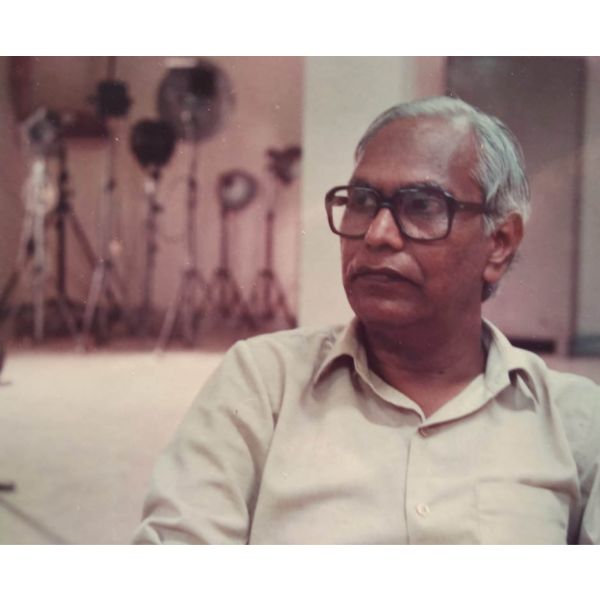 ArtistsMuni Singh$0.00Born in Shivpur Diyar in Ballia district of Uttar Pradesh, Muni Singh studied at College of Art, Lucknow. In 1963, he received formal training in fresco-making from Banasthali Vidyapith, Rajasthan. A contemporary of Badri Nath Arya, R. S. Bisht, and Sanat Chatterjee, Singh’s preferred medium was watercolour. He mastered the miniature style of painting—Mughal, Rajput, and Pahari—and translated it into his own idiom and technique. Learn More
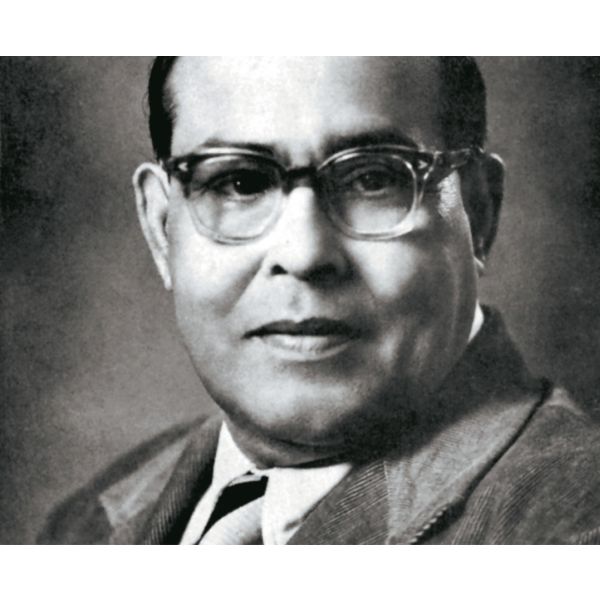 ArtistsMukul Dey$0.00India’s first creatively trained printmaker and pioneer of dry point etching in the country, Mukul Chandra Dey was born on 23 July 1895 in Sridharkhola, Bengal. He joined Santiniketan’s Brahmacharya Ashram school at the age of eleven and trained in art under the Tagore family stalwarts, becoming a close associate of Abanindranath Tagore. Learn More
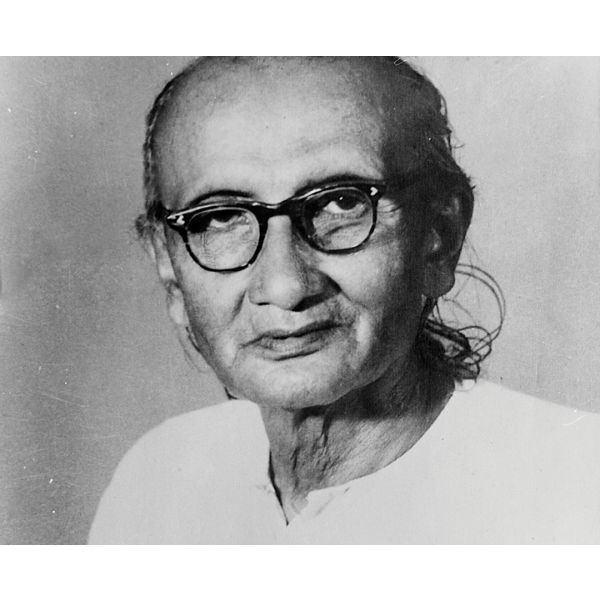 ArtistsKshitindranath Majumdar$0.00Kshitindranath Majumdar, born on July 31, 1891, in Jagtai village of Murshidabad in West Bengal, is often referred to as a saint-artist who considered art as a form of devotion. Strongly influenced by Vaishnavism as propounded by the fifteenth century saint, Chaitanya Mahaprabhu, Majumdar trained in hymn singing, interpreted legends from Indian epics, and acted in productions of the theatre group owned by his father. Learn More
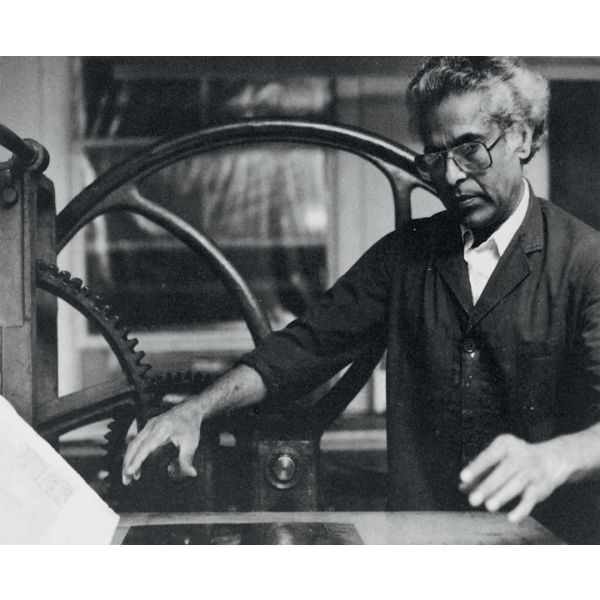 ArtistsKrishna Reddy$0.00Born in Chittoor, Andhra Pradesh, on 15 July 1925, Krishna Reddy is best remembered for pioneering the simultaneous colour printing technique, or the colour viscosity process, along with S. W. Hayter, in Paris. His journey to that seminal moment in Paris was preceded by a stint at Santiniketan, studying under Nandalal Bose (1942-47), and then, as head of the art section at Kalakshetra, Madras (1947-50). Learn More
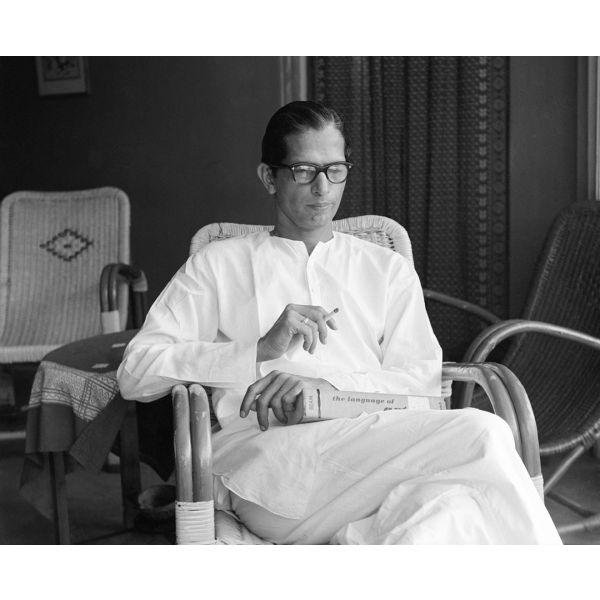 ArtistsK. K. Hebbar$0.00Kattingeri Krishna Hebbar, born on 15 June 1911 near Udupi in Karnataka, showed an inclination for the arts from his childhood—his father used to make Ganesha idols. Learn More