Born in 1937 in Calcutta, Ganesh Pyne lost his father before his teens and personally witnessed the horrors of Partition. The social violence and despair of the 1940s and the tumultuous political events of the 1970s had a deep impact on his psyche and work. Coupled with the influence of his grandmother’s stories, Pyne developed an individual style of poetic surrealism woven around mythology and Bengali folklore. Learn More
Born in Jamalpur in present day Bangladesh on 9 February 1936, Ganesh Haloi migrated with his family to Calcutta upon Partition. From 1952-56, he studied at the city’s Government College of Arts and Crafts, where he acquired his personal style of sophisticated elegance and finish. Upon graduation, he joined the Archaeological Survey of India and was assigned the documentation of the cave paintings of Ajanta from 1957-63. Learn More
Eric Bowen was born in Allahabad on 3 May 1929 and received a diploma from the College of Art, New Delhi, in 1959. Though he joined the short-lived Group 1890, his journey to be a part of the significant art movements in the 1960s took root when he and Paramjit Singh started the Group Unknown, a Delhi-based collective of young artists and sculptors. Learn More
Devraj Dakoji was born in Dharmaji Gudem village in West Godavari district of Andhra Pradesh to a family of Ayurveda practitioners. Picking herbs for his father every morning before going to school proved to be a lasting influence in Dakoji’s life, making nature the leitmotif of his art. Learn More
Born on 11 April 1953 in Sangli, Maharashtra, Dattatraya Apte grew up in a culturally-charged household. His father was a teacher and used to make Ganehsa idols for puja at home, a skill that young Apte learnt early on. He also learnt to paint photographs and retouch negatives with an uncle who was a photographer. Learn More
A self-taught artist, poet, storyteller, and an active member of the Communist Party of India, Chittaprosad was born on 21 June 1915. He drew inspiration from village sculptors, artisans and puppeteers. Learn More
Born in Tellicherry, Kerala, Catfield Douglas belongs to the third generation of artists associated with the Madras Art Movement. Moving in the early 1990s to Cholamandal Artists’ Village, set up by K. C. S. Paniker, Douglas’s works are considered both expressionist and anthropocentric. Learn More
Co-founder of the Kochi-Muziris Biennale, Bose Krishnamachari was born in Magattukara village, Kerala, and came into prominence in the 1990s, after graduating from Sir J. J. School of Art, Mumbai, at a time when India was experiencing economic liberalisation. Learn More
Born in Calcutta, Bipin Behari Goswami studied at the city's Government College of Arts and Crafts, from where he graduated in 1956 with a diploma in sculpture and modelling. Learn More
Born in Bengal in 1917, Bimal Dasgupta was raised by his uncle, a government employee posted in Delhi. His uncle’s family did not support his ambition of becoming an artist, so he joined Calcutta’s College of Arts and Crafts in 1937 with his father’s help. Learn More
Born in Faridpur in present-day Bangladesh, Bijan Chowdhury moved to Calcutta to study at the Government School of Art, but due to his leftist activities, was expelled. He then went to the Government Institute of Arts, Dacca, headed by his erstwhile teacher, Zainul Abedin, from where he graduated in 1953. Learn More
Born in a well-to-do business family in Peshawar in present-day Pakistan, B. N. Arya showed an inclination towards the arts since childhood. Learn More



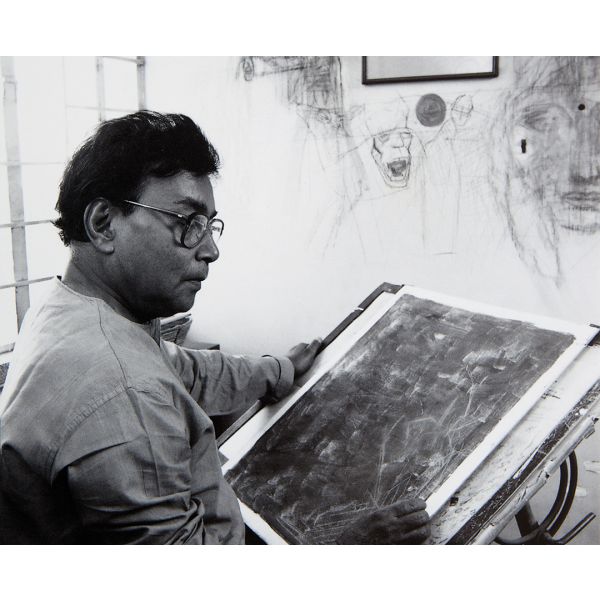 ArtistsGanesh Pyne$0.00Born in 1937 in Calcutta, Ganesh Pyne lost his father before his teens and personally witnessed the horrors of Partition. The social violence and despair of the 1940s and the tumultuous political events of the 1970s had a deep impact on his psyche and work. Coupled with the influence of his grandmother’s stories, Pyne developed an individual style of poetic surrealism woven around mythology and Bengali folklore. Learn More
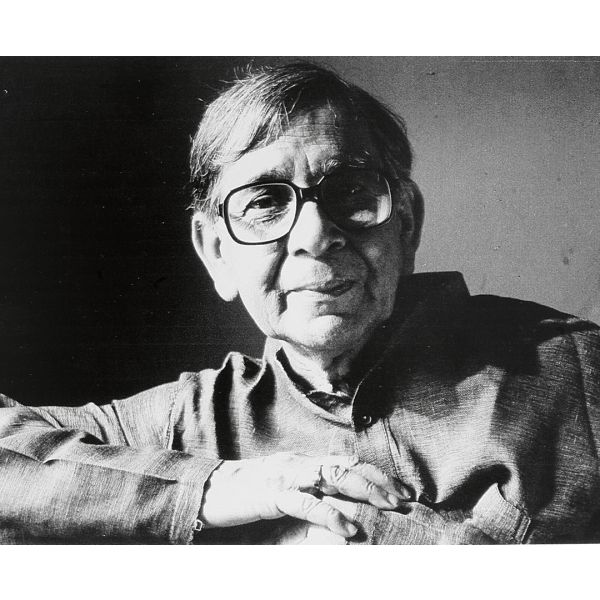 ArtistsGanesh Haloi$0.00Born in Jamalpur in present day Bangladesh on 9 February 1936, Ganesh Haloi migrated with his family to Calcutta upon Partition. From 1952-56, he studied at the city’s Government College of Arts and Crafts, where he acquired his personal style of sophisticated elegance and finish. Upon graduation, he joined the Archaeological Survey of India and was assigned the documentation of the cave paintings of Ajanta from 1957-63. Learn More
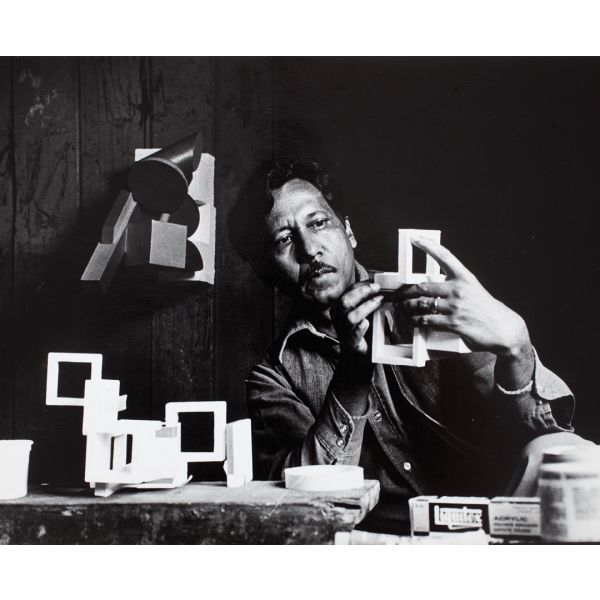 ArtistsEric Bowen$0.00Eric Bowen was born in Allahabad on 3 May 1929 and received a diploma from the College of Art, New Delhi, in 1959. Though he joined the short-lived Group 1890, his journey to be a part of the significant art movements in the 1960s took root when he and Paramjit Singh started the Group Unknown, a Delhi-based collective of young artists and sculptors. Learn More
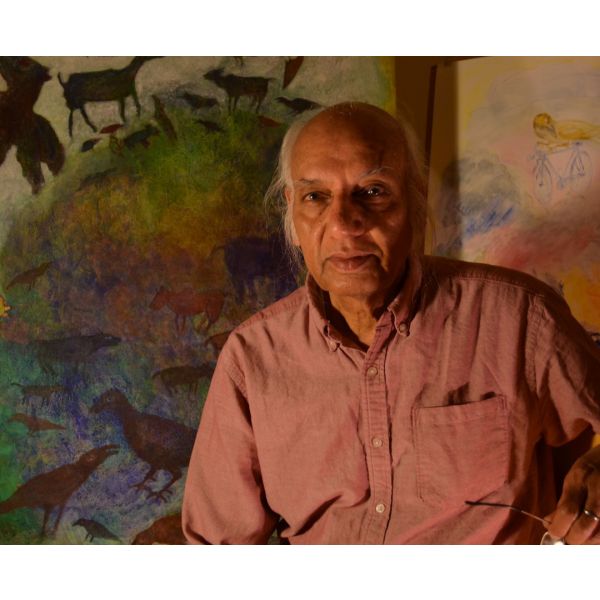 ArtistsDevraj Dakoji$0.00Devraj Dakoji was born in Dharmaji Gudem village in West Godavari district of Andhra Pradesh to a family of Ayurveda practitioners. Picking herbs for his father every morning before going to school proved to be a lasting influence in Dakoji’s life, making nature the leitmotif of his art. Learn More
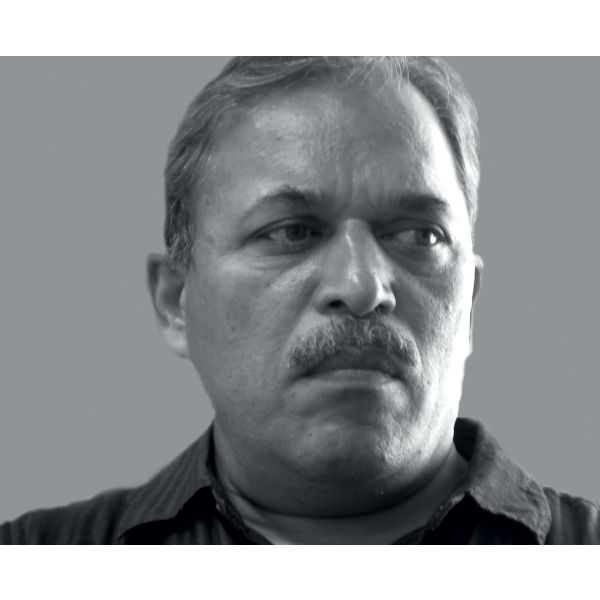 ArtistsDattatraya Apte$0.00Born on 11 April 1953 in Sangli, Maharashtra, Dattatraya Apte grew up in a culturally-charged household. His father was a teacher and used to make Ganehsa idols for puja at home, a skill that young Apte learnt early on. He also learnt to paint photographs and retouch negatives with an uncle who was a photographer. Learn More
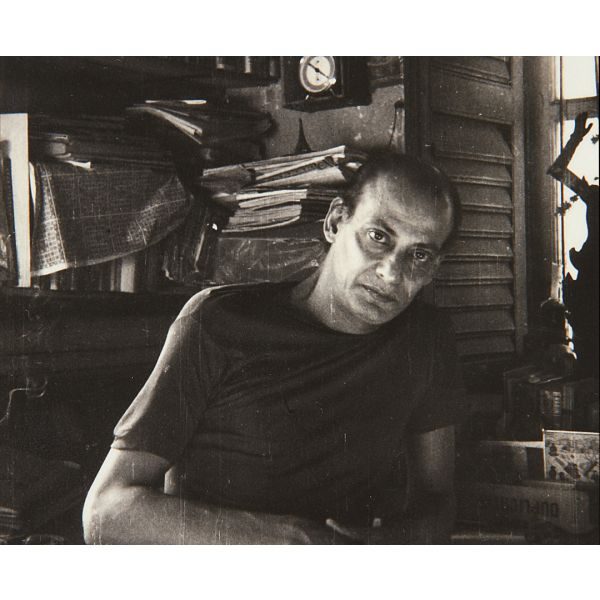 ArtistsChittaprosad$0.00A self-taught artist, poet, storyteller, and an active member of the Communist Party of India, Chittaprosad was born on 21 June 1915. He drew inspiration from village sculptors, artisans and puppeteers. Learn More
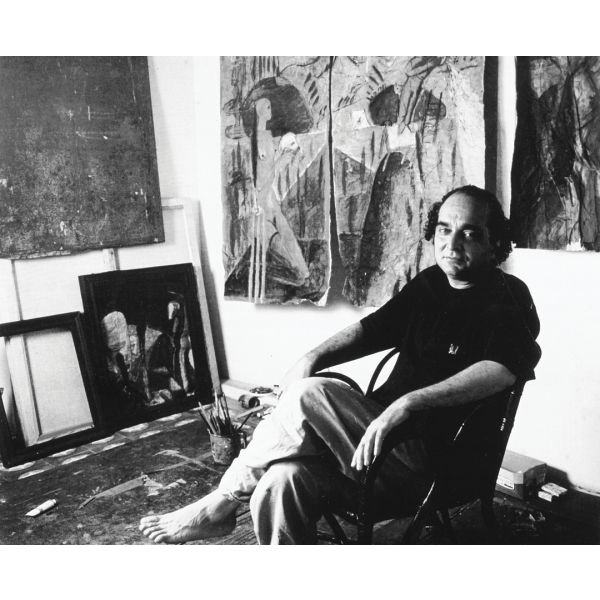 ArtistsC. Douglas$0.00Born in Tellicherry, Kerala, Catfield Douglas belongs to the third generation of artists associated with the Madras Art Movement. Moving in the early 1990s to Cholamandal Artists’ Village, set up by K. C. S. Paniker, Douglas’s works are considered both expressionist and anthropocentric. Learn More
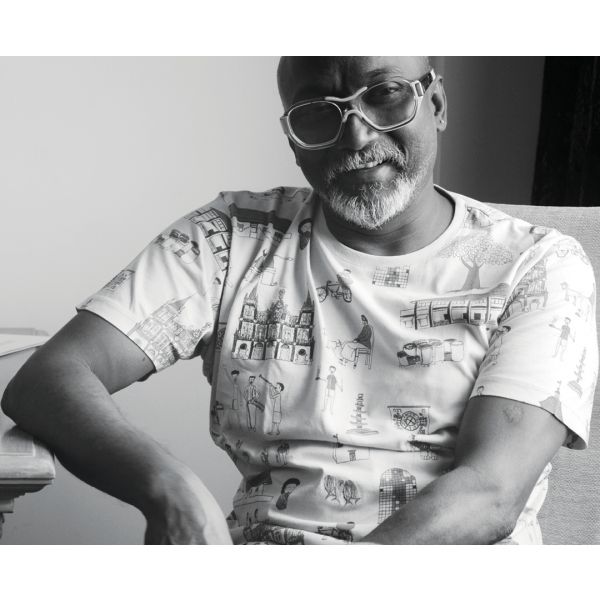 ArtistsBose Krishnamachari$0.00Co-founder of the Kochi-Muziris Biennale, Bose Krishnamachari was born in Magattukara village, Kerala, and came into prominence in the 1990s, after graduating from Sir J. J. School of Art, Mumbai, at a time when India was experiencing economic liberalisation. Learn More
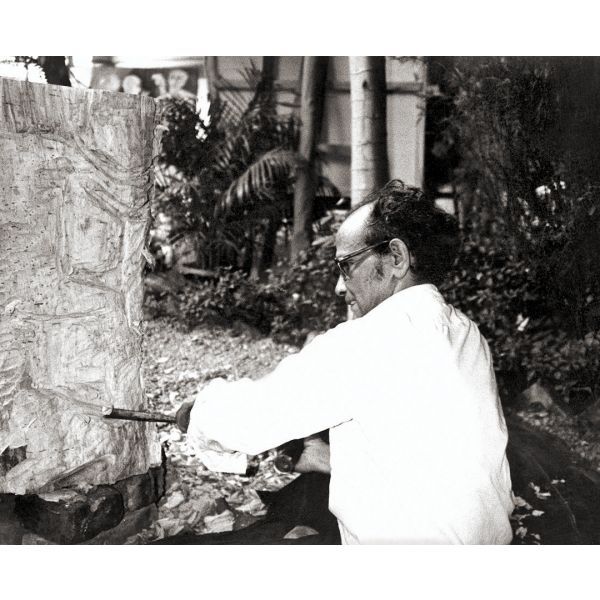 ArtistsBipin Behari Goswami$0.00Born in Calcutta, Bipin Behari Goswami studied at the city's Government College of Arts and Crafts, from where he graduated in 1956 with a diploma in sculpture and modelling. Learn More
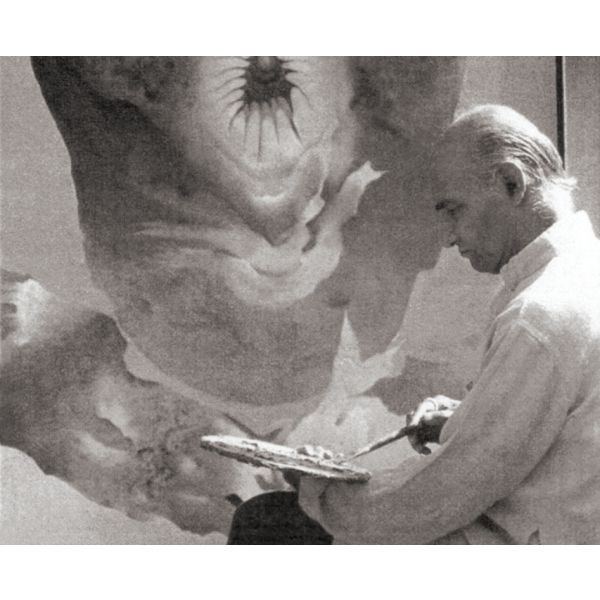 ArtistsBimal Dasgupta$0.00Born in Bengal in 1917, Bimal Dasgupta was raised by his uncle, a government employee posted in Delhi. His uncle’s family did not support his ambition of becoming an artist, so he joined Calcutta’s College of Arts and Crafts in 1937 with his father’s help. Learn More
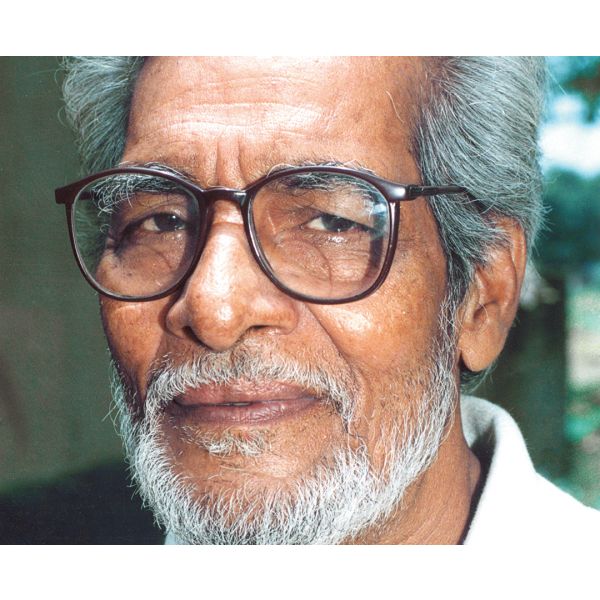 ArtistsBijan Chowdhury$0.00Born in Faridpur in present-day Bangladesh, Bijan Chowdhury moved to Calcutta to study at the Government School of Art, but due to his leftist activities, was expelled. He then went to the Government Institute of Arts, Dacca, headed by his erstwhile teacher, Zainul Abedin, from where he graduated in 1953. Learn More
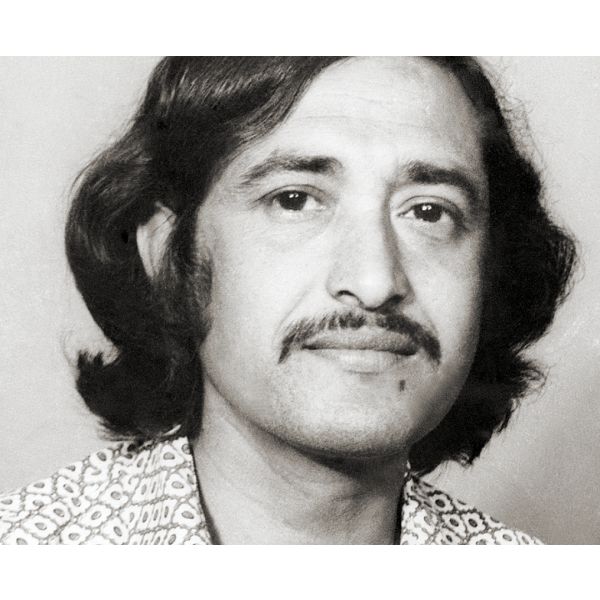 ArtistsB. N. Arya$0.00Born in a well-to-do business family in Peshawar in present-day Pakistan, B. N. Arya showed an inclination towards the arts since childhood. Learn More