Born in a family of limited means, Shanti Dave grew up in a village called Badpura in north Gujarat. Moving later to Ahmedabad, he earned a living by painting signboards and billboards for films before enrolling at the Faculty of Fine Arts, M. S. University, Baroda, where he studied under eminent artist-teacher N. S. Bendre, completing his graduation (1950-56) and post piploma in Fine Art (1956-58). Learn More
Born in Calcutta, Sakti Burman studied at the city’s Government College of Arts and Crafts, and later at École Nationale des Beaux-Arts, Paris. Like most other Indian artists who studied or lived in the French capital, Paris-based Burman’s works blend European and Indian imagery. Learn More
Born in Bangalore to the illustrious K. C. S. Paniker, the father of the Madras Art Movement and the visionary behind Cholamandal Artists’ Village, S. Nandagopal’s tryst with art, unsurprisingly, began early on. Just like his father, Nandagopal’s work was a synthesis of tradition and modernity. Learn More
Born on 3 March 1919 in Madras, S. Dhanapal trained under sculptor-teacher D. P. Roy Chowdhury at the city’s Government College of Art and Craft. He joined the faculty of his college after completing his studies, and, in 1957, when K. C. S. Paniker was principal, Dhanapal was appointed the head of the sculpture department. He eventually became principal of his alma mater in 1972. Learn More
Born in Devakottai in Tamil Nadu, Rm. Palaniappan often incorporates the syntax of the sciences such as diagrammatic notations, and symbols, in his work. The memory of the first sight of the earth from above, while on a flight, also appears frequently in the form of maps, grids, and aerial terrain. Another important trope in his works has been imagery associated with the flying machine, inspired by his fascination with Second World War cinema. Learn More
Born in Patiala, Punjab, in 1953, Ranbir Kaleka earned a diploma in painting from Punjab University’s College of Art in Chandigarh. He spent the next few years teaching at Punjab University and College of Art, New Delhi, before leaving for London on a Charles Wallace scholarship to study at Royal College of Art from 1985-87. He stayed on in London for several years and returned to India in the late 1990s. Learn More
Born on 25 May 1906 in Bankura in Bengal, Ramkinkar Baij was an iconoclast who defied the artistic norms of Santiniketan, where he had enrolled on the advice of journalist Ramananda Chatterjee. Learn More
A graduate of Delhi College of Art, Rameshwar Broota has been an art teacher throughout his career. He was a lecturer at his alma mater before moving to Jamia Millia Islamia University and then Sarda Ukil College, eventually taking over as head of department at Triveni Kala Sangam, a position he has held since 1984. Learn More
Born in 1902 in Tripura, Ramendranath Chakravorty went to the Government College of Art in Calcutta in 1919 but left it in 1921 to join the newly founded Kala Bhavana at Visva-Bharati University, Santiniketan. Soon after graduation, he began his teaching career, first at Kalashala at Andhra National Art Gallery in Machilipatnam, and then at Kala Bhavana. He then joined Government School of Art, Calcutta, as a teacher in 1929, when Mukul Dey, the pioneer of dry point etching in India, was its principal. In 1943-46, Chakravorty was the school’s officiating principal when he set up its graphics department. Eventually, he became the school principal in 1949. Learn More
Born in 1936 in New Delhi, Rajendra Dhawan studied at the Polytechnic (later renamed College of Art) from 1953-58, and at Belgrade in erstwhile Yugoslavia from 1960-62. While in New Delhi, he became a founding member of the group called The Unknown that survived from 1960-64. Learn More
Born in 1910 in Pabna, in present-day Bangladesh, Radha Charan Bagchi graduated from College of Arts and Crafts, Calcutta, in traditional Indian art, oil painting, and Western academism. Abanindranath Tagore, Mukul Dey and other Bengal masters were major influences but Bagchi evolved his own artistic style. In 1951, he joined Kala Bhavana, Santiniketan, as teacher, officiating twice as its principal in subsequent years. Learn More
Prokash Karmakar learnt painting at his father, artist-teacher Prahlad Karmakar’s atelier, till the socio-political turmoil of the 1940s and his father’s early death put an end to it. After his matriculation, Karmakar joined Government College of Arts and Crafts, Calcutta, but quit soon thereafter for reasons of poverty. In between, he designed book covers and worked as an illustrator for his livelihood; he even joined the army but absconded after two years, driven by his desire to paint. Learn More



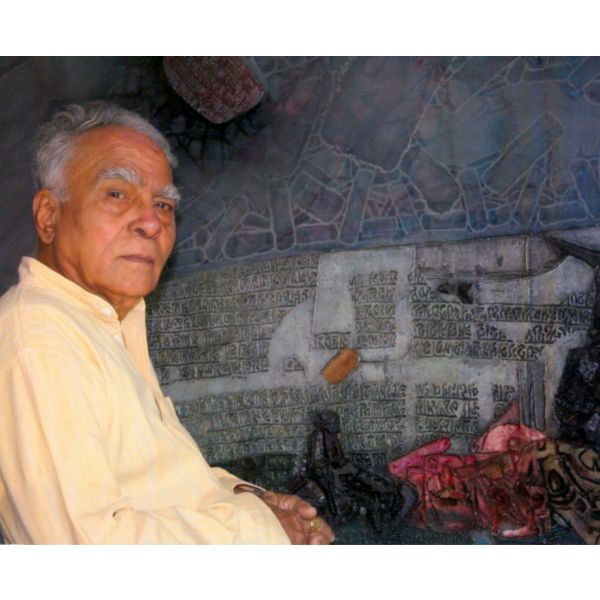 ArtistsShanti Dave$0.00Born in a family of limited means, Shanti Dave grew up in a village called Badpura in north Gujarat. Moving later to Ahmedabad, he earned a living by painting signboards and billboards for films before enrolling at the Faculty of Fine Arts, M. S. University, Baroda, where he studied under eminent artist-teacher N. S. Bendre, completing his graduation (1950-56) and post piploma in Fine Art (1956-58). Learn More
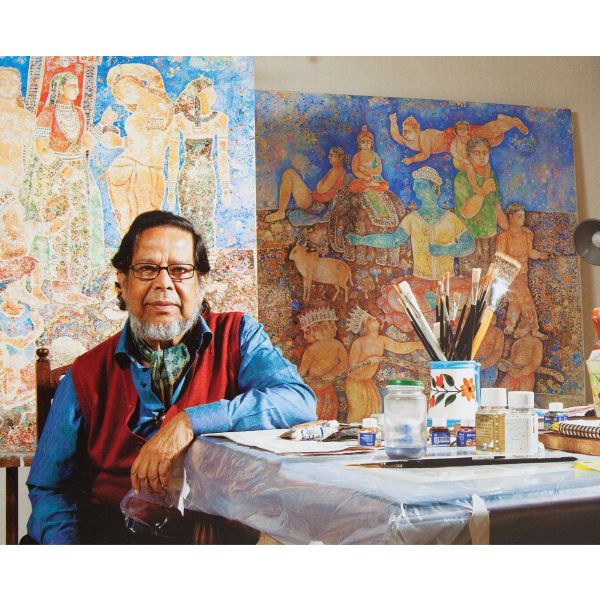 ArtistsSakti Burman$0.00Born in Calcutta, Sakti Burman studied at the city’s Government College of Arts and Crafts, and later at École Nationale des Beaux-Arts, Paris. Like most other Indian artists who studied or lived in the French capital, Paris-based Burman’s works blend European and Indian imagery. Learn More
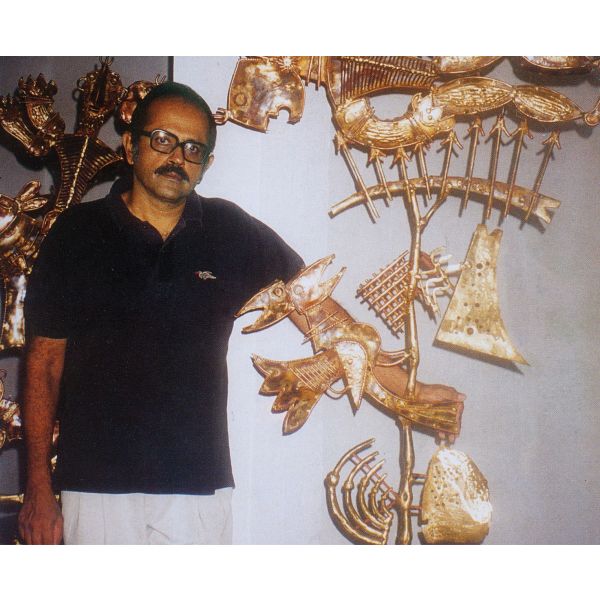 ArtistsS. Nandagopal$0.00Born in Bangalore to the illustrious K. C. S. Paniker, the father of the Madras Art Movement and the visionary behind Cholamandal Artists’ Village, S. Nandagopal’s tryst with art, unsurprisingly, began early on. Just like his father, Nandagopal’s work was a synthesis of tradition and modernity. Learn More
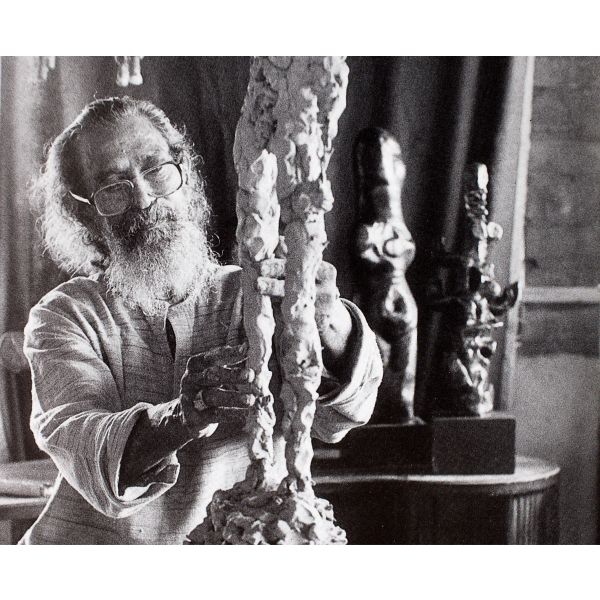 ArtistsS. Dhanapal$0.00Born on 3 March 1919 in Madras, S. Dhanapal trained under sculptor-teacher D. P. Roy Chowdhury at the city’s Government College of Art and Craft. He joined the faculty of his college after completing his studies, and, in 1957, when K. C. S. Paniker was principal, Dhanapal was appointed the head of the sculpture department. He eventually became principal of his alma mater in 1972. Learn More
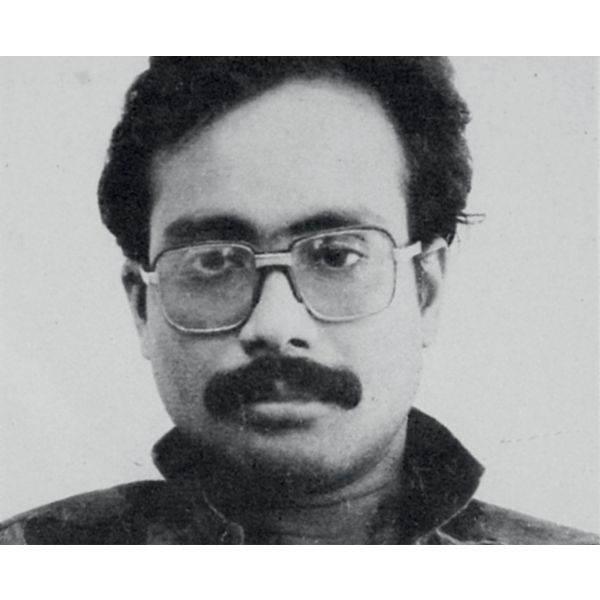 ArtistsRm. Palaniappan$0.00Born in Devakottai in Tamil Nadu, Rm. Palaniappan often incorporates the syntax of the sciences such as diagrammatic notations, and symbols, in his work. The memory of the first sight of the earth from above, while on a flight, also appears frequently in the form of maps, grids, and aerial terrain. Another important trope in his works has been imagery associated with the flying machine, inspired by his fascination with Second World War cinema. Learn More
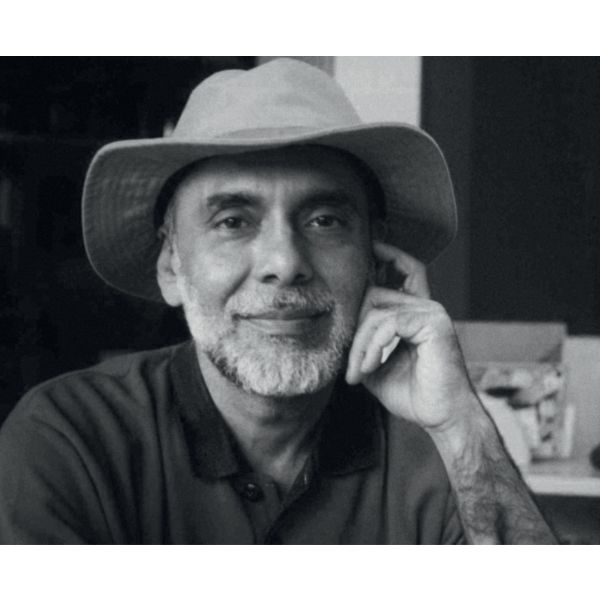 ArtistsRanbir Singh Kaleka$0.00Born in Patiala, Punjab, in 1953, Ranbir Kaleka earned a diploma in painting from Punjab University’s College of Art in Chandigarh. He spent the next few years teaching at Punjab University and College of Art, New Delhi, before leaving for London on a Charles Wallace scholarship to study at Royal College of Art from 1985-87. He stayed on in London for several years and returned to India in the late 1990s. Learn More
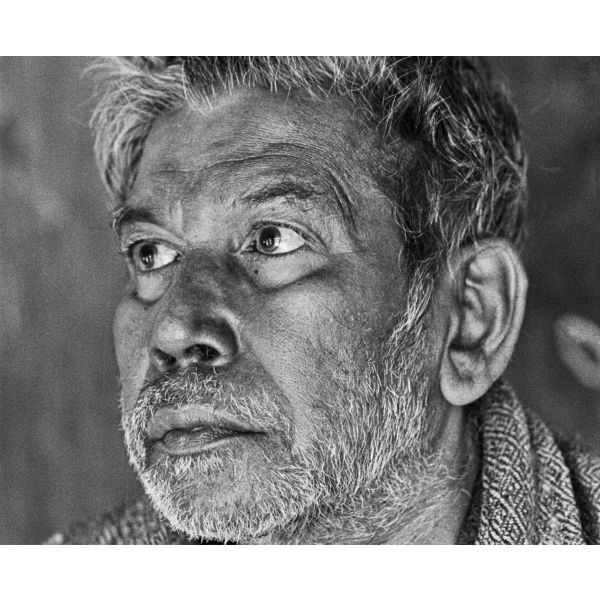 ArtistsRamkinkar Baij$0.00Born on 25 May 1906 in Bankura in Bengal, Ramkinkar Baij was an iconoclast who defied the artistic norms of Santiniketan, where he had enrolled on the advice of journalist Ramananda Chatterjee. Learn More
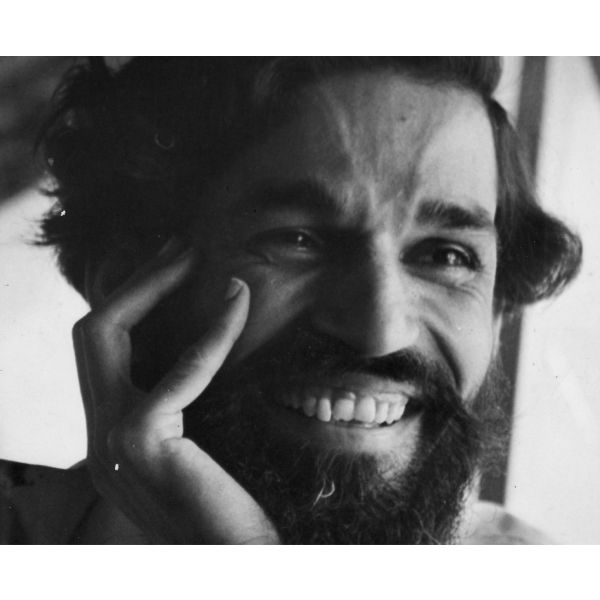 ArtistsRameshwar Broota$0.00A graduate of Delhi College of Art, Rameshwar Broota has been an art teacher throughout his career. He was a lecturer at his alma mater before moving to Jamia Millia Islamia University and then Sarda Ukil College, eventually taking over as head of department at Triveni Kala Sangam, a position he has held since 1984. Learn More
 ArtistsRamendranath Chakravorty$0.00Born in 1902 in Tripura, Ramendranath Chakravorty went to the Government College of Art in Calcutta in 1919 but left it in 1921 to join the newly founded Kala Bhavana at Visva-Bharati University, Santiniketan. Soon after graduation, he began his teaching career, first at Kalashala at Andhra National Art Gallery in Machilipatnam, and then at Kala Bhavana. He then joined Government School of Art, Calcutta, as a teacher in 1929, when Mukul Dey, the pioneer of dry point etching in India, was its principal. In 1943-46, Chakravorty was the school’s officiating principal when he set up its graphics department. Eventually, he became the school principal in 1949. Learn More
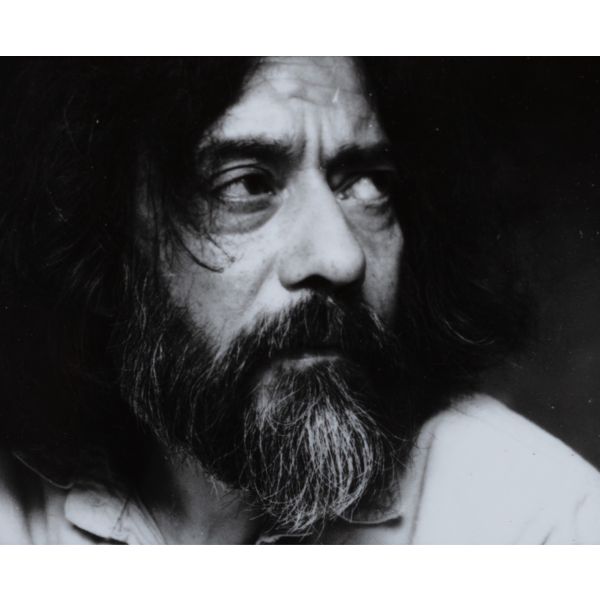 ArtistsRajendra Dhawan$0.00Born in 1936 in New Delhi, Rajendra Dhawan studied at the Polytechnic (later renamed College of Art) from 1953-58, and at Belgrade in erstwhile Yugoslavia from 1960-62. While in New Delhi, he became a founding member of the group called The Unknown that survived from 1960-64. Learn More
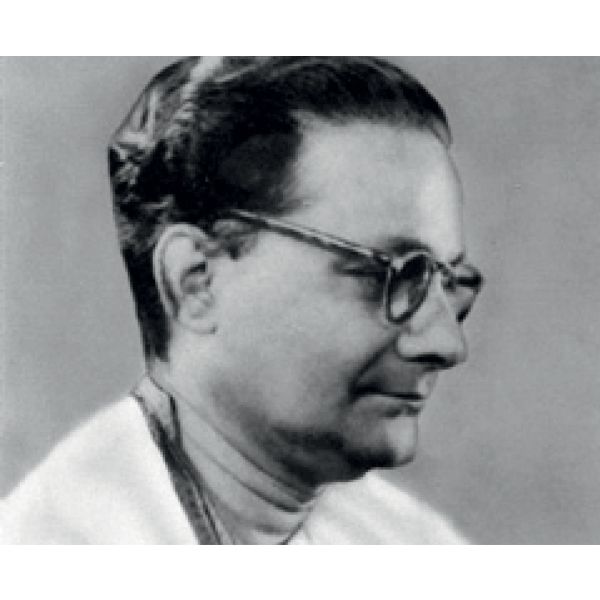 ArtistsRadha Charan Bagchi$0.00Born in 1910 in Pabna, in present-day Bangladesh, Radha Charan Bagchi graduated from College of Arts and Crafts, Calcutta, in traditional Indian art, oil painting, and Western academism. Abanindranath Tagore, Mukul Dey and other Bengal masters were major influences but Bagchi evolved his own artistic style. In 1951, he joined Kala Bhavana, Santiniketan, as teacher, officiating twice as its principal in subsequent years. Learn More
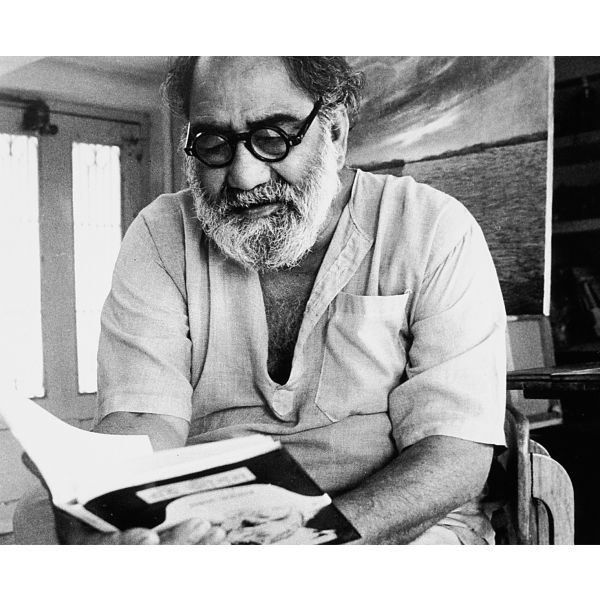 ArtistsProkash Karmakar$0.00Prokash Karmakar learnt painting at his father, artist-teacher Prahlad Karmakar’s atelier, till the socio-political turmoil of the 1940s and his father’s early death put an end to it. After his matriculation, Karmakar joined Government College of Arts and Crafts, Calcutta, but quit soon thereafter for reasons of poverty. In between, he designed book covers and worked as an illustrator for his livelihood; he even joined the army but absconded after two years, driven by his desire to paint. Learn More