Search results for: 'Babu and the ba'
-
-
 JournalBourne's Legacy: Tracing Samuel Bourne's travels in India$0.00
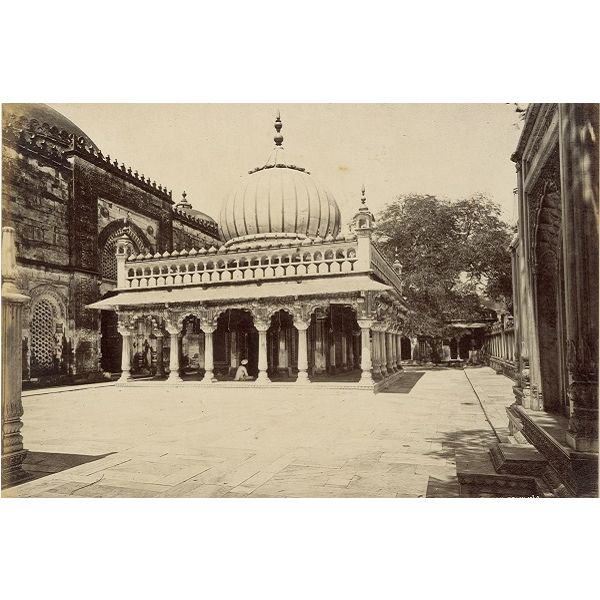
Samuel Bourne (1834—1912) was a British photographer known for his prolific seven years' work in India, from 1863 to 1870. Landing first at Madras, then Calcutta, he travelled across the subcontinent—leading some of the earliest photographic trips to the Himalayas—and wrote about his first impressions of the places he visited.
Learn More -
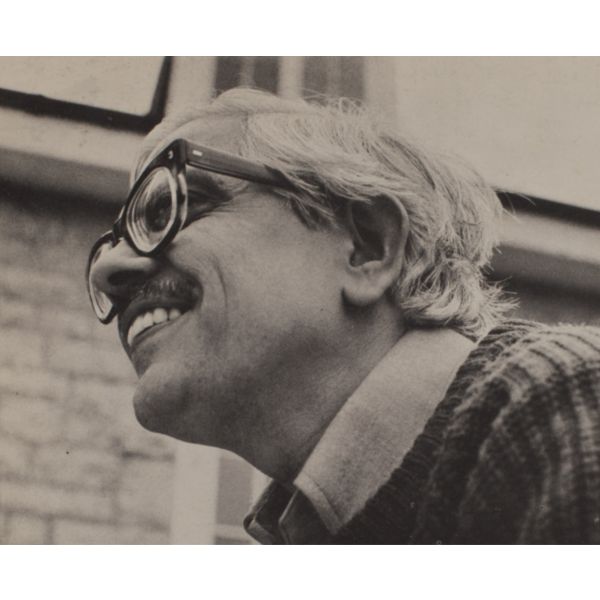 ArtistsBhupen Khakhar$0.00Recognised as India’s first pop artist, Bhupen Khakhar graduated as a chartered accountant in 1960. He began painting in the early 1960s after joining a course in art criticism at the Faculty of Fine Arts, M. S. University, Baroda, at the behest of the leading Baroda artist Gulammohamed Sheikh. Learn More
 -
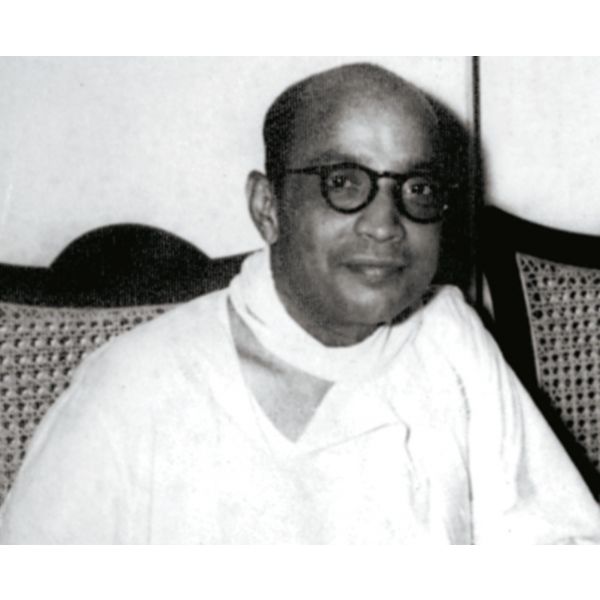 ArtistsRamendranath Chakravorty$0.00Born in 1902 in Tripura, Ramendranath Chakravorty went to the Government College of Art in Calcutta in 1919 but left it in 1921 to join the newly founded Kala Bhavana at Visva-Bharati University, Santiniketan. Soon after graduation, he began his teaching career, first at Kalashala at Andhra National Art Gallery in Machilipatnam, and then at Kala Bhavana. He then joined Government School of Art, Calcutta, as a teacher in 1929, when Mukul Dey, the pioneer of dry point etching in India, was its principal. In 1943-46, Chakravorty was the school’s officiating principal when he set up its graphics department. Eventually, he became the school principal in 1949. Learn More
 -
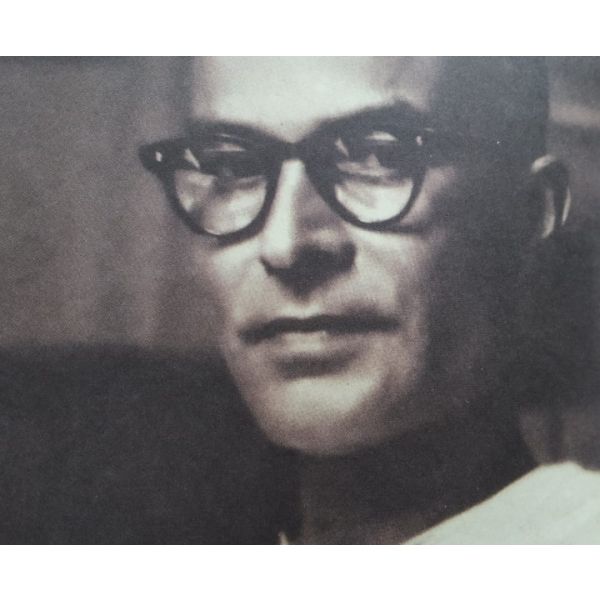 ArtistsManiklal Banerjee$0.00A watercolourist par excellence known for his paintings on silk, Maniklal Banerjee was born in Borisal in present-day Bangladesh. He studied at Government College of Art in Calcutta and while still a student, became the first Indian artist to receive the Government of India’s scholarship for the arts. Learn More
 -
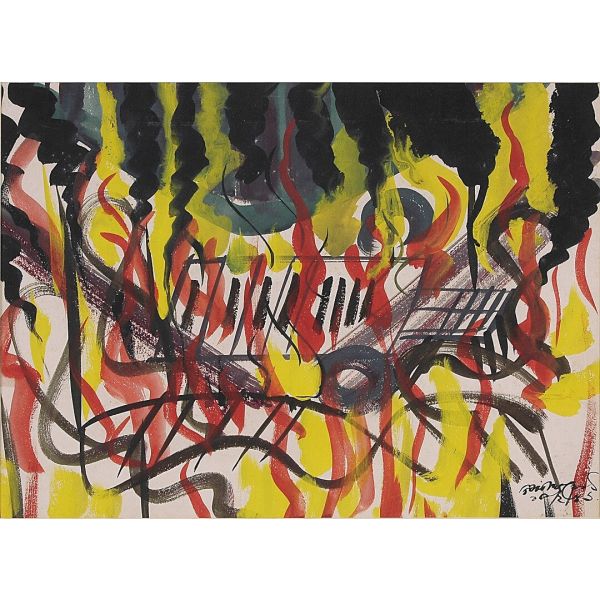 Events and ProgrammesAn Enquiry into the Freedom Movement$1.00
A workshop for middle school educators on implementing an arts-led and project-based module for learners, using artworks and archival objects from ‘March to Freedom’, DAG’s historic exhibition on the 75th year of Indian Independence.
Learn More -
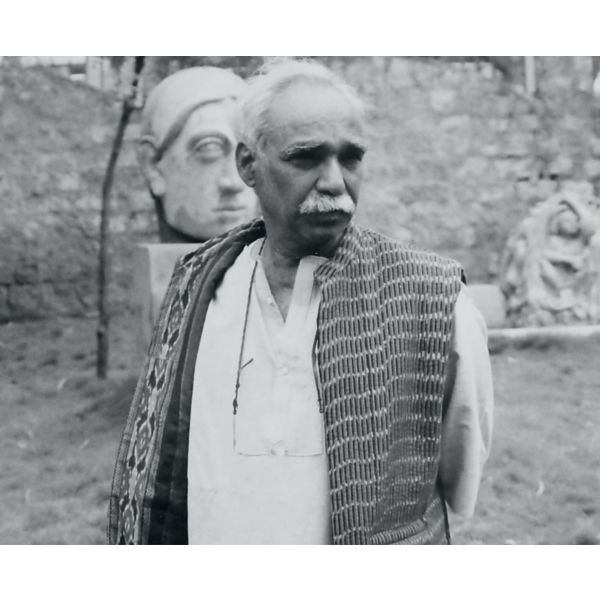 ArtistsThota Vaikuntam$0.00Born in Karimnagar district in undivided Andhra Pradesh, Thota Vaikuntam is known for powerfully-delineated and brightly-coloured portraits of robust men and women of the Telangana region where he grew up. He studied at College of Fine Arts, Hyderabad, from 1965-70, before training under K. G. Subramanyan at M. S. University, Baroda, in 1971-72, on a Lalit Kala Akademi fellowship. Learn More
 -
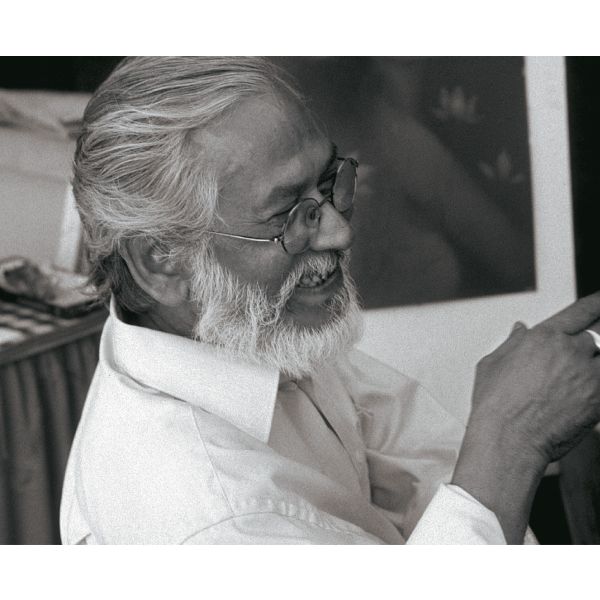 ArtistsSuhas Roy$0.00Born in Dacca (now Dhaka) in present-day Bangladesh, Suhas Roy had a difficult childhood after the early demise of his father. Yet, he pursued his passion for the arts with the support of his mother and studied at Indian College of Arts and Draughtsmanship, Calcutta, where he would eventually return as college principal. Learn More
 -
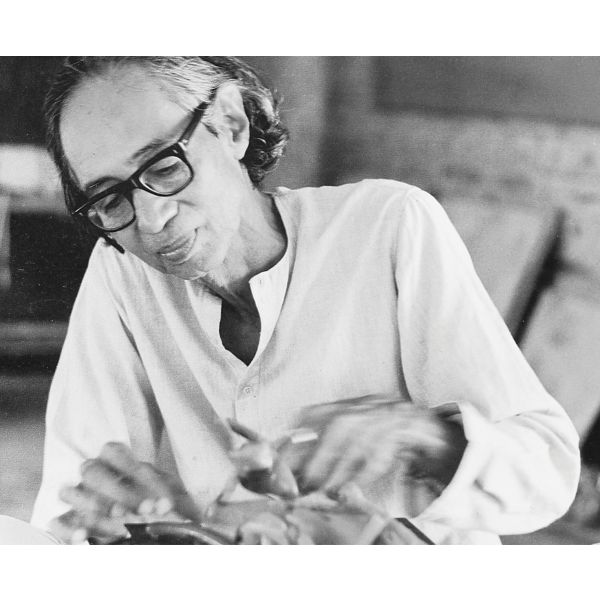 ArtistsSomnath Hore$0.00A multifaceted artist who spent a lifetime exploring human suffering through his sketches, prints and sculptures, Somnath Hore was born in Chittagong in present-day Bangladesh in 1921. Studying briefly at Government School of Art, Calcutta, in the mid-1940s, Hore trained under Zainul Abedin, and, later, under printmaker Saifuddin Ahmed. A participatory practice with fellow artists like Chittaprosad led to his intellectual growth. Learn More
 -
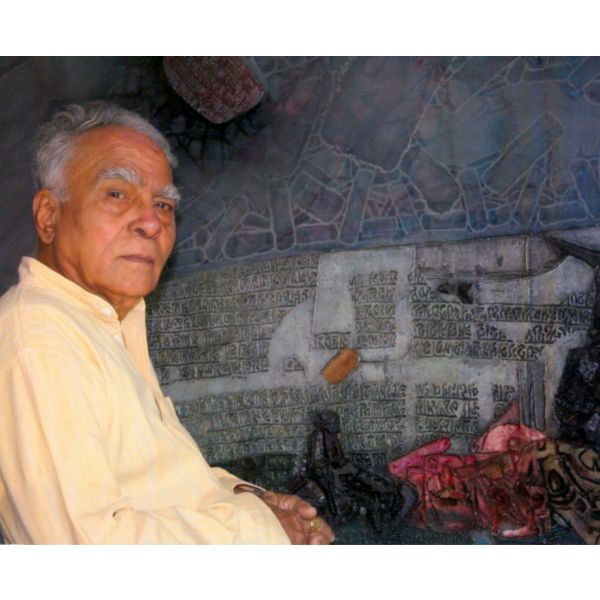 ArtistsShanti Dave$0.00Born in a family of limited means, Shanti Dave grew up in a village called Badpura in north Gujarat. Moving later to Ahmedabad, he earned a living by painting signboards and billboards for films before enrolling at the Faculty of Fine Arts, M. S. University, Baroda, where he studied under eminent artist-teacher N. S. Bendre, completing his graduation (1950-56) and post piploma in Fine Art (1956-58). Learn More
 -
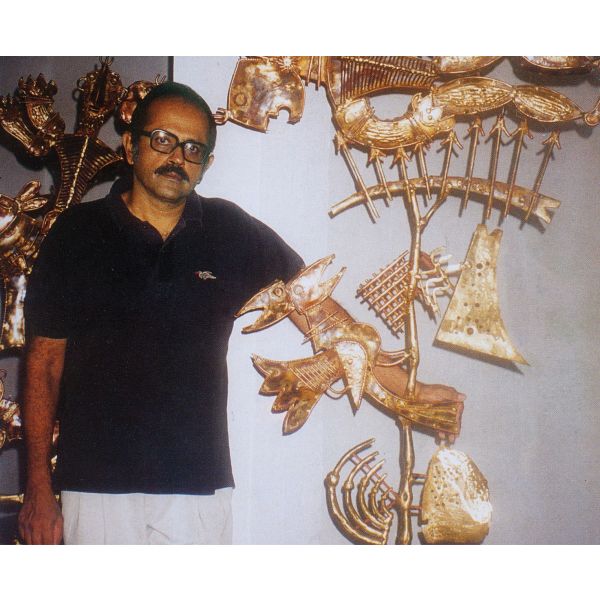 ArtistsS. Nandagopal$0.00Born in Bangalore to the illustrious K. C. S. Paniker, the father of the Madras Art Movement and the visionary behind Cholamandal Artists’ Village, S. Nandagopal’s tryst with art, unsurprisingly, began early on. Just like his father, Nandagopal’s work was a synthesis of tradition and modernity. Learn More