Born in Lothal in Gujarat, one of the most important sites of the Harappan civilisation (3300-1300 BCE), Himmat Shah’s long-term engagement with terracotta traces its roots to the ancient antecedents of his birthplace, seen especially in his sculptural Heads. Learn More
One of the pioneers of surrealism in Indian modern art, Hemanta Misra was born in Sivasagar, Assam, on 13 October 1917. He went to school in his hometown and later studied at Cotton College, Guwahati, and St. Edmund’s, Shillong. As for the arts, he was self-taught, polishing his skills through a correspondence course with British artist John Hassal. Learn More
Born Gulam Rasool Dar in a Shia Muslim family in Srinagar in Kashmir on 20 June 1929, the artist took on his wife’s Hindu name ‘Santosh’ as his own, in a move opposing patriarchy and religion. His father’s death forced a young Gulam to work as a signboard painter, papier-mâché artist, and weaver. He learnt to paint watercolour landscapes from Dina Nath Raina in Kashmir before studying under N. S. Bendre at M. S. University, Baroda, on the recommendation of S. H. Raza. In Baroda, he produced a large body of figurative and landscape works, mainly in the cubist style. Learn More
Born in Sindgi, Karnataka, Iranna G. Rukumpur, popularly known as G. R. Iranna, grew up on his father’s farm, worked in the fields, and studied in Sarang Math (a traditional village school or an ashram) where he discovered his early interest in drawing and painting. As a child, freshly laid-out roads were Iranna’s earliest canvases on which he drew images of Hanuman, the monkey-god, with chalk. Learn More
Eric Bowen was born in Allahabad on 3 May 1929 and received a diploma from the College of Art, New Delhi, in 1959. Though he joined the short-lived Group 1890, his journey to be a part of the significant art movements in the 1960s took root when he and Paramjit Singh started the Group Unknown, a Delhi-based collective of young artists and sculptors. Learn More
Exemplifying the art of the now-forgotten Bombay School, which was based on realism, or naturalism, as taught by the British, D. C. Joglekar was one of the finest artists who captured India’s panoramic landscapes along with her glorious architectural wonders, including temples, monuments, and archaeological sites. Learn More
Co-founder of the Kochi-Muziris Biennale, Bose Krishnamachari was born in Magattukara village, Kerala, and came into prominence in the 1990s, after graduating from Sir J. J. School of Art, Mumbai, at a time when India was experiencing economic liberalisation. Learn More
Born in Nagpur, B. Prabha became an artist at a time when not many Indian women practiced it as a profession. She studied at the Nagpur School of Art and obtained a diploma from Sir J. J. School of Art, Bombay, in 1955. Learn More
Born in a well-to-do business family in Peshawar in present-day Pakistan, B. N. Arya showed an inclination towards the arts since childhood. Learn More
Born in Simla on 28 August 1931, Avinash Chandra studied painting at Delhi Polytechnic, where he also taught for a few years. His students included Paramjit Singh and Arpita Singh, who would go on to make a name for themselves in later years. Learn More
Recognised for her contributions to the growth of printmaking in India, Anupam Sud is considered one of the most significant artists of India. Her works depict strong anatomical beings that can be traced back to her father’s love for bodybuilding. She attributes her influences to theatre, classical music, and detective stories, and artistic growth to renowned artist Somnath Hore, with whom she formed a close association. Learn More



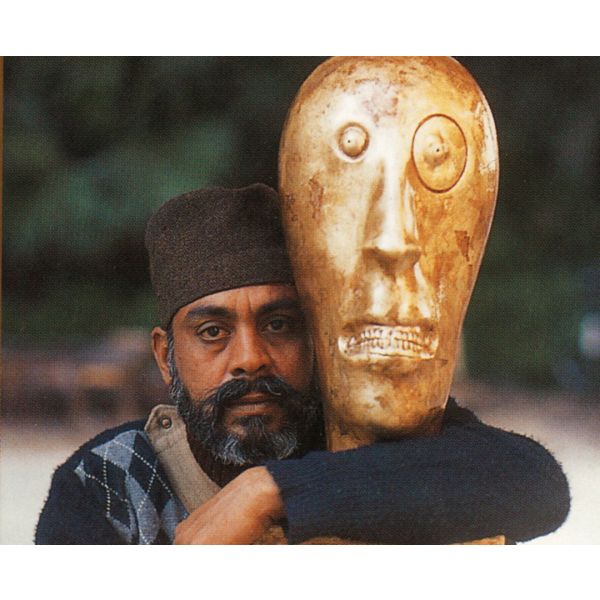 ArtistsHimmat Shah$0.00Born in Lothal in Gujarat, one of the most important sites of the Harappan civilisation (3300-1300 BCE), Himmat Shah’s long-term engagement with terracotta traces its roots to the ancient antecedents of his birthplace, seen especially in his sculptural Heads. Learn More
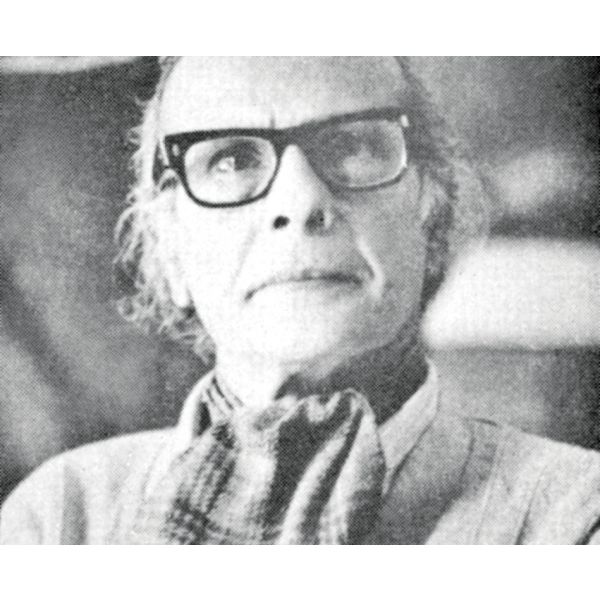 ArtistsHemanta Misra$0.00One of the pioneers of surrealism in Indian modern art, Hemanta Misra was born in Sivasagar, Assam, on 13 October 1917. He went to school in his hometown and later studied at Cotton College, Guwahati, and St. Edmund’s, Shillong. As for the arts, he was self-taught, polishing his skills through a correspondence course with British artist John Hassal. Learn More
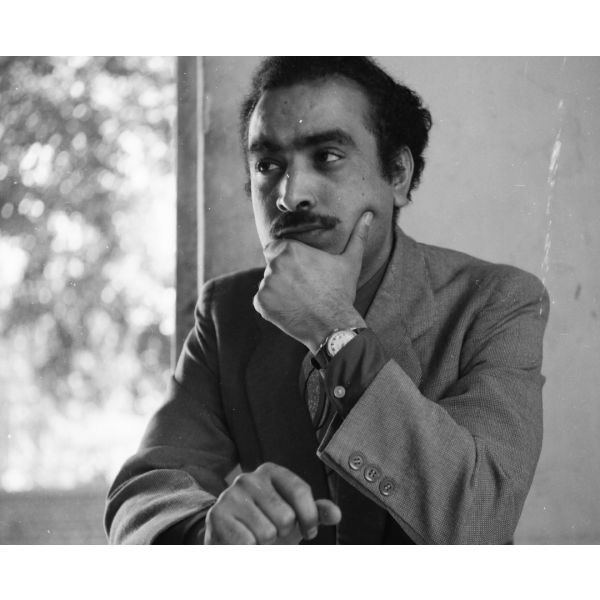 ArtistsG. R. Santosh$0.00Born Gulam Rasool Dar in a Shia Muslim family in Srinagar in Kashmir on 20 June 1929, the artist took on his wife’s Hindu name ‘Santosh’ as his own, in a move opposing patriarchy and religion. His father’s death forced a young Gulam to work as a signboard painter, papier-mâché artist, and weaver. He learnt to paint watercolour landscapes from Dina Nath Raina in Kashmir before studying under N. S. Bendre at M. S. University, Baroda, on the recommendation of S. H. Raza. In Baroda, he produced a large body of figurative and landscape works, mainly in the cubist style. Learn More
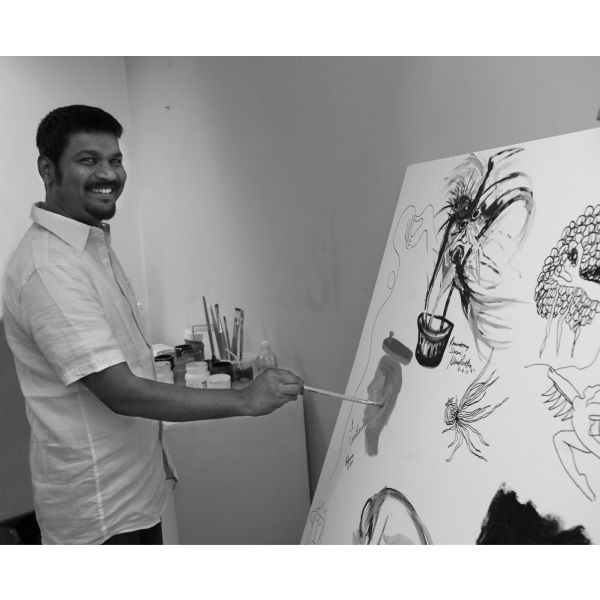 ArtistsG. R. Iranna$0.00Born in Sindgi, Karnataka, Iranna G. Rukumpur, popularly known as G. R. Iranna, grew up on his father’s farm, worked in the fields, and studied in Sarang Math (a traditional village school or an ashram) where he discovered his early interest in drawing and painting. As a child, freshly laid-out roads were Iranna’s earliest canvases on which he drew images of Hanuman, the monkey-god, with chalk. Learn More
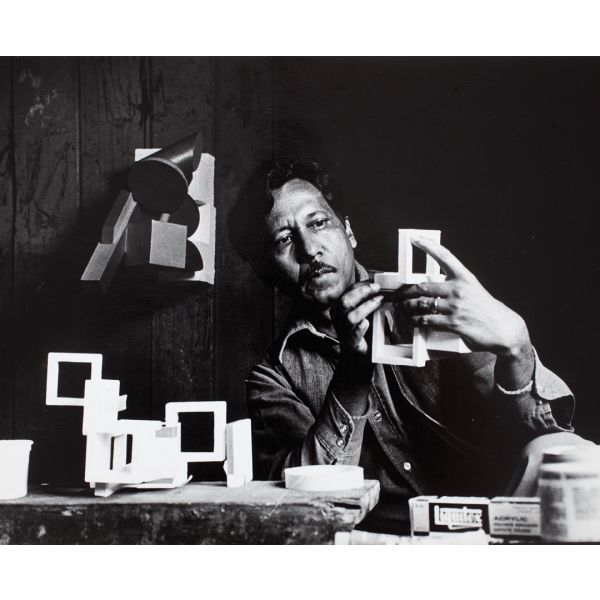 ArtistsEric Bowen$0.00Eric Bowen was born in Allahabad on 3 May 1929 and received a diploma from the College of Art, New Delhi, in 1959. Though he joined the short-lived Group 1890, his journey to be a part of the significant art movements in the 1960s took root when he and Paramjit Singh started the Group Unknown, a Delhi-based collective of young artists and sculptors. Learn More
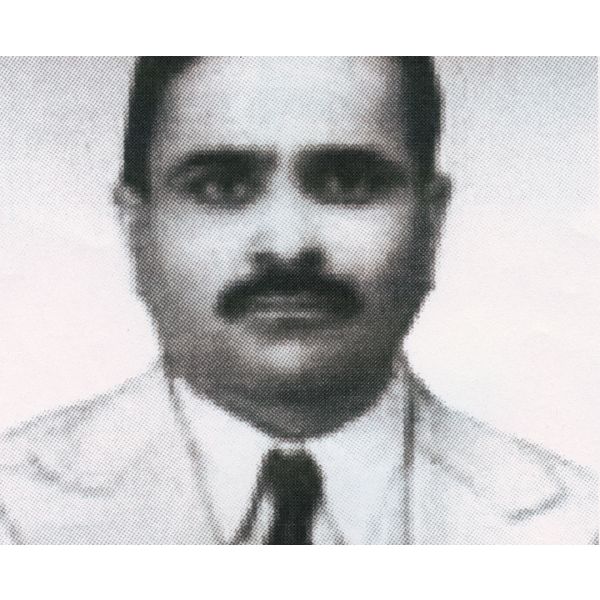 ArtistsD. C. Joglekar$0.00Exemplifying the art of the now-forgotten Bombay School, which was based on realism, or naturalism, as taught by the British, D. C. Joglekar was one of the finest artists who captured India’s panoramic landscapes along with her glorious architectural wonders, including temples, monuments, and archaeological sites. Learn More
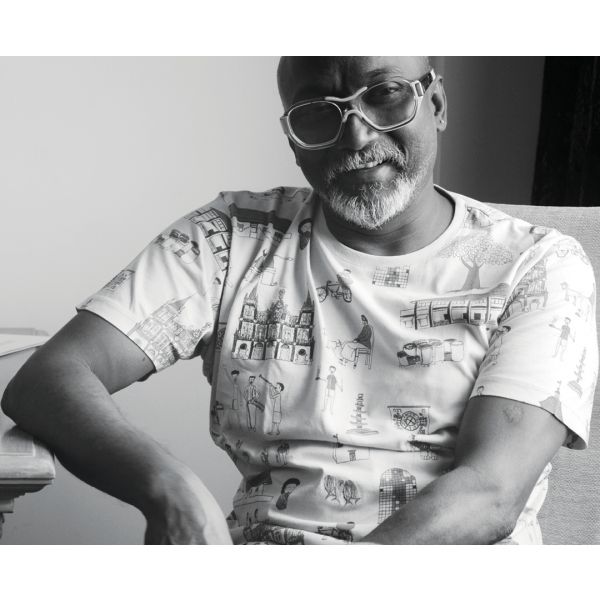 ArtistsBose Krishnamachari$0.00Co-founder of the Kochi-Muziris Biennale, Bose Krishnamachari was born in Magattukara village, Kerala, and came into prominence in the 1990s, after graduating from Sir J. J. School of Art, Mumbai, at a time when India was experiencing economic liberalisation. Learn More
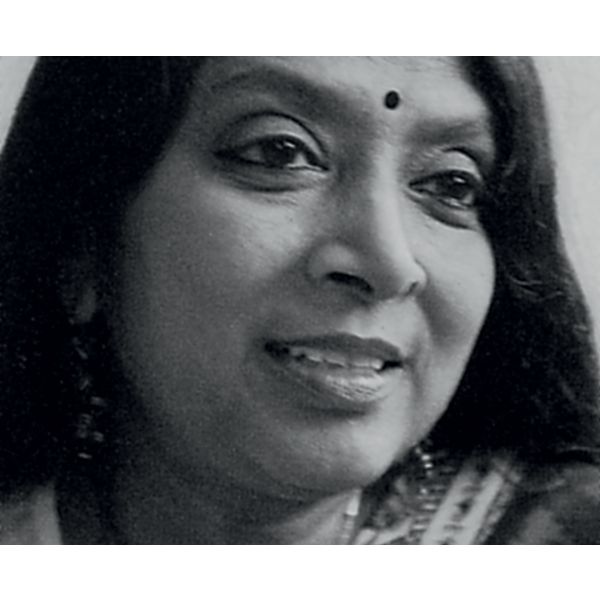 ArtistsB. Prabha$0.00Born in Nagpur, B. Prabha became an artist at a time when not many Indian women practiced it as a profession. She studied at the Nagpur School of Art and obtained a diploma from Sir J. J. School of Art, Bombay, in 1955. Learn More
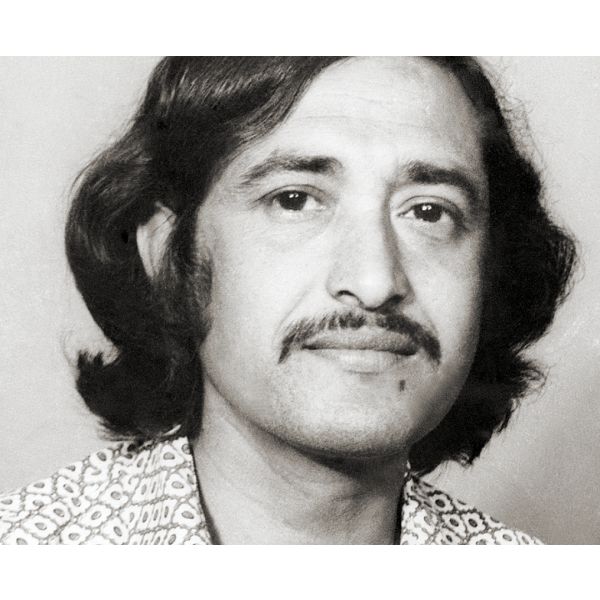 ArtistsB. N. Arya$0.00Born in a well-to-do business family in Peshawar in present-day Pakistan, B. N. Arya showed an inclination towards the arts since childhood. Learn More
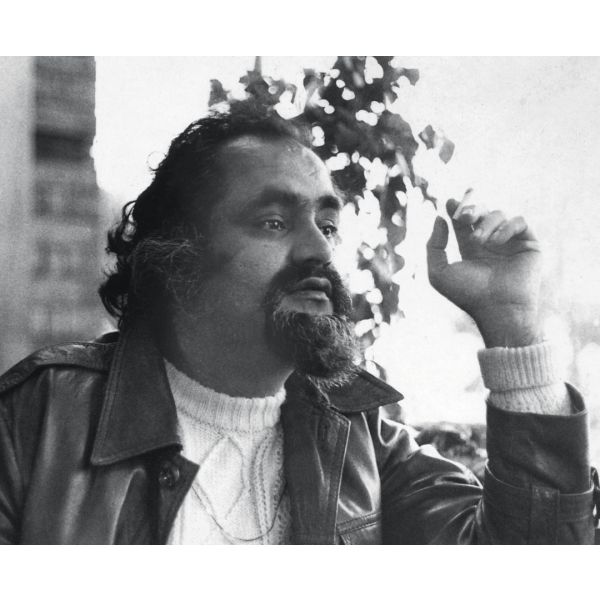 ArtistsAvinash Chandra$0.00Born in Simla on 28 August 1931, Avinash Chandra studied painting at Delhi Polytechnic, where he also taught for a few years. His students included Paramjit Singh and Arpita Singh, who would go on to make a name for themselves in later years. Learn More
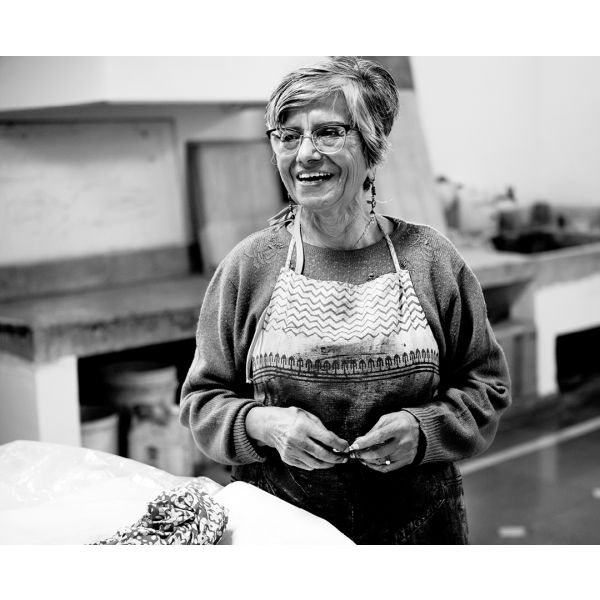 ArtistsAnupam Sud$0.00Recognised for her contributions to the growth of printmaking in India, Anupam Sud is considered one of the most significant artists of India. Her works depict strong anatomical beings that can be traced back to her father’s love for bodybuilding. She attributes her influences to theatre, classical music, and detective stories, and artistic growth to renowned artist Somnath Hore, with whom she formed a close association. Learn More
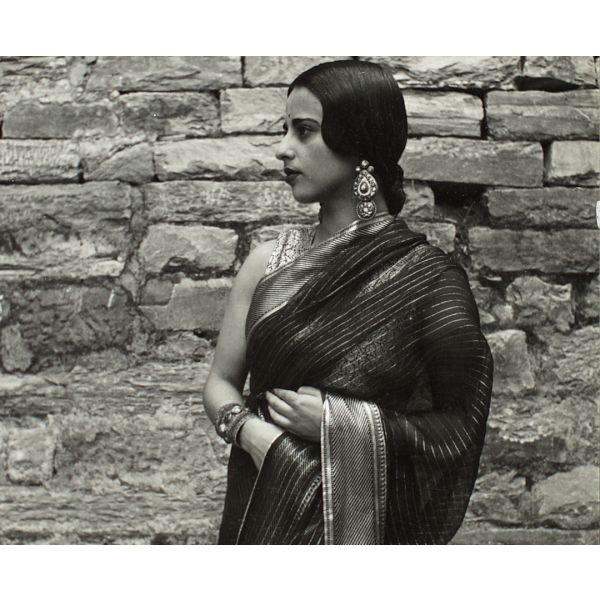 ArtistsAmrita Sher-Gil$0.00Amrita Sher-Gil was born in Budapest on 30 January 1913, to a Sikh aristocrat father and a Hungarian mother, who was an opera singer. Learn More