


Search results for: 'Women of Mumbai by M F P'
-
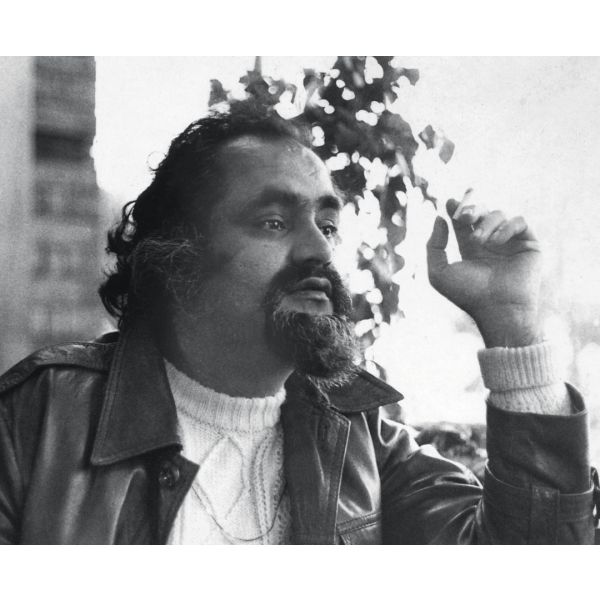 ArtistsAvinash Chandra$0.00Born in Simla on 28 August 1931, Avinash Chandra studied painting at Delhi Polytechnic, where he also taught for a few years. His students included Paramjit Singh and Arpita Singh, who would go on to make a name for themselves in later years. Learn More
 -
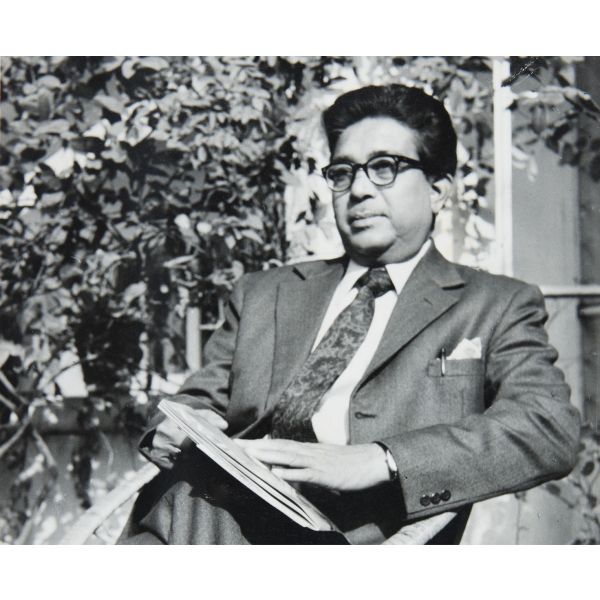 ArtistsArup Das$0.00Born in Bengal, Arup Das remains one of the most formidable muralists and painters of Indian modern art. He graduated from the Government College of Arts and Crafts Calcutta, in the 1940s. Later, in the 1960s, he became a member of All India Fine Arts and Crafts Society, New Delhi. Learn More
 -
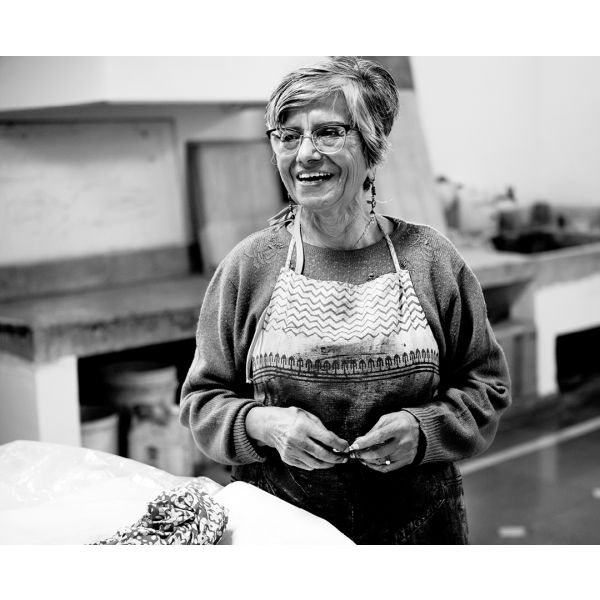 ArtistsAnupam Sud$0.00Recognised for her contributions to the growth of printmaking in India, Anupam Sud is considered one of the most significant artists of India. Her works depict strong anatomical beings that can be traced back to her father’s love for bodybuilding. She attributes her influences to theatre, classical music, and detective stories, and artistic growth to renowned artist Somnath Hore, with whom she formed a close association. Learn More
 -
 ArtistsAmalnath Chakladhar$0.00Born in present-day Bangladesh, Amalnath Chakladhar belongs to that category of Bengali modernists who carved an identity uniquely their own, despite the overarching influence of the three prominent strains of modern art in Bengal in the first half of the twentieth century—the Bengal School, academic training in art schools of Calcutta, and expressionism in Santiniketan. His contribution to furthering modernism in India, therefore, assumes importance for being a seminal, individual effort. Learn More
 -
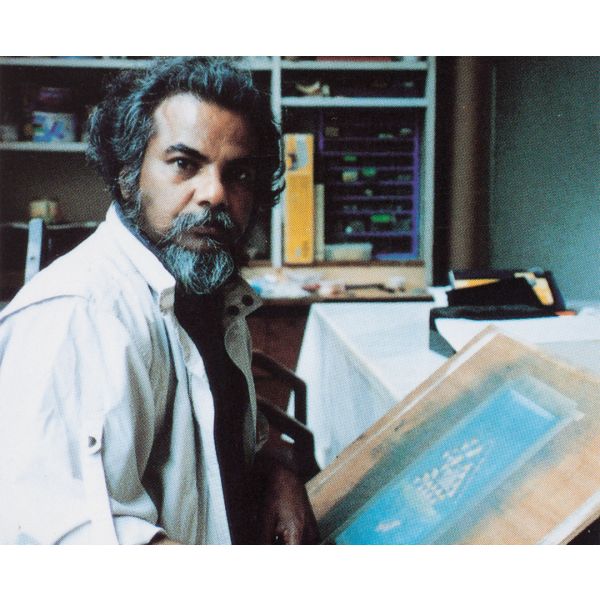 ArtistsAkkitham Narayanan$0.00Akkitham Narayanan was born in Kerala to a family involved in conducting Vedic rituals. He obtained a diploma in painting from the Government College of Art and Craft, Madras, in 1961, where he studied under noted painter K. C. S. Panicker, who also helped him shape his art philosophy. Learn More
 -
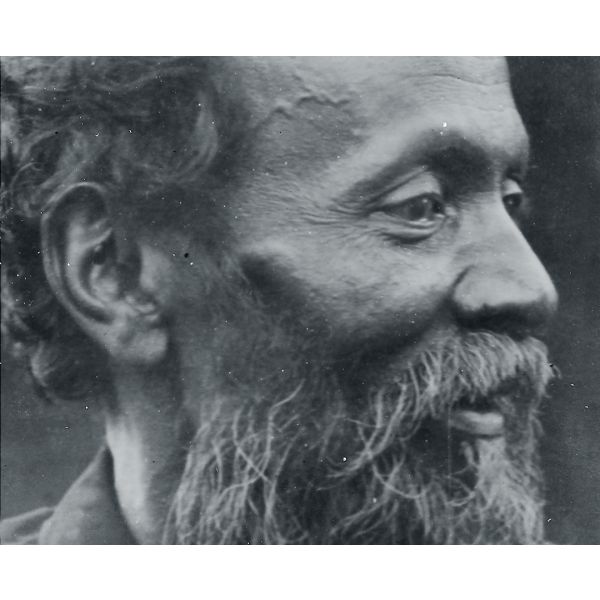 ArtistsAbalal Rahiman$0.00Abalal Rahiman was born in Kolhapur, Maharashtra, as Abdul Aziz in a family traditionally involved in making artistic manuscripts of the Quran, and is best remembered for his academic-realist landscapes and portraits. Learn More
 -
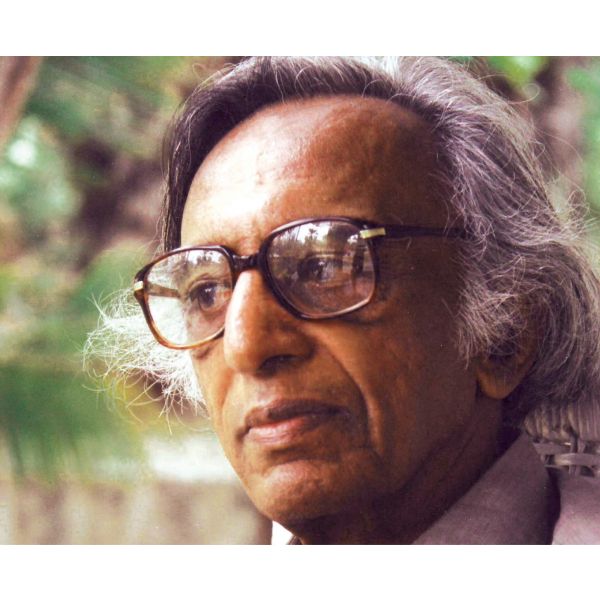 ArtistsTyeb Mehta$0.00It is ironical that works by Tyeb Mehta, who did not attach much merit to the financial value of art, were the first by a living Indian artist to sell for more than Rs 1 crore, and, soon, for more than a million dollars, indicating a beginning of interest in Indian art in the international market. His works Celebration, Kali and Mahishasura marked the beginning of the boom in the Indian art market at the start of this century. Learn More
 -
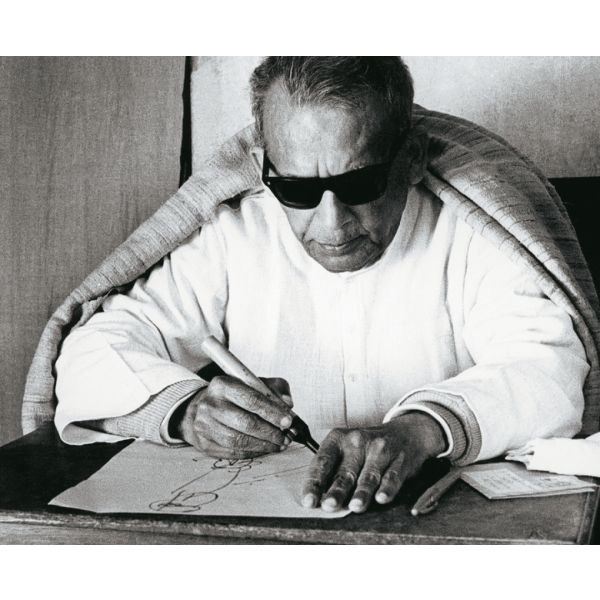 ArtistsBenode Behari Mukherjee$0.00Born on 7 February 1904, in Behala, Bengal, Benode Behari Mukherjee joined Santiniketan in 1917, and Kala Bhavana in 1919, where he was one of the first students of Nandalal Bose. A congenitally impaired vision that denied him normal schooling and resulted in a lonely childhood, brought him close to nature and had a deep impact on his art. Learn More
 -
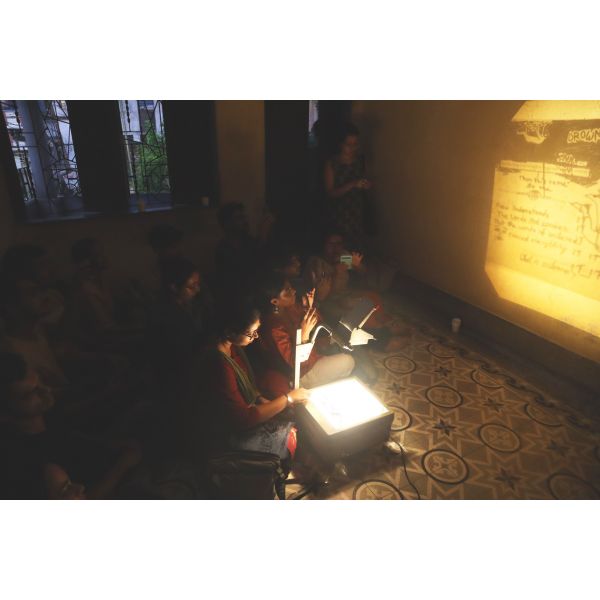 Events and ProgrammesAssemblage: Horizons$1.00
A visit to the chilekotha studio of contemporary artist Ushnish Mukhopadhyay to witness his experiments with assemblage through fragmented images and disassociated objects.
Learn More -
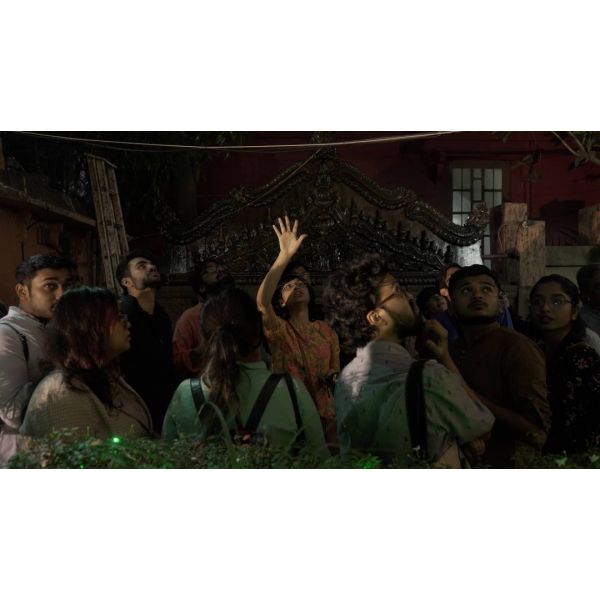 Events and ProgrammesLiving with Science$1.00
A walk by researcher Namrata Ghosh on the history of the house museum at Acharya Bhavan and the Bose Institute, focusing on J.C. Bose’s unique collection of iconic Bengal art.
Learn More -
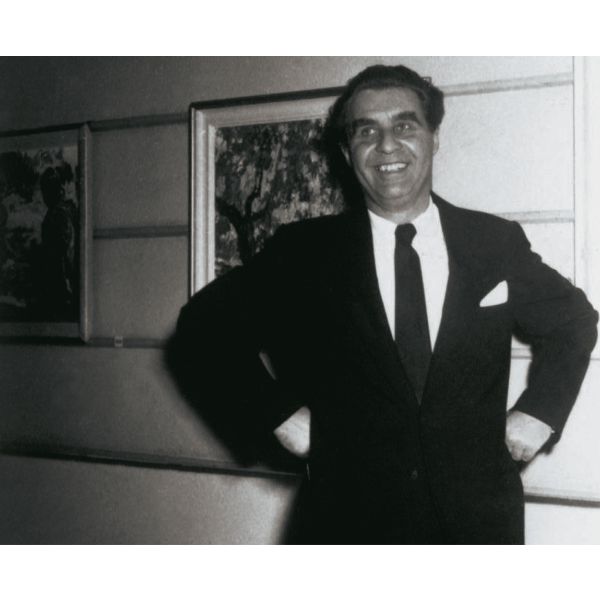 ArtistsWalter Langhammer$0.00Born in Graz, Austria, Walter Langhammer came to India in the 1930s with his wife Käthe Urbäch, escaping Nazi Germany like other refugees. Some media reports suggest that British authorities had arrested the couple on their arrival in India till a friend, noted art critic Rudolf von Leyden, came to their rescue. Learn More
 -
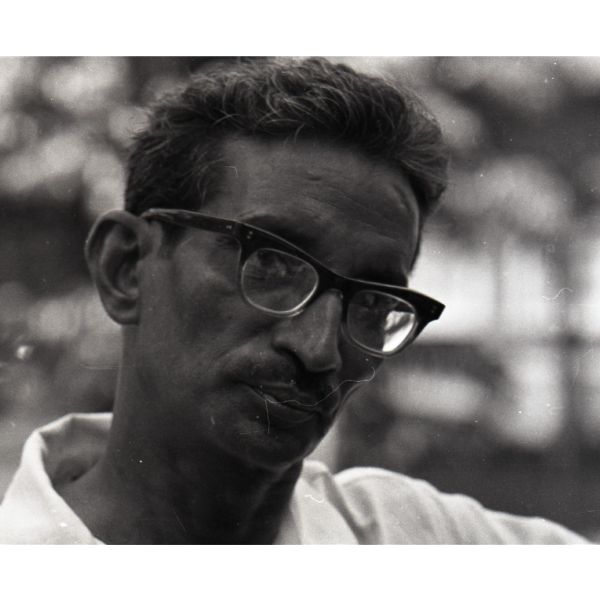 ArtistsSankho Chaudhuri$0.00One of India’s foremost sculptors, Sankho Chaudhuri’s work is an important key in the evolution of modern, abstract sculpture in the country, breaking away from traditional figuration and mid-Victorian academic naturalism. Learn More