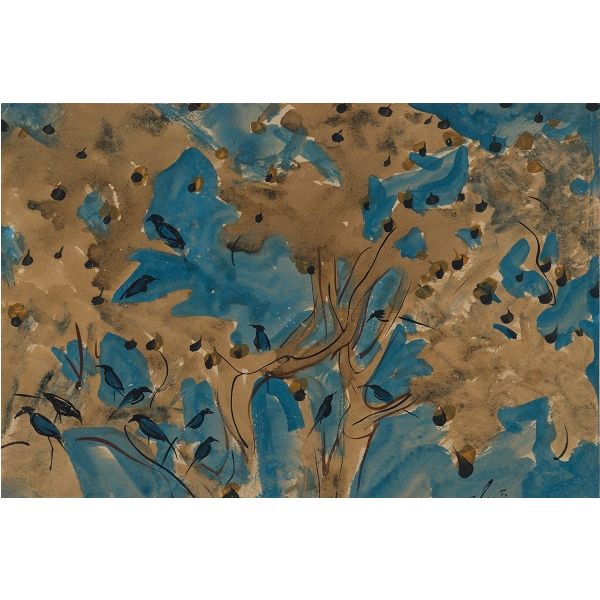
A notable artist of the rebel Jubilee Art School that trained students in the British academic style, breaking away from Abanindranath Tagore’s Orientalist emphasis, Hemendranath Mazumdar enjoyed great artistic success for his academic paintings of sensuous women and portraits of maharajas done in European realist style. Learn More
Born in a middle-class Bengali family on 21 June 1940, Bikash Bhattacharjee gathered his visual and intellectual ideals from the politically charged atmosphere of Calcutta during his growing up years. Learn More
Born in Nagpur, B. Prabha became an artist at a time when not many Indian women practiced it as a profession. She studied at the Nagpur School of Art and obtained a diploma from Sir J. J. School of Art, Bombay, in 1955. Learn More
Born in Simla on 28 August 1931, Avinash Chandra studied painting at Delhi Polytechnic, where he also taught for a few years. His students included Paramjit Singh and Arpita Singh, who would go on to make a name for themselves in later years. Learn More
Born in present-day Bangladesh, Amalnath Chakladhar belongs to that category of Bengali modernists who carved an identity uniquely their own, despite the overarching influence of the three prominent strains of modern art in Bengal in the first half of the twentieth century—the Bengal School, academic training in art schools of Calcutta, and expressionism in Santiniketan. His contribution to furthering modernism in India, therefore, assumes importance for being a seminal, individual effort. Learn More
Akkitham Narayanan was born in Kerala to a family involved in conducting Vedic rituals. He obtained a diploma in painting from the Government College of Art and Craft, Madras, in 1961, where he studied under noted painter K. C. S. Panicker, who also helped him shape his art philosophy. Learn More
Abdulrahim Appabhai Almelkar was born on 10 October 1920 in Solapur, Maharashtra. He graduated from Sir J. J. School of Art, Bombay, in 1948, and during his student years, won many prizes for his works. Learn More



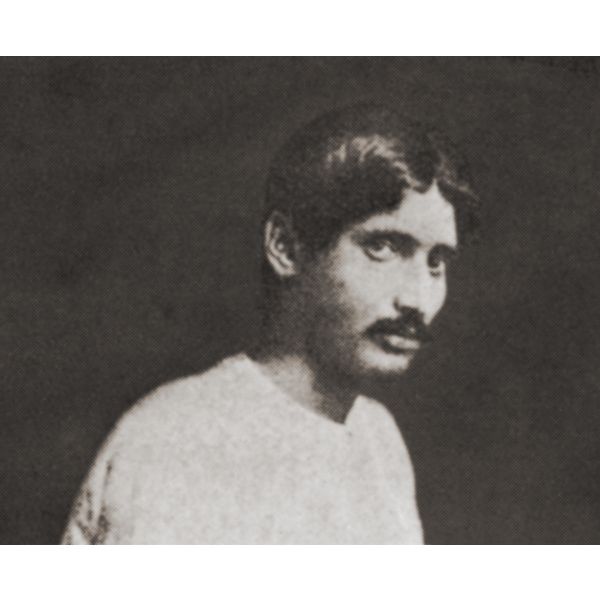 ArtistsHemen Mazumdar$0.00A notable artist of the rebel Jubilee Art School that trained students in the British academic style, breaking away from Abanindranath Tagore’s Orientalist emphasis, Hemendranath Mazumdar enjoyed great artistic success for his academic paintings of sensuous women and portraits of maharajas done in European realist style. Learn More
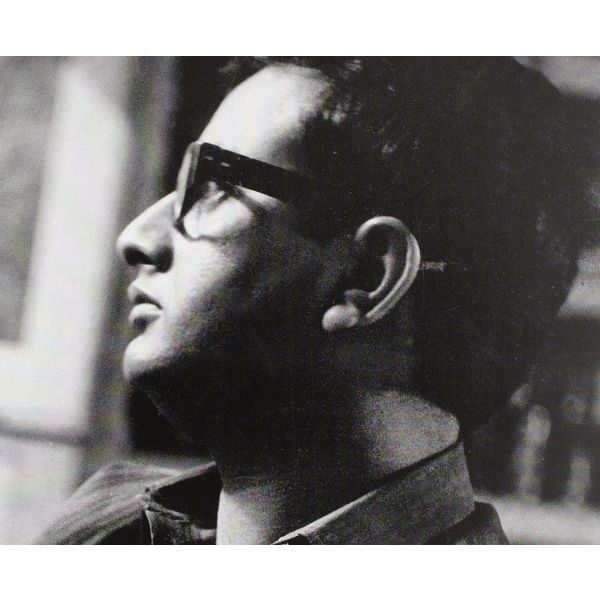 ArtistsBikash Bhattacharjee$0.00Born in a middle-class Bengali family on 21 June 1940, Bikash Bhattacharjee gathered his visual and intellectual ideals from the politically charged atmosphere of Calcutta during his growing up years. Learn More
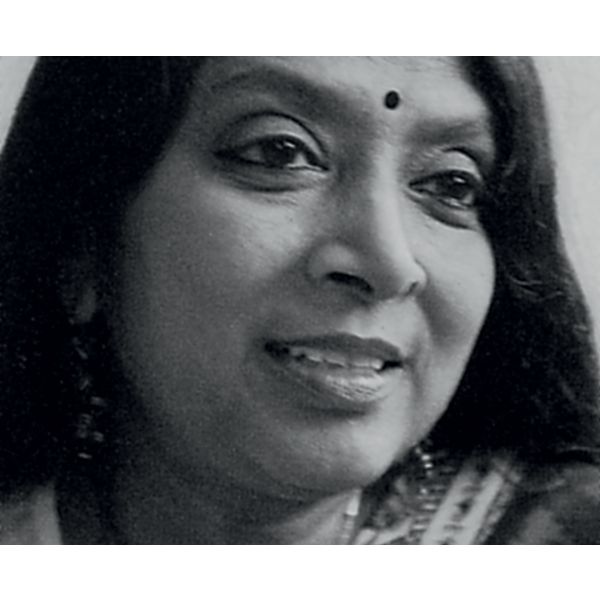 ArtistsB. Prabha$0.00Born in Nagpur, B. Prabha became an artist at a time when not many Indian women practiced it as a profession. She studied at the Nagpur School of Art and obtained a diploma from Sir J. J. School of Art, Bombay, in 1955. Learn More
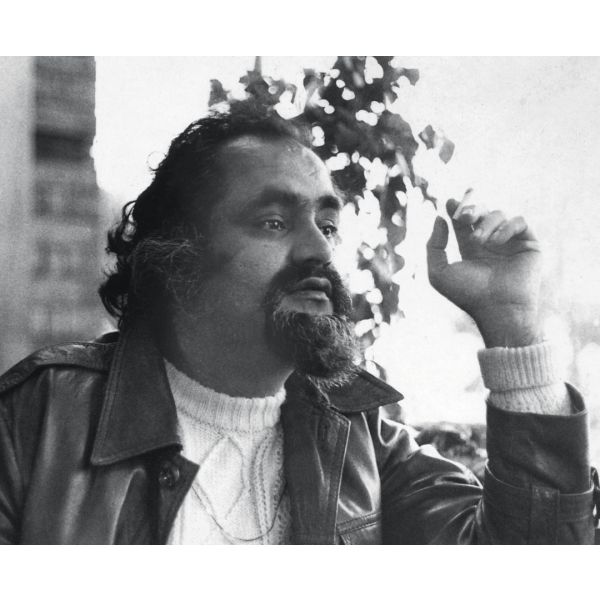 ArtistsAvinash Chandra$0.00Born in Simla on 28 August 1931, Avinash Chandra studied painting at Delhi Polytechnic, where he also taught for a few years. His students included Paramjit Singh and Arpita Singh, who would go on to make a name for themselves in later years. Learn More
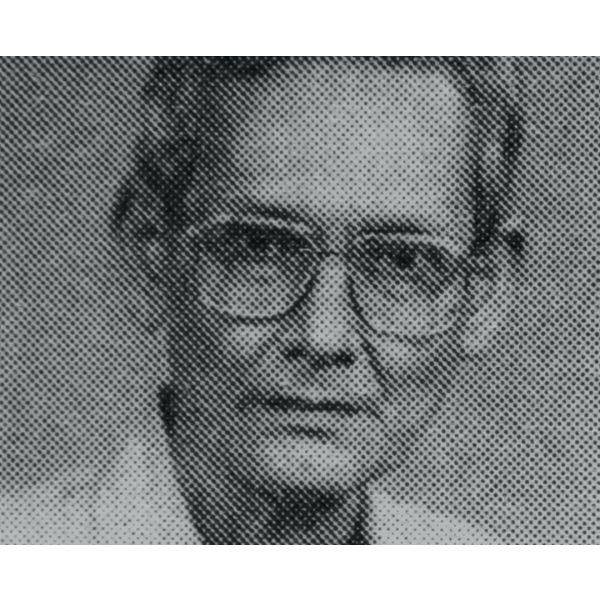 ArtistsAmalnath Chakladhar$0.00Born in present-day Bangladesh, Amalnath Chakladhar belongs to that category of Bengali modernists who carved an identity uniquely their own, despite the overarching influence of the three prominent strains of modern art in Bengal in the first half of the twentieth century—the Bengal School, academic training in art schools of Calcutta, and expressionism in Santiniketan. His contribution to furthering modernism in India, therefore, assumes importance for being a seminal, individual effort. Learn More
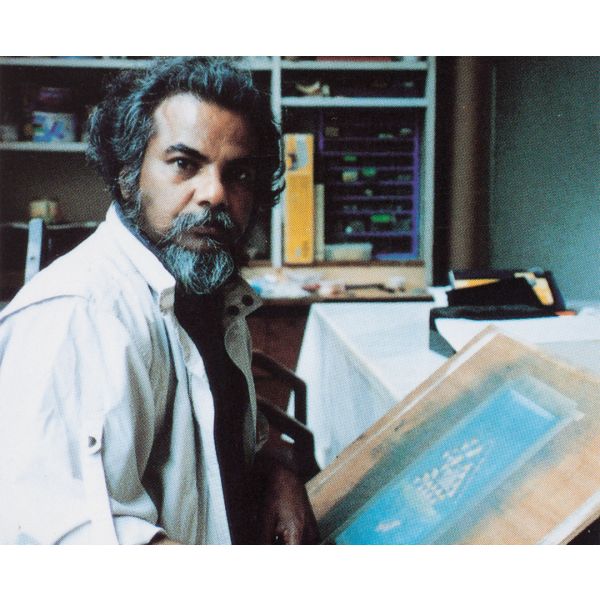 ArtistsAkkitham Narayanan$0.00Akkitham Narayanan was born in Kerala to a family involved in conducting Vedic rituals. He obtained a diploma in painting from the Government College of Art and Craft, Madras, in 1961, where he studied under noted painter K. C. S. Panicker, who also helped him shape his art philosophy. Learn More
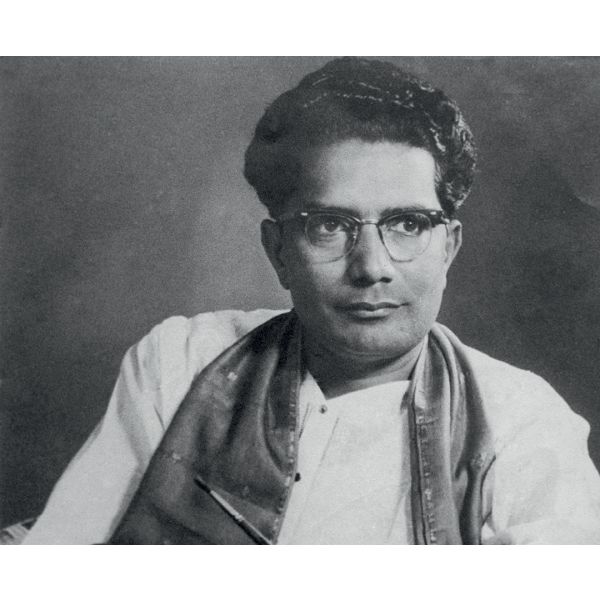 ArtistsA. A. Almelkar$0.00Abdulrahim Appabhai Almelkar was born on 10 October 1920 in Solapur, Maharashtra. He graduated from Sir J. J. School of Art, Bombay, in 1948, and during his student years, won many prizes for his works. Learn More