Born in Patiala, Punjab, in 1953, Ranbir Kaleka earned a diploma in painting from Punjab University’s College of Art in Chandigarh. He spent the next few years teaching at Punjab University and College of Art, New Delhi, before leaving for London on a Charles Wallace scholarship to study at Royal College of Art from 1985-87. He stayed on in London for several years and returned to India in the late 1990s. Learn More
Born in 1902 in Tripura, Ramendranath Chakravorty went to the Government College of Art in Calcutta in 1919 but left it in 1921 to join the newly founded Kala Bhavana at Visva-Bharati University, Santiniketan. Soon after graduation, he began his teaching career, first at Kalashala at Andhra National Art Gallery in Machilipatnam, and then at Kala Bhavana. He then joined Government School of Art, Calcutta, as a teacher in 1929, when Mukul Dey, the pioneer of dry point etching in India, was its principal. In 1943-46, Chakravorty was the school’s officiating principal when he set up its graphics department. Eventually, he became the school principal in 1949. Learn More
The son of a mechanical draughtsman, Mondal took to drawing and painting at the age of twelve when he injured his knee and was confined to bed. The Bengal famine of 1943 and the Calcutta communal riots of 1946 deeply impacted his psyche; he joined the Communist Party and became an activist. Mondal’s final refuge was art as the ultimate weapon of protest. Learn More
Born in Madras, R. B. Bhaskaran is best known for his series on cats, and on couples, as also for his rejection of the ‘restrictive’ need to establish an Indian cultural identity through his works, which he feels is ‘an instinctive by-product of one’s work’. Learn More
The search for abstraction in Indian art in the early years of Independence was born out of a desire among artists to attain an independent idiom of modernism. Rooted in the country’s philosophical and religious aesthetic, Prabhakar Kolte is among the leading practitioners engaged in this quest. A master of poetic and metaphysical abstractionism, Kolte received a diploma in painting from Sir J. J. School of Art, Bombay, in 1968. Initially, he freelanced as an illustrator, also working as a designer at Bombay Dyeing. Learn More
Well-known for his silkscreen prints, Paramjeet Singh was born and brought up in Jamshedpur in present-day Jharkhand where career prospects appeared limited to engineering or medicine. His parents hoped he would study architecture, but destiny had other plans as a friend took Singh to a local art class, which spurred his interest in drawing and painting. Learn More
Born in Calcutta, Nikhil Biswas was an indefatigable art activist and a firm believer in collective action. A founder member of Calcutta Painters Group, Chitrangshu Group, and Society of Contemporary Artists, Calcutta, Biswas was committed to bringing about technical innovations as well as transformations in contemporary artistic thought. Learn More
Globally renowned filmmaker Satyajit Ray called his photographer Nemai Ghosh ‘Boswell with a camera, instead of a pen’. Just like James Boswell’s biography of English writer Samuel Johnson is considered the finest in the language, Ghosh’s photo-biography of his mentor is one of the finest photo essays on a legend’s life; Ghosh was Ray’s photographer from 1968 until Ray’s death in 1992. Learn More
Born in Meerut, Navjot Altaf studied fine and applied arts at Sir J. J. School of Art, Bombay, from 1967-72. A painter, sculptor, installation artist, and filmmaker inspired by Marxist ideologies, Navjot has consciously questioned various frameworks of social norms and created art to bring focus to the plight of the depressed classes. Learn More
Born in an educator’s family on 7 April 1934 in a small town in Gujarat, Natvar Bhavsar studied to be a drawing teacher and began his career in Chanasma. He then joined the C. N. School in Ahmedabad for its five-year diploma course in art offered by Sir J. J. School of Art; simultaneously, he continued to study for his master’s in teaching art. Learn More
Born in Gujarat to a family of farmers, Nagji Patel grew up making clay toys as part of playing with village children. He joined the painting course at Faculty of Fine Arts, M. S. University, Baroda, but eventually switched to sculpture, which he found less daunting than painting. He obtained an M.F.A. in sculpture in 1964 and in the same year won a travelling scholarship from the Government of India, which allowed him to visit quarries across the country and interact with stone carvers. Learn More
India’s first creatively trained printmaker and pioneer of dry point etching in the country, Mukul Chandra Dey was born on 23 July 1895 in Sridharkhola, Bengal. He joined Santiniketan’s Brahmacharya Ashram school at the age of eleven and trained in art under the Tagore family stalwarts, becoming a close associate of Abanindranath Tagore. Learn More



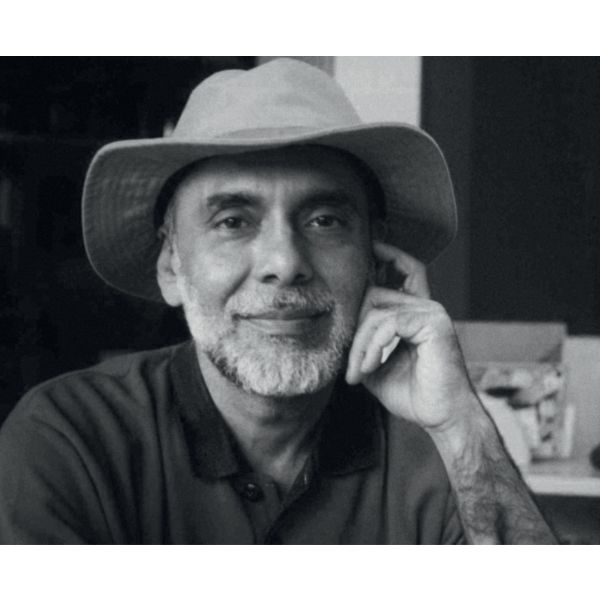 ArtistsRanbir Singh Kaleka$0.00Born in Patiala, Punjab, in 1953, Ranbir Kaleka earned a diploma in painting from Punjab University’s College of Art in Chandigarh. He spent the next few years teaching at Punjab University and College of Art, New Delhi, before leaving for London on a Charles Wallace scholarship to study at Royal College of Art from 1985-87. He stayed on in London for several years and returned to India in the late 1990s. Learn More
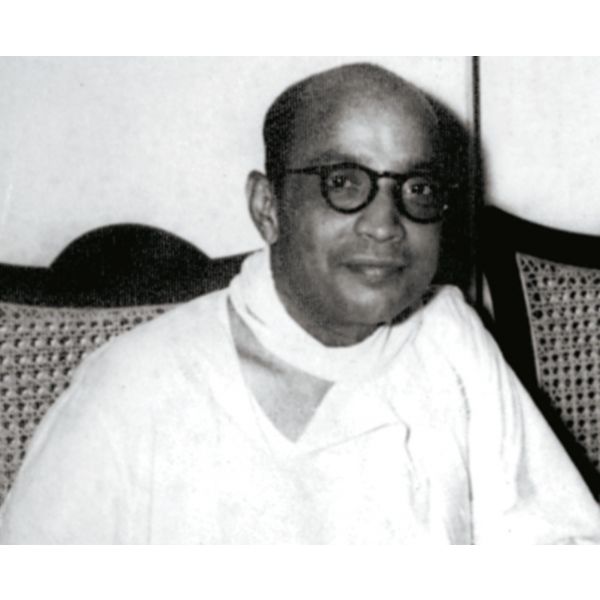 ArtistsRamendranath Chakravorty$0.00Born in 1902 in Tripura, Ramendranath Chakravorty went to the Government College of Art in Calcutta in 1919 but left it in 1921 to join the newly founded Kala Bhavana at Visva-Bharati University, Santiniketan. Soon after graduation, he began his teaching career, first at Kalashala at Andhra National Art Gallery in Machilipatnam, and then at Kala Bhavana. He then joined Government School of Art, Calcutta, as a teacher in 1929, when Mukul Dey, the pioneer of dry point etching in India, was its principal. In 1943-46, Chakravorty was the school’s officiating principal when he set up its graphics department. Eventually, he became the school principal in 1949. Learn More
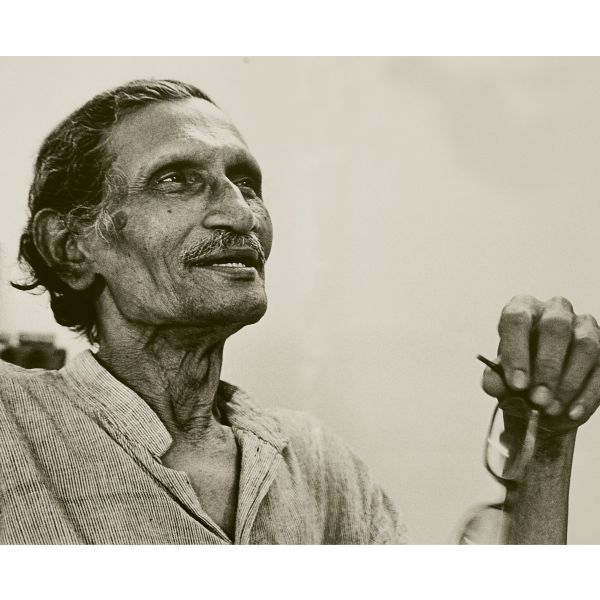 ArtistsRabin Mondal$0.00The son of a mechanical draughtsman, Mondal took to drawing and painting at the age of twelve when he injured his knee and was confined to bed. The Bengal famine of 1943 and the Calcutta communal riots of 1946 deeply impacted his psyche; he joined the Communist Party and became an activist. Mondal’s final refuge was art as the ultimate weapon of protest. Learn More
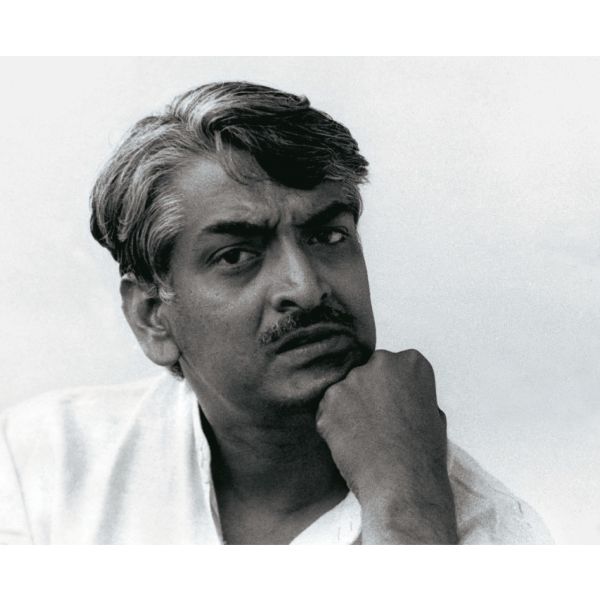 ArtistsR. B. Bhaskaran$0.00Born in Madras, R. B. Bhaskaran is best known for his series on cats, and on couples, as also for his rejection of the ‘restrictive’ need to establish an Indian cultural identity through his works, which he feels is ‘an instinctive by-product of one’s work’. Learn More
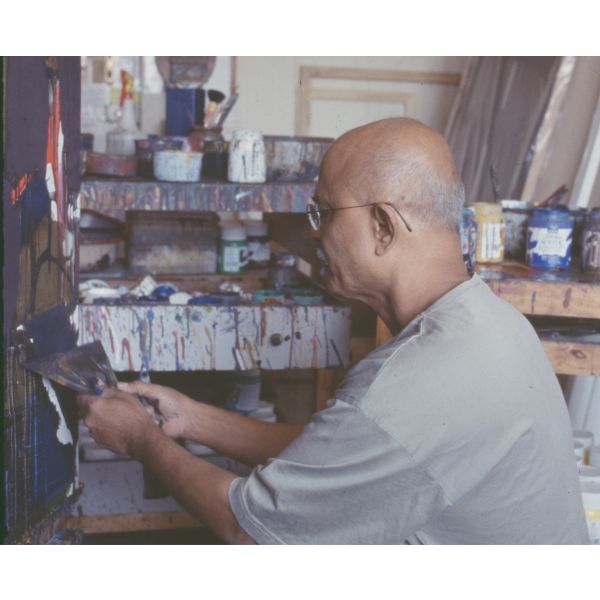 ArtistsPrabhakar Kolte$0.00The search for abstraction in Indian art in the early years of Independence was born out of a desire among artists to attain an independent idiom of modernism. Rooted in the country’s philosophical and religious aesthetic, Prabhakar Kolte is among the leading practitioners engaged in this quest. A master of poetic and metaphysical abstractionism, Kolte received a diploma in painting from Sir J. J. School of Art, Bombay, in 1968. Initially, he freelanced as an illustrator, also working as a designer at Bombay Dyeing. Learn More
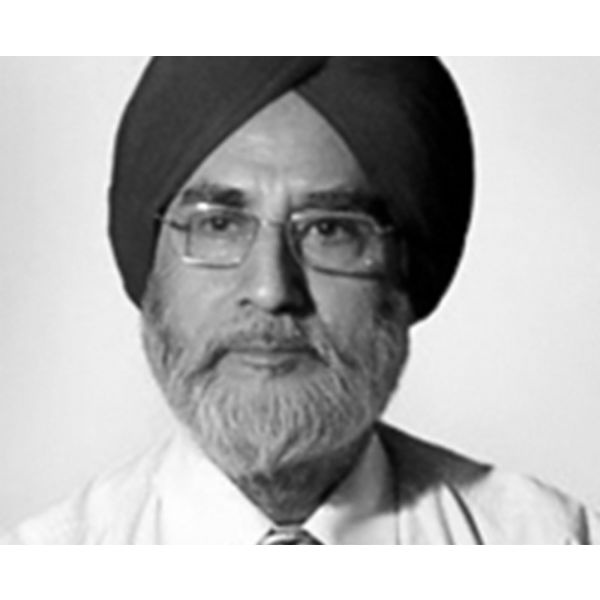 ArtistsParamjeet Singh$0.00Well-known for his silkscreen prints, Paramjeet Singh was born and brought up in Jamshedpur in present-day Jharkhand where career prospects appeared limited to engineering or medicine. His parents hoped he would study architecture, but destiny had other plans as a friend took Singh to a local art class, which spurred his interest in drawing and painting. Learn More
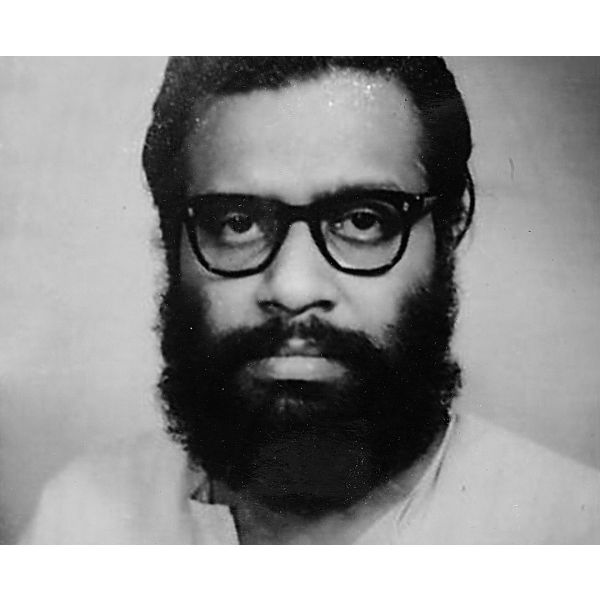 ArtistsNikhil Biswas$0.00Born in Calcutta, Nikhil Biswas was an indefatigable art activist and a firm believer in collective action. A founder member of Calcutta Painters Group, Chitrangshu Group, and Society of Contemporary Artists, Calcutta, Biswas was committed to bringing about technical innovations as well as transformations in contemporary artistic thought. Learn More
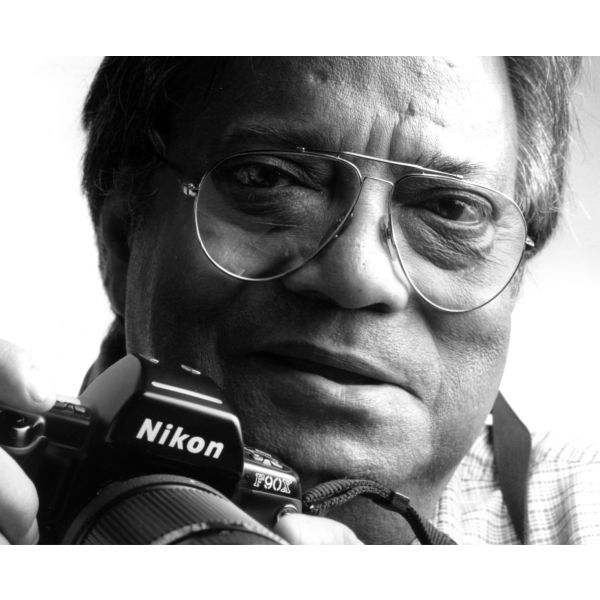 ArtistsNemai Ghosh$0.00Globally renowned filmmaker Satyajit Ray called his photographer Nemai Ghosh ‘Boswell with a camera, instead of a pen’. Just like James Boswell’s biography of English writer Samuel Johnson is considered the finest in the language, Ghosh’s photo-biography of his mentor is one of the finest photo essays on a legend’s life; Ghosh was Ray’s photographer from 1968 until Ray’s death in 1992. Learn More
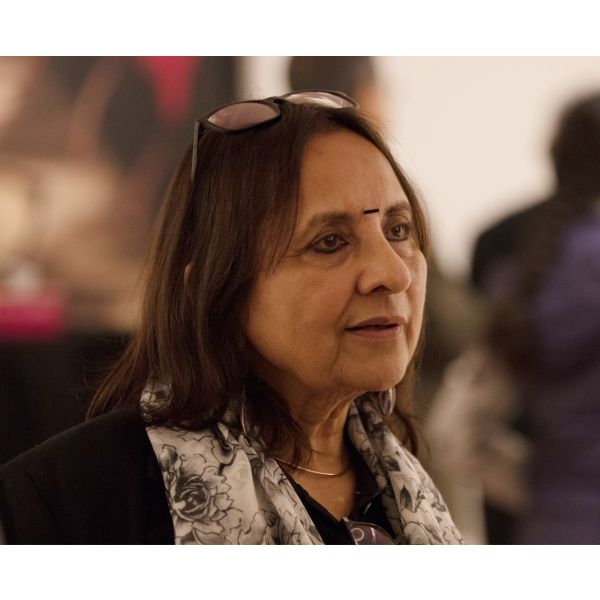 ArtistsNavjot$0.00Born in Meerut, Navjot Altaf studied fine and applied arts at Sir J. J. School of Art, Bombay, from 1967-72. A painter, sculptor, installation artist, and filmmaker inspired by Marxist ideologies, Navjot has consciously questioned various frameworks of social norms and created art to bring focus to the plight of the depressed classes. Learn More
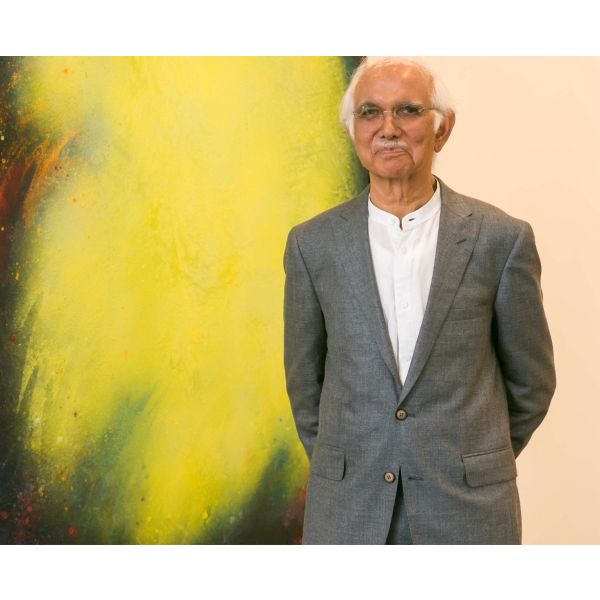 ArtistsNatvar Bhavsar$0.00Born in an educator’s family on 7 April 1934 in a small town in Gujarat, Natvar Bhavsar studied to be a drawing teacher and began his career in Chanasma. He then joined the C. N. School in Ahmedabad for its five-year diploma course in art offered by Sir J. J. School of Art; simultaneously, he continued to study for his master’s in teaching art. Learn More
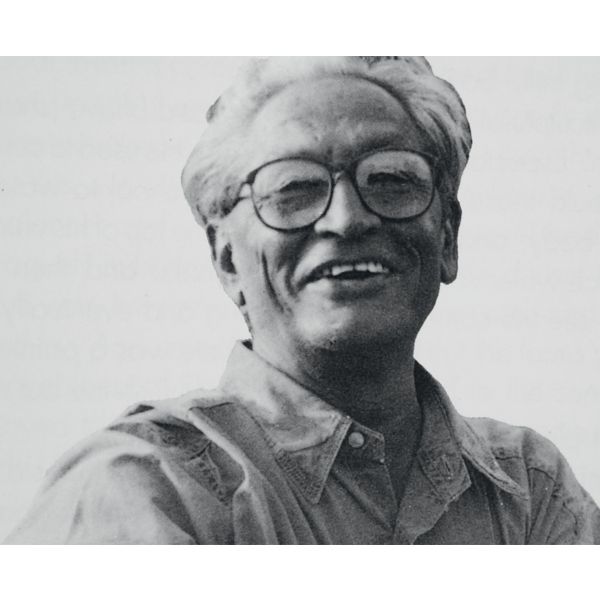 ArtistsNagji Patel$0.00Born in Gujarat to a family of farmers, Nagji Patel grew up making clay toys as part of playing with village children. He joined the painting course at Faculty of Fine Arts, M. S. University, Baroda, but eventually switched to sculpture, which he found less daunting than painting. He obtained an M.F.A. in sculpture in 1964 and in the same year won a travelling scholarship from the Government of India, which allowed him to visit quarries across the country and interact with stone carvers. Learn More
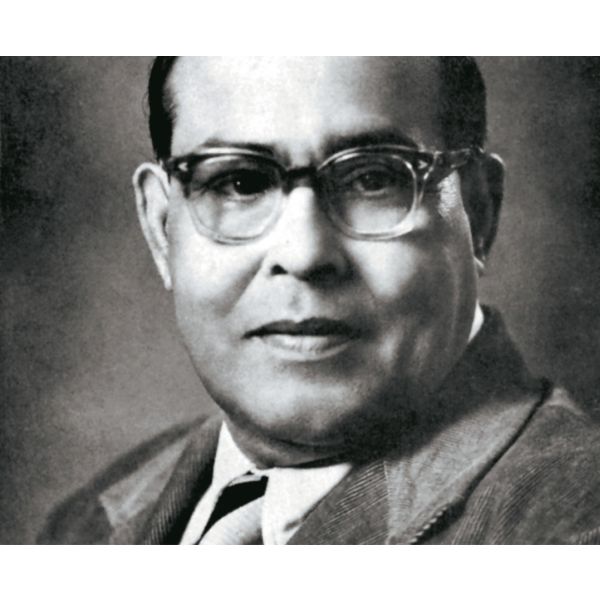 ArtistsMukul Dey$0.00India’s first creatively trained printmaker and pioneer of dry point etching in the country, Mukul Chandra Dey was born on 23 July 1895 in Sridharkhola, Bengal. He joined Santiniketan’s Brahmacharya Ashram school at the age of eleven and trained in art under the Tagore family stalwarts, becoming a close associate of Abanindranath Tagore. Learn More