


Search results for: 'Mỗi cá nhân cần nỗ lực để lại dấu ấn riêng trong cộng đồng'
-
 Events and ProgrammesPebet$1.00
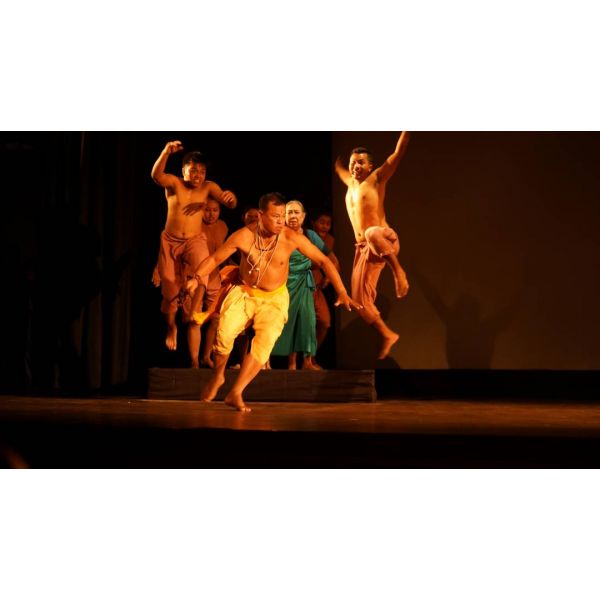
Pebet is a ‘phunga wari’, a type of traditional fireside story told to Manipuri children by their grandparents. Directed by the renowned theatre practitioner Heisnam Kanhailal and performed first in 1975, it subverts the familiar icon of the bird and the cat to comment on political and cultural indoctrination.
Learn More -
 Events and ProgrammesCurious Curatorium$1.00
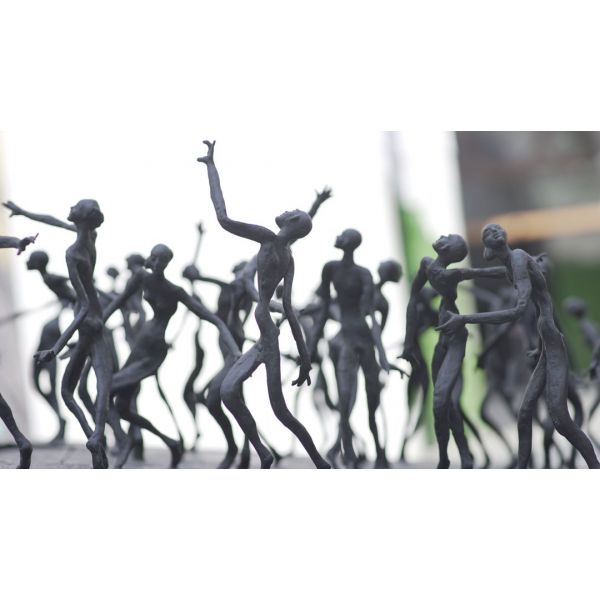
An online opportunity for young researchers and early career professionals, from History, Art History, Cultural Studies and related fields, to develop research projects under the guidance of eminent academicians and scholars.
Learn More -
 Institutional CollaborationsThe Printed Picture: Four Centuries of Indian Print-Making$1.00
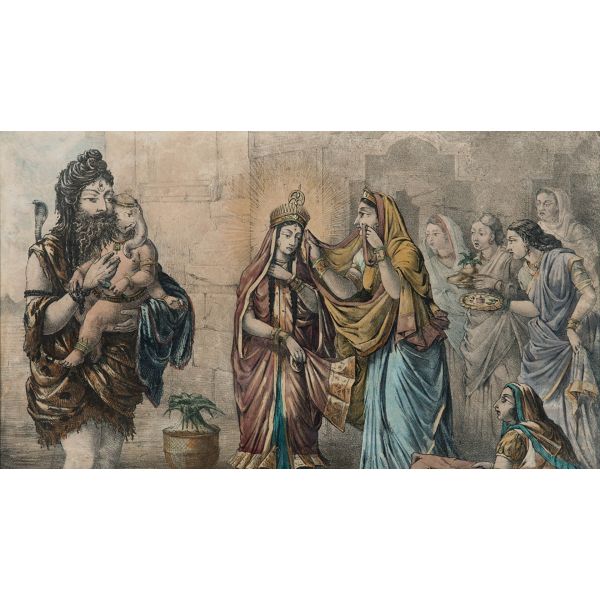
As printing technologies improved around the turn of the 18th century, a large number of cheaply reproduced printed pictures—illustrated books, almanacs and mythological images—became available to the common people. This became an important vehicle of social change because people could own, produce and disseminate images of all kinds—from their beloved deities and favourite fictional characters to political cartoons critiquing colonial authorities. Printmaking was equally treasured by artists for its aesthetic potential, as techniques like lithography, etching, metal engraving, viscosity, gave practitioners infinite opportunities for creative exploration. This landmark exhibition gives us a comprehensive overview of the history of the printed picture in India.
Learn More -
 Art FairsMasterpiece$0.00
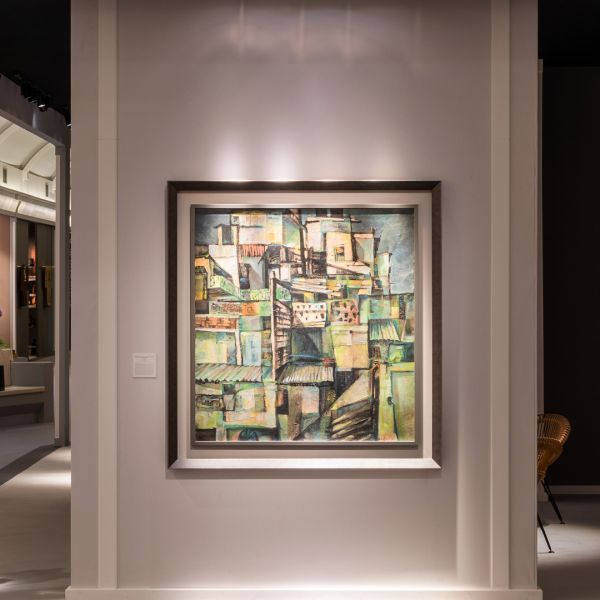
For its fourth consecutive outing at Masterpiece London, DAG continued with the tradition of showing artists who had grown in appeal at the city’s truly cross-collecting ‘masterpiece’ fair, but with enough surprises to interest even the most fair-hardened visitor. From a large and vivid G. R. Santosh to a collection of small-sized Bireswar Sen watercolours, the selection was sensitively curated keeping in mind the cosmopolitan nature of London city and the visitors to the fair. Along with the Progressives, the exhibition included one of the finest sculptures created by Adi Davierwalla, remarkable paintings by Tyeb Mehta, Bikash Bhattacharjee, J. Sultan Ali, Avinash Chandra, and Hemen Mazumdar. As always, the emphasis in the booth lay in creating a rarefied visitor experience in which a handful of works allowed visitors to enjoy them at leisure without causing visual fatigue. The response was overwhelming. G. R. SANTOSH BIRESWAR SEN MADHVI PAREKH S. H. RAZA F. N. SOUZA TYEB MEHTA J. SULTAN ALI DHANRAJ BHAGAT BIKASH BHATTACHARJEE AVINASH CHANDRA SHANTI DAVE ADI DAVIERWALLA SATISH GUJRAL HEMEN MAZUMDAR SOHAN QADRI BIREN DE
Learn More -
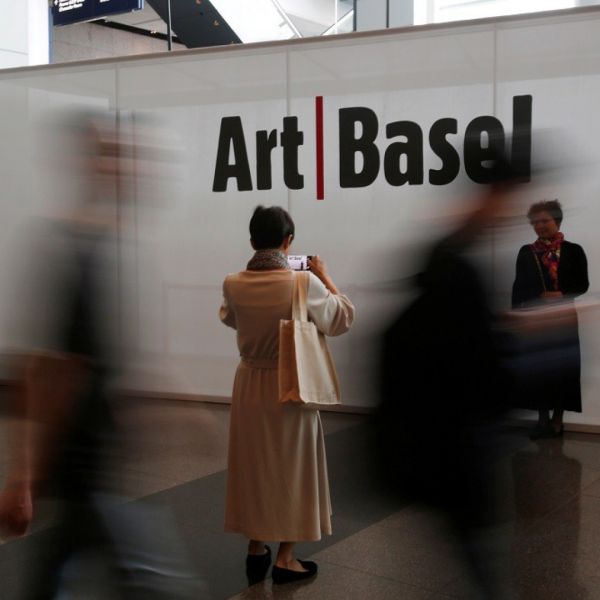 Art FairsArt Basel$0.00
DAG’s debut at Art Basel Hong Kong aimed to provide an overview of the twentieth century Indian art, tracking key catalytic movements and introducing important masters and artists to an art audience unfamiliar with their work. This included the Progressives, of course, but also other modernists whose contribution to Indian art has been significant. The exhibition display at its large booth was aimed at maximising the number of paintings that could be displayed, including sculptures, and was accompanied by a catalogue. A. A. Raiba Akbar Padamsee Anjolie Ela Menon Avinash Chandra B. Prabha Bikash Bhattacharjee Biren De D. P. Roy Chowdhury F. N. Souza G. R. Santosh Ganesh Pyne Gogi Saroj Pal H. A. Gade Himmat Shah J. Sultan Ali Jogen Chowdhury K. H. Ara K. K. Hebbar K. Laxma Goud M. F. Husain P. T. Reddy Prodosh Das Gupta Prosanto Roy Ram Kumar S. Dhanapal S. H. Raza S. K. Bakre Sankho Chaudhuri Sohan Qadri Sunil Das
Learn More -
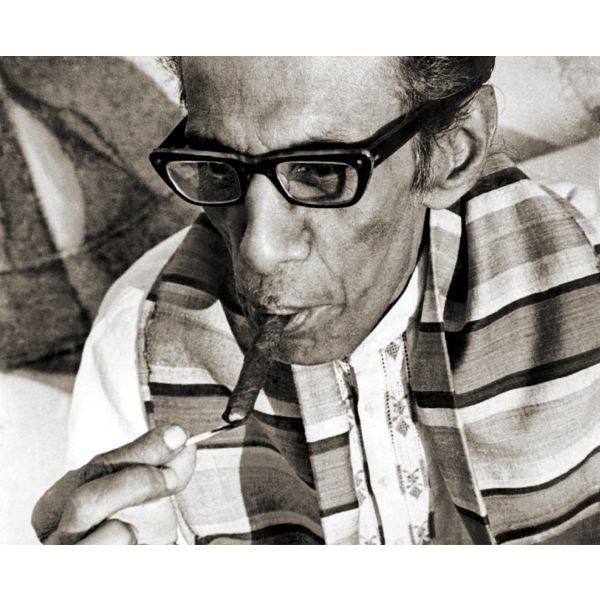 ArtistsSunil Madhav Sen$0.00Born in Purulia in West Bengal, Sunil Madhav Sen was a self-taught artist. Though he learned drawing as a child from a local teacher, he studied law and the liberal arts at Calcutta University and worked for the government. He pursued his passion for art privately alongside his legal practise, visiting the studios of Abanindranath Tagore, Atul Bose, J. P. Gangooly, and Satish Sinha. He also apprenticed for two years under Hemendranath Mazumdar, honing his skills in portrait painting. Learn More
 -
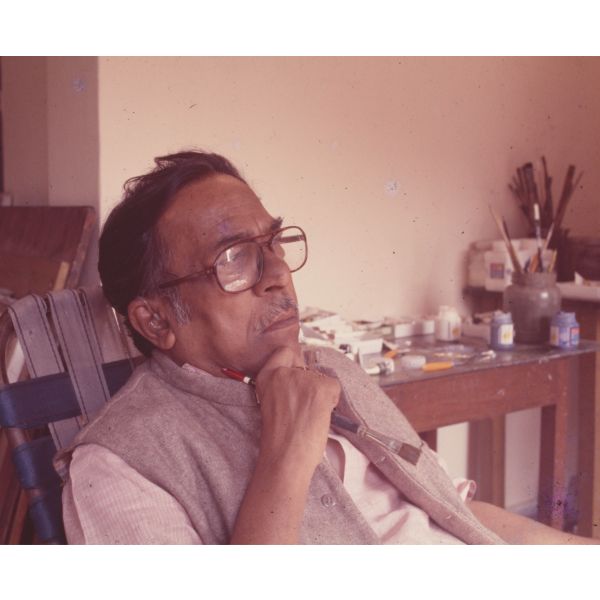 ArtistsShyamal Dutta Ray$0.00Among the most accomplished watercolourists of modern India, Shyamal Dutta Ray was born in Ranchi, then in Bihar, and studied at Government College of Arts and Crafts, Calcutta, from 1950-55. He was a founding member of Society of Contemporary Artists in 1959, and of Painters 80, founded in 1968. Learn More
 -
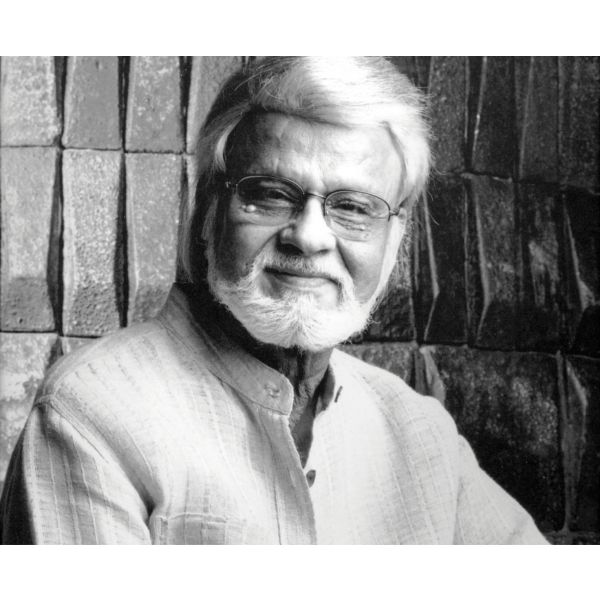 ArtistsSatish Gujral$0.00Renowned for his versatility as painter, sculptor, muralist, and architect, Satish Gujral was born in Jhelum in pre-Partition Punjab on 25 December 1925. His parents nurtured his inclination towards the creative arts while he was recovering from an accident as a child that cost him his hearing and speech. He trained at Mayo School of Art, Lahore, and briefly at Sir J. J. School of Art, Bombay. He also came in contact with the Progressive Artists’ Group but parted ways to chart his own course in search of an Indian modernism. Learn More
 -
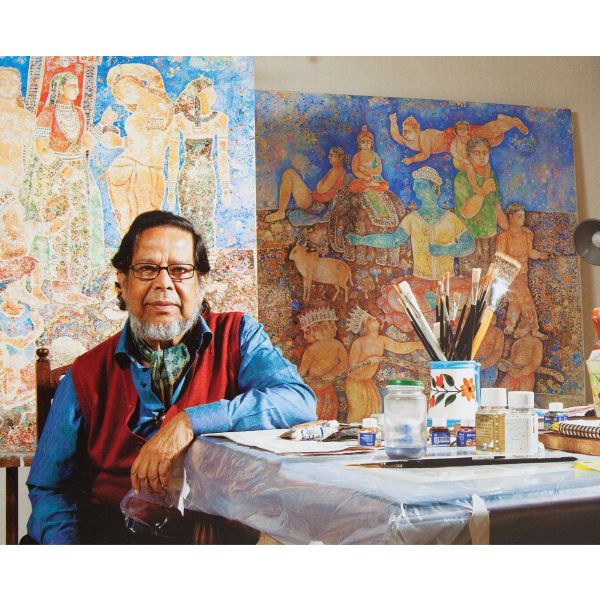 ArtistsSakti Burman$0.00Born in Calcutta, Sakti Burman studied at the city’s Government College of Arts and Crafts, and later at École Nationale des Beaux-Arts, Paris. Like most other Indian artists who studied or lived in the French capital, Paris-based Burman’s works blend European and Indian imagery. Learn More
 -
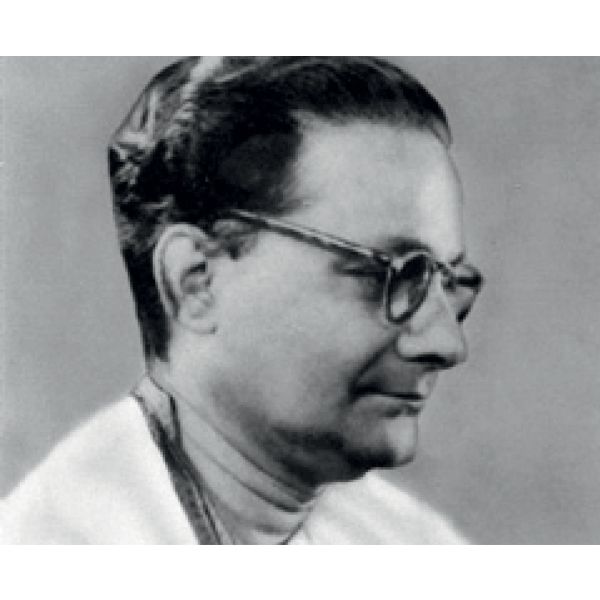 ArtistsRadha Charan Bagchi$0.00Born in 1910 in Pabna, in present-day Bangladesh, Radha Charan Bagchi graduated from College of Arts and Crafts, Calcutta, in traditional Indian art, oil painting, and Western academism. Abanindranath Tagore, Mukul Dey and other Bengal masters were major influences but Bagchi evolved his own artistic style. In 1951, he joined Kala Bhavana, Santiniketan, as teacher, officiating twice as its principal in subsequent years. Learn More
 -
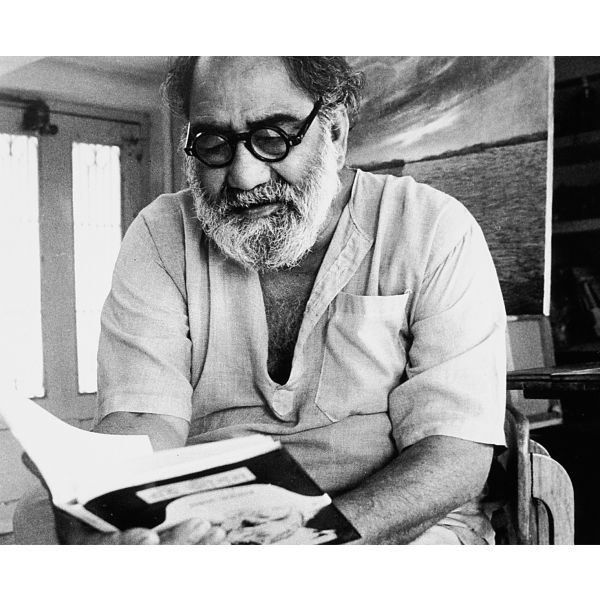 ArtistsProkash Karmakar$0.00Prokash Karmakar learnt painting at his father, artist-teacher Prahlad Karmakar’s atelier, till the socio-political turmoil of the 1940s and his father’s early death put an end to it. After his matriculation, Karmakar joined Government College of Arts and Crafts, Calcutta, but quit soon thereafter for reasons of poverty. In between, he designed book covers and worked as an illustrator for his livelihood; he even joined the army but absconded after two years, driven by his desire to paint. Learn More
 -
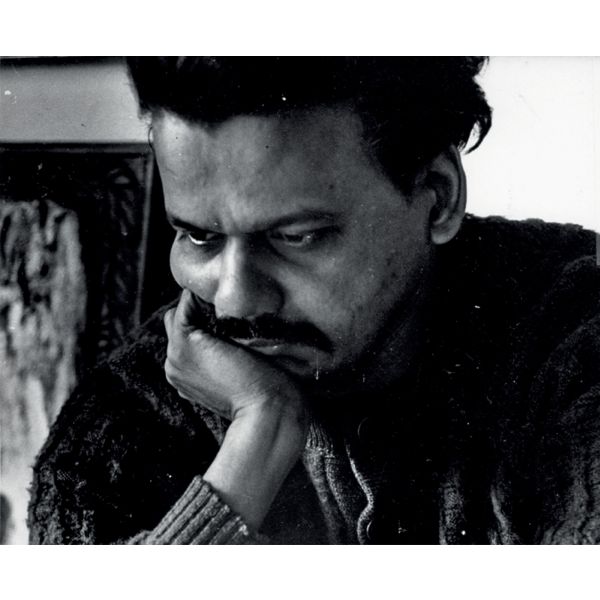 ArtistsMohan Samant$0.00Born in Bombay, Mohan Samant showed early proficiency for both music and art. A lifelong player of sarangi—an Indian bowed, string instrument—Samant chose painting as a career and obtained a diploma from Sir J. J. School of Art, Bombay, in 1952. In the early 1950s, he was influenced by his teacher Shankar Palsikar, a painter of the traditional school, but moved soon towards an expressionistic mode in an attempt to discover his own style, fusing the expressive, the primitive and the abstract in his art. Learn More