Search results for: 'flora and fauna in comp'
-
 Art FairsIndia Art Fair$0.00
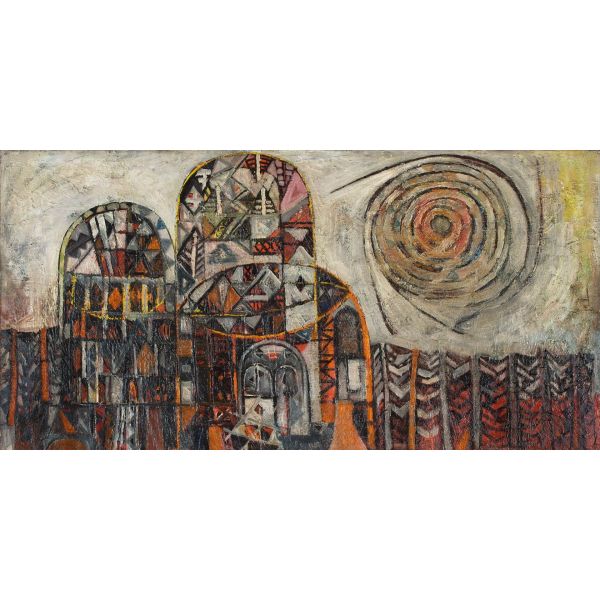
The DAG booth at the India Art Fair has gained iconic status for its selection and display of the finest works of Indian modern art. Over past editions, DAG had introduced pre-modern masters at its booth, and in 2022, it presented exemplary works by eighteenth and nineteenth century Indian and European artists at the fair. This was in addition to high quality works by the twentieth century masters.
Learn More -
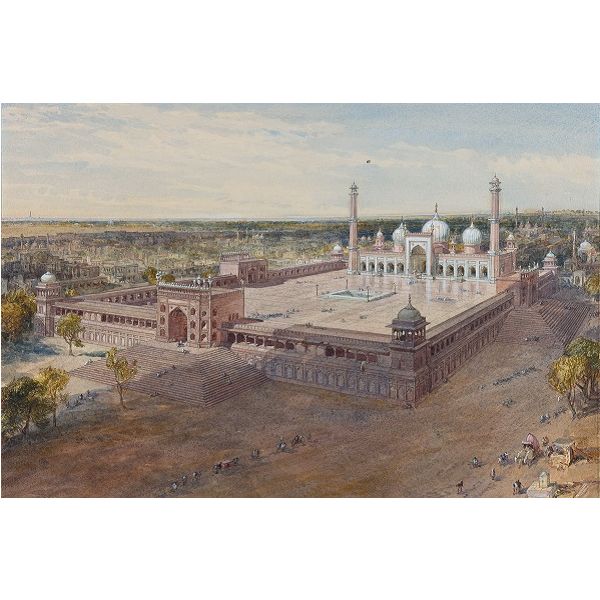 JournalRepresenting Architecture: How art influenced architecture$0.00European artists and architects were deeply influenced by the rich cultural heritage and artistic traditions of India, which, in turn, influenced their architectural designs. Artistic representations served as a bridge between cultures, leading to the incorporation of Indian motifs, styles, and decorative elements in colonial architecture. Learn More
 -
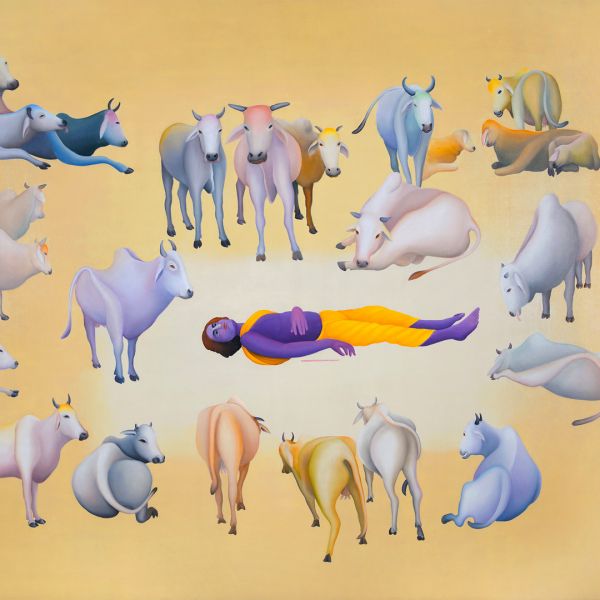 Art FairsIndia Art Fair$0.00
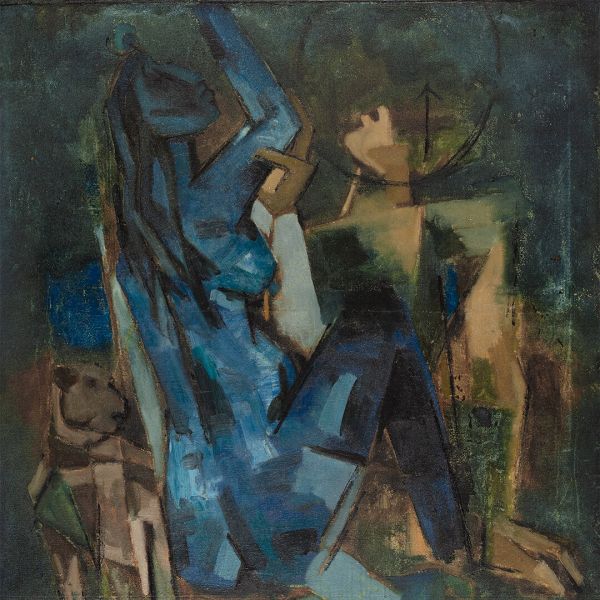
DAG’s emphasis for the 2019 edition of India Art Fair was a rarity—a selection of works of the kind visitors had not before seen. These included a glass mural by Avinash Chandra, a medium the artist loved but which had never before been shown in India; a large mural by Mrinalini Mukherjee; an artist’s chair by Prabhakar Barwe; evocative works by Hemendranath Mazumdar, Manjit Bawa, and Tyeb Mehta; powerful paintings by F. N. Souza, M. F. Husain, Rabin Mondal, and Krishen Khanna; exemplary abstract paintings by Ram Kumar, Shanti Dave, Sohan Qadri, J. Swaminathan, and G. R. Santosh; and other equally powerful artworks including a double-sided sculpture by Meera Mukherjee.
Avinash Chandra F N Souza G R Santosh Hemendranath Majumdar J Swaminathan Krishen Khanna M F Husain Madhvi Parekh Manjit Bawa Meera Mukherjee Mrinalini Mukherjee Paritosh Sen Prabhakar Barwe Rabin Mondal Ram Kumar S H Raza S K Bakre Shanti Dave Sohan Qadri Tyeb Mehta
Learn More -
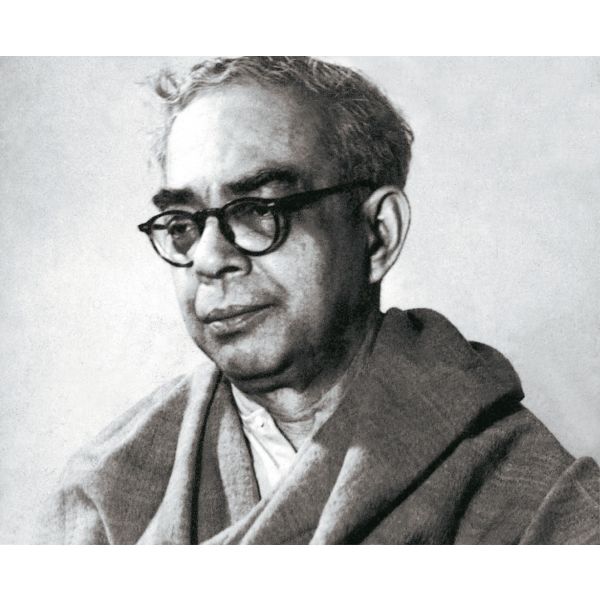 ArtistsSatish Sinha$0.00Born on 15 August 1894 in the north Calcutta neighbourhood of Nather Bagan, Satish Sinha showed an aptitude for the arts since childhood. He enrolled at the Government School of Art at the age of eighteen as a pupil of Abanindranath Tagore. However, he had to give up studying within three years due to his father’s death. He joined an insurance company as an agent to earn his livelihood but continued to study painting privately. Learn More
 -
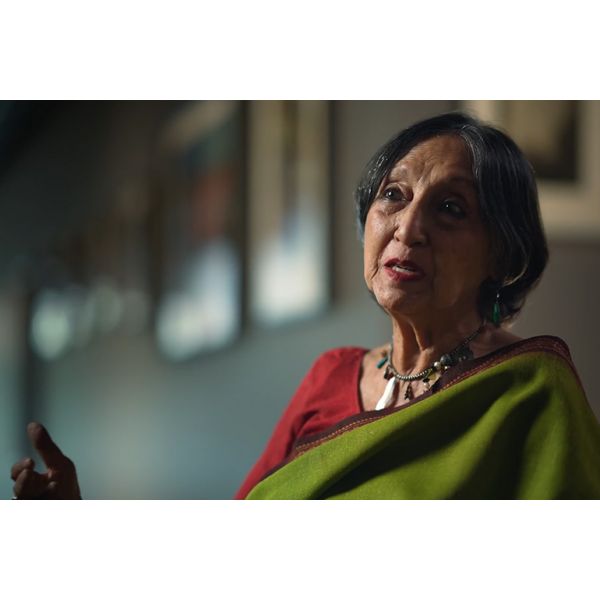 JournalInvocation - 27 by Sohan Qadri$1.00
Sohan Qadri was truly a global artist whose travels and practice spanned India, its Himalayan neighbours, Africa, Europe and Canada. His paintings can be summed up as yantras that serve as visual meditation tools. Invocation – 27 is a vibrant sea of yellow ochre with a band of blue in the middle. A captivating work, Geeti Sen explains, the painting serves to offer viewers a profound experience of transformation and self-discovery.
Learn More -
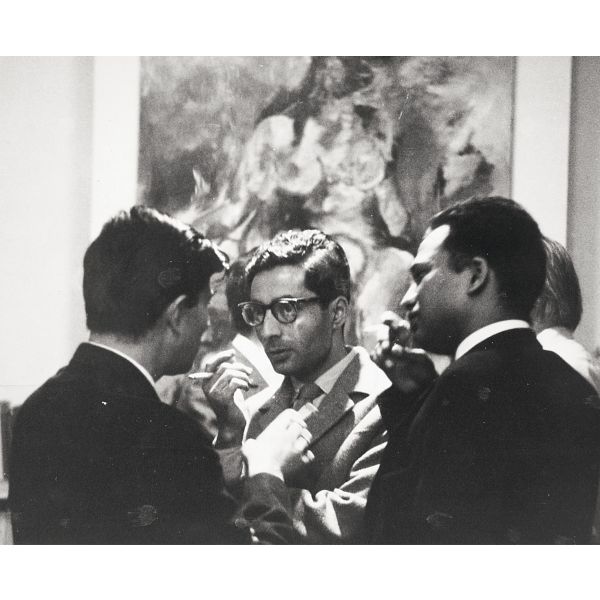 ArtistsRam Kumar$0.00Ram Kumar was born in Simla on 23 September 1924. Completing his master’s in economics from St. Stephen’s College, Delhi University, he attended evening classes at Sarada Ukil School of Art, where he learnt the ‘Western style’ of painting under Sailoz Mookherjea. Learn More
 -
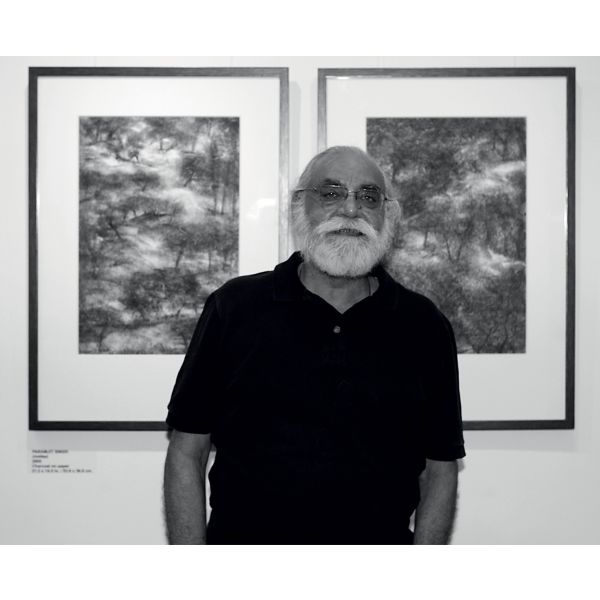 ArtistsParamjit Singh$0.00Born in Amritsar on 23 February 1935, Paramjit Singh studied art at Delhi Polytechnic from where he completed a diploma in 1958. About a decade later, he went to Norway to study printmaking at Atelier Nord. Learn More
 -
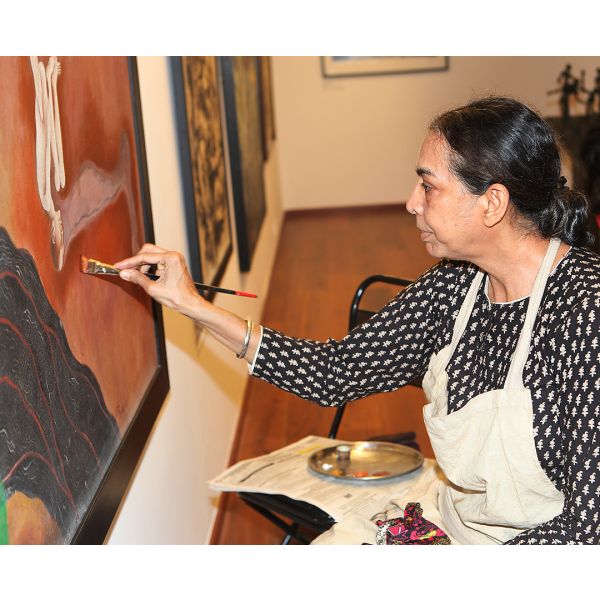 ArtistsArpana Caur$0.00Born in New Delhi in 1954, Arpana Caur completed her post-graduation in literature from Delhi University before choosing art as her vocation. She started studying painting at Central Saint Martins art college in London but could not complete the course. Learn More
 -
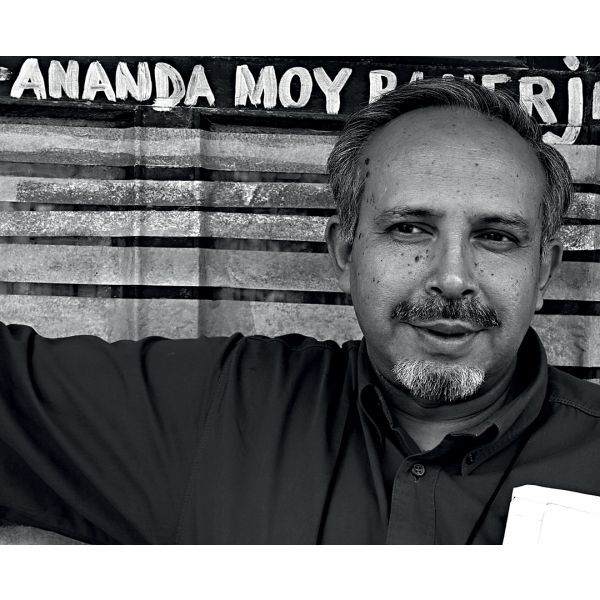 ArtistsAnanda Moy Banerji$0.00Born in Calcutta on 30 June 1959, Ananda Moy Banerji completed his B.F.A. in painting from the College of Art, New Delhi, in 1980, where he also studied printmaking under acclaimed printmaker Anupam Sud. Learn More
 -
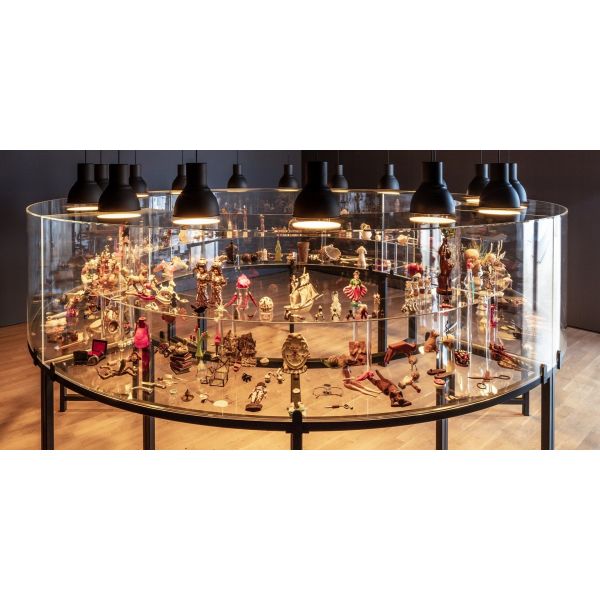 JournalConscious Collecting with Asia Art Archive and Durjoy Rahman$0.00
What is the role of collectors and collections or archives in the world of art today? Does it simply allude to practices of producing a consumable past today or does it also aspire to question the ways in which history has been shaped by powerful interventions in the form of artworks, performances and installations? In this series of conversations, we wanted to explore the idea of collecting recent or contemporary art—and how it inevitably takes us back to the moderns who influenced such practices heavily.
Learn More -