Born in Madras, R. B. Bhaskaran is best known for his series on cats, and on couples, as also for his rejection of the ‘restrictive’ need to establish an Indian cultural identity through his works, which he feels is ‘an instinctive by-product of one’s work’. Learn More
Born in Sylhet district of present-day Bangladesh, Partha Pratim Deb trained under Ramkinkar Baij and Benode Behari Mukherjee at Kala Bhavan, Santiniketan, from where he graduated in 1966. He then took a post diploma from M. S. University, Baroda, in 1968. Learn More
Nandalal Bose’s growth as a painter is closely associated with the Tagore family. Hailing from Munger in Bihar, Bose was fifteen when he came to Calcutta to continue his education, where his passion for art ultimately took him to the Government College of Arts and Crafts, to be groomed by Abanindranath Tagore from 1905-10. Learn More
Born in Ahmedabad, Gujarat, Manu Parekh studied at Sir J. J. School of Art, Bombay. With influences as varied as Arshile Gorky, Roberto Matta, S. B. Palsikar and Rabindranath Tagore, Parekh has always sought to explore his inner landscape through art. Learn More
Born in Margao, Goa, on 21 January 1926, Laxman Pai studied and later taught at Sir J. J. School of Art, Bombay. He participated in Mahatma Gandhi’s Satyagraha movement against the British rule that led to his imprisonment. Later, he participated in the movement to liberate Goa from centuries of Portuguese rule. Learn More
Born in Chittoor, Andhra Pradesh, on 15 July 1925, Krishna Reddy is best remembered for pioneering the simultaneous colour printing technique, or the colour viscosity process, along with S. W. Hayter, in Paris. His journey to that seminal moment in Paris was preceded by a stint at Santiniketan, studying under Nandalal Bose (1942-47), and then, as head of the art section at Kalakshetra, Madras (1947-50). Learn More
Born in Lyallpur in pre-Partition Punjab, Krishen Khanna grew up in Lahore. He studied at Imperial Service College, England, from 1938-42 as a Rudyard Kipling scholar. Returning to Lahore for a course in English literature at the Government College, he simultaneously took evening classes at the Mayo School of Art. Khanna briefly worked as a printer at Kapur Art Press, Lahore, before his family moved to Simla upon Partition. He worked at the Grindlays Bank in Bombay and Madras from 1946-61, subsequently resigning from his job to devote himself to art. Learn More
Born in Lahore in British India, Dhanraj Bhagat acquired a diploma in sculpture from the city’s Mayo College of Art. He began working with clay while studying but it left him uninspired as he found little individuality in its amorphous nature. It was when he got his hands on wood with its uniquely tactile qualities that he felt inspired to carve and create. Learn More
Chintamoni Kar, one of the foremost modern sculptors of India, was born on 19 April 1915 in Kharagpur. He trained initially in sculpture with Giridhari Mahapatra, a traditional Oriya sthapati or temple-carver, and learnt painting under Kshitindranath Mazumdar at the Indian Society of Oriental Art, Calcutta. Learn More
Co-founder of the Kochi-Muziris Biennale, Bose Krishnamachari was born in Magattukara village, Kerala, and came into prominence in the 1990s, after graduating from Sir J. J. School of Art, Mumbai, at a time when India was experiencing economic liberalisation. Learn More
It was a radical shift for the commerce and art graduate Amit Ambalal, born in a Gujarati business family, to give up the family’s textile business in order to pursue painting. Learn More
Born in Baroda, Altaf Mohamedi’s interest in painting began while at the Scindia School in Gwalior under the tutelage of his art instructor Niyogi. His nascent interest was also encouraged by his elder sister and noted painter Nasreen Mohamedi. Learn More



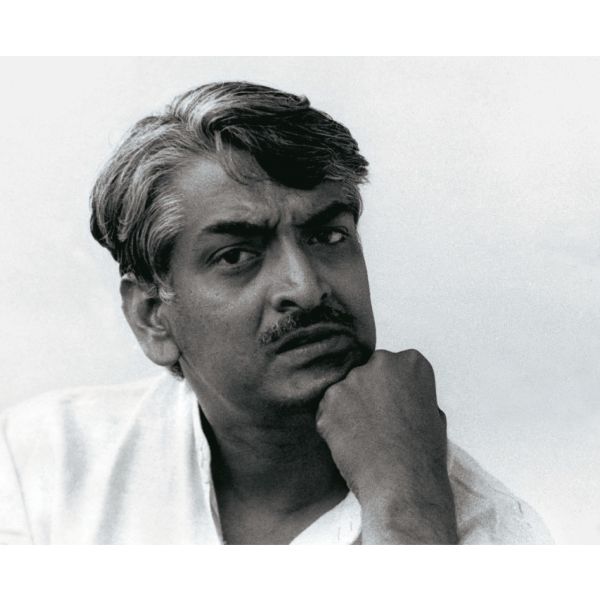 ArtistsR. B. Bhaskaran$0.00Born in Madras, R. B. Bhaskaran is best known for his series on cats, and on couples, as also for his rejection of the ‘restrictive’ need to establish an Indian cultural identity through his works, which he feels is ‘an instinctive by-product of one’s work’. Learn More
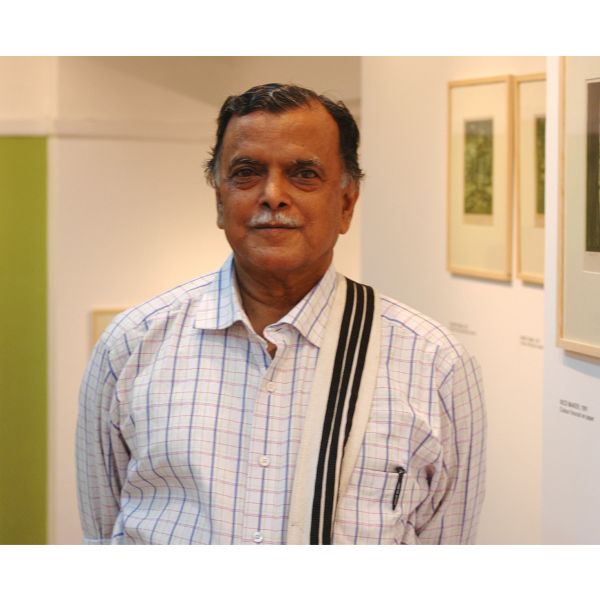 ArtistsPartha Pratim Deb$0.00Born in Sylhet district of present-day Bangladesh, Partha Pratim Deb trained under Ramkinkar Baij and Benode Behari Mukherjee at Kala Bhavan, Santiniketan, from where he graduated in 1966. He then took a post diploma from M. S. University, Baroda, in 1968. Learn More
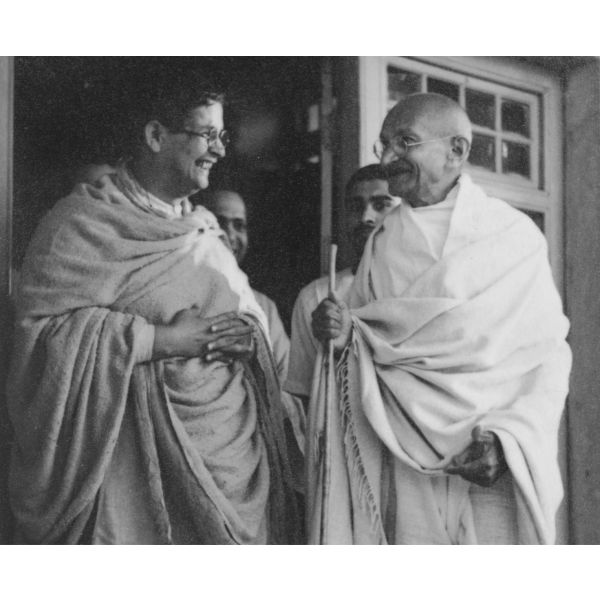 ArtistsNandalal Bose$0.00Nandalal Bose’s growth as a painter is closely associated with the Tagore family. Hailing from Munger in Bihar, Bose was fifteen when he came to Calcutta to continue his education, where his passion for art ultimately took him to the Government College of Arts and Crafts, to be groomed by Abanindranath Tagore from 1905-10. Learn More
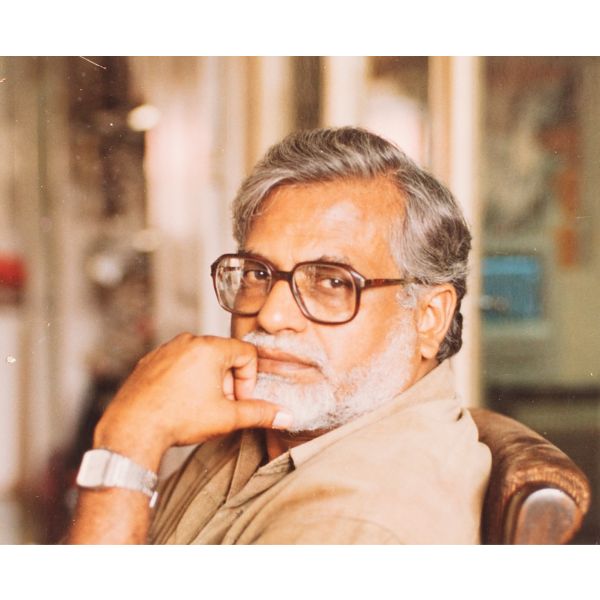 ArtistsManu Parekh$0.00Born in Ahmedabad, Gujarat, Manu Parekh studied at Sir J. J. School of Art, Bombay. With influences as varied as Arshile Gorky, Roberto Matta, S. B. Palsikar and Rabindranath Tagore, Parekh has always sought to explore his inner landscape through art. Learn More
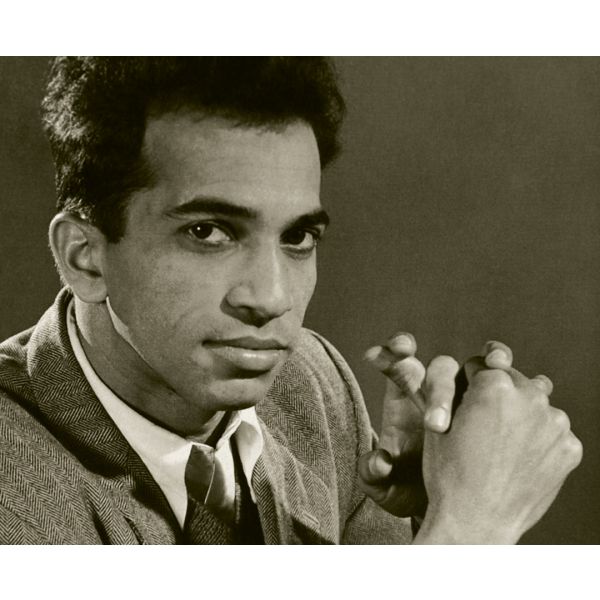 ArtistsLaxman Pai$0.00Born in Margao, Goa, on 21 January 1926, Laxman Pai studied and later taught at Sir J. J. School of Art, Bombay. He participated in Mahatma Gandhi’s Satyagraha movement against the British rule that led to his imprisonment. Later, he participated in the movement to liberate Goa from centuries of Portuguese rule. Learn More
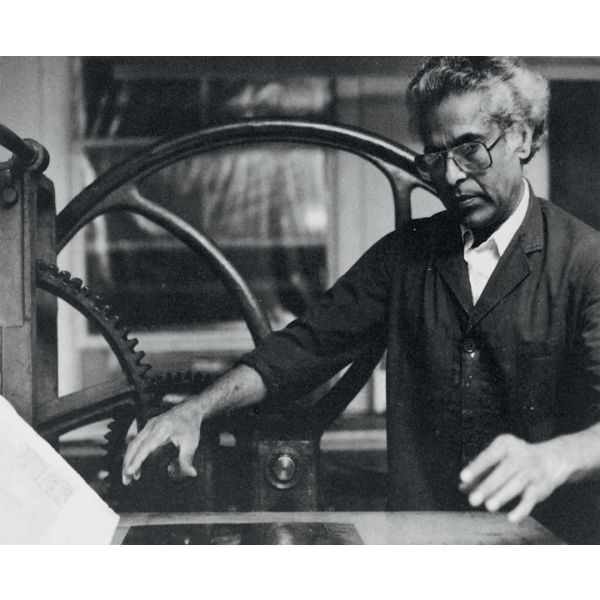 ArtistsKrishna Reddy$0.00Born in Chittoor, Andhra Pradesh, on 15 July 1925, Krishna Reddy is best remembered for pioneering the simultaneous colour printing technique, or the colour viscosity process, along with S. W. Hayter, in Paris. His journey to that seminal moment in Paris was preceded by a stint at Santiniketan, studying under Nandalal Bose (1942-47), and then, as head of the art section at Kalakshetra, Madras (1947-50). Learn More
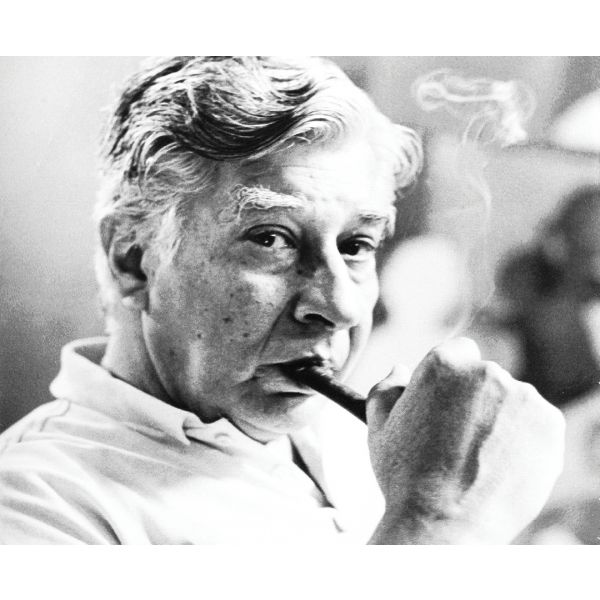 ArtistsKrishen Khanna$0.00Born in Lyallpur in pre-Partition Punjab, Krishen Khanna grew up in Lahore. He studied at Imperial Service College, England, from 1938-42 as a Rudyard Kipling scholar. Returning to Lahore for a course in English literature at the Government College, he simultaneously took evening classes at the Mayo School of Art. Khanna briefly worked as a printer at Kapur Art Press, Lahore, before his family moved to Simla upon Partition. He worked at the Grindlays Bank in Bombay and Madras from 1946-61, subsequently resigning from his job to devote himself to art. Learn More
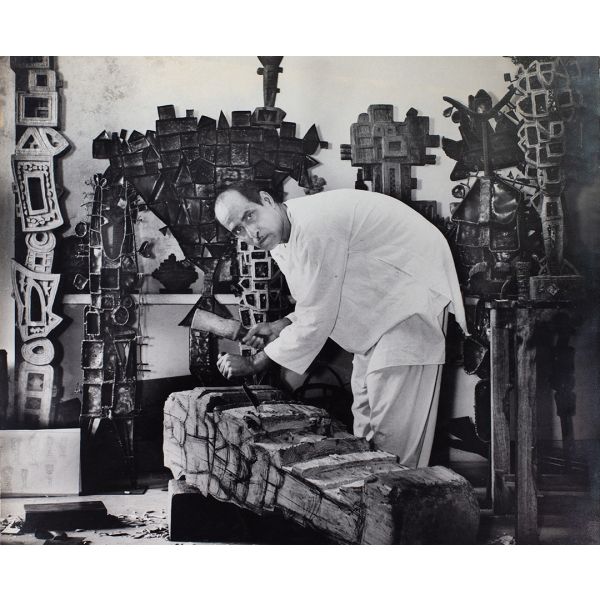 ArtistsDhanraj Bhagat$0.00Born in Lahore in British India, Dhanraj Bhagat acquired a diploma in sculpture from the city’s Mayo College of Art. He began working with clay while studying but it left him uninspired as he found little individuality in its amorphous nature. It was when he got his hands on wood with its uniquely tactile qualities that he felt inspired to carve and create. Learn More
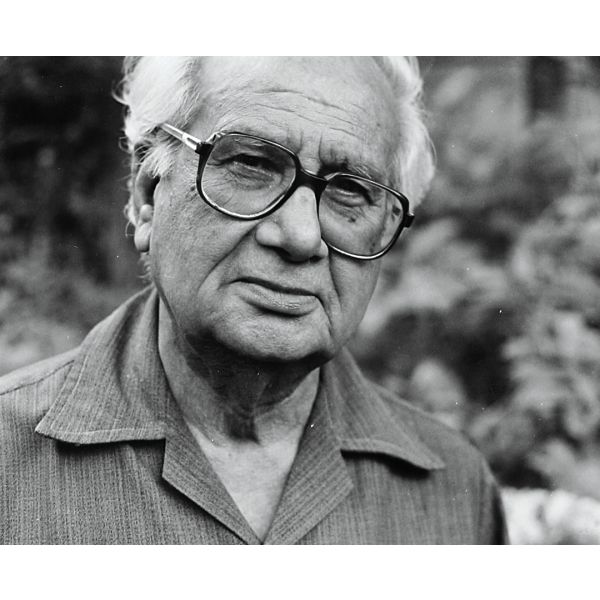 ArtistsChintamoni Kar$0.00Chintamoni Kar, one of the foremost modern sculptors of India, was born on 19 April 1915 in Kharagpur. He trained initially in sculpture with Giridhari Mahapatra, a traditional Oriya sthapati or temple-carver, and learnt painting under Kshitindranath Mazumdar at the Indian Society of Oriental Art, Calcutta. Learn More
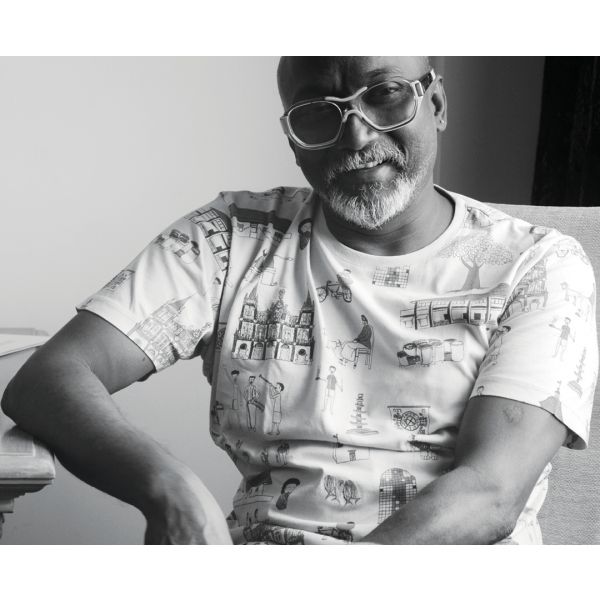 ArtistsBose Krishnamachari$0.00Co-founder of the Kochi-Muziris Biennale, Bose Krishnamachari was born in Magattukara village, Kerala, and came into prominence in the 1990s, after graduating from Sir J. J. School of Art, Mumbai, at a time when India was experiencing economic liberalisation. Learn More
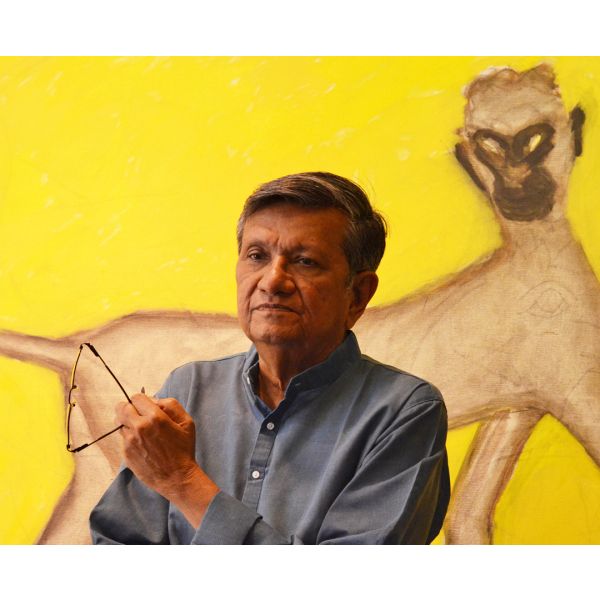 ArtistsAmit Ambalal$0.00It was a radical shift for the commerce and art graduate Amit Ambalal, born in a Gujarati business family, to give up the family’s textile business in order to pursue painting. Learn More
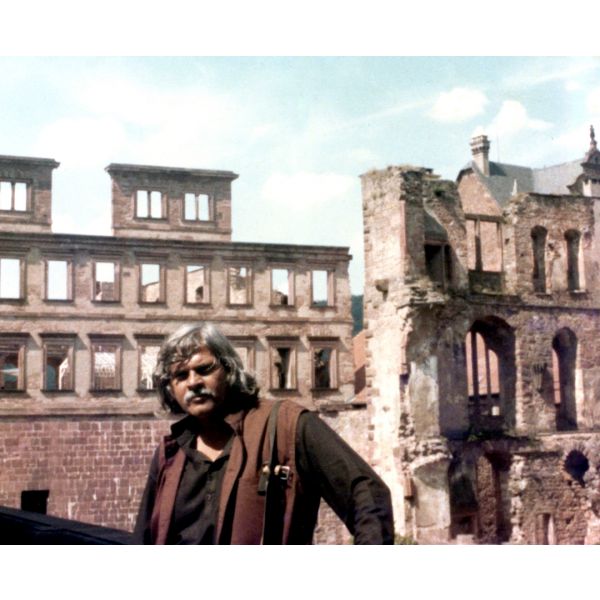 ArtistsAltaf$0.00Born in Baroda, Altaf Mohamedi’s interest in painting began while at the Scindia School in Gwalior under the tutelage of his art instructor Niyogi. His nascent interest was also encouraged by his elder sister and noted painter Nasreen Mohamedi. Learn More