


Search results for: 'capitulo 191 de dragon ball z bills'
-
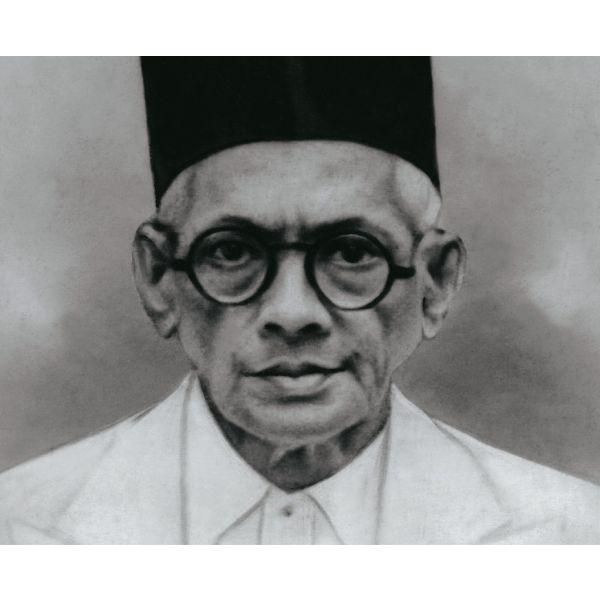 ArtistsN. R. Sardesai$0.00N. R. Sardesai was born in 1885 in Ratnagiri, Maharashtra, and completed his early education at the Ratnagiri School of Industry. Here, he studied carpentry and drawing in 1906, before joining Sir J. J. School of Art, Bombay, for formal training in art. Thereafter, he began work as a drawing teacher in a school in Fort, Bombay. In 1915, he had a short stint as a drawing teacher at his alma mater too. Learn More
 -
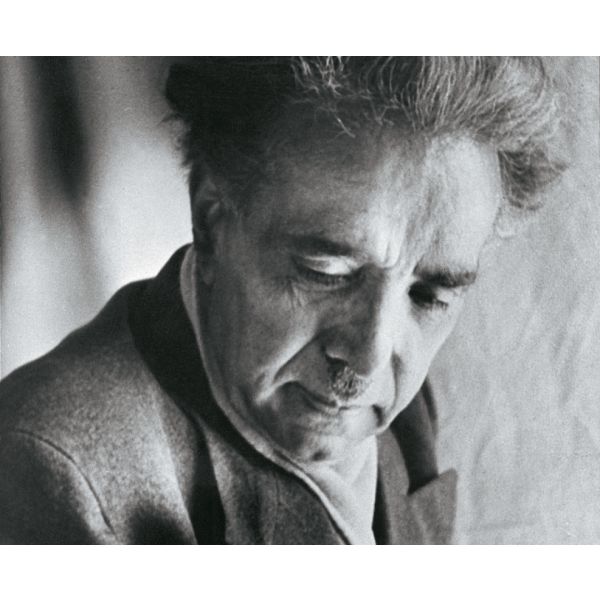 ArtistsM. A. R. Chughtai$0.00Born into a family of artists in Lahore on 21 September 1897, M. Abdur Rahman Chughtai learnt to draw from his father, Mia Karim Baksh. He joined Mayo School of Art in Lahore in 1911, where Samarendranath Gupta, a pupil of Abanindranath Tagore, was vice-principal. He obtained a diploma in photo lithography from Mayo School in 1914, where he went on to become the head instructor in chromo-lithography. He honed his printmaking skills during visits to London in the mid-1930s and exhibited his works across Europe; he also exhibited with Indian Society of Oriental Art in Calcutta around this time. Learn More
 -
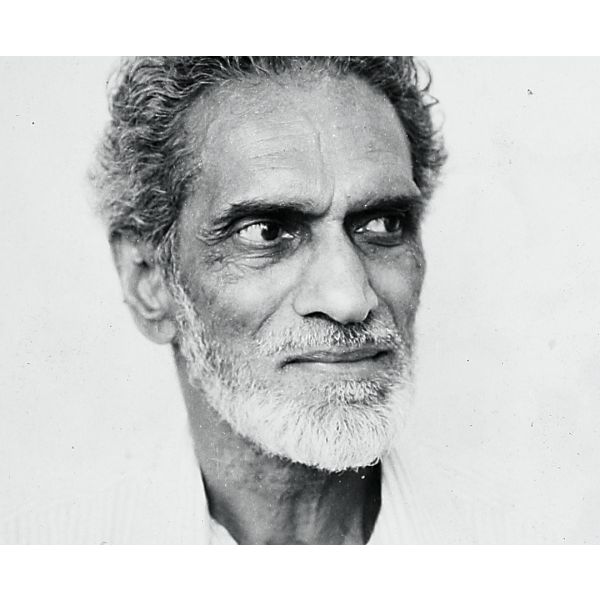 ArtistsK. S. Kulkarni$0.00Forced to paint signboards at the age of eleven when his father died, Krishna Shamrao Kulkarni battled numerous early struggles to achieve a pre-eminent place in modern Indian art. Born in a village in Belgaum in Karnataka in 1916, Kulkarni engaged with modernist techniques and mediums to create a highly individuated pictorial language. Learn More
 -
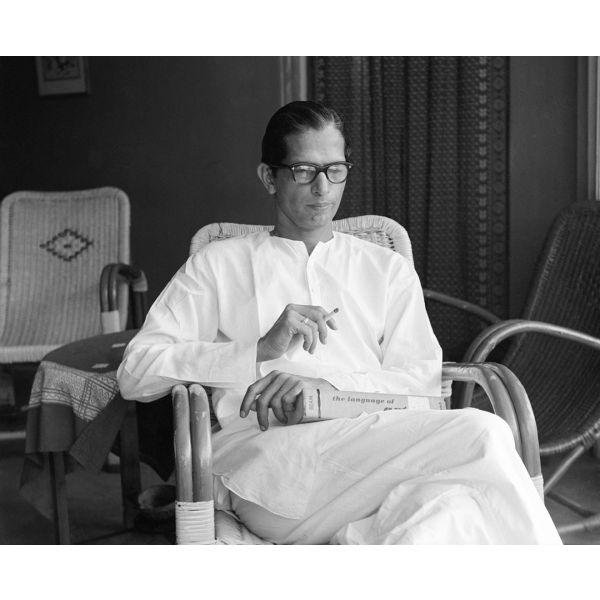 ArtistsK. K. Hebbar$0.00Kattingeri Krishna Hebbar, born on 15 June 1911 near Udupi in Karnataka, showed an inclination for the arts from his childhood—his father used to make Ganesha idols. Learn More
 -
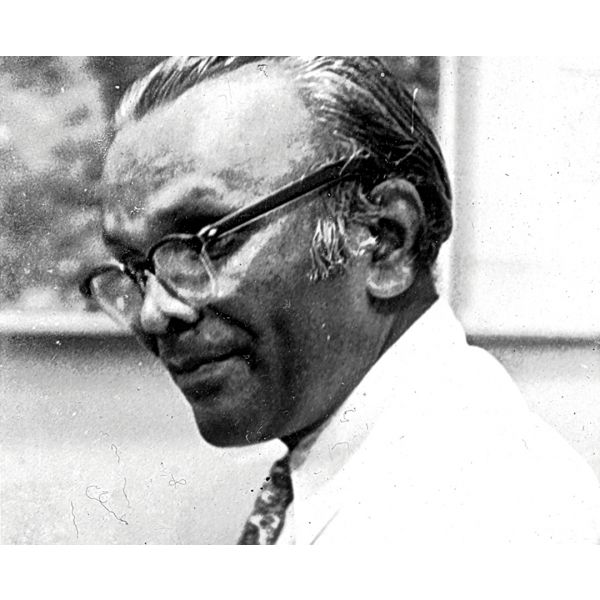 ArtistsK. H. Ara$0.00Krishnaji Howlaji Ara, a founder member of the Progressive Artists’ Group, was born in Secunderabad on 16 April 1914, but ran away to Bombay as a child. Much later, his skills as a painter were spotted by Austrian artist and art director of The Times of India, Walter Langhammer, who encouraged him in his artistic pursuit. Learn More
 -
 ArtistsHiranmoy Roychaudhuri$0.00One of the earliest pioneers of European modernism in Indian sculpture, Hiranmoy Roychaudhuri studied under E. B. Havell at the Government School of Art, Calcutta in 1905. He was also one of the earliest Indian artists to go to England to study art; he went to the Royal College of Art, London, in 1910 to train in sculpture. Learn More
 -
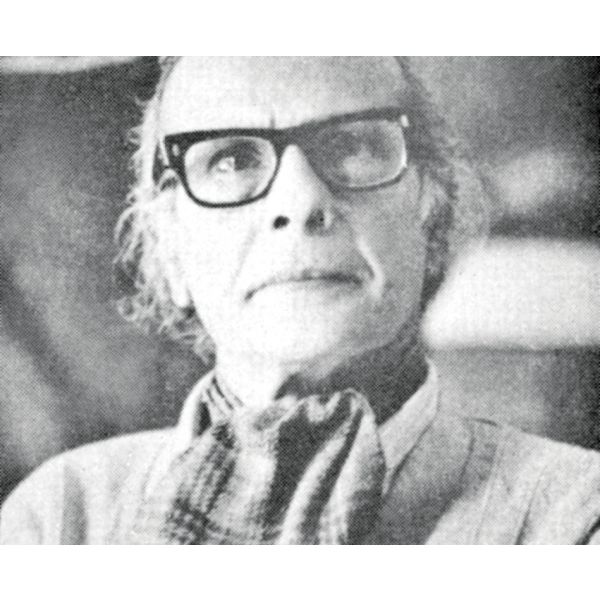 ArtistsHemanta Misra$0.00One of the pioneers of surrealism in Indian modern art, Hemanta Misra was born in Sivasagar, Assam, on 13 October 1917. He went to school in his hometown and later studied at Cotton College, Guwahati, and St. Edmund’s, Shillong. As for the arts, he was self-taught, polishing his skills through a correspondence course with British artist John Hassal. Learn More
 -
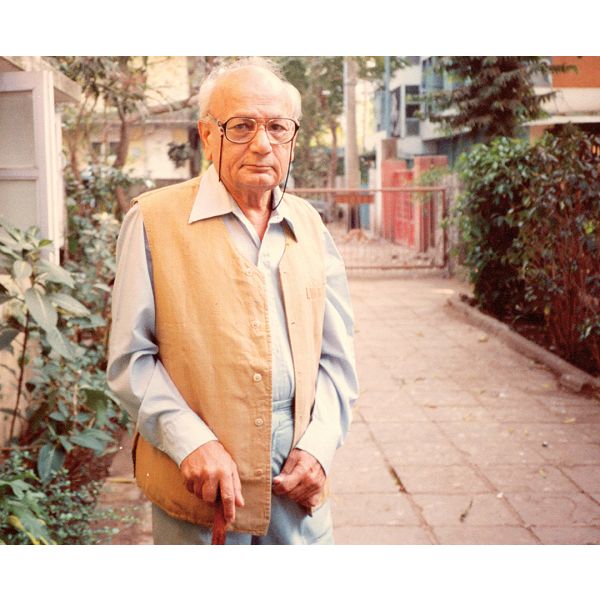 ArtistsH. A. Gade$0.00
A founder member of the Progressive Artists’ Group, Hari Ambadas Gade was born in Amravati, Maharashtra, in 1917. In his own words, he had a ‘compelling interest in science and mathematics’, as a result of which he graduated in science. However, he started making landscapes while on a visit to Jabalpur; subsequently, S. H. Raza guided him on the nuances of landscape painting. Gade eventually obtained a masters from the Nagpur School of Art in 1950.
Learn More -
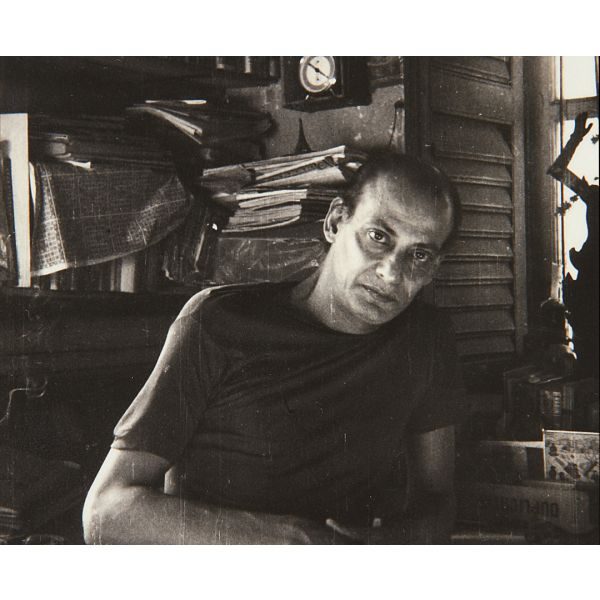 ArtistsChittaprosad$0.00A self-taught artist, poet, storyteller, and an active member of the Communist Party of India, Chittaprosad was born on 21 June 1915. He drew inspiration from village sculptors, artisans and puppeteers. Learn More
 -
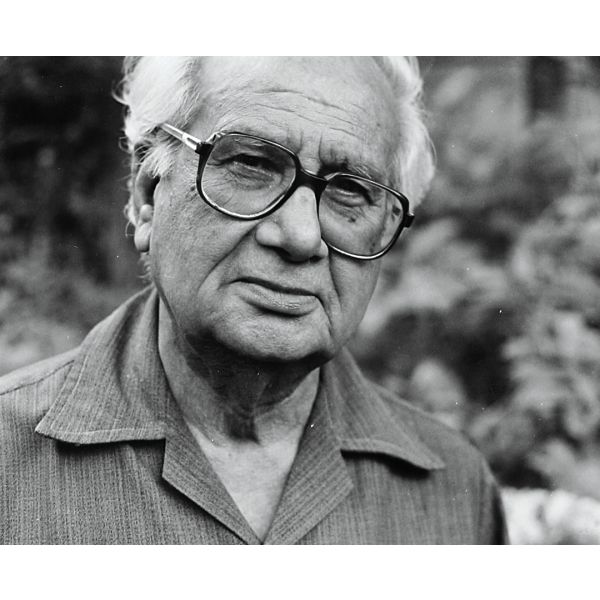 ArtistsChintamoni Kar$0.00Chintamoni Kar, one of the foremost modern sculptors of India, was born on 19 April 1915 in Kharagpur. He trained initially in sculpture with Giridhari Mahapatra, a traditional Oriya sthapati or temple-carver, and learnt painting under Kshitindranath Mazumdar at the Indian Society of Oriental Art, Calcutta. Learn More
 -
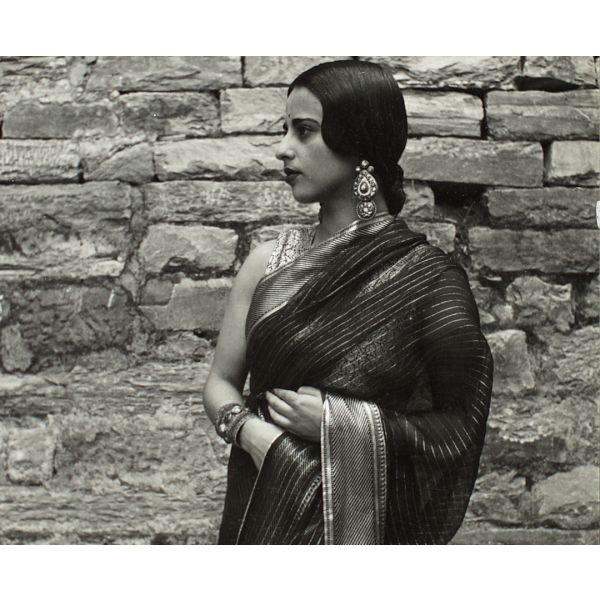 ArtistsAmrita Sher-Gil$0.00Amrita Sher-Gil was born in Budapest on 30 January 1913, to a Sikh aristocrat father and a Hungarian mother, who was an opera singer. Learn More
 -
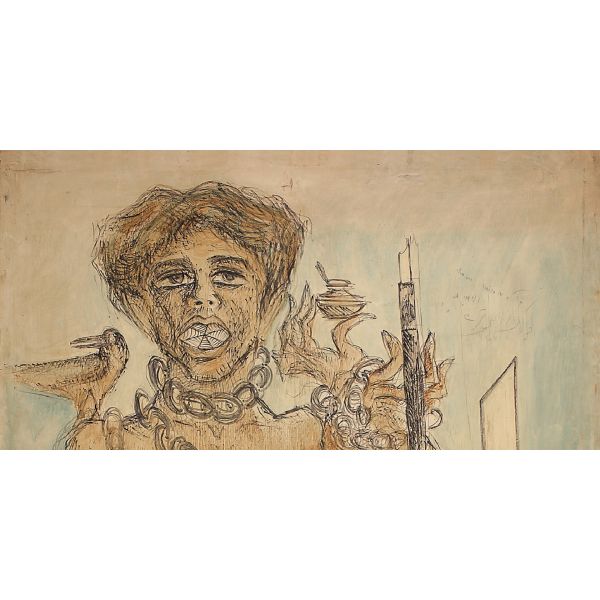 JournalDebating secularism in South Asian Art with Tapati Guha-Thakurta$0.00
This collection of essays, co-edited by eminent scholars of art history, Tapati Guha-Thakurta and Vazira Zamindar, navigate the fraught religio-political contexts of South Asia to bring into relief the fragility and amorphous nature of a contested term like the ‘secular’.
Learn More