Search results for: 'FUNDACAO 1 DE MAIO'
-
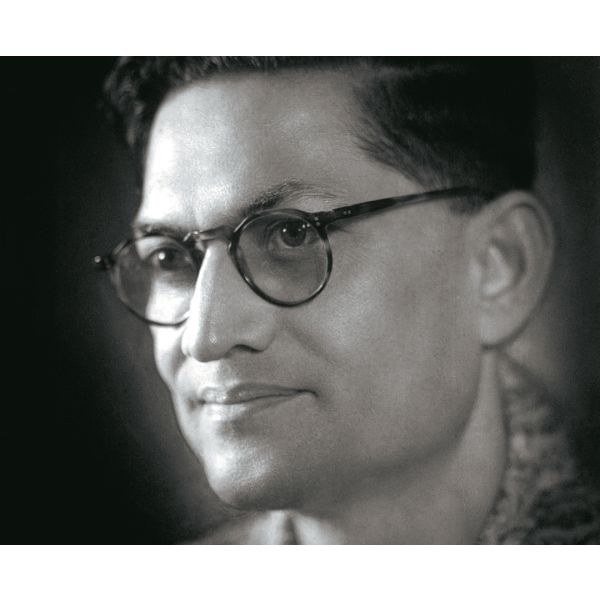 ArtistsAsit Kumar Haldar$0.00Born on 10 September 1890, at the Tagore mansion in Jorasanko, Calcutta, Asit Kumar Haldar was initiated into art by a traditional patua, Jhareshwar Chakravarty. Learn More
 -
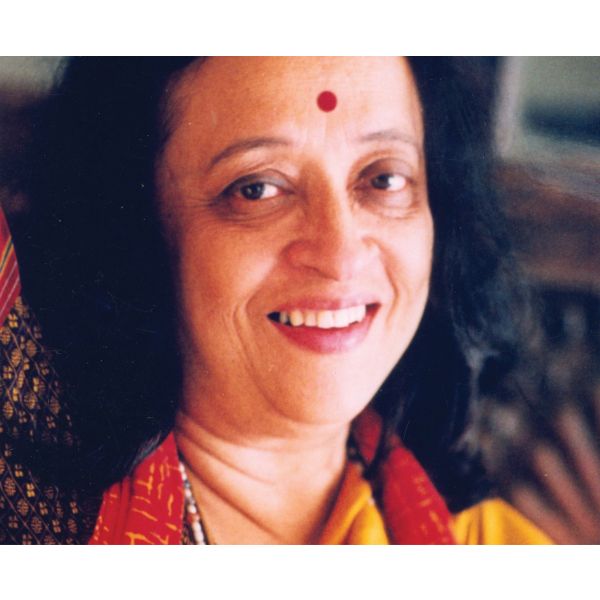 ArtistsAnjolie Ela Menon$0.00Taking up art early, Anjolie Ela Menon had sold her first painting by the age of fifteen. Of mixed Bengali and American parentage, Menon was born in Burnpur in West Bengal in 1940. Learn More
 -
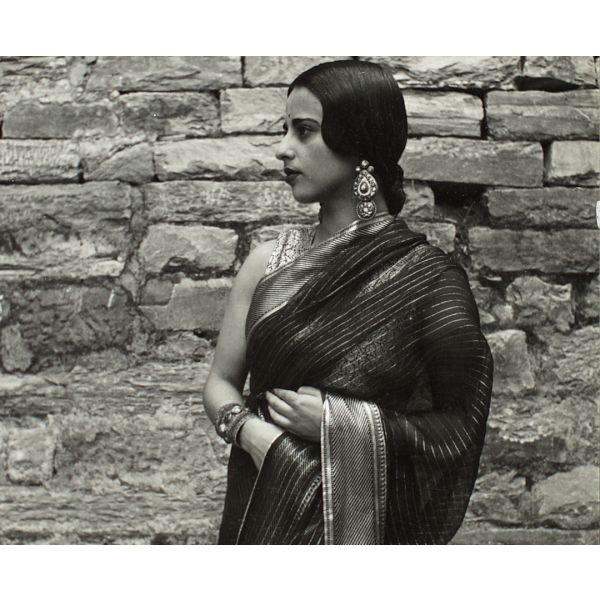 ArtistsAmrita Sher-Gil$0.00Amrita Sher-Gil was born in Budapest on 30 January 1913, to a Sikh aristocrat father and a Hungarian mother, who was an opera singer. Learn More
 -
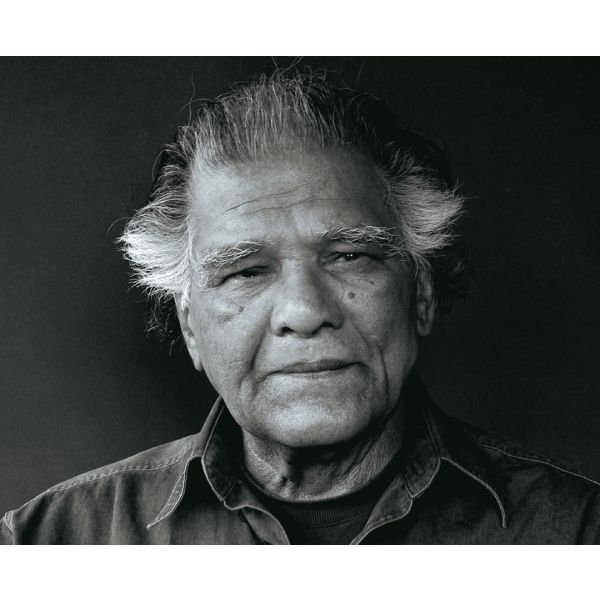 ArtistsAmbadas$0.00Ambadas was born in 1922 in Akola, a town in Maharashtra. After matriculation, he received training at a private art school in Ahmedabad, run by the artist Ravi Shankar Raval. Learn More
 -
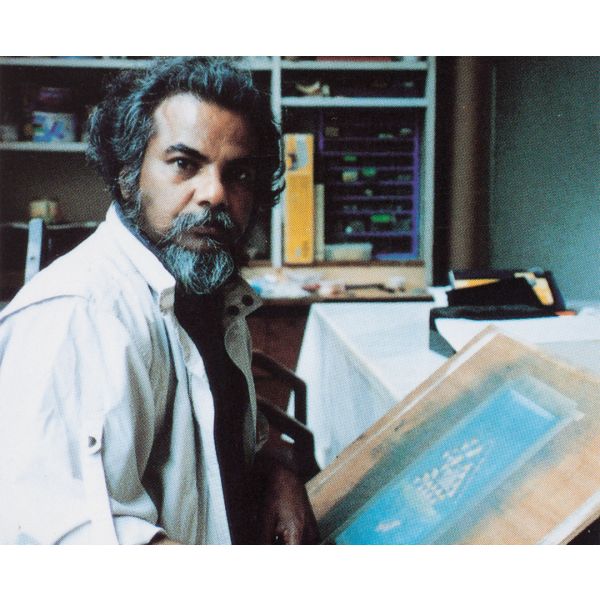 ArtistsAkkitham Narayanan$0.00Akkitham Narayanan was born in Kerala to a family involved in conducting Vedic rituals. He obtained a diploma in painting from the Government College of Art and Craft, Madras, in 1961, where he studied under noted painter K. C. S. Panicker, who also helped him shape his art philosophy. Learn More
 -
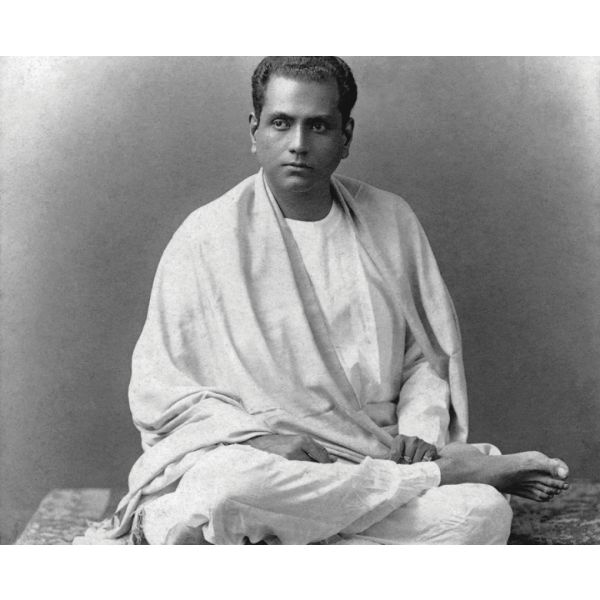 ArtistsAbanindranath Tagore$0.00Abanindranath Tagore was born on 7 August 1871 at Jorasanko, the sprawling mansion of the Tagore family in Calcutta, as the son of artist Gunendranath Tagore and nephew of the Nobel-laureate Rabindranath Tagore. Learn More
 -
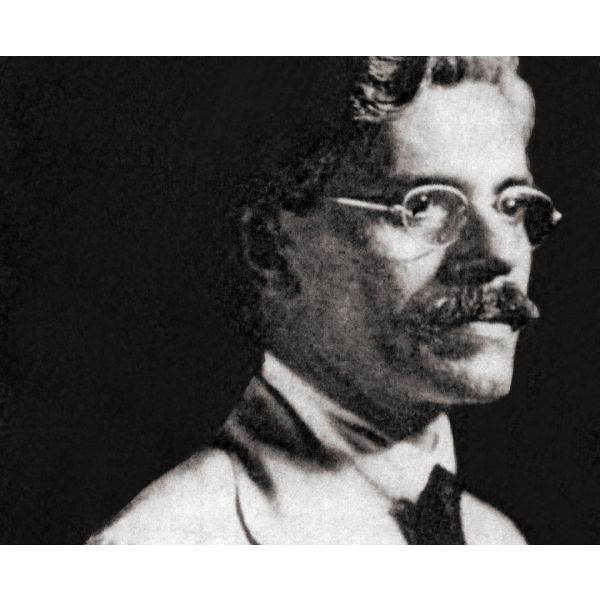 ArtistsA. H. Müller$0.00Archibald Herman Müller, born of German parentage in Cochin, Kerala, on 11 March 1878, lived and worked in India. He joined the Madras School of Art and received early recognition as an artist. Learn More
 -
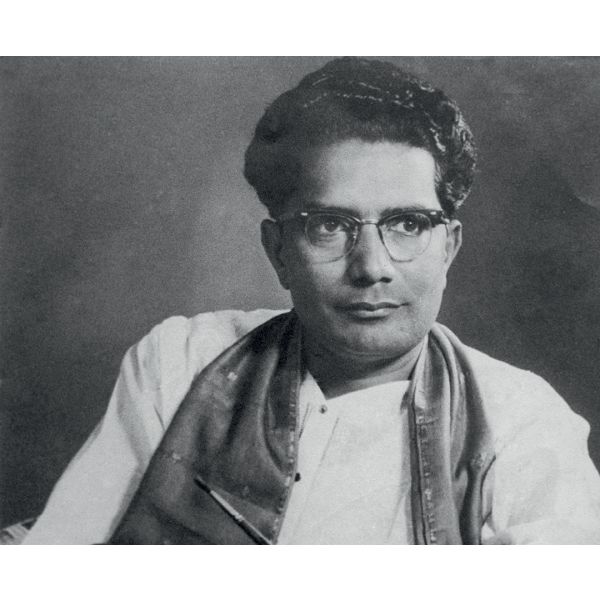 ArtistsA. A. Almelkar$0.00Abdulrahim Appabhai Almelkar was born on 10 October 1920 in Solapur, Maharashtra. He graduated from Sir J. J. School of Art, Bombay, in 1948, and during his student years, won many prizes for his works. Learn More
 -
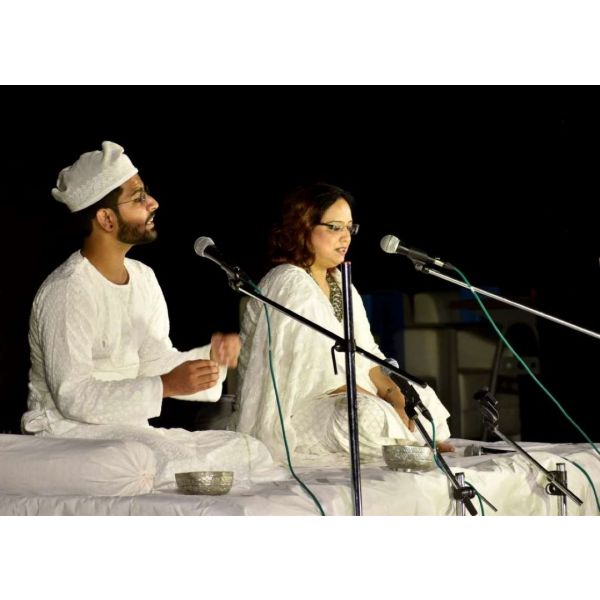 Events and ProgrammesMarch to Freedom: Delhi Opening$1.00
‘March to Freedom’, DAG’s acclaimed exhibition on the 75th anniversary of India’s independence, opens in Delhi with ‘Dastan-e-Gandhi', an evocative dastangoi performance written by Danish Iqbal and performed by Fouzia Dastango and and Ritesh Yadav, two of the leading artists of this tradition.
Learn More -
 Collection OnlineDEVIS$1.00
The Devi or the female power in Hindu mythology appears in various avatars in our everyday lives—as idols during the puja, on covers of magazines, product labels, calendars and posters. The modern history of visualising the Devi goes back to naturalistic depictions in oil paintings by the Early Bengal artists, which were surpassed in popularity and fame by Raja Ravi Varma and his studio. His representation, however, was regarded as too human-like by artists of the Bengal School in the early twentieth century, who created idealised forms based on a synthesis of classical visual traditions. In the twentieth century, we find artists responding to distinctive traits of the goddess to portray specific aspects of her power, or to convey the artist's own relationship with divinity. Few artists who have turned to Hindu myths have been able to escape the temptation to interpret the female power in their own way, and the diversity in style, medium, and mood is a testament to that.
Learn More -