Search results for: 'brother in christ you clicked on the post'
-
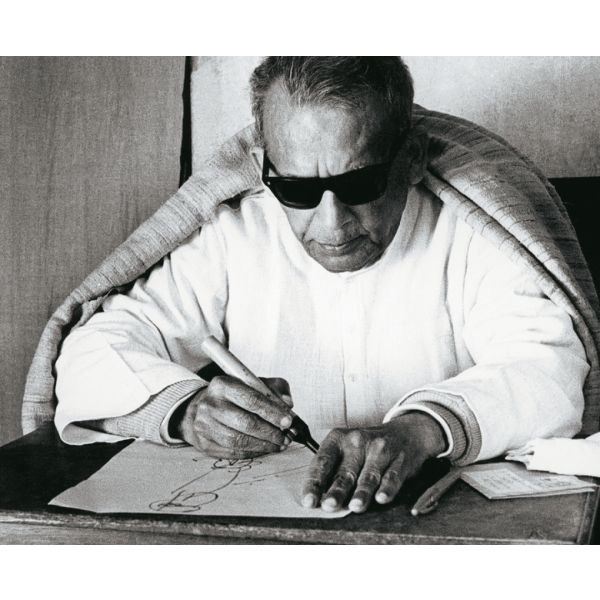 ArtistsBenode Behari Mukherjee$0.00Born on 7 February 1904, in Behala, Bengal, Benode Behari Mukherjee joined Santiniketan in 1917, and Kala Bhavana in 1919, where he was one of the first students of Nandalal Bose. A congenitally impaired vision that denied him normal schooling and resulted in a lonely childhood, brought him close to nature and had a deep impact on his art. Learn More
 -
 Events and ProgrammesMuseum Ambassadors$1.00
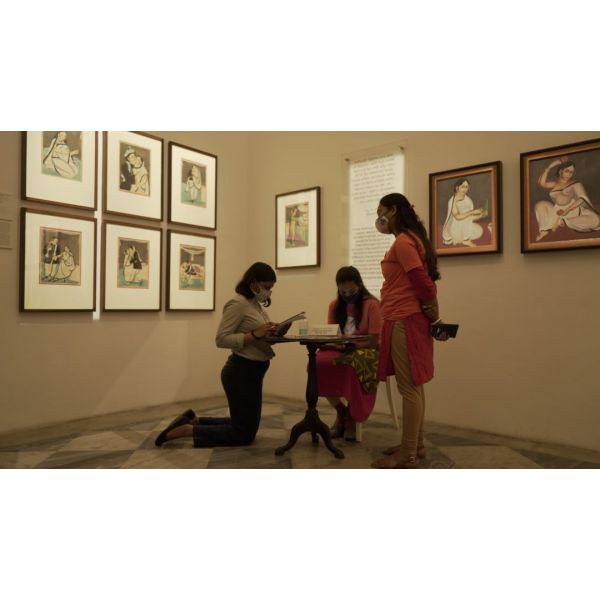
An experiential learning and apprenticeship programme for high school students in collaboration with arts education organisations, offering them a first-hand experience of working in a museum, learning about the art and history, and translating their learnings to develop museum experiences for their peers.
Learn More -
-
 Art FairsIndia Art Fair$1.00
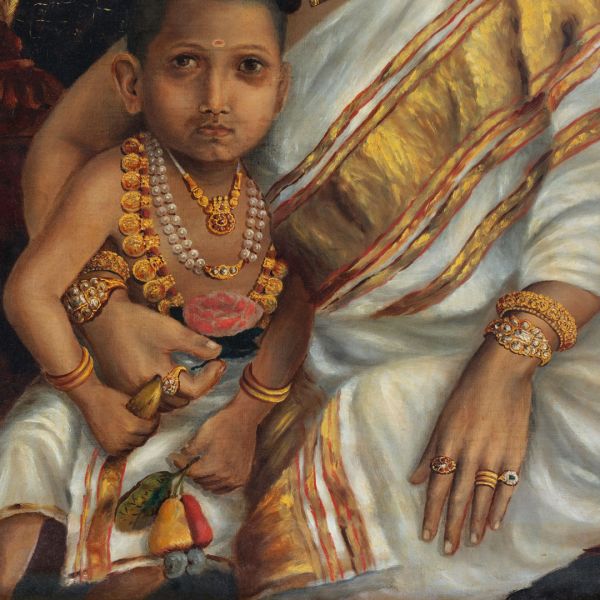
The DAG booth at India Art Fair has always aspired to provide its thousands of visitors with their most unique art-viewing experience based on rarity, historicity, and quality, raising the bar each year with works of sterling importance in addressing the art history of the subcontinent. Abanindranath Tagore, Allah Bux, Anonymous (Early Bengal), Dhanraj Bhagat Jamini Roy, Krishen Khanna, Ram Kumar, M. A. R. Chughtai, M. F. Husain, Madhvi Parekh, Nandalal Bose, Nirode Mazumdar, Prabhakar Barwe, S. K. Bakre, Sailoz Mookherjea, Shanti Dave, Sohan Qadri, Thomas Daniell, Raja Ravi Varma, Edwin Lord Weeks, F. N. Souza, M. V. Dhurandhar
Learn More -
 ExhibitionsShanti Dave: Neither Earth, Nor SkyAs low as $1.00
For Shanti Dave, creativity is a consistent and persistent exploration of the word or akshara—a term defined in the Natyashastra as a stroke in musical notes—which he perceives as the source of all creation. Dave’s abstract iconography, beginning in the early 1950s, adapted to modernism, aesthetic continuity and transcultural exchange. He altered, rejected and improvised the archaic image into a resonant form resembling an ancient script.
Learn More -
 Institutional CollaborationsThe Printed Picture: Four Centuries of Indian Print-Making$1.00
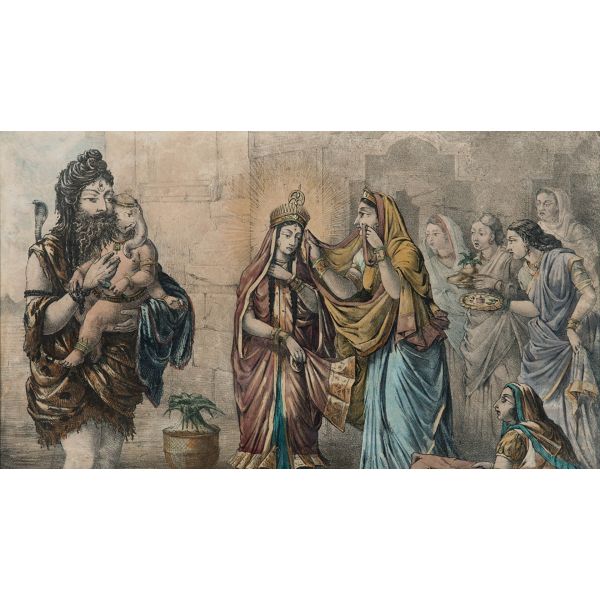
As printing technologies improved around the turn of the 18th century, a large number of cheaply reproduced printed pictures—illustrated books, almanacs and mythological images—became available to the common people. This became an important vehicle of social change because people could own, produce and disseminate images of all kinds—from their beloved deities and favourite fictional characters to political cartoons critiquing colonial authorities. Printmaking was equally treasured by artists for its aesthetic potential, as techniques like lithography, etching, metal engraving, viscosity, gave practitioners infinite opportunities for creative exploration. This landmark exhibition gives us a comprehensive overview of the history of the printed picture in India.
Learn More -
 Institutional CollaborationsBirds of India: Company Paintings c. 1800 to 1835$1.00
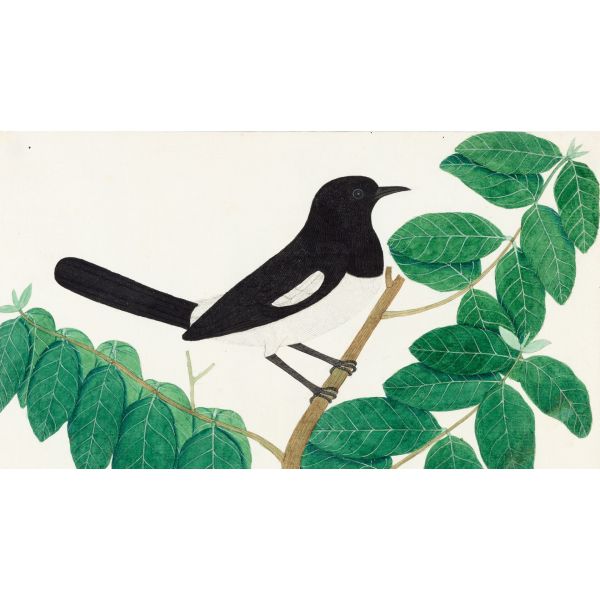
In celebration of birds and the long relationship art has shared with the winged creatures, this exhibition brings together four folios to present portraits of Indian birds made in the early nineteenth century. While representations of birds date back to the Ajanta murals, naturalistic imagery reached its peak in Mughal art under Emperor Jahangir. In the late 18th century two connected developments emerged in Lucknow and Calcutta. While General Claude Martin provided imported European paper to the artists in Lucknow to prepare botanical studies and other natural history works, in Calcutta Mary, Lady Impey (wife of Chief Justice of the Supreme Court in Bengal, Elijah Impey) had a menagerie where she employed artists to portray variety of animals and birds. Dr. William Roxburgh, superintendent of Calcutta Botanical Garden from 1793, also added to the discourse of natural history by appointing local artists to make botanical studies of the specimens in his charge. The efforts of Martin, Impey, Roxburgh and their artists gave rise to a large body of Company Paintings dedicated to natural history.
Learn More -
 Art FairsIndia Art Fair$0.00
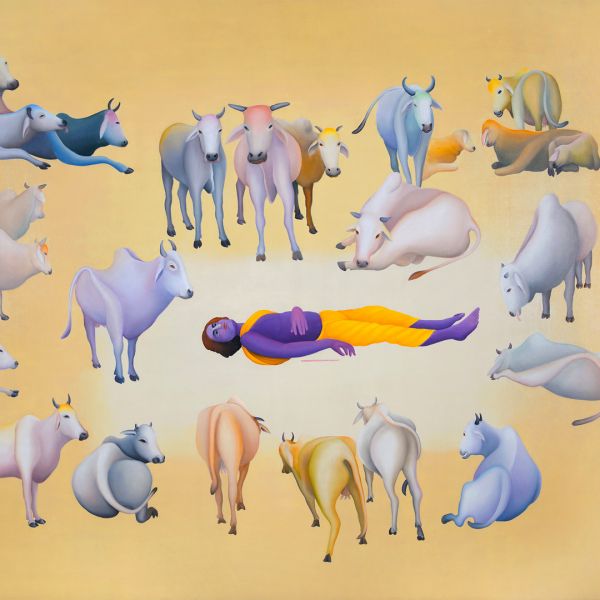
DAG’s emphasis for the 2019 edition of India Art Fair was a rarity—a selection of works of the kind visitors had not before seen. These included a glass mural by Avinash Chandra, a medium the artist loved but which had never before been shown in India; a large mural by Mrinalini Mukherjee; an artist’s chair by Prabhakar Barwe; evocative works by Hemendranath Mazumdar, Manjit Bawa, and Tyeb Mehta; powerful paintings by F. N. Souza, M. F. Husain, Rabin Mondal, and Krishen Khanna; exemplary abstract paintings by Ram Kumar, Shanti Dave, Sohan Qadri, J. Swaminathan, and G. R. Santosh; and other equally powerful artworks including a double-sided sculpture by Meera Mukherjee.
Avinash Chandra F N Souza G R Santosh Hemendranath Majumdar J Swaminathan Krishen Khanna M F Husain Madhvi Parekh Manjit Bawa Meera Mukherjee Mrinalini Mukherjee Paritosh Sen Prabhakar Barwe Rabin Mondal Ram Kumar S H Raza S K Bakre Shanti Dave Sohan Qadri Tyeb Mehta
Learn More -
 Collection OnlineTHE WASH TECHNIQUE$1.00
The wash technique has come to be associated in India with the art of the Bengal School, but the story of its origins in India takes us back to an era of rich cultural exchanges. In the early twentieth century artists like Abanindranath Tagore were trying to imagine a pan-Asian cultural identity, and they turned for inspiration to traditions from across Persia to Japan. Rabindranath Tagore's friendship with Okakura Kakuzō occasioned the arrival of several Japanese artists in Kolkata, such as Yokoyama Taikan, Hishida Shunsō and Katsuta Shōkin. While the latter found inspiration in the Hindu epics, artists in Bengal adapted techniques that were used by the Japanese, such as the wash technique or the subtle use of ink and brush. Since then, the wash technique has been interpreted widely by individual artists, offering an ethereal quality of light to their works, or, in some cases, like for Gaganendranath Tagore and Prosanto Roy, new possibilities of painting in various shades of darkness.
Learn More -
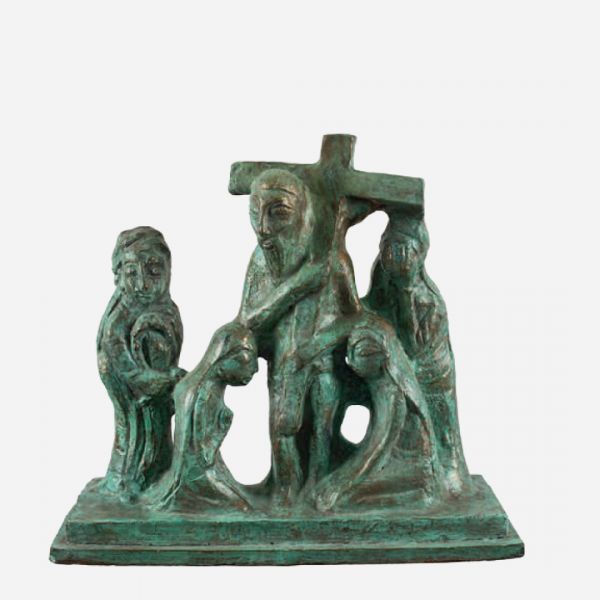 Art FairsArt Stage Singapore$0.00
Given Singapore’s sizeable Indian population and its position as a leading financial centre, DAG’s debut at Art Stage Singapore was an obvious corollary. Indian artists are avidly collected in this city-state but DAG’s attempt, as always, was to introduce the masters to visitors at the fair. While keeping in mind the best modernists, it also curated a selection most likely to appeal to Eastern sensibilities—thereby displaying its range and the diversity of Indian art. Akbar Padamsee Ambadas Avinash Chandra B. Prabha Bikash Bhattacharjee Dhanraj Bhagat F. N. Souza G. R. Santosh Gogi Saroj Pal Himmat Shah J. Sultan Ali Jeram Patel K. H. Ara K. K. Hebbar Laxman Pai M. F. Husain N. S. Bendre P. T. Reddy Paramjit Singh Prokash Karmakar Rabin Mondal Ram Kumar S. Dhanapal S. H. Raza Sakti Burman Sohan Qadri Sunil Das
Learn More -
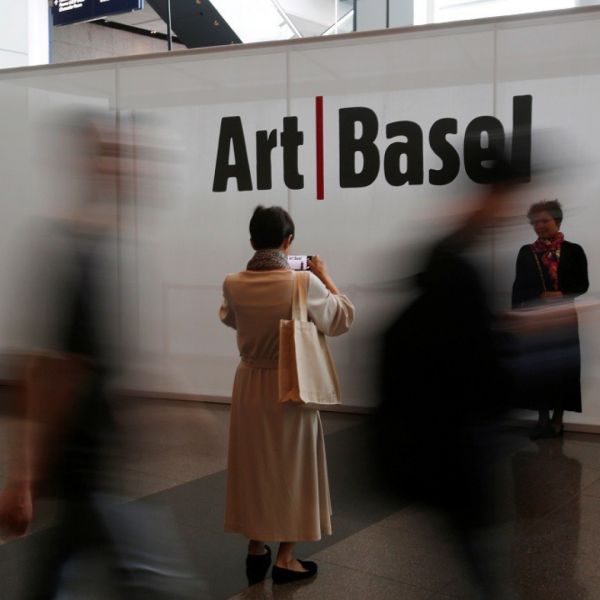 Art FairsArt Basel$0.00
DAG’s booth at Art Basel Hong Kong at its second outing there consolidated its gains from the previous edition by building on the artists it had first presented at the seminal fair. It matched the fair’s focus of a vibrant Asian art with its premier selection of Indian modern art of the twentieth century. The selection presented twenty-five of the most significant Indian modern artists—consisting of painters and sculptors, figurative and abstract artists—who, with the innovations they brought to their art, contributed significantly to the rich diversity and expanse of Indian modern art as we know it today. Akbar Padamsee Ambadas Avinash Chandra B. Prabha Bikash Bhattacharjee Biren De F. N. Souza G. R. Santosh George Keyt Himmat Shah J. Sultan Ali K. H. Ara K. K. Hebbar K. Laxma Goud Krishen Khanna Laxman Pai M. F. Husain N. S. Bendre Rabin Mondal Ram Kumar S. H. Raza S. K. Bakre Sakti Burman Sohan Qadri Sunil Das
Learn More