


Search results for: 'assistir high school musical 2 online gratis'
-
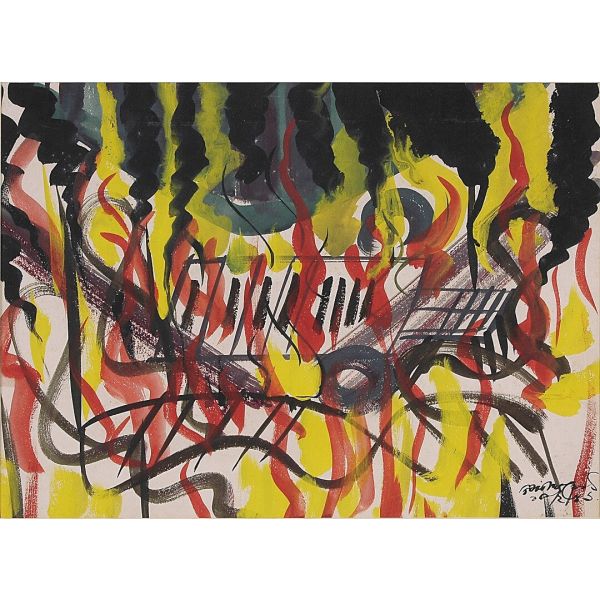 Events and ProgrammesAn Enquiry into the Freedom Movement$1.00
A workshop for middle school educators on implementing an arts-led and project-based module for learners, using artworks and archival objects from ‘March to Freedom’, DAG’s historic exhibition on the 75th year of Indian Independence.
Learn More -
 Institutional CollaborationsMARCH TO FREEDOM: REFLECTIONS ON INDIA'S INDEPENDENCE$1.00
March to Freedom re-interprets the well-known story of the Indian freedom struggle and anticolonial movement through works of art and some historic artefacts. Drawn from the collections of DAG, they range from eighteenth and nineteenth century European paintings and prints, to lesser known works by Indian artists that merit greater recognition, alongside some iconic pieces. Rather than following the usual chronological path, the story is structured around eight themes. Each represents one arena, or stage, on which the anti-colonial struggle took place, to expand the story beyond politics, politicians, and battles (which also feature). Conceived to commemorate and celebrate the 75th anniversary of India’s independence, this visual journey seeks to do more. For even as we remember the struggles, the sacrifices, and the stories, such anniversaries are also occasions for reflection, including upon the scholarship that has developed on South Asian history. Some of the latter may be familiar to academics, or those with special interests. For most of the rest of us, our knowledge of this past is derived in large part from hazy memories of school lessons, which change from one generation to the next, and are influenced by concurrent national politics. We also learn from narratives on offer through public channels or in the media, to mark moments of national remembrance or controversy.
Learn More -
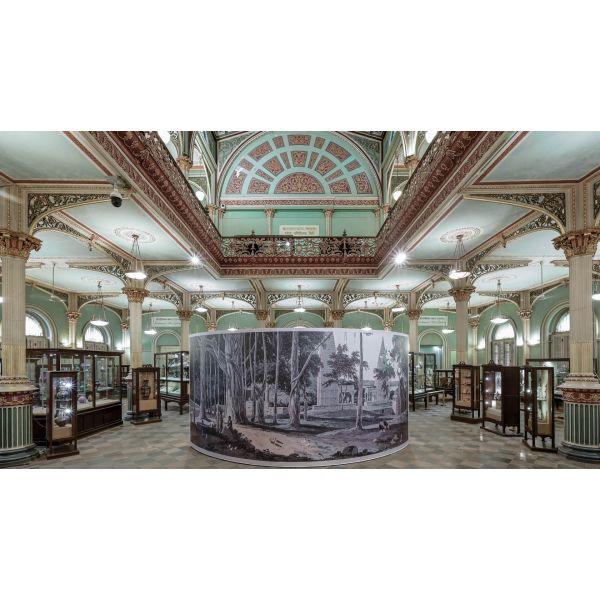 Institutional CollaborationsNew Found Lands: The Indian Landscape from Empire to Freedom$1.00
This exhibition looks at landscape painting in India over a period of two hundred years, from 1780 to 1980. We start with English artists who travelled in India from the late eighteenth century onwards, to rediscover what they were looking for, and how they saw what they found. The introduction of new materials, and the teaching of new methods in the art schools from the middle of the 19th century, encouraged some Indian artists to adopt similar academic style approaches. In the twentieth century, a reaction set in, as Indian artists sought new modes of expression. As if reclaiming their patrimony and the right to represent it, they invented a glorious array of new landscape styles.
Learn More -
 ArtistsBaburao Sadwelkar$1.00The grandnephew of the well-known sculptor V. P. Karmakar, and the son of an artist who worked in Bombay film studios, Prabhakar Barwe was born on 16 March 1936 in Nagaon, Maharashtra. He joined Sir J. J. School of Art, Bombay, in 1954. Learn More
 -
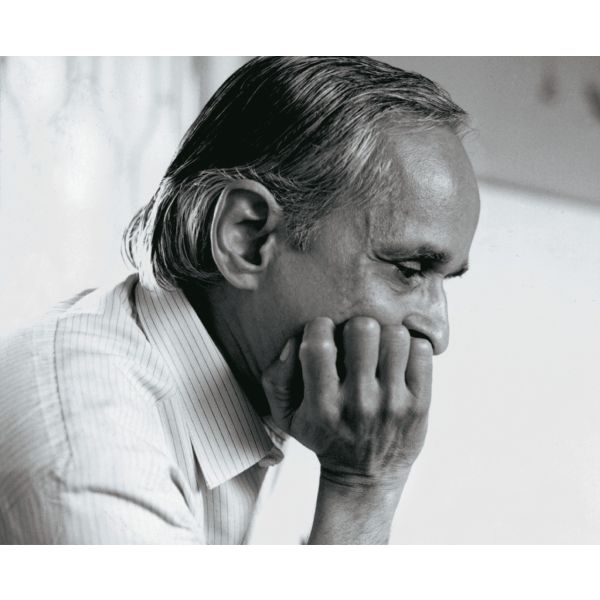 ArtistsPrabhakar Barwe$0.00The grandnephew of the well-known sculptor V. P. Karmakar, and the son of an artist who worked in Bombay film studios, Prabhakar Barwe was born on 16 March 1936 in Nagaon, Maharashtra. He joined Sir J. J. School of Art, Bombay, in 1954. Learn More
 -
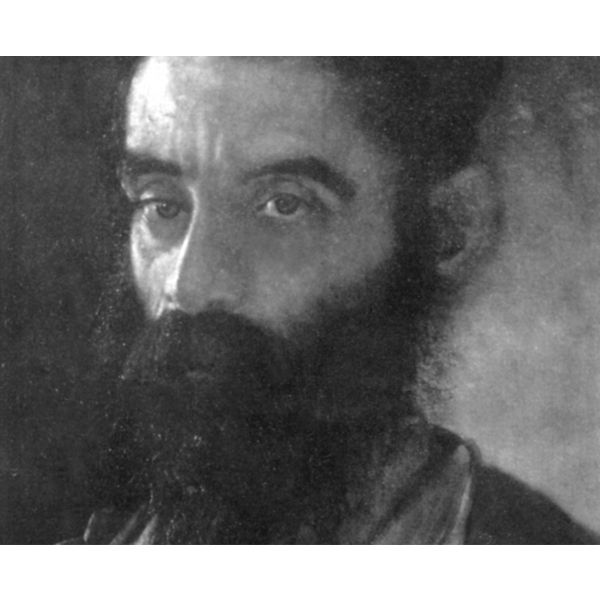 ArtistsPestonji E. Bomanji$0.00Born in Bombay, Pestonji E. Bomanji joined Sir J. J. School of Art at the age of thirteen. While there, the principal, John Griffiths, identified his talent and appointed him a draughtsman on an expedition to the Ajanta caves in 1872, which he came to head in 1880. Though Bomanji initially wanted to be a sculptor, his interest in portraiture was triggered after 1877, when Griffiths recommended him as an apprentice to Valentine Prinsep, a visiting artist; he went on to train under John Lockwood Kipling. Learn More
 -
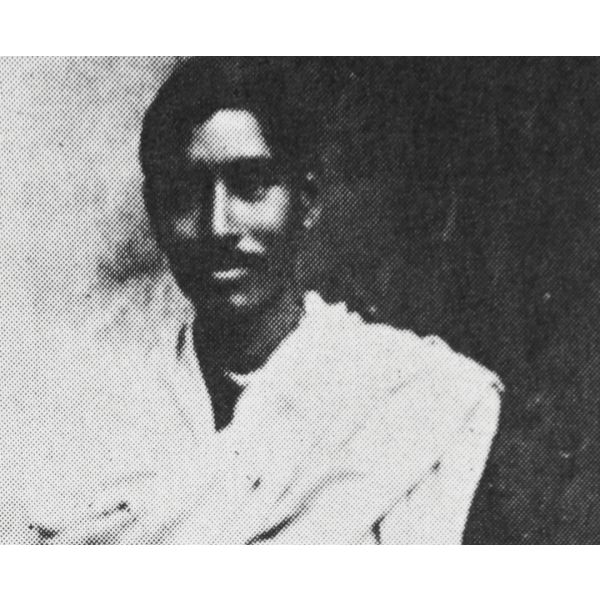 ArtistsJogesh Chandra Seal$0.00Jogesh Chandra Seal was an active member of the enthusiastic art scene of Calcutta in the early decades of the twentieth century. However, due to his short life of thirty-one years, he could not leave behind a comprehensive body of work. His academic oil paintings, Untitled (Disappointed), 1919, and Lady Lighting a Diya, 1921, have recently appeared at international auctions, bringing spotlight on this accomplished artist who was closely associated with the values of the Bengal School of painting. Learn More
 -
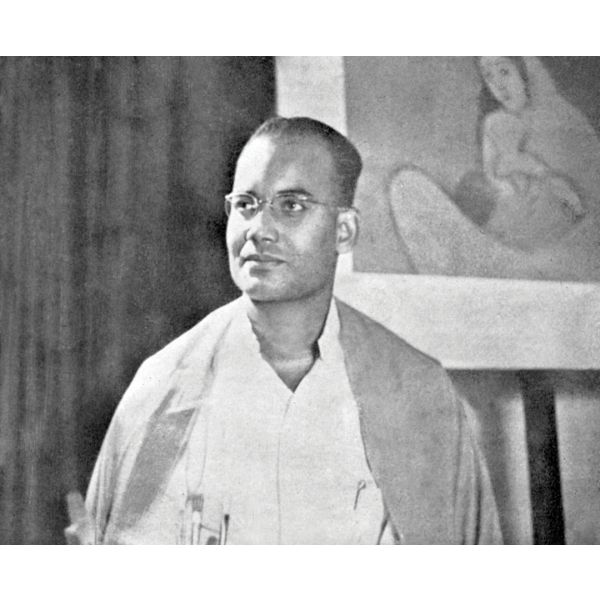 ArtistsBiswanath Mukerji$0.00Born and brought up in Benaras, Biswanath Mukerji left home as a teenager to become an artist. From 1939-45, he studied at the Government School of Arts, Lucknow, under Asit Kumar Haldar, Lalit Mohan Sen, Hiranmoy Roychoudhuri, and Bireswar Sen. He learnt to paint watercolours in the wash technique under Haldar, who himself had trained under Abandindranath Tagore. Learn More
 -
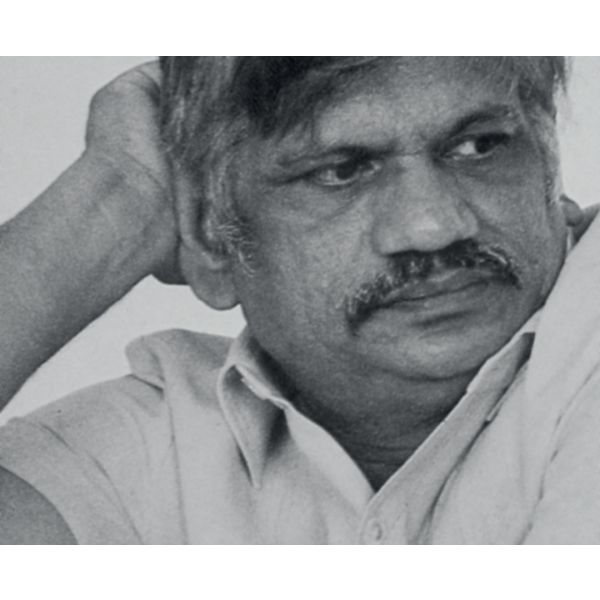 ArtistsB. Vithal$0.00Born in Maharashtra, B. Vithal took a diploma in sculptural art from Sir J. J. School of Art, Bombay. Taking to art with natural ease, he began drawing as early as five years of age, making Ganesha and other popular Hindu deities on his slate using chalk. The inspiration sustained through his entire life, and his work was mainly inspired by Hindu mythology, philosophy, and ancient Indian art. Learn More
 -
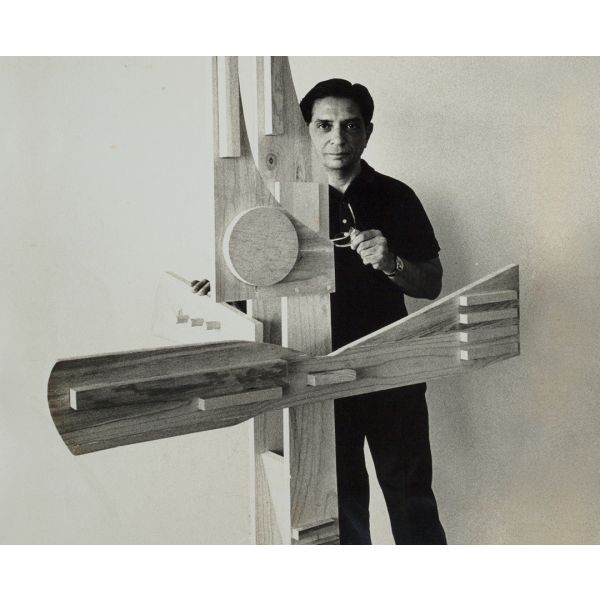 ArtistsAdi Davierwalla$0.00Born in 1922, pioneering modernist sculptor Ardeshir M. Davierwalla—fondly called Adi—was a pharmaceutical chemist by training; he went to school in Coonoor, Tamil Nadu, and studied pharmaceutical engineering at the Victoria Jubilee Technical Institute (now known as the Veermata Jijabai Technological Institute) in Bombay. Learn More
 -
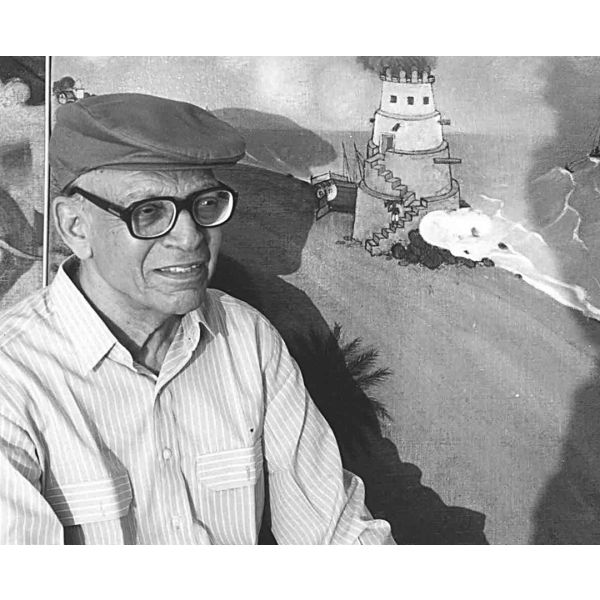 ArtistsA. A. Raiba$0.00Abdul Aziz Raiba was born in Bombay on 20 July 1922 and studied miniature painting at Sir J. J. School of Art upon receiving a scholarship in 1942. He was an early associate of the Progressive Artists’ Group but later struck out on his own due to difference of opinion with other members. Learn More
 -
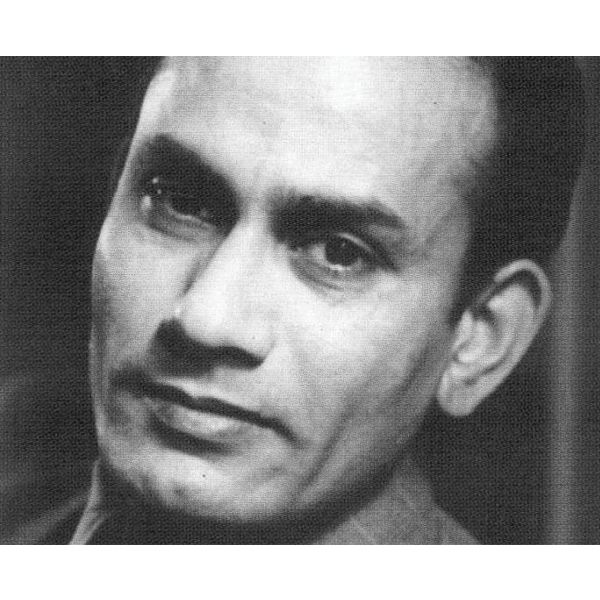 ArtistsVishwanath Nageshkar$0.00Of Goan origin, Vishwanath Nageshkar was born and raised in Kolhapur, Maharashtra, in 1910. He obtained his diploma from Sir. J. J. School of Art, Bombay, in 1930; he also specialised in frescos from the same institute. A contemporary of Amrita Sher-Gil, Nageshkar was one of the first Indian artists to move to Paris for his education—he studied at École National Supérieure des Beaux-Arts from 1930-35. Later, he studied at Kunstakademic in Munich, Germany, from 1938-40, and under Professor A. Strübe in Berlin, 1940-41. Learn More