


Search results for: 'The violations of the human rights principles of the United Kingdom s Rwanda Plan for Unlawful'
-
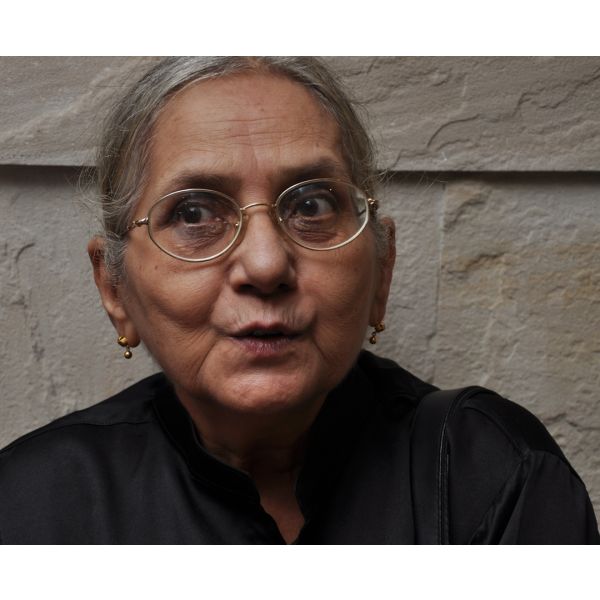 ArtistsGogi Saroj Pal$0.00Born in Uttar Pradesh in 1945, Gogi Saroj Pal studied art in Banasthali, Rajasthan, took a diploma at the Government College of Arts and Crafts, Lucknow, and a postgraduate diploma in painting from the College of Art, New Delhi. Learn More
 -
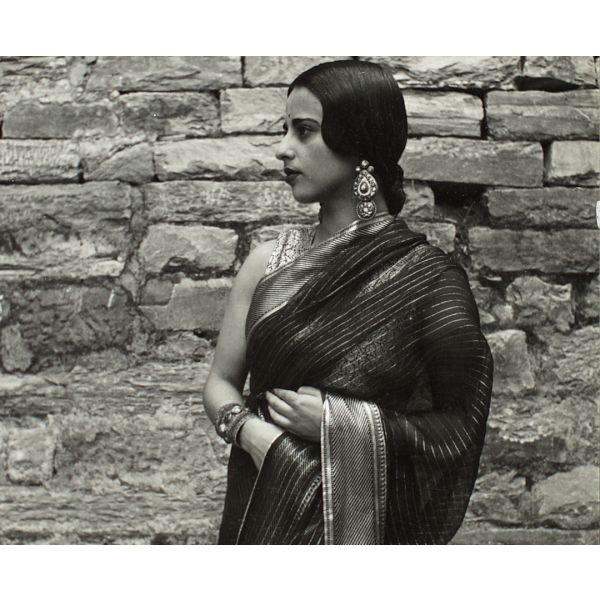 ArtistsAmrita Sher-Gil$0.00Amrita Sher-Gil was born in Budapest on 30 January 1913, to a Sikh aristocrat father and a Hungarian mother, who was an opera singer. Learn More
 -
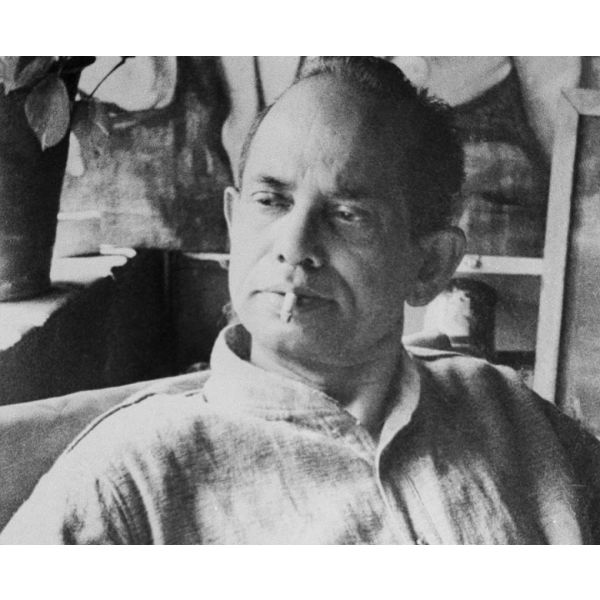 ArtistsAbani Sen$0.00An artist who died with the brush in his hand like a true devotee of his profession, Abani Sen graduated from the Government School of Art, Calcutta, under Percy Brown. Learn More
 -
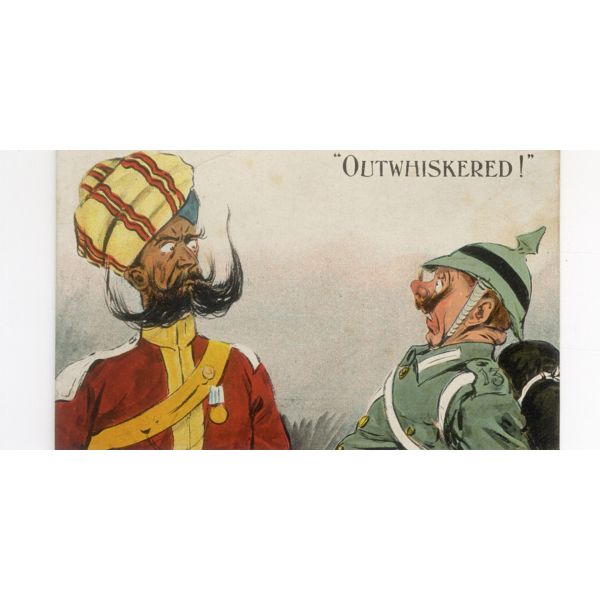 JournalArchive Case Files$0.00
The DAG Archives travel to schools and colleges for the first time with a new education programme—Archive Case Files. Follow the journey of these students as they work with a collection of World War I postcards, to learn more about the role of visual archives in the classroom.
Learn More -
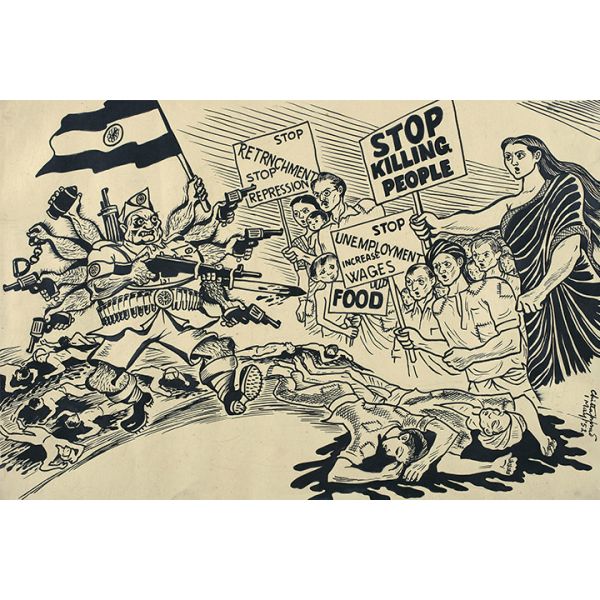 JournalBangladesh War by Chittaprosad$1.00
Chittaprosad couldn’t have created a more germane work in honour of the people who successfully fought their oppressors to create an independent nation. A close examination of his masterpiece, Bangladesh War, reveals the artist’s use of symbols of hope against persecution and domination, art collector and philanthropist Nadia Samdani tells us.
Learn More -
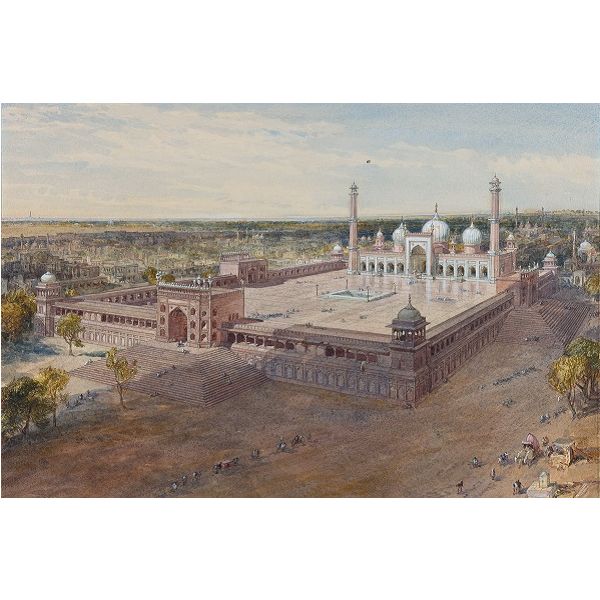 JournalRepresenting Architecture: How art influenced architecture$0.00European artists and architects were deeply influenced by the rich cultural heritage and artistic traditions of India, which, in turn, influenced their architectural designs. Artistic representations served as a bridge between cultures, leading to the incorporation of Indian motifs, styles, and decorative elements in colonial architecture. Learn More
 -
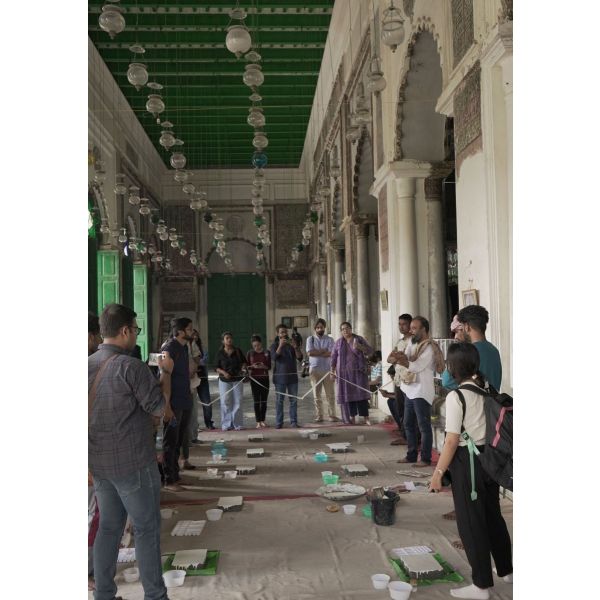 Collection StoriesThe City as a Museum, Kolkata—A Visual Journey$1.00
DAG Museum’s annual festival ‘The City as a Museum’ attempts to explore the various archives, communities and artistic traditions that cohere around the life of a city. Put together, they tell different stories about the city across time and space, from the point of view of neighbourhoods, collections and institutions, but not just limited to those either.
In order to learn more about this unique programme that seeks to explore heritage outside the walls of a traditional gallery or museum, read on!
Learn More -
 Collection OnlineCHITTAPROSAD$1.00
Chittaprosad (1915 – 1978) was an artist of the people. A firm believer in the power of political art to bring tangible change in society, he is remembered for political cartoons and caricatures lampooning the ruling elite while championing the cause of the working class.
He was also a dedicated journalist working for the Communist Party of India (CPI) and was sent by the party to document the effects of the Great Bengal Famine of 1943 in Bengal’s villages and towns. He would come back with harrowing stories and sketches of hunger and death and publish them in the CPI’s journal People’s War, something that would prove to be extremely important in the face of British censorship on news about the famine.
Post-Independence, Chittaprosad distanced himself from the CPI due to ideological differences and moved to the outskirts of Bombay. He continued registering protest through his art but focussed increasingly on art for children. He setup a puppet studio, Khela-ghar and created beautiful retellings of epics and folk tales in print.
Learn More -
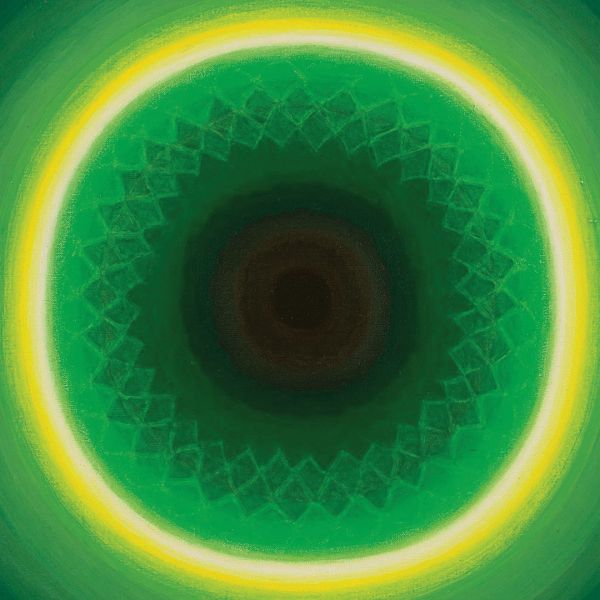 Art FairsArt Dubai$0.00
For its debut participation in the modern section of Art Dubai 2017, DAG focussed on the unconventional theme of Neo-Tantra as a way of bringing India’s unique school of abstraction to global attention. The booth featured works by two of the country’s leading practitioners of this school—G. R. Santosh and Biren De. The stunning, colour- and energy-filled canvases drew all eyes towards itself, making it the singularly most-visited booth in the section.
Learn More -
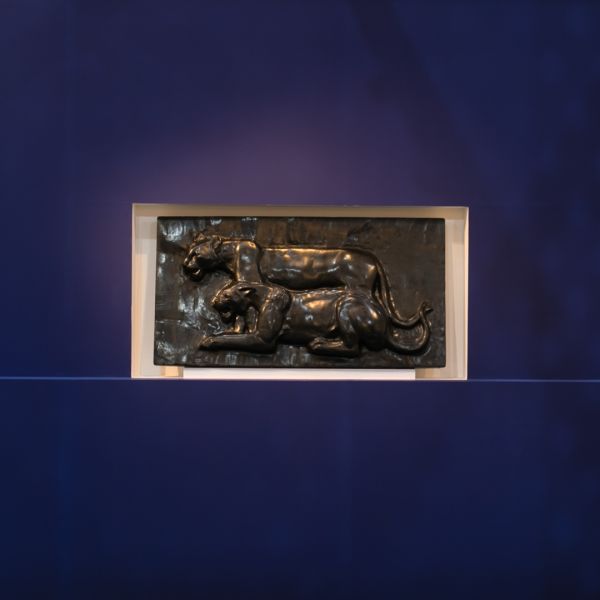 Art FairsIndia Art Fair$0.00
This exemplary themed exhibition at DAG’s booth at the India Art Fair 2018 was a masterclass in Indian art dedicated to the nine National Treasure artists. This declaration in the decade of the 1970s was intended to identify artists whose contribution had national significance. Even though the selection appears arbitrary and argumentative, the nine artists cannot be faulted for the quality of their work and the role they played in segueing the pre-independence freedom movement with their role and responsibility as artists. Nandalal Bose Sailoz Mookherjea Abanindranath Tagore Jamini Roy Amrita Sher-Gil Rabindranath Tagore Gagnendranath Tagore Nicholas Roerich Raja Ravi Varma
Learn More -
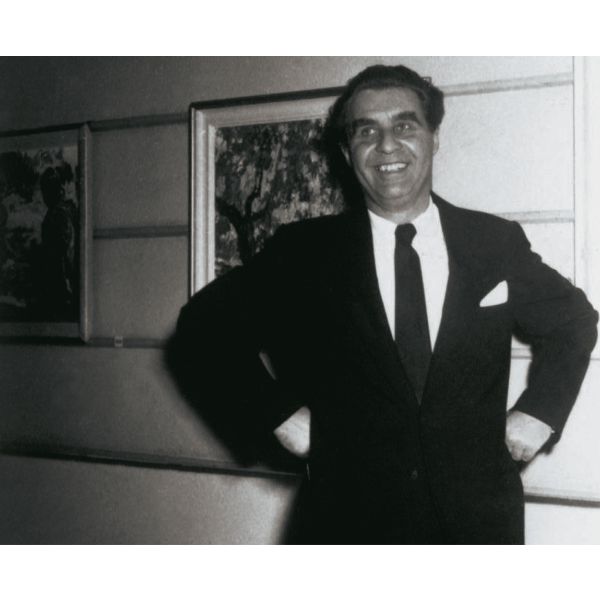 ArtistsWalter Langhammer$0.00Born in Graz, Austria, Walter Langhammer came to India in the 1930s with his wife Käthe Urbäch, escaping Nazi Germany like other refugees. Some media reports suggest that British authorities had arrested the couple on their arrival in India till a friend, noted art critic Rudolf von Leyden, came to their rescue. Learn More
 -
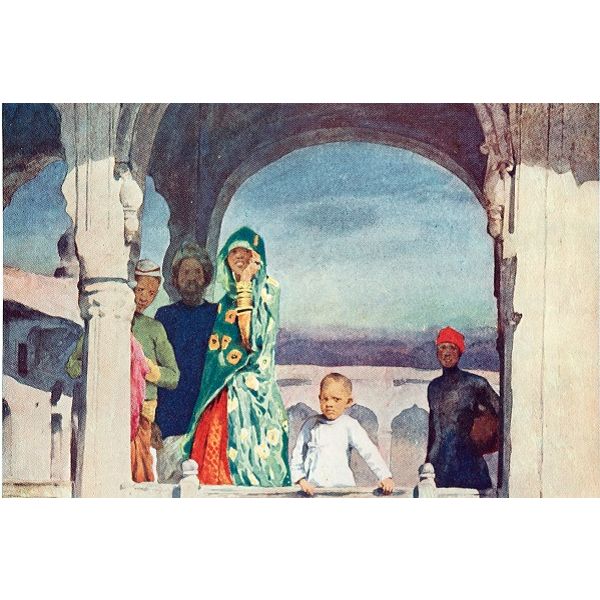 JournalChronicling the Durbar: Images and voices from Delhi$0.00
Who were the significant chroniclers of the Durbars?
Learn More