


Search results for: 'cité des sciences et de l'industrie'
-
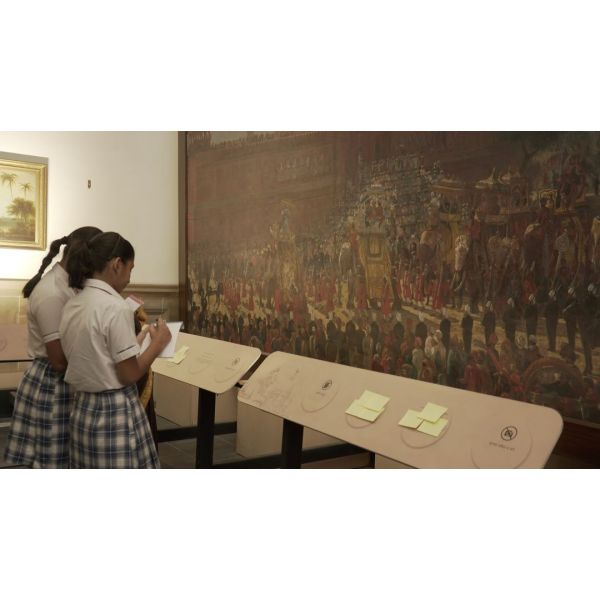 Events and Programmes(Un)making History$1.00
A creative workshop for young people, from ages 12 to 14 years, interacting with the narratives depicted in history paintings, inspired by a special viewing of artworks from the museums’ vaults.
Learn More -
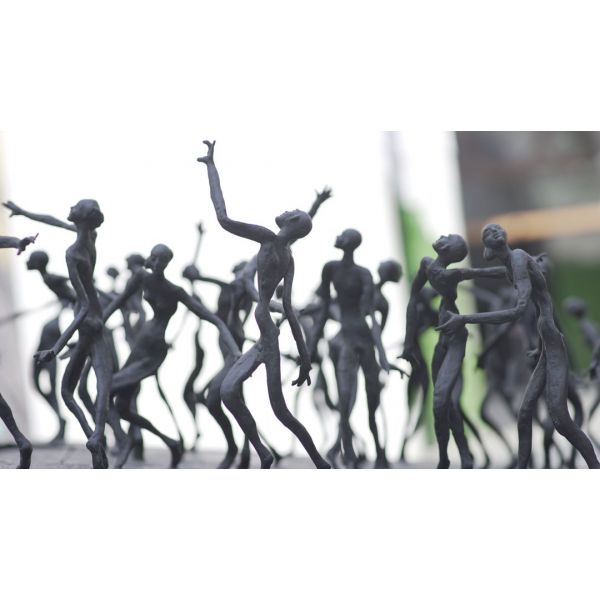 Events and ProgrammesCurious Curatorium$1.00
An online opportunity for young researchers and early career professionals, from History, Art History, Cultural Studies and related fields, to develop research projects under the guidance of eminent academicians and scholars.
Learn More -
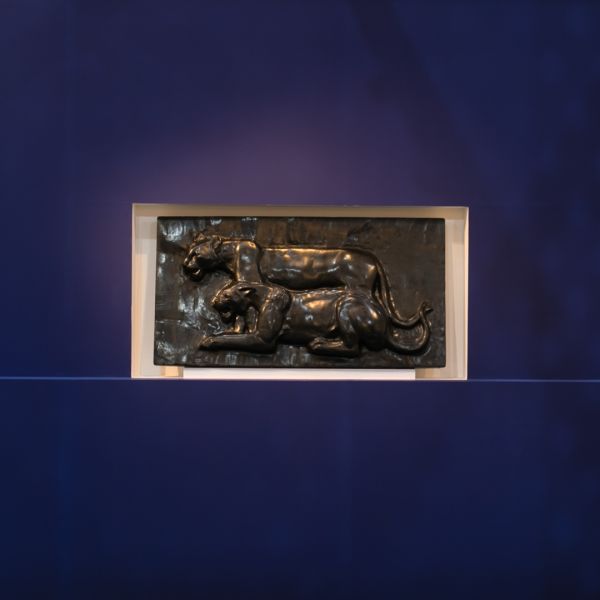 Art FairsIndia Art Fair$0.00
This exemplary themed exhibition at DAG’s booth at the India Art Fair 2018 was a masterclass in Indian art dedicated to the nine National Treasure artists. This declaration in the decade of the 1970s was intended to identify artists whose contribution had national significance. Even though the selection appears arbitrary and argumentative, the nine artists cannot be faulted for the quality of their work and the role they played in segueing the pre-independence freedom movement with their role and responsibility as artists. Nandalal Bose Sailoz Mookherjea Abanindranath Tagore Jamini Roy Amrita Sher-Gil Rabindranath Tagore Gagnendranath Tagore Nicholas Roerich Raja Ravi Varma
Learn More -
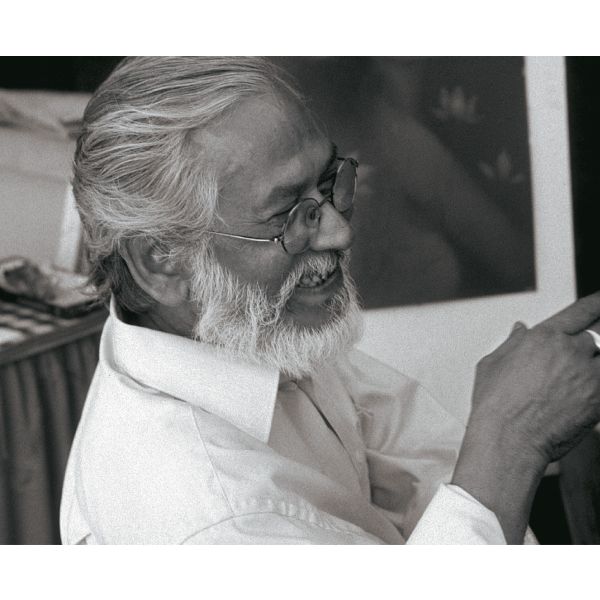 ArtistsSuhas Roy$0.00Born in Dacca (now Dhaka) in present-day Bangladesh, Suhas Roy had a difficult childhood after the early demise of his father. Yet, he pursued his passion for the arts with the support of his mother and studied at Indian College of Arts and Draughtsmanship, Calcutta, where he would eventually return as college principal. Learn More
 -
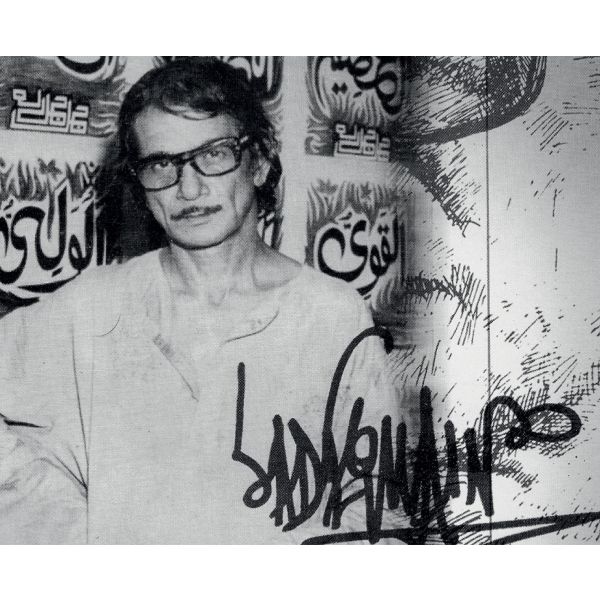 ArtistsSadequain$0.00One of the most important South Asian artists of the twentieth century, Syed Ahmed Sadequain Naqvi was born in Amroha in Uttar Pradesh in pre-Partition India and grew up in a family that highly valued calligraphy. He moved to Delhi in 1944 to work as a calligrapher-copyist with All India Radio where his elder brother was also working, but shifted to Pakistan following Partition. Moving between jobs for a few years in his new homeland, Sadequain devoted himself fully to the arts in 1955 after his fame as an artist rose with the patronage of the country’s prime minister, Huseyn Shaheed Suhrawardy. Learn More
 -
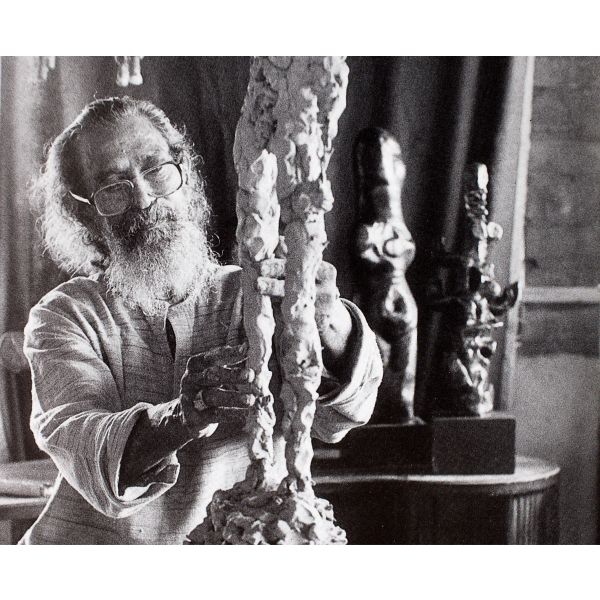 ArtistsS. Dhanapal$0.00Born on 3 March 1919 in Madras, S. Dhanapal trained under sculptor-teacher D. P. Roy Chowdhury at the city’s Government College of Art and Craft. He joined the faculty of his college after completing his studies, and, in 1957, when K. C. S. Paniker was principal, Dhanapal was appointed the head of the sculpture department. He eventually became principal of his alma mater in 1972. Learn More
 -
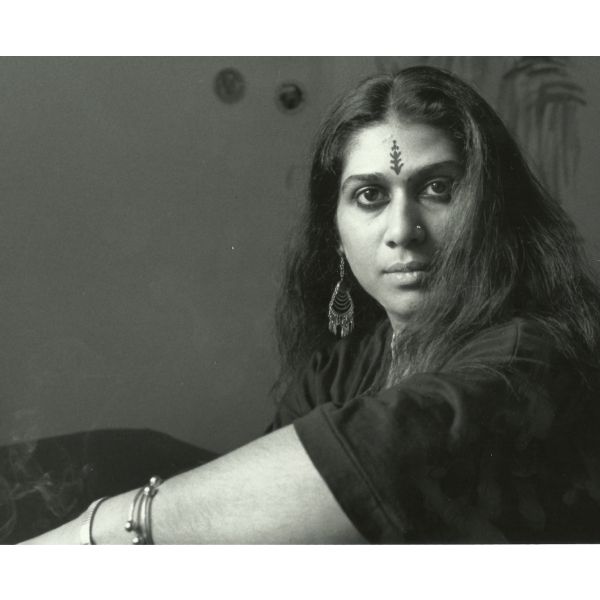 ArtistsRekha Rodwittiya$0.00Born on 31 October 1958 in Bangalore, Rekha Rodwittiya is an artist aligned with the Baroda School whose work engages with gender politics, socio-political subjugation, human degradation, violence and discrimination, all filtered through the prism of self-questioning. Learn More
 -
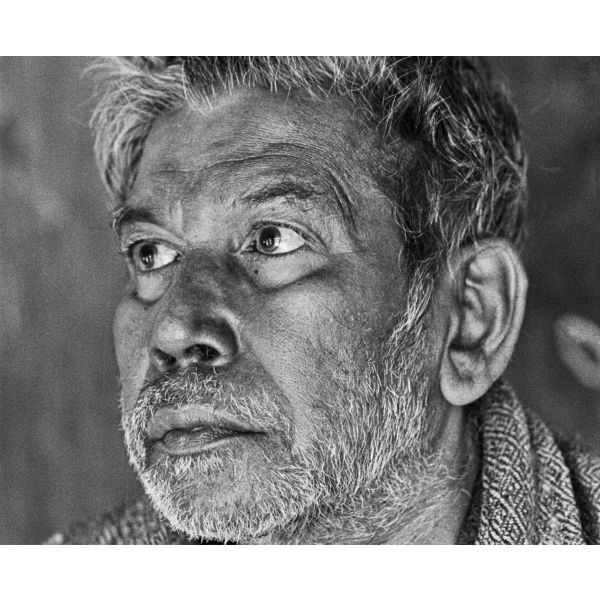 ArtistsRamkinkar Baij$0.00Born on 25 May 1906 in Bankura in Bengal, Ramkinkar Baij was an iconoclast who defied the artistic norms of Santiniketan, where he had enrolled on the advice of journalist Ramananda Chatterjee. Learn More
 -
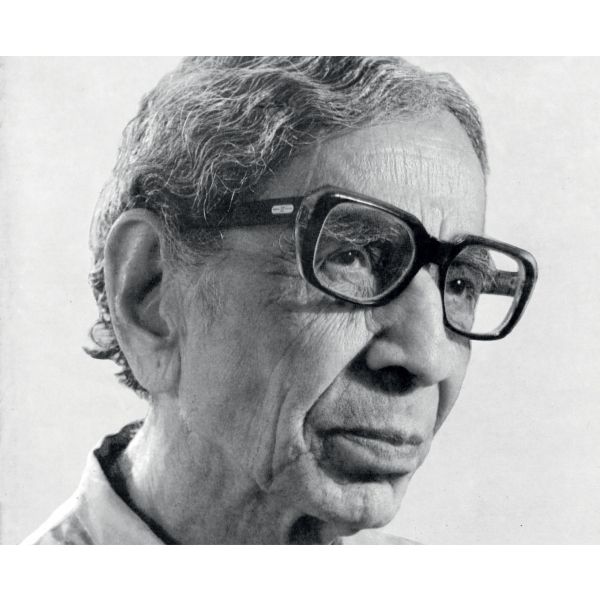 ArtistsRamgopal Vijaivargiya$0.00Born in Baler in Rajasthan’s Sawai Madhopur district in 1905, Ramgopal Vijaivargiya developed a keen interest in painting at an early age, initiated by a wandering sadhu of the Ram Snehi sect. He joined Maharaja School of Art and Craft in Jaipur, where Asit Kumar Haldar was principal. Learn More
 -
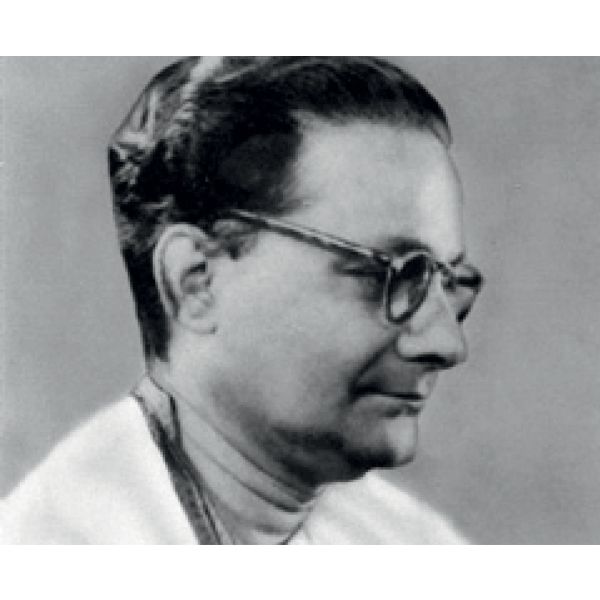 ArtistsRadha Charan Bagchi$0.00Born in 1910 in Pabna, in present-day Bangladesh, Radha Charan Bagchi graduated from College of Arts and Crafts, Calcutta, in traditional Indian art, oil painting, and Western academism. Abanindranath Tagore, Mukul Dey and other Bengal masters were major influences but Bagchi evolved his own artistic style. In 1951, he joined Kala Bhavana, Santiniketan, as teacher, officiating twice as its principal in subsequent years. Learn More
 -
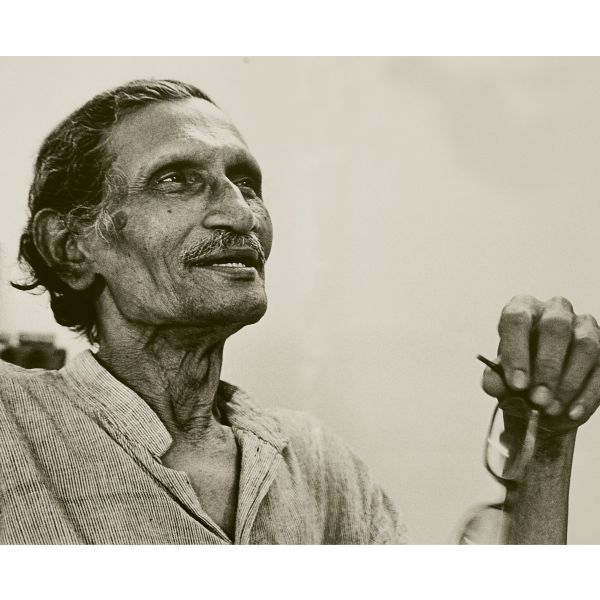 ArtistsRabin Mondal$0.00The son of a mechanical draughtsman, Mondal took to drawing and painting at the age of twelve when he injured his knee and was confined to bed. The Bengal famine of 1943 and the Calcutta communal riots of 1946 deeply impacted his psyche; he joined the Communist Party and became an activist. Mondal’s final refuge was art as the ultimate weapon of protest. Learn More
 -
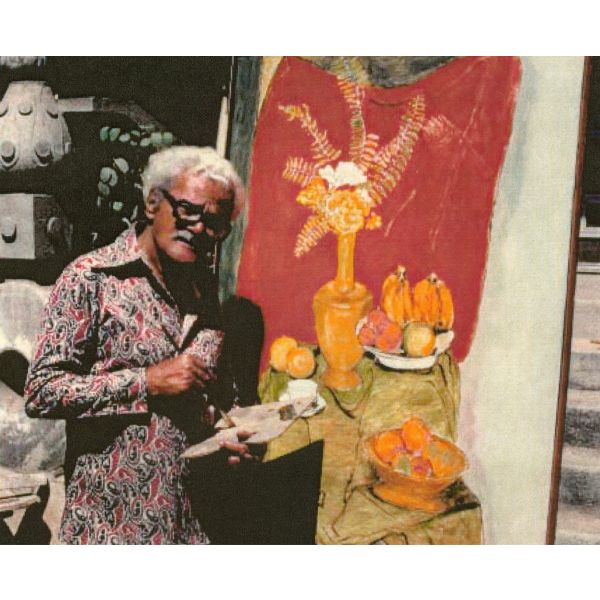 ArtistsP. T. Reddy$0.00Pakala Thirumal Reddy was born to a farmer’s family in Andhra Pradesh’s Karimnagar district. Defying his family’s opposition to art as a professional practice and fascinated with colour and form in his childhood, Reddy joined Sir J. J. School of Art, Bombay, on a scholarship, to study painting. Learn More