


Search results for: 'Abdur Rahman Chughtai Painter and artist'
-
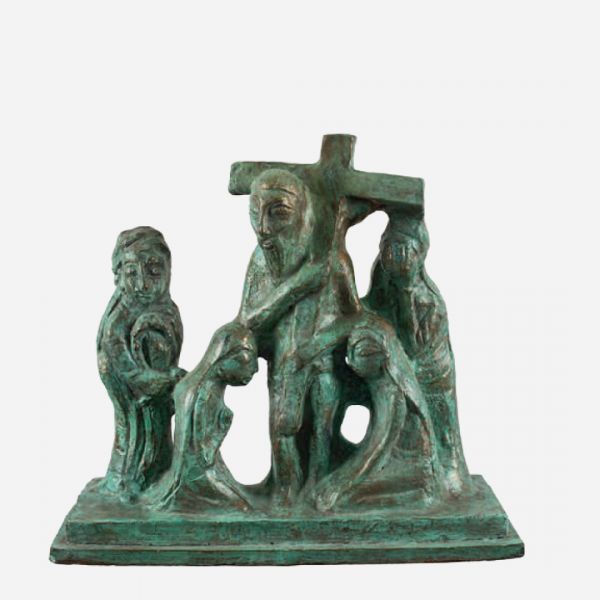 Art FairsArt Stage Singapore$0.00
Given Singapore’s sizeable Indian population and its position as a leading financial centre, DAG’s debut at Art Stage Singapore was an obvious corollary. Indian artists are avidly collected in this city-state but DAG’s attempt, as always, was to introduce the masters to visitors at the fair. While keeping in mind the best modernists, it also curated a selection most likely to appeal to Eastern sensibilities—thereby displaying its range and the diversity of Indian art. Akbar Padamsee Ambadas Avinash Chandra B. Prabha Bikash Bhattacharjee Dhanraj Bhagat F. N. Souza G. R. Santosh Gogi Saroj Pal Himmat Shah J. Sultan Ali Jeram Patel K. H. Ara K. K. Hebbar Laxman Pai M. F. Husain N. S. Bendre P. T. Reddy Paramjit Singh Prokash Karmakar Rabin Mondal Ram Kumar S. Dhanapal S. H. Raza Sakti Burman Sohan Qadri Sunil Das
Learn More -
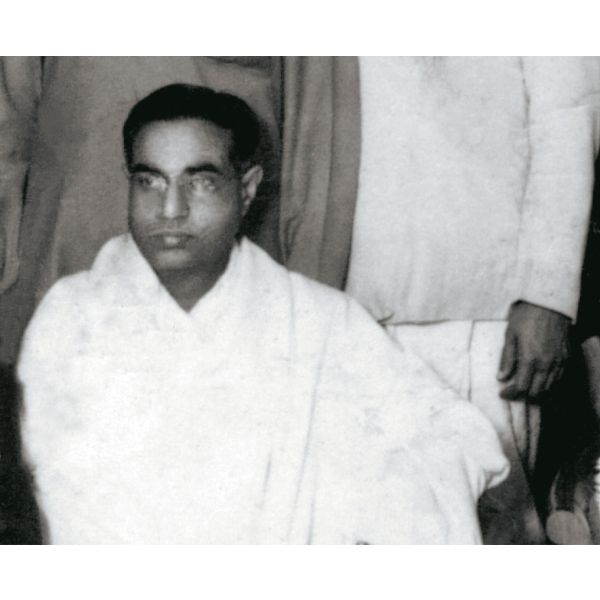 ArtistsSarada Charan Ukil$0.00An artist whose eponymously named art institution groomed some important Indian modern artists such as Ram Kumar and J. Swaminathan, Sarada Charan Ukil was an early pioneer of the Bengal School. Born on 14 November 1888 in Bikrampur near present-day Dhaka, Ukil shifted later to Calcutta with his family and studied at the city’s Government Art School under Abanindranath Tagore. Learn More
 -
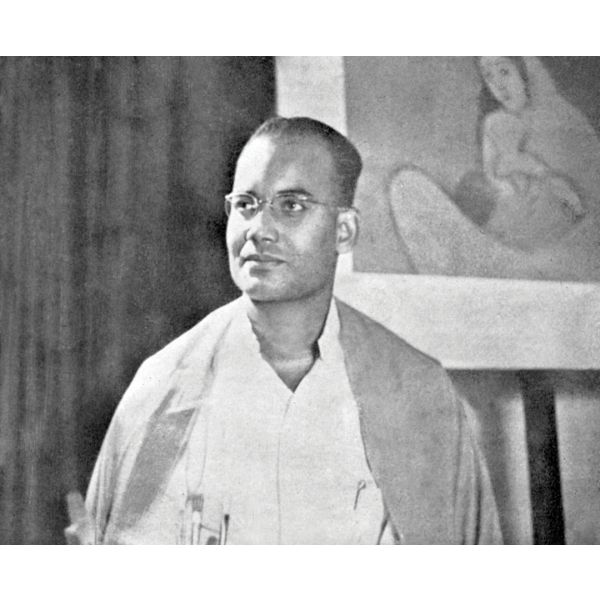 ArtistsBiswanath Mukerji$0.00Born and brought up in Benaras, Biswanath Mukerji left home as a teenager to become an artist. From 1939-45, he studied at the Government School of Arts, Lucknow, under Asit Kumar Haldar, Lalit Mohan Sen, Hiranmoy Roychoudhuri, and Bireswar Sen. He learnt to paint watercolours in the wash technique under Haldar, who himself had trained under Abandindranath Tagore. Learn More
 -
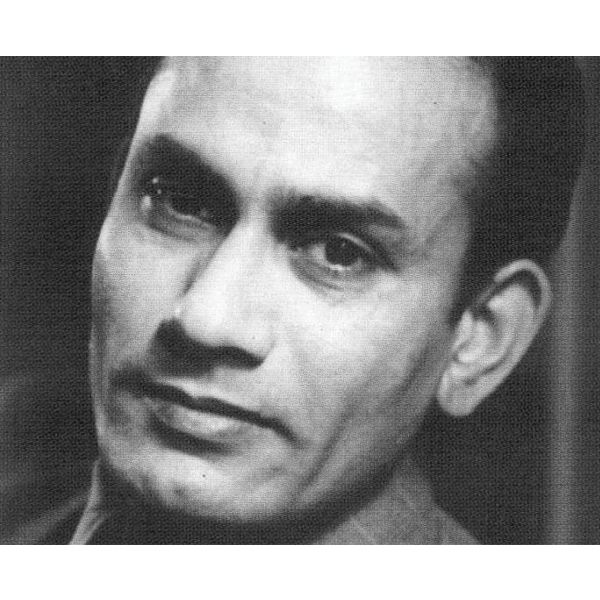 ArtistsVishwanath Nageshkar$0.00Of Goan origin, Vishwanath Nageshkar was born and raised in Kolhapur, Maharashtra, in 1910. He obtained his diploma from Sir. J. J. School of Art, Bombay, in 1930; he also specialised in frescos from the same institute. A contemporary of Amrita Sher-Gil, Nageshkar was one of the first Indian artists to move to Paris for his education—he studied at École National Supérieure des Beaux-Arts from 1930-35. Later, he studied at Kunstakademic in Munich, Germany, from 1938-40, and under Professor A. Strübe in Berlin, 1940-41. Learn More
 -
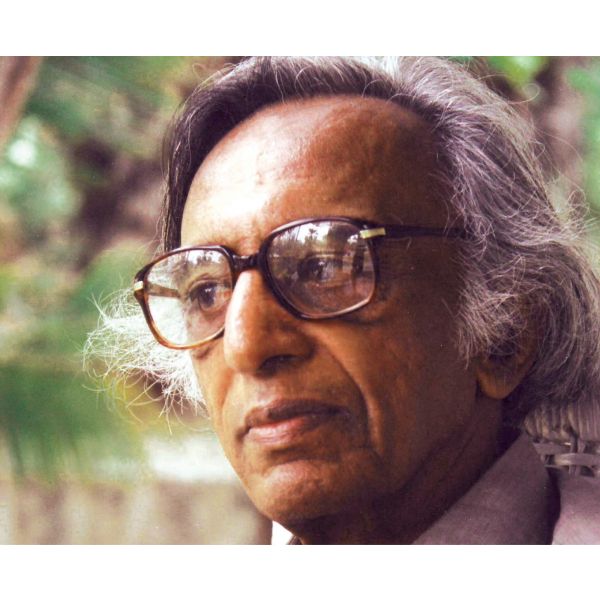 ArtistsTyeb Mehta$0.00It is ironical that works by Tyeb Mehta, who did not attach much merit to the financial value of art, were the first by a living Indian artist to sell for more than Rs 1 crore, and, soon, for more than a million dollars, indicating a beginning of interest in Indian art in the international market. His works Celebration, Kali and Mahishasura marked the beginning of the boom in the Indian art market at the start of this century. Learn More
 -
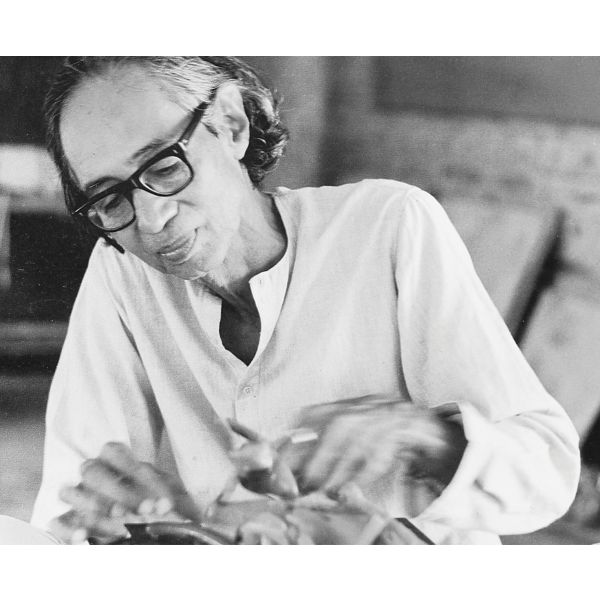 ArtistsSomnath Hore$0.00A multifaceted artist who spent a lifetime exploring human suffering through his sketches, prints and sculptures, Somnath Hore was born in Chittagong in present-day Bangladesh in 1921. Studying briefly at Government School of Art, Calcutta, in the mid-1940s, Hore trained under Zainul Abedin, and, later, under printmaker Saifuddin Ahmed. A participatory practice with fellow artists like Chittaprosad led to his intellectual growth. Learn More
 -
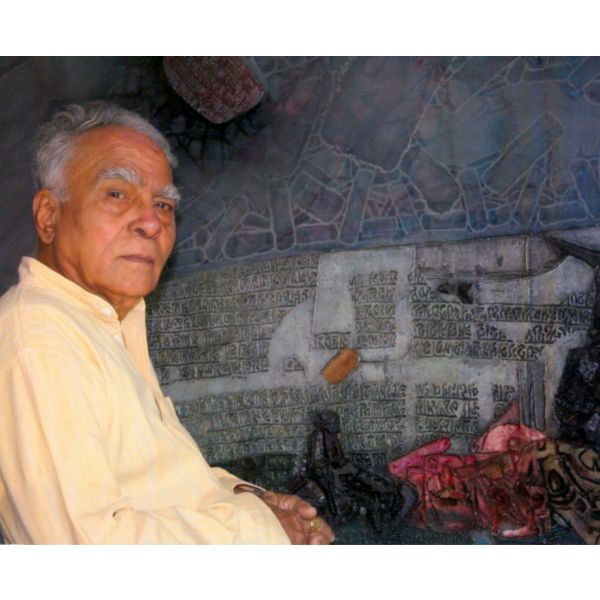 ArtistsShanti Dave$0.00Born in a family of limited means, Shanti Dave grew up in a village called Badpura in north Gujarat. Moving later to Ahmedabad, he earned a living by painting signboards and billboards for films before enrolling at the Faculty of Fine Arts, M. S. University, Baroda, where he studied under eminent artist-teacher N. S. Bendre, completing his graduation (1950-56) and post piploma in Fine Art (1956-58). Learn More
 -
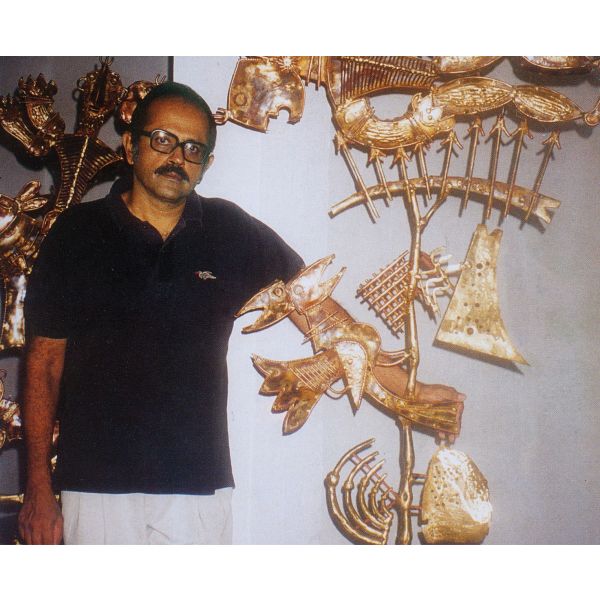 ArtistsS. Nandagopal$0.00Born in Bangalore to the illustrious K. C. S. Paniker, the father of the Madras Art Movement and the visionary behind Cholamandal Artists’ Village, S. Nandagopal’s tryst with art, unsurprisingly, began early on. Just like his father, Nandagopal’s work was a synthesis of tradition and modernity. Learn More
 -
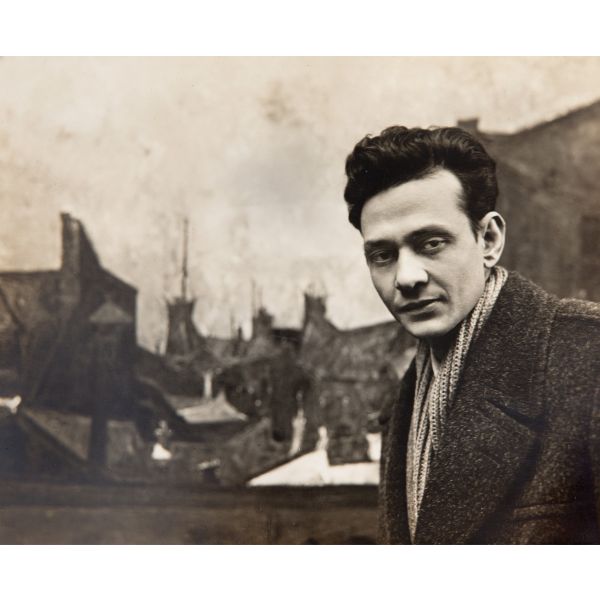 ArtistsS. H. Raza$0.00
One of India’s most seminal modernists, Syed Haider Raza was born on 22 February 1922 in Mandla, Madhya Pradesh, and forged a new language of art by integrating Indian symbolism with Western expression. A student of Sir J. J. School of Art, Bombay (1943-47), and one of the first members of the Progressive Artists’ Group, the turning point of his career was his journey to Paris in 1950 on a French government scholarship to study at École Nationale des Beaux-Arts. In 1956, he became the first non-French artist to win the critic’s award, the Prix de la critique.
Learn More -
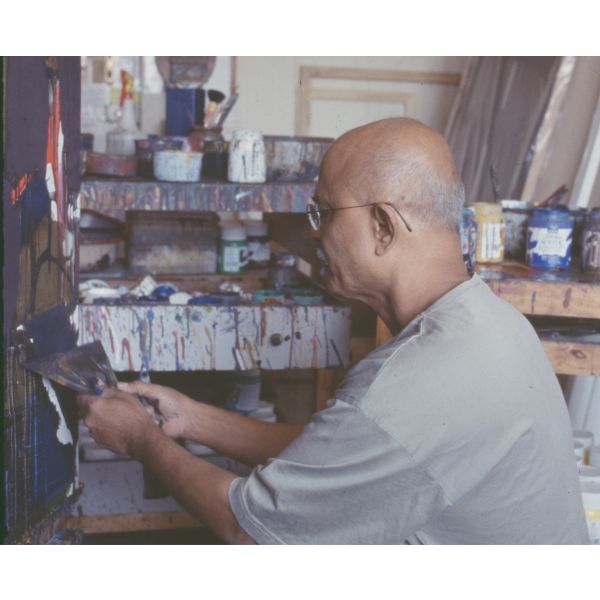 ArtistsPrabhakar Kolte$0.00The search for abstraction in Indian art in the early years of Independence was born out of a desire among artists to attain an independent idiom of modernism. Rooted in the country’s philosophical and religious aesthetic, Prabhakar Kolte is among the leading practitioners engaged in this quest. A master of poetic and metaphysical abstractionism, Kolte received a diploma in painting from Sir J. J. School of Art, Bombay, in 1968. Initially, he freelanced as an illustrator, also working as a designer at Bombay Dyeing. Learn More
 -
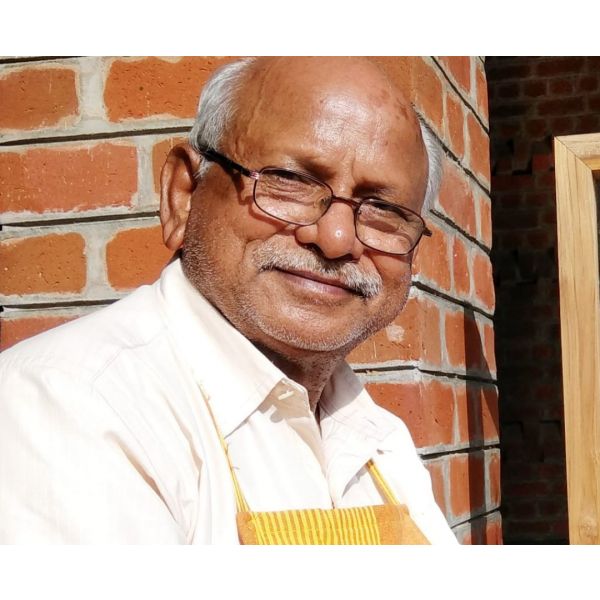 ArtistsMoti Zharotia$0.00Moti Zharotia was born in Delhi and remembers taking impressions of patterns carved on potatoes in childhood as his earliest artistic activity. He loved creating works of art but dreamt of becoming a lawyer, and therefore graduated in political science from Delhi University. Learn More
 -
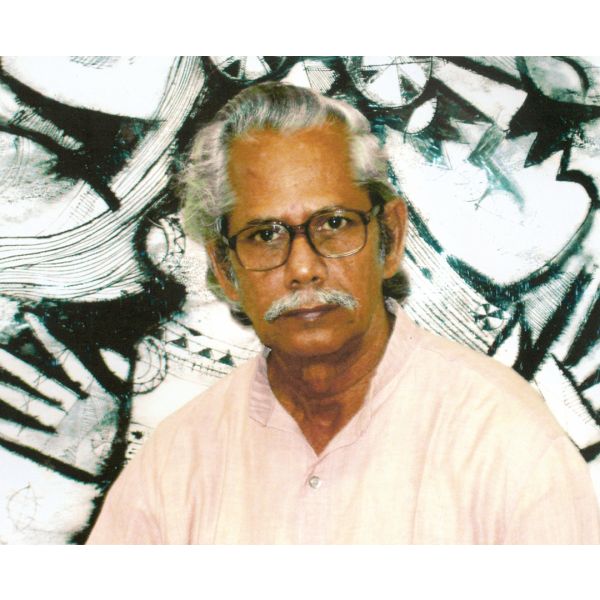 ArtistsM. Senathipathi$0.00A student of K. C. S. Paniker—the influential artist-teacher and founding father of the Madras Art Movement—M. Senathipathi is known for his richly textured works drawn from mythology and contextualised in contemporary social issues. Learn More