Search results for: 'como ir del aeropuerto de querétaro a la central de autobuses'
-
 Institutional CollaborationsBirds of India: Company Paintings c. 1800 to 1835$1.00
In celebration of birds and the long relationship art has shared with the winged creatures, this exhibition brings together four folios to present portraits of Indian birds made in the early nineteenth century. While representations of birds date back to the Ajanta murals, naturalistic imagery reached its peak in Mughal art under Emperor Jahangir. In the late 18th century two connected developments emerged in Lucknow and Calcutta. While General Claude Martin provided imported European paper to the artists in Lucknow to prepare botanical studies and other natural history works, in Calcutta Mary, Lady Impey (wife of Chief Justice of the Supreme Court in Bengal, Elijah Impey) had a menagerie where she employed artists to portray variety of animals and birds. Dr. William Roxburgh, superintendent of Calcutta Botanical Garden from 1793, also added to the discourse of natural history by appointing local artists to make botanical studies of the specimens in his charge. The efforts of Martin, Impey, Roxburgh and their artists gave rise to a large body of Company Paintings dedicated to natural history.
Learn More -
 Art FairsExpo Chicago$0.00
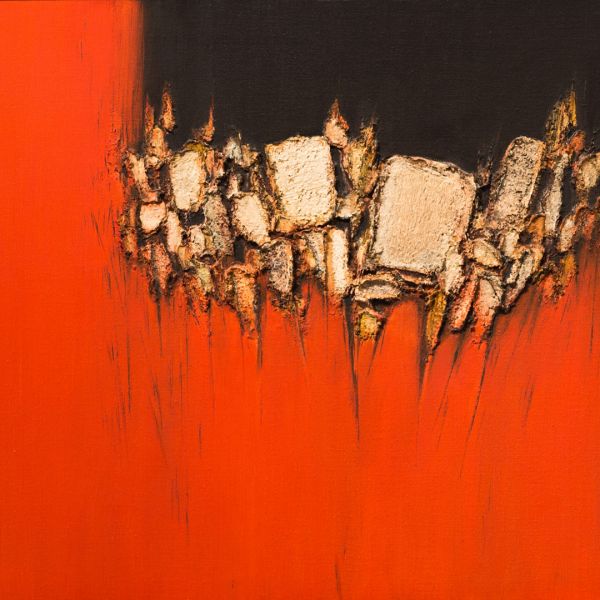
The midwestern city of Chicago hosts one of America’s most important art fairs—Expo Chicago—in which DAG participated in an attempt to introduce Indian moderns to the diaspora there as well as to art-lovers in general. To introduce art to this midwestern population, DAG picked on well-established names from the Indian art marquee. This included the National Treasure artist Jamini Roy whose works outside India are a rarity since they cannot be exported. Others included the Progressives F. N. Souza and M. F. Husain, New York-based printmakers Krishna Reddy and Zarina Hashmi (both now deceased) and artist Natvar Bhavsar, abstractionists Sohan Qadri and G. R. Santosh, a rare sculpture by Prodosh Das Gupta, and a body of other modernists representing the diverse range of works created by Indian artists in the twentieth century. A suite of small format watercolour landscapes by Bireswar Sen was a highlight of the booth. Avinash Chandra Bireswar Sen Chittaprosad F N Souza F N Souza G R Santosh Ganesh Pyne Jamini Roy K.S Kulkarni Krishna Reddy Laxman Pai M F Husain Madhvi Parekh Natvar Bhavsar Paritosh Sen Prodosh Das Gupta Rabin Mondal Sohan Qadri Zarina Hashmi
Learn More -
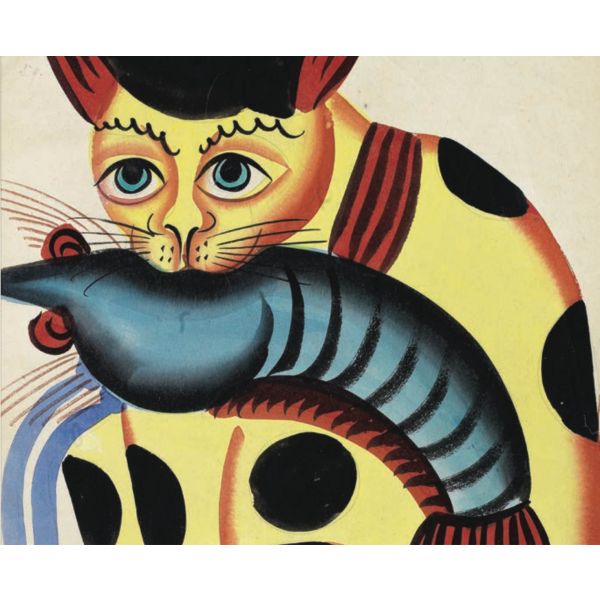 ArtistsKalighat Pats$0.00The Kalighat temple came up in Calcutta in 1809, drawing communities of traditional artisans who began to produce pats or paintings on religious and mythological themes, sold to the pilgrims as souvenirs. Traditionally painted on cloth accompanied by vocal renditions of the illustrated, these pats were now produced by the largely anonymous pat makers, or patuas, on paper—cheap and easily accessible—in response to urban needs. They remained popular till the early decades of the twentieth century. Learn More
 -
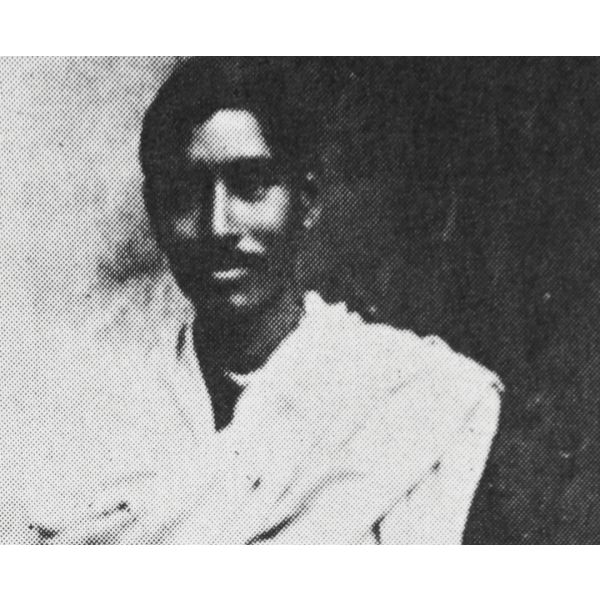 ArtistsJogesh Chandra Seal$0.00Jogesh Chandra Seal was an active member of the enthusiastic art scene of Calcutta in the early decades of the twentieth century. However, due to his short life of thirty-one years, he could not leave behind a comprehensive body of work. His academic oil paintings, Untitled (Disappointed), 1919, and Lady Lighting a Diya, 1921, have recently appeared at international auctions, bringing spotlight on this accomplished artist who was closely associated with the values of the Bengal School of painting. Learn More
 -
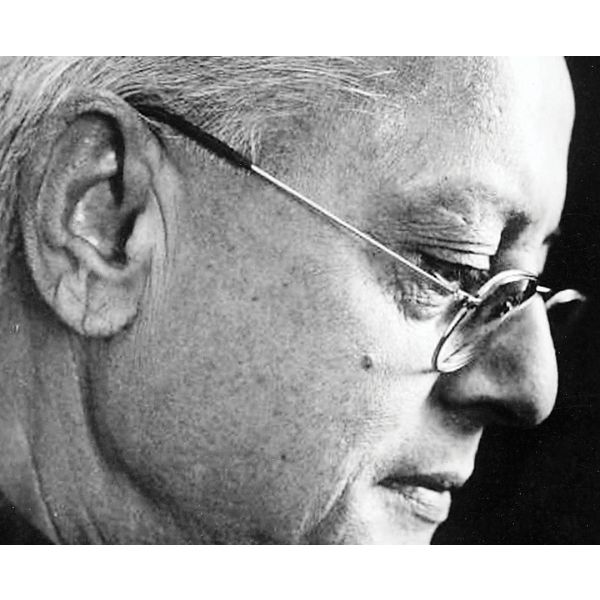 ArtistsBireswar Sen$0.00A miniature landscape artist par excellence, Bireswar Sen is known for evolving a unique style wherein he painted vistas of the gigantic Himalayas and the deep valleys on a minuscule scale. Learn More
 -
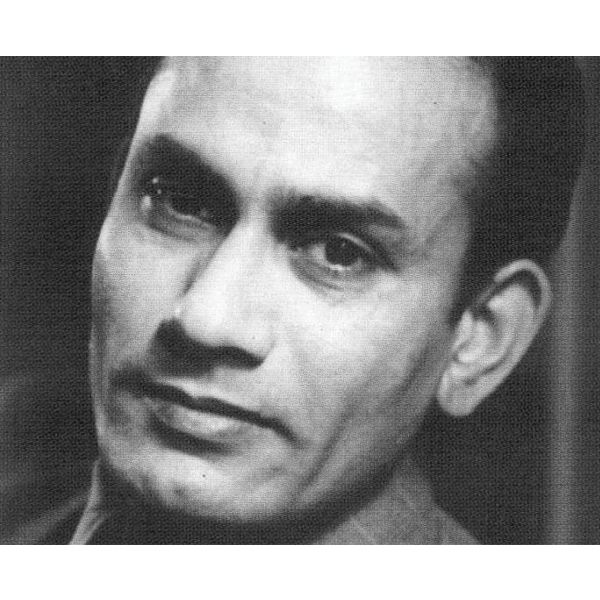 ArtistsVishwanath Nageshkar$0.00Of Goan origin, Vishwanath Nageshkar was born and raised in Kolhapur, Maharashtra, in 1910. He obtained his diploma from Sir. J. J. School of Art, Bombay, in 1930; he also specialised in frescos from the same institute. A contemporary of Amrita Sher-Gil, Nageshkar was one of the first Indian artists to move to Paris for his education—he studied at École National Supérieure des Beaux-Arts from 1930-35. Later, he studied at Kunstakademic in Munich, Germany, from 1938-40, and under Professor A. Strübe in Berlin, 1940-41. Learn More
 -
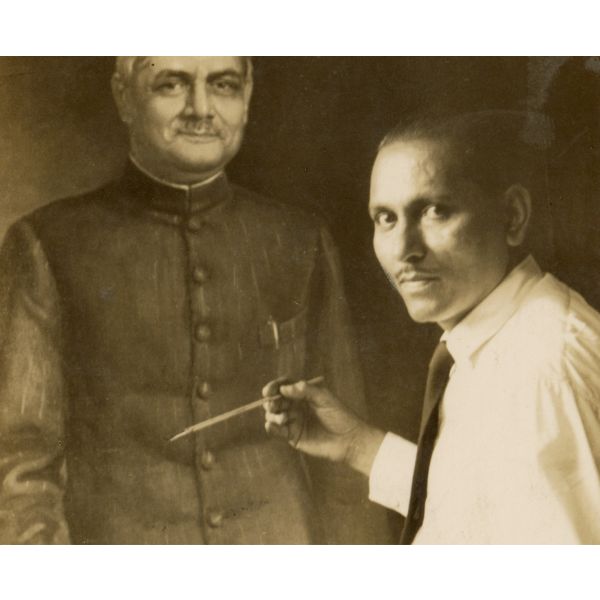 ArtistsV. A. Mali$0.00Born into a family of painters in Kolhapur, Vasant Anant Mali studied art professionally at Sir J. J. School of Art, Bombay, in the 1920s. It was here that he grasped the nuances of painting through academic realism. Working mostly in the medium of watercolour and oil, Mali keenly observed how some of his teachers, including Walter Langhammer, worked with various tools and applied bold brushstrokes with knife. Mali’s work had a forcefulness, a depth that was unique and could be seen, particularly, in portraits done by him. Learn More
 -
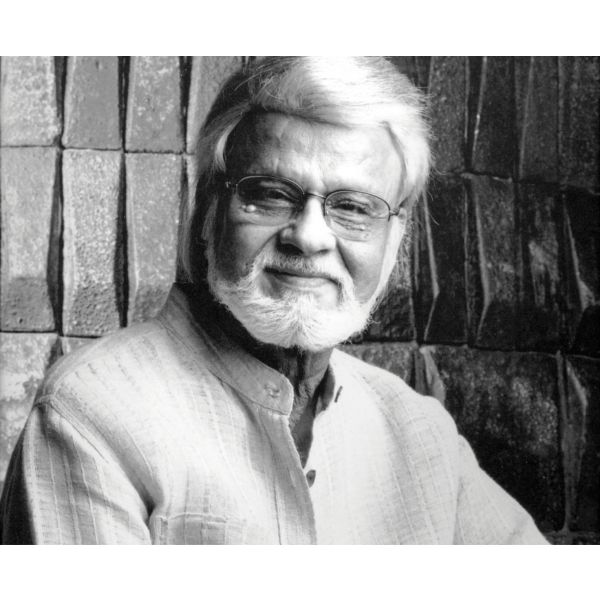 ArtistsSatish Gujral$0.00Renowned for his versatility as painter, sculptor, muralist, and architect, Satish Gujral was born in Jhelum in pre-Partition Punjab on 25 December 1925. His parents nurtured his inclination towards the creative arts while he was recovering from an accident as a child that cost him his hearing and speech. He trained at Mayo School of Art, Lahore, and briefly at Sir J. J. School of Art, Bombay. He also came in contact with the Progressive Artists’ Group but parted ways to chart his own course in search of an Indian modernism. Learn More
 -
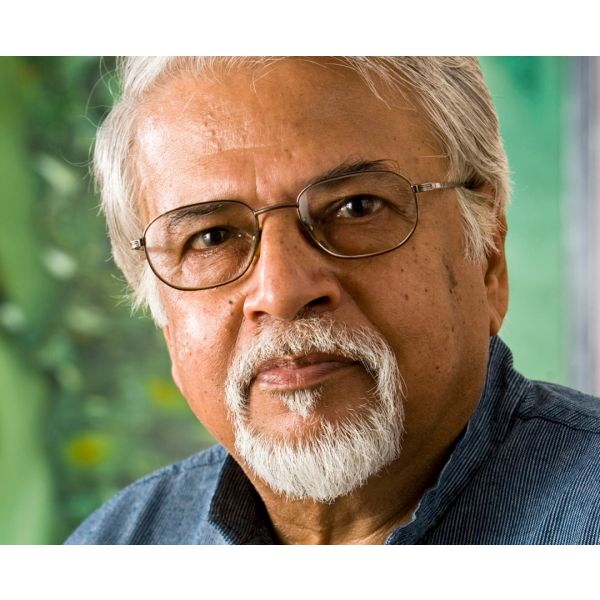 ArtistsS. G. Vasudev$0.00Born in Mysore, S. G. Vasudev completed his diploma in fine arts, from Government College of Art and Craft, Madras, in 1968, where he was deeply influenced by artist-teacher K. C. S. Paniker. While still a student, he won Lalit Kala Akademi’s national award in 1967. Learn More
 -
 ArtistsM. S. Joshi$0.00Born in Nashik, Maharashtra, M. S. Joshi studied at Sir J. J. School of Art, Bombay, in the 1930s. Joshi combined his training in academic realism with a sense of vitality, precision and aesthetics to reveal India’s rich cityscapes and landscapes in his watercolour and gouache works. There was immense depth in the rendering of his subjects, which included people, places, architectural elements, all done in a subdued yet textured palette. Learn More
 -
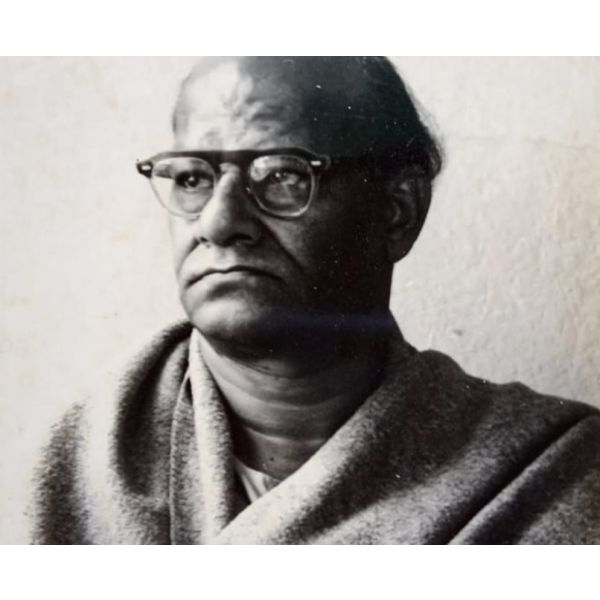 ArtistsD. P. Roy Chowdhury$0.00Devi Prasad Roy Chowdhury was born in Tajhat (in present day Bangladesh) in 15 June 15 1899. He learnt painting from Abanindranath Tagore, life drawing and portraiture from E. Boyess, and sculpting from Hiranmoy Roychoudhuri, with later training in Italy. Equally at ease with plaster and paint, he evolved his skills in bronze casting, and executed paintings that were an amalgam of the Chinese technique, the Japanese wash process, and his own scratching method, though his early paintings bore Tagore’s influence. Learn More