


Search results for: 'Anandlok society mayur vihar phase 1 n'
-
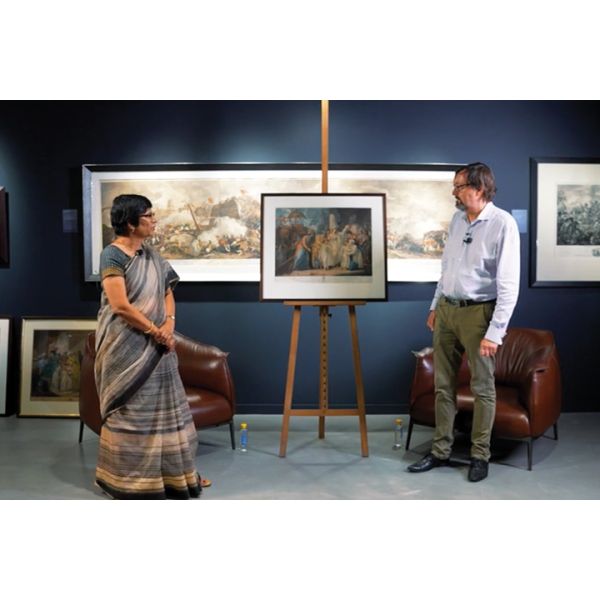 JournalTipu Sultan: Image & Distance$0.00A talk by academician and author Prof. Dr. Vandana Bhandari on Costumes and Textiles from the 18th Century Mysore. Learn More
 -
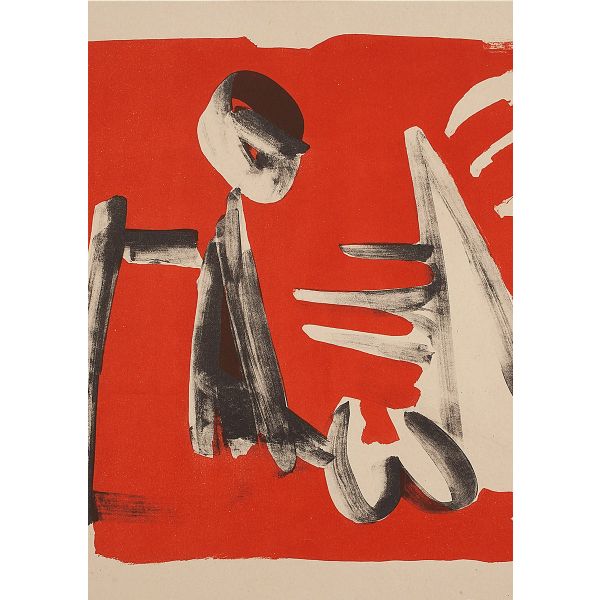
 JournalBefore the Chaos of Destruction: Jeram Patel's Iconic Works$0.00
Artists often proceed through a trial and error method—an incessant experimentation—leaving behind a singular trail of oeuvre composed of an irreconcilable, yet inseparable, set of works. Born in the small town of Sojitra in the Kheda district of Gujarat, Jeram Patel studied drawing and painting at Sir J. J. School of Art, Bombay. In 1959, excellence in his work led him to pursue commercial design at Central School of Arts and Crafts, London, on a scholarship, and also travel to France and Japan. Thereafter, he successfully held solo exhibition at various places in India and abroad, and participated in international events such as the Tokyo Biennale and Sao Paulo Art Biennale (both in 1963).
Learn More -
 Collection StoriesA Tryst with Destiny: A Visual Journey$1.00
Colonization is perhaps best understood as a process that unfolded over time than as a single historical event. In India and South Asia it began with the East India Company acquiring rights over land in different parts of the country, with the occasional political victories won on the battlefields. Since the Battle of Plassey (1757), their power over legislative and judicial matters grew steadily, backed by a strong military presence. Following the First War of Independence in 1857, the British Crown brought most parts of the Indian subcontinent under its direct rule, continuing to hold power until 1947.
Learn More -
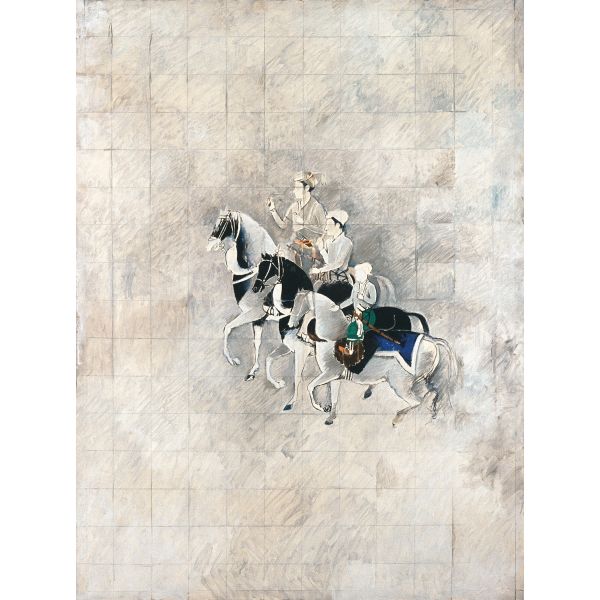 Events and ProgrammesModern Art in Pakistan$1.00
A journey through the decades post the 1950s in Pakistan with art historian Simone Wille, from the University of Innsbruck, exploring the works of pioneering artists who looked to history and tradition to develop new visual languages, while also creating dialogues globally through travel.
Learn More -
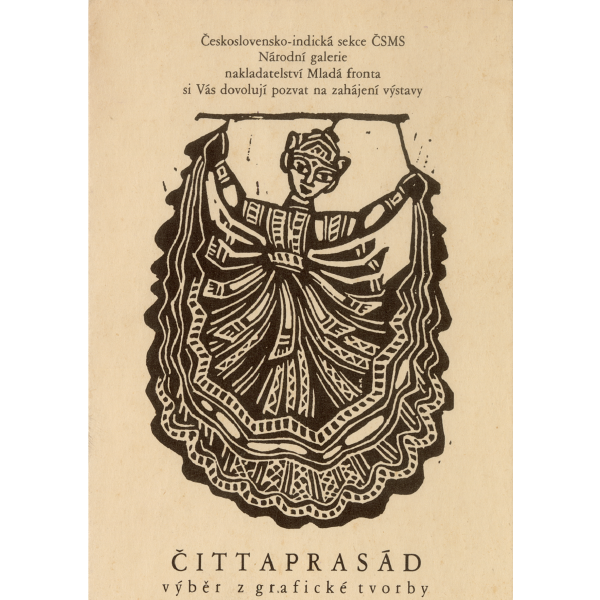 Collection StoriesAfter the Storm: Chittaprosad’s late oeuvre$0.00
Chittaprosad Bhattacharya (1913-1978) was a versatile artist and a lifelong adherent of the socialistic worldview. In 1943, he traveled across the famine-stricken villages of Bengal and produced realistic sketches of human suffering that were regularly published in the pages of the Communist Party journal 'People’s war'. These sketches were later compiled and published as a booklet under the title 'Hungry Bengal'. Fascinated by his artistic skills, the General Secretary of Communist Party of India, Puran Chand Joshi took Chittaprosad to the Party’s headquarters in Bombay (now Mumbai).
Learn More -
 Collection StoriesScripting the Camera: Satyajit Ray’s cinema as ‘archive’$0.00
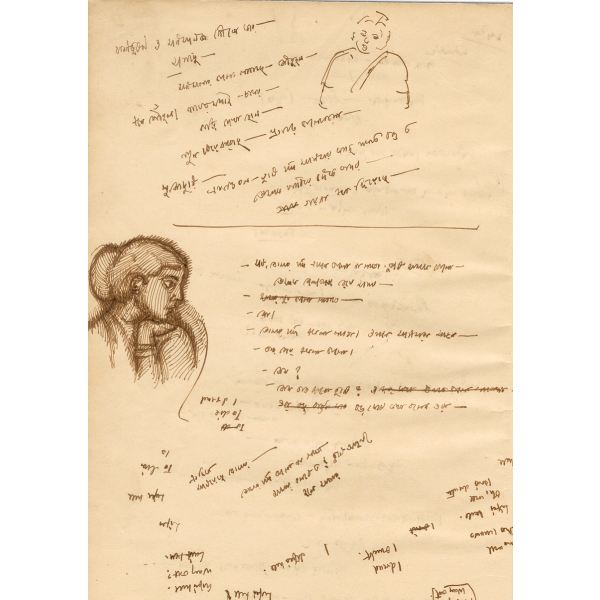
The DAG Archive has over 90,000 photographs taken by Nemai Ghosh, a bulk of which includes still photographs and behind the scenes images of films as well as candid and staged portraits of Satyajit Ray. In conjunction to these materials, DAG Archive has also acquired a set of two notebooks of Ray which contains the hand-written film scripts of <i>Ghare Baire</I> (The Home and The World, 1984) and Samapti (The Conclusion) which is one of the short films from the anthology, Teen Kanya (Three Women, 1961). Interestingly, both these films are adaptations from Rabindranath Tagore’s literary works.
Learn More -
 ArtistsWilliam Simpson$0.00
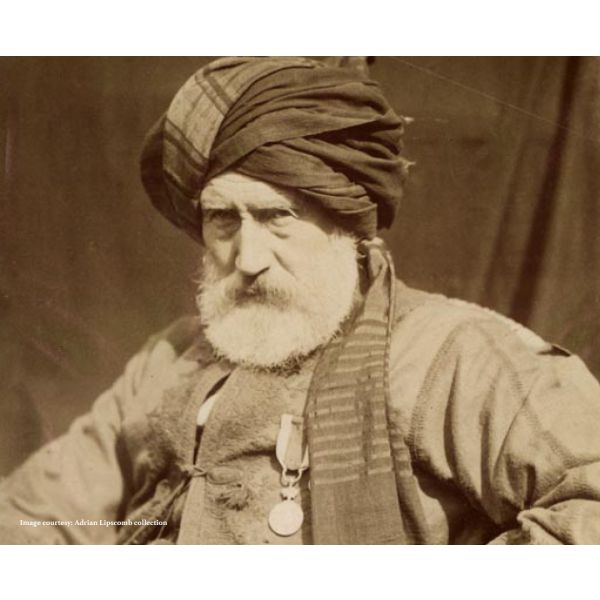
British draughtsman, lithographer, watercolourist, journalist, and antiquarian, William Simpson was born on 28 October 1823 in Glasgow, Scotland. He is best remembered for his sketches of various wars made for the Illustrated London News.
Learn More -
 Institutional CollaborationsThe Printed Picture: Four Centuries of Indian Print-Making$1.00
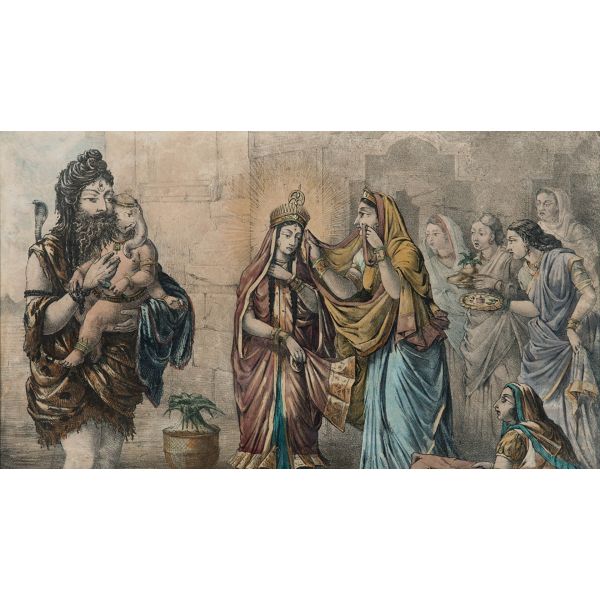
As printing technologies improved around the turn of the 18th century, a large number of cheaply reproduced printed pictures—illustrated books, almanacs and mythological images—became available to the common people. This became an important vehicle of social change because people could own, produce and disseminate images of all kinds—from their beloved deities and favourite fictional characters to political cartoons critiquing colonial authorities. Printmaking was equally treasured by artists for its aesthetic potential, as techniques like lithography, etching, metal engraving, viscosity, gave practitioners infinite opportunities for creative exploration. This landmark exhibition gives us a comprehensive overview of the history of the printed picture in India.
Learn More -
 ArtistsRabindranath Tagore$0.00
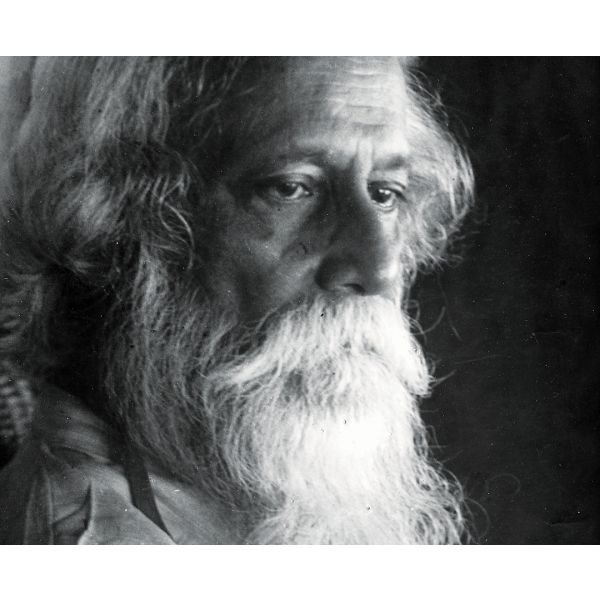
Poet, novelist, musician, playwright, and Asia’s first Nobel Prize awardee—which he won for literature in 1913—Rabindranath Tagore was born on 7 May 1861, and took to painting and drawing only in his sixties.
Learn More -
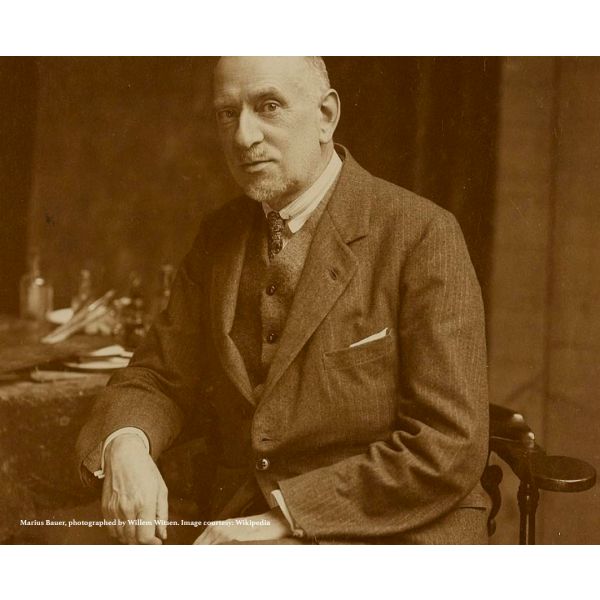 ArtistsMarius Bauer$1.00
The Dutch artist Marius Bauer was born on 25 January 1867 at The Hague, the Netherlands, to a stage painter who encouraged his son’s early interest in drawing.
Learn More -
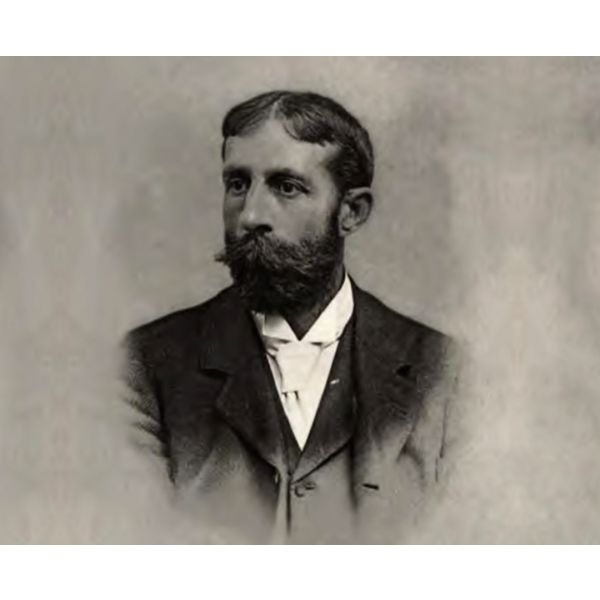 ArtistsEdwin Lord Weeks$0.00
Born in Boston, Massachusetts, in 1849, into an affluent American family of spice and tea merchants from Newton, a suburb of Boston, Edwin Lord Weeks’s earliest known painting was made when he was eighteen-years old.
Learn More -
 ArtistsBaburao Sadwelkar$1.00The grandnephew of the well-known sculptor V. P. Karmakar, and the son of an artist who worked in Bombay film studios, Prabhakar Barwe was born on 16 March 1936 in Nagaon, Maharashtra. He joined Sir J. J. School of Art, Bombay, in 1954. Learn More