Search results for: 'new delhi art gallery international touring exhibitions'
-
 JournalThe Journal Goes Live$0.00
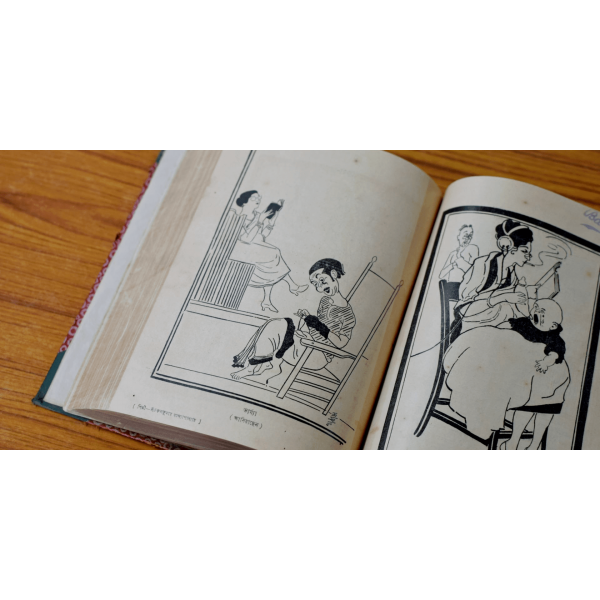
On the thirtieth year of DAG’s presence in the Indian art landscape, we are especially delighted to share with our readers the first issue of our Journal. DAG has upheld a high quality of research through exhibitions and publications that have shaped how people understand Indian modern art. Through this journal, we want to keep those discussions going and point towards newer ways to approach the period of modernism—joining the dots that lead those significant artistic breakthroughs into the contemporary. We also want to create a space where readers can gain privileged access into the people and organizations who works around the clock to keep the art world ticking.
Learn More -
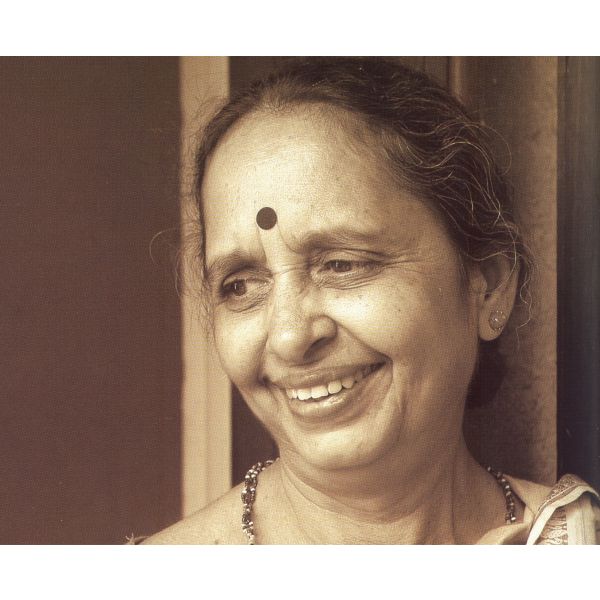 ArtistsShobha Broota$0.00Shobha Broota’s pictorial interpretation of the resonance of classical Indian ragas forms the essence of her celebrated style in which she conveys their subtle variations through minimal use of colours. Born in 1943 in New Delhi in an artistic family that inspired her to study art, Broota obtained a diploma in painting from College of Art, New Delhi, in 1964. Learn More
 -
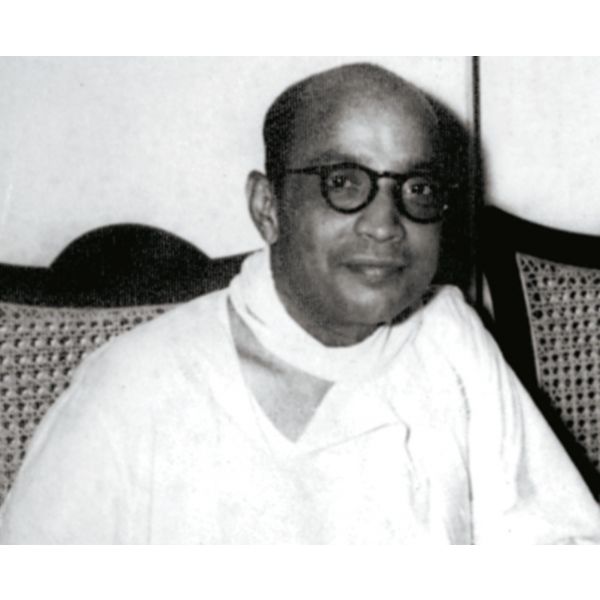 ArtistsRamendranath Chakravorty$0.00Born in 1902 in Tripura, Ramendranath Chakravorty went to the Government College of Art in Calcutta in 1919 but left it in 1921 to join the newly founded Kala Bhavana at Visva-Bharati University, Santiniketan. Soon after graduation, he began his teaching career, first at Kalashala at Andhra National Art Gallery in Machilipatnam, and then at Kala Bhavana. He then joined Government School of Art, Calcutta, as a teacher in 1929, when Mukul Dey, the pioneer of dry point etching in India, was its principal. In 1943-46, Chakravorty was the school’s officiating principal when he set up its graphics department. Eventually, he became the school principal in 1949. Learn More
 -
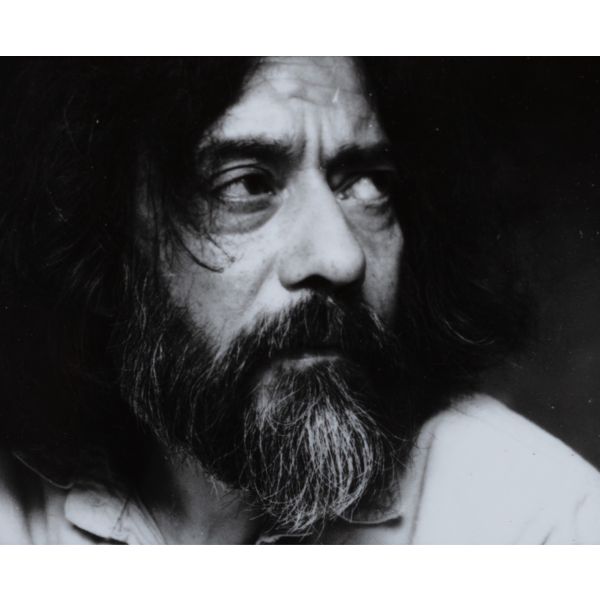 ArtistsRajendra Dhawan$0.00Born in 1936 in New Delhi, Rajendra Dhawan studied at the Polytechnic (later renamed College of Art) from 1953-58, and at Belgrade in erstwhile Yugoslavia from 1960-62. While in New Delhi, he became a founding member of the group called The Unknown that survived from 1960-64. Learn More
 -
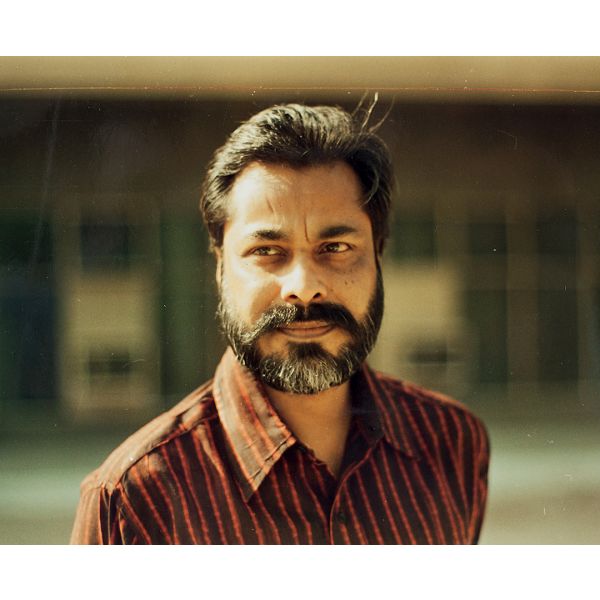 ArtistsAmitava$0.00Born in Delhi in 1947, Amitava Das graduated from College of Art, New Delhi, in 1972. At the time, he was part of New Group and Artists’ Forum, and in the same decade won Lalit Kala Akademi’s national award. In 1989, he won a fellowship to study exhibition and graphic design in Germany. Learn More
 -
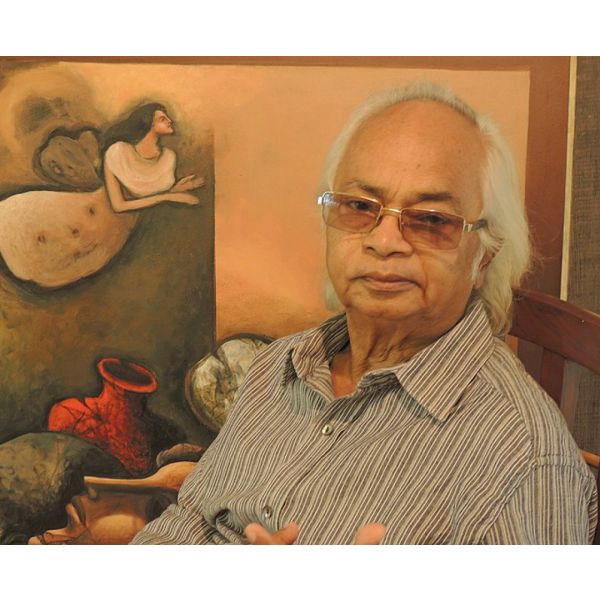 ArtistsJagadish Dey$0.00Born in Sylhet in present-day Bangladesh, painter and graphic artist Jagadish Dey graduated from Delhi Polytechnic in 1963. He has been the co-founder of several artist collectives such as Group 8, The Six, and Gallery 26. Learn More
 -
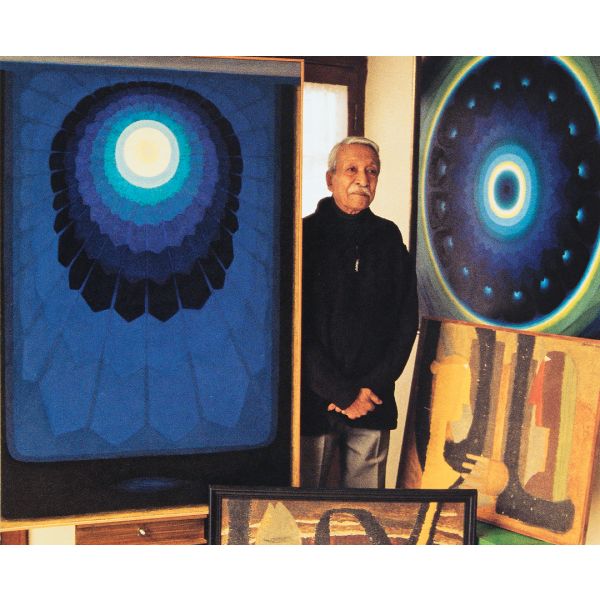 ArtistsBiren De$0.00Born on 8 October 1926, in Faridpur (in present day Bangladesh), Biren De shifted to Calcutta with his family before Partition and studied at the Government College of Arts and Crafts. Later, he moved to New Delhi to teach at College of Art. Years spent in New York and extensive travelling over continents subsequently enriched his artistic expression with new forms. Learn More
 -
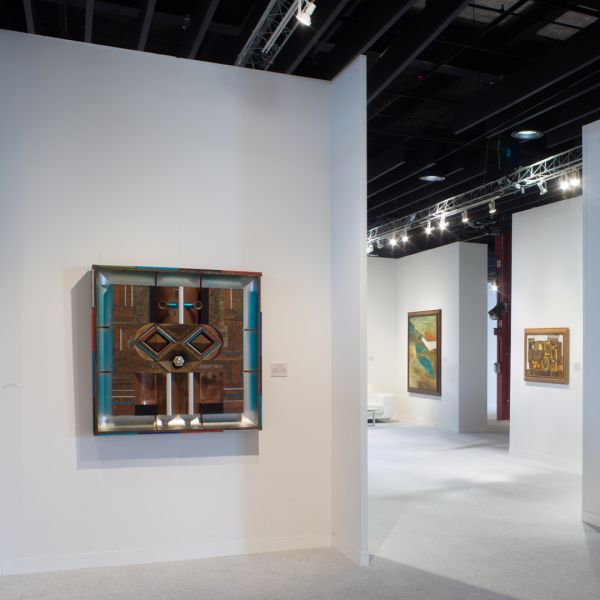 Art FairsThe Armory Show$0.00
New York’s popular Armory Show required DAG to put forth its most emphatically modernist artists. These included several who had been fellows of the John D. Rockefeller III Fund and would thus have a resonance among art connoisseurs in America for their language and context. Instead of concentrating on the Progressives, therefore, DAG decided to curate a selection that included works by Avinash Chandra and Natvar Bhavsar with extensive careers in New York, and an important body of works by artists such as S. H. Raza, Ram Kumar, Krishen Khanna, Paritosh Sen, and Satish Gujral, among others. Avinash Chandra Jyoti Bhatt K G Subrmanyan Krishen Khanna Natvar Bhavsar Paritosh Sen Ram Kumar Tyeb Mehta Rekha Rodwittiya S. H. Raza Satish Gujral
Learn More -
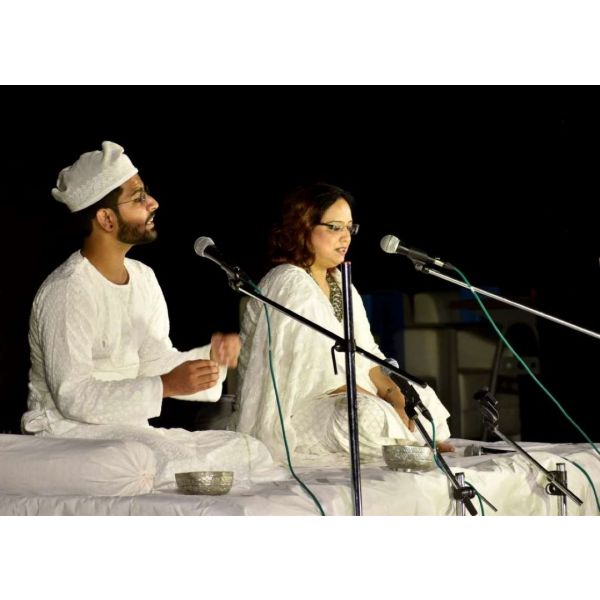 Events and ProgrammesMarch to Freedom: Delhi Opening$1.00
‘March to Freedom’, DAG’s acclaimed exhibition on the 75th anniversary of India’s independence, opens in Delhi with ‘Dastan-e-Gandhi', an evocative dastangoi performance written by Danish Iqbal and performed by Fouzia Dastango and and Ritesh Yadav, two of the leading artists of this tradition.
Learn More -
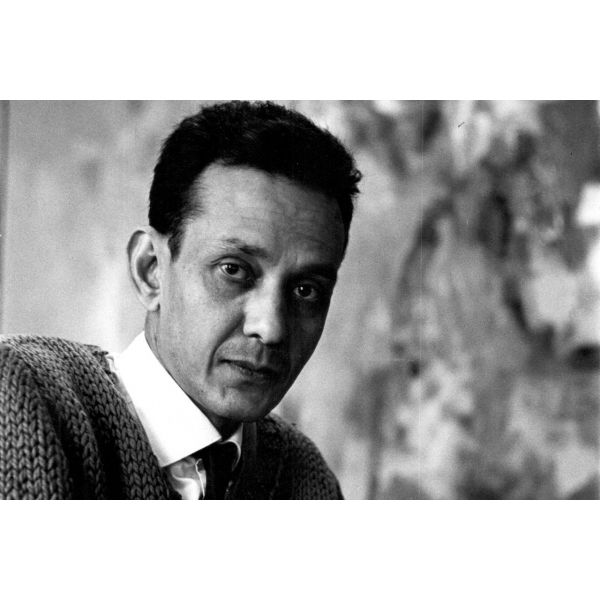 JournalThe French Connection: S. H. Raza at Paris' Centre Pompidou$0.00
In February, Paris' Centre Pompidou--a premier centre for modern art since its construction in 1977--mounted an extensive solo show looking back at S. H. Raza’s career in painting. It represents a historic moment for Indian modern art’s international story as it unfolded over the twentieth century, and also marked Raza's own symbolic return to the place where he stayed for most of his working life. The fertile post-independent period saw cross-cultural connections being forged by Indian artists in Europe and America on their own terms and this show is a testament to Raza’s evolving encounters with land and mythology. The curators, Catherine David and Diane Toubert, spoke to DAG highlighting some of the takeaways from this major retrospective.
Learn More -
 JournalBefore the Chaos of Destruction: Jeram Patel's Iconic Works$0.00
Artists often proceed through a trial and error method—an incessant experimentation—leaving behind a singular trail of oeuvre composed of an irreconcilable, yet inseparable, set of works. Born in the small town of Sojitra in the Kheda district of Gujarat, Jeram Patel studied drawing and painting at Sir J. J. School of Art, Bombay. In 1959, excellence in his work led him to pursue commercial design at Central School of Arts and Crafts, London, on a scholarship, and also travel to France and Japan. Thereafter, he successfully held solo exhibition at various places in India and abroad, and participated in international events such as the Tokyo Biennale and Sao Paulo Art Biennale (both in 1963).
Learn More -