Search results for: '6.1(CVSS:3.0/AV:N/AC:L/PR:N/UI:R/S:C/C:L/I:L/A:N)'
-
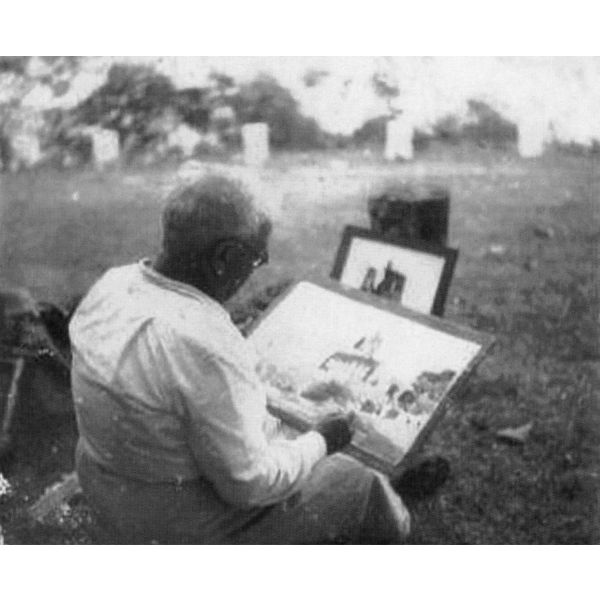 ArtistsS. L. Haldankar$0.00S. L. Haldankar was born in Sawantwadi, a princely state in the Bombay Presidency of the British Raj, or present-day Maharashtra. His talent for the arts was spotted by his school headmaster and Haldankar received a scholarship to study at Sir J. J. School of Art, from where he took a diploma in painting in 1903. Learn More
 -
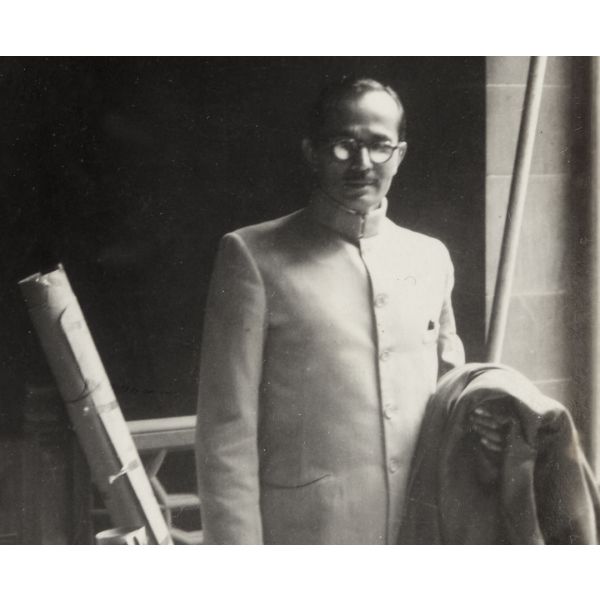 ArtistsK. C. S. Paniker$0.00K. C. S. Paniker, a towering personality in the world of Indian modern art, is remembered most for spearheading the Madras Art Movement and founding the Cholamandal Artists’ Village on the outskirts of Madras in 1966. Learn More
 -
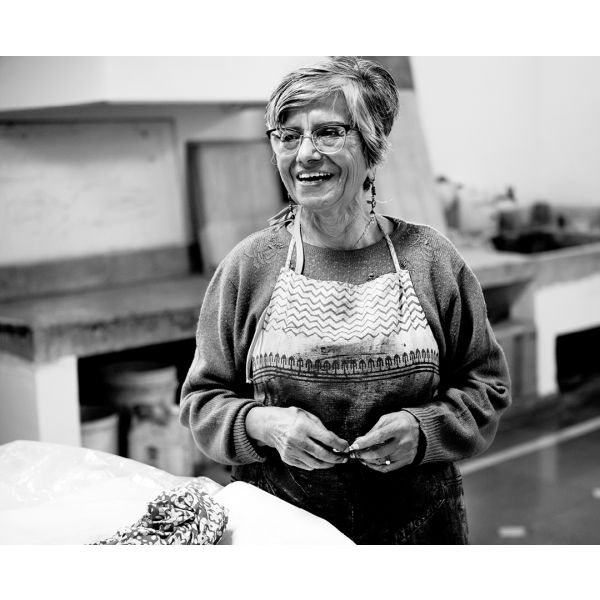 ArtistsAnupam Sud$0.00Recognised for her contributions to the growth of printmaking in India, Anupam Sud is considered one of the most significant artists of India. Her works depict strong anatomical beings that can be traced back to her father’s love for bodybuilding. She attributes her influences to theatre, classical music, and detective stories, and artistic growth to renowned artist Somnath Hore, with whom she formed a close association. Learn More
 -
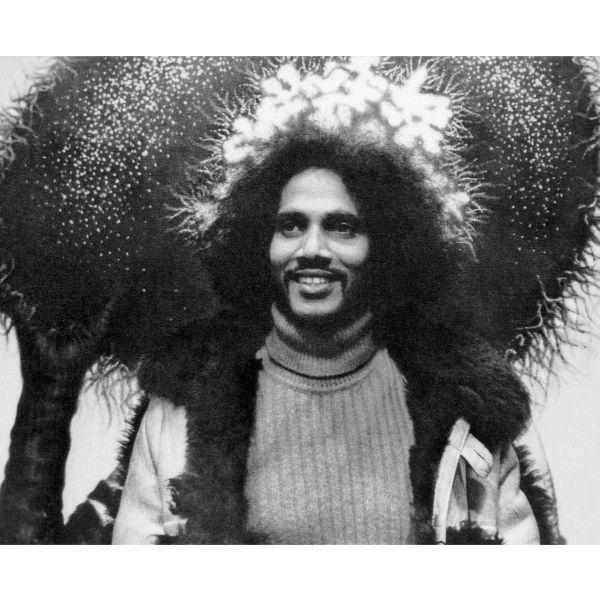 ArtistsV. Viswanadhan$0.00Among artists, Velu Viswanadhan is often referred to as ‘Paris’ Viswanadhan because he made the French capital his home. Born in 1940 in Kollam, Kerala, Viswanadhan joined Government College of Fine Arts, Madras, in 1960, where he studied under K. C. S. Paniker, and along with him became a founder-member of the Cholamandal Artists’ Village. Learn More
 -
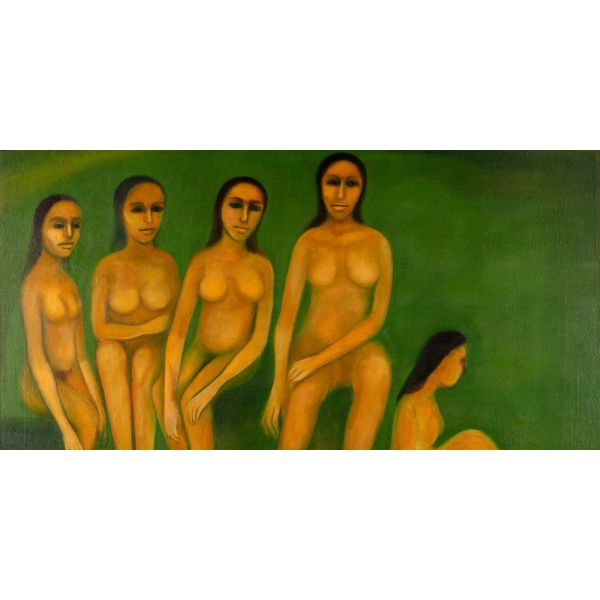 JournalSinging the Body Electric: A Conversation with Gogi Saroj Pal$0.00
Gogi Saroj Pal is one of India's most important artists working with the female body.
Learn More -
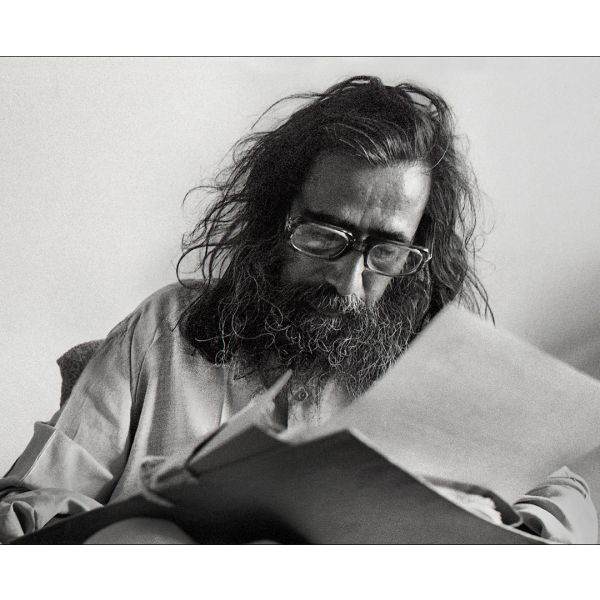 ArtistsJ. Swaminathan$0.00Known for establishing the multi-arts complex, Bharat Bhavan, in Bhopal, and for foregrounding tribal art on the Indian art horizon, Jagdish Swaminathan took up the arts professionally later in life, despite an early aptitude towards drawing and painting. Learn More
 -
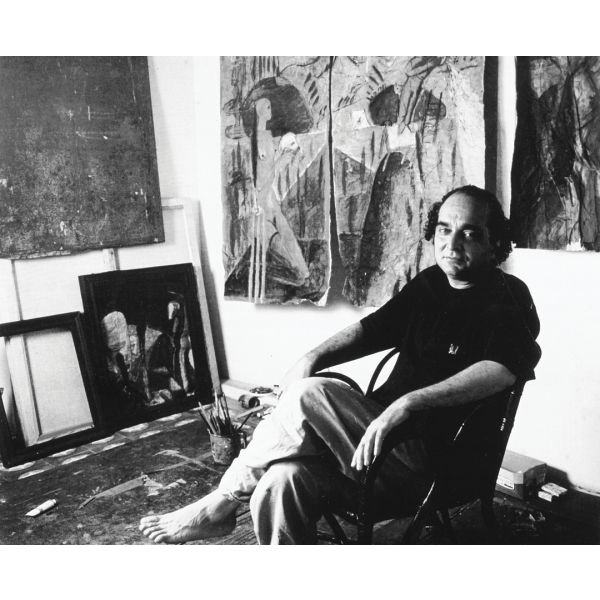 ArtistsC. Douglas$0.00Born in Tellicherry, Kerala, Catfield Douglas belongs to the third generation of artists associated with the Madras Art Movement. Moving in the early 1990s to Cholamandal Artists’ Village, set up by K. C. S. Paniker, Douglas’s works are considered both expressionist and anthropocentric. Learn More
 -
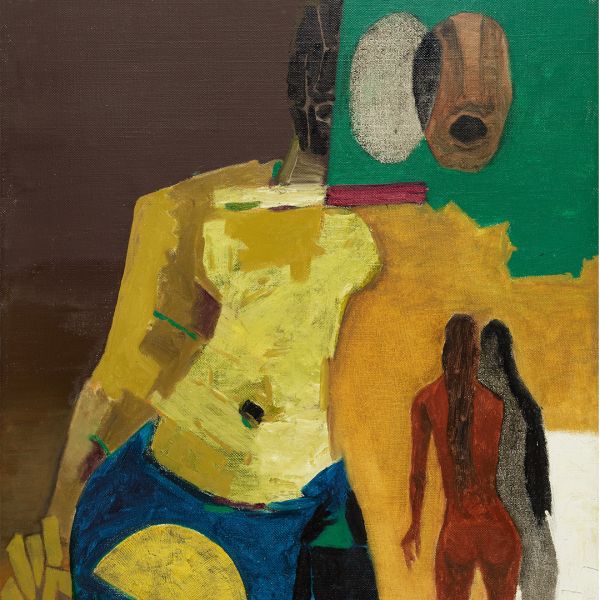 Art FairsAD Design Show 2023$1.00
At the three-day show, DAG will present Celebrating the Modern, an ode to the vibrancy of Indian art with a hand-picked selection that guides us through the development of Indian modernism through diverse movements and genres—a tribute to its appeal that has extended beyond time to be part of a distinctive global language.
Learn More -
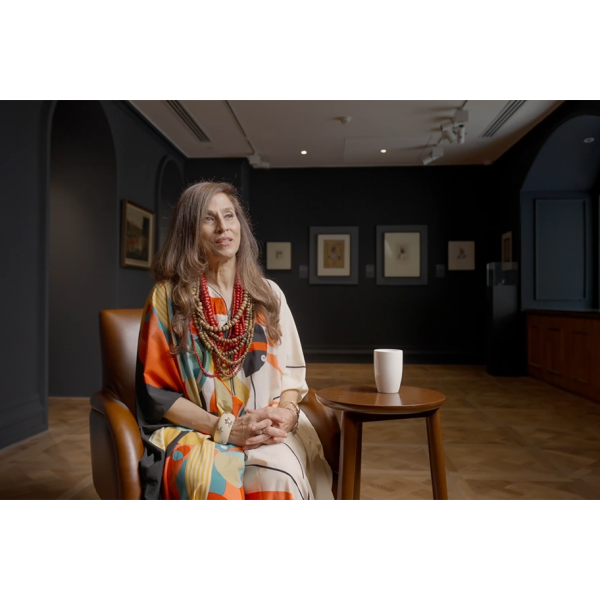 JournalShobhaa De on Sailoz Mookherjea$0.00'Iconic Masterpieces of Indian Modern Art, Edition 2' opened on 11 February, featuring fifty artworks which shaped the trajectory of pre-modern and modern art in the country. As part of the exhibition, Shobhaa De reflects on Sailoz Mookherjea’s painting created ten years after the tragedy of Hiroshima-Nagasaki, drawing attention to the motifs and textures which convey a sense of fractured time affecting his personal and political worlds. Learn More
 -
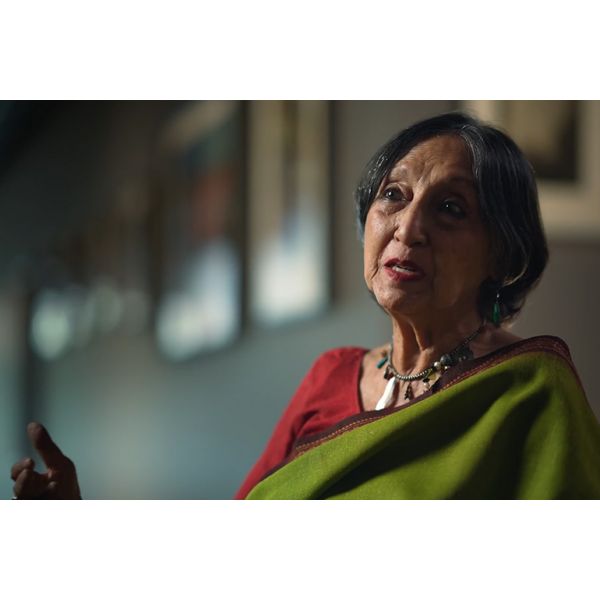 JournalInvocation - 27 by Sohan Qadri$1.00
Sohan Qadri was truly a global artist whose travels and practice spanned India, its Himalayan neighbours, Africa, Europe and Canada. His paintings can be summed up as yantras that serve as visual meditation tools. Invocation – 27 is a vibrant sea of yellow ochre with a band of blue in the middle. A captivating work, Geeti Sen explains, the painting serves to offer viewers a profound experience of transformation and self-discovery.
Learn More