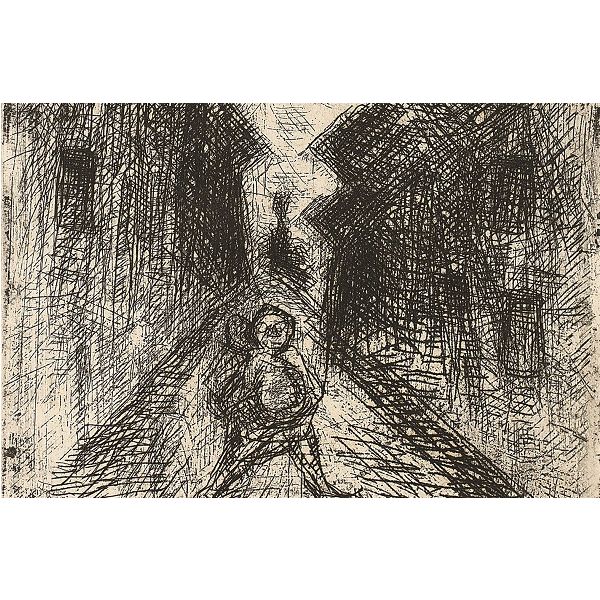
Search results for: 'Tiruirir QQ i ru r eri ior rqriro io i ryirui ir riir r u my i y r phai olui t rriirir'
-
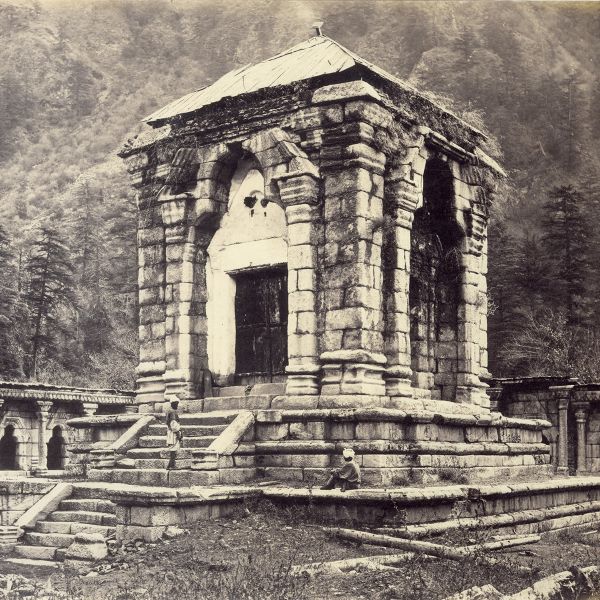
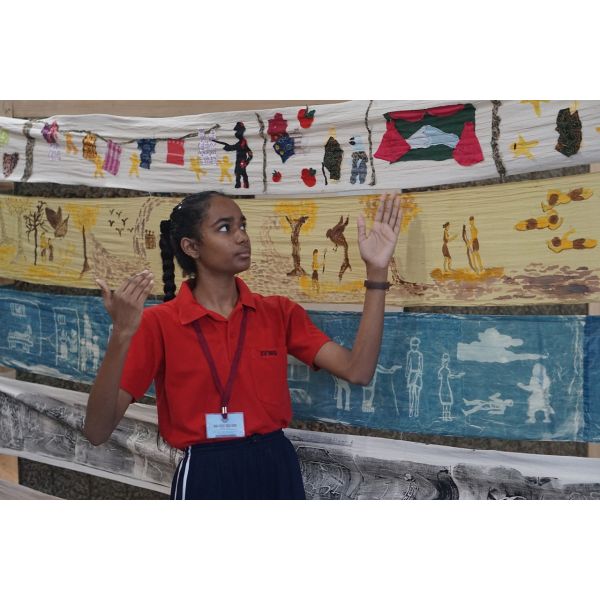
JournalFabric of Freedom: The struggle for independence through art$0.00To celebrate Independence Day a little differently, we worked with students of Indus Valley World School to create an exhibition using the artworks from the DAG collection.
Learn More -
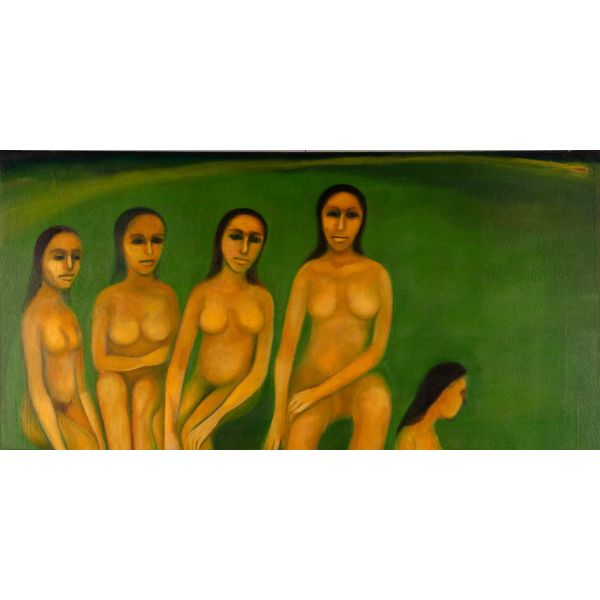
Art FairsIndia Art Fair$0.00DAG’s emphasis for the 2019 edition of India Art Fair was a rarity—a selection of works of the kind visitors had not before seen. These included a glass mural by Avinash Chandra, a medium the artist loved but which had never before been shown in India; a large mural by Mrinalini Mukherjee; an artist’s chair by Prabhakar Barwe; evocative works by Hemendranath Mazumdar, Manjit Bawa, and Tyeb Mehta; powerful paintings by F. N. Souza, M. F. Husain, Rabin Mondal, and Krishen Khanna; exemplary abstract paintings by Ram Kumar, Shanti Dave, Sohan Qadri, J. Swaminathan, and G. R. Santosh; and other equally powerful artworks including a double-sided sculpture by Meera Mukherjee.
Avinash Chandra F N Souza G R Santosh Hemendranath Majumdar J Swaminathan Krishen Khanna M F Husain Madhvi Parekh Manjit Bawa Meera Mukherjee Mrinalini Mukherjee Paritosh Sen Prabhakar Barwe Rabin Mondal Ram Kumar S H Raza S K Bakre Shanti Dave Sohan Qadri Tyeb Mehta
Learn More -
ArtistsKisory Roy$0.00Well-known for his landscape paintings, Kisory Roy was inspired to take up the arts by his father, who worked for the railways and was an occasional painter. Winning a school competition led Roy to the Government School of Art, Calcutta, where he studied from 1931-37. Under Mukul Dey, he learnt to work in several mediums like watercolour, oil, charcoal, and crayon. Learn More -
ArtistsAnonymous (Ravi Varma School)$0.00Raja Ravi Varma’s singular impact on Indian art is unparalleled by any artist. Largely self-taught, he is probably the first Indian artist to have articulated Indian subject matters through naturalism and the use of oil paints with brilliant mastery, considered until then a European idiom. Learn More -
ArtistsRameshwar Broota$0.00A graduate of Delhi College of Art, Rameshwar Broota has been an art teacher throughout his career. He was a lecturer at his alma mater before moving to Jamia Millia Islamia University and then Sarda Ukil College, eventually taking over as head of department at Triveni Kala Sangam, a position he has held since 1984. Learn More -
ArtistsRamendranath Chakravorty$0.00Born in 1902 in Tripura, Ramendranath Chakravorty went to the Government College of Art in Calcutta in 1919 but left it in 1921 to join the newly founded Kala Bhavana at Visva-Bharati University, Santiniketan. Soon after graduation, he began his teaching career, first at Kalashala at Andhra National Art Gallery in Machilipatnam, and then at Kala Bhavana. He then joined Government School of Art, Calcutta, as a teacher in 1929, when Mukul Dey, the pioneer of dry point etching in India, was its principal. In 1943-46, Chakravorty was the school’s officiating principal when he set up its graphics department. Eventually, he became the school principal in 1949. Learn More -
ArtistsRabin Mondal$0.00The son of a mechanical draughtsman, Mondal took to drawing and painting at the age of twelve when he injured his knee and was confined to bed. The Bengal famine of 1943 and the Calcutta communal riots of 1946 deeply impacted his psyche; he joined the Communist Party and became an activist. Mondal’s final refuge was art as the ultimate weapon of protest. Learn More -
JournalNavratna: India’s National Treasure artists$0.00It was in the 1970s that the government of India declared nine artists as National Treasures, attesting to the significance of their contribution to the shaping of modern Indian art identity. ‘Navratna: Nine Gems of Indian Art’ was a unique opportunity to see seminal works by all the nine together, to understand the uniqueness of their collective contribution, at Drishyakala, a joint collaboration between DAG and the Archaeological Survey of India. Learn More -
JournalChronicling the Durbar: Images and voices from Delhi$0.00Who were the significant chroniclers of the Durbars?
Learn More