


Search results for: 'Give two advancements in science and technology invented by the people along the Nile.'
-
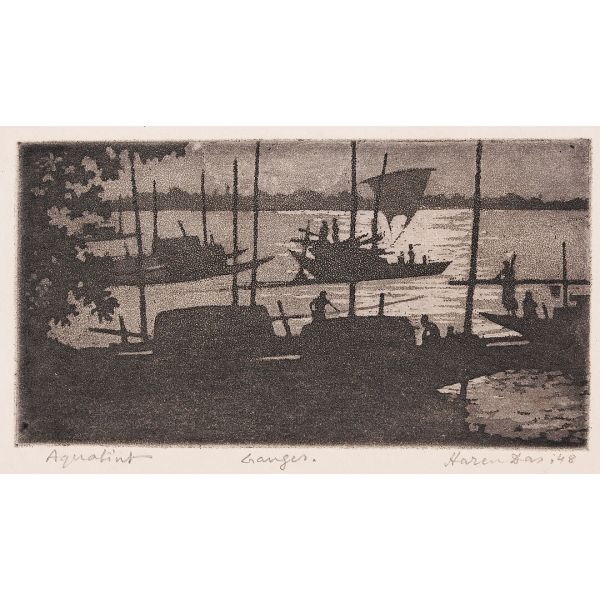 Events and ProgrammesMapping the Colony$1.00
A workshop by Priyank Patel, from the Department of Geography, Presidency University, for ages 16 and above, on mapmaking in the colonial and postcolonial era and how maps of Calcutta (and later, Kolkata) were shaped through these different ways of knowing the world.
Learn More -
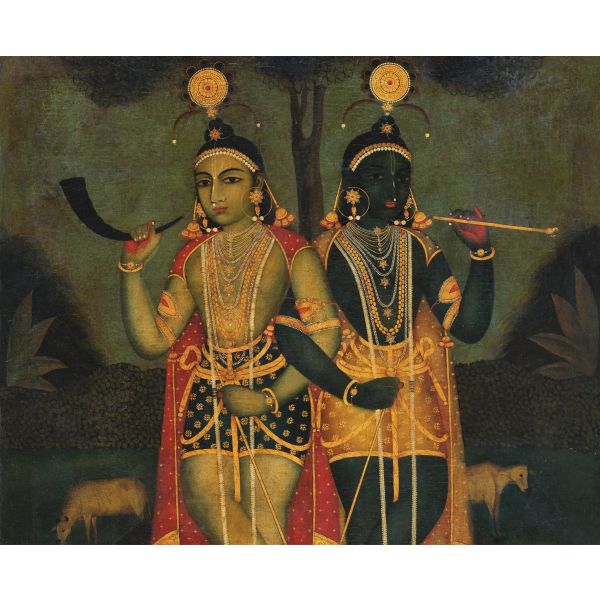 ArtistsEarly Bengal Oils$0.00A large number of anonymous oils on religious and mythological themes began to emerge in Bengal in the late eighteenth–early nineteenth century from the French colony of Chandernagore and the Dutch colony of Chinsurah. Variously called French or Dutch Bengal oils, they also came from other areas like Chitpur and Garanhata localities of Calcutta and thus came to be known as Early Bengal Oils. Learn More
 -
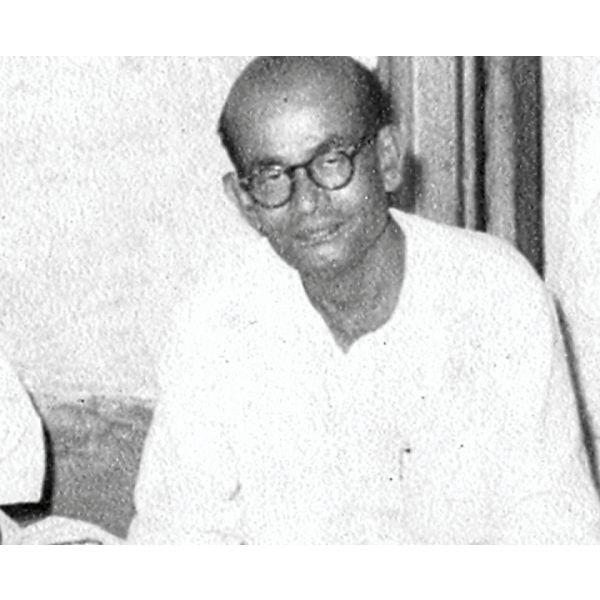 ArtistsKhagen Roy$0.00Khagen Roy hailed from Medinipur in present-day West Bengal and came to Calcutta to study art. However, he left the Government School of Art in Calcutta as well as the College of Arts and Crafts in Lucknow dissatisfied with their curriculum. A chance encounter with painter and sculptor D. P. Roy Chowdhury convinced him to join the Government College of Art and Craft, Madras. Learn More
 -
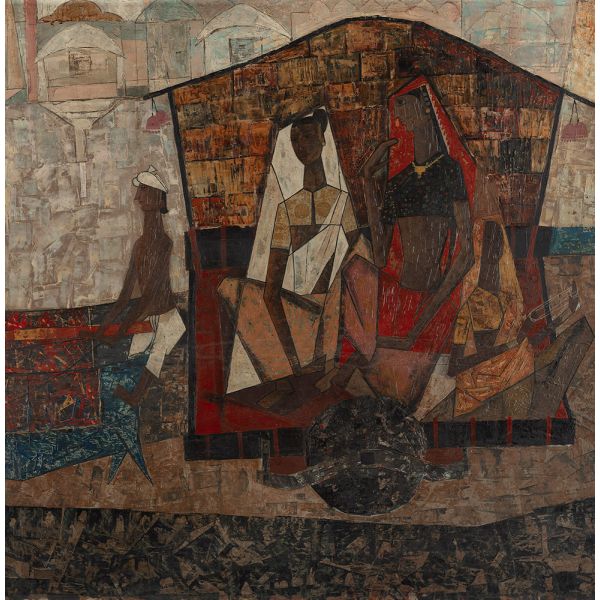 Art FairsArt SG$1.00
As with its history, trade, and culture, so with its art, India has always stood at the crossroads of assimilation, adaptation, change, and experimentation. Ancient and medieval art practices have informed her artists in the 20th century—a point when European and Asian movements found acceptance before being turned into a vibrant lexicon that has remained central to the pursuit of art in the subcontinent. Singapore
AVINASH CHANDRA BIRESWAR SEN F. N. SOUZA G. R. SANTOSH GOGI SAROJ PAL GOPAL GHOSE J. SULTAN ALI LAXMAN PAI M. F. HUSAIN MADHVI PAREKH NATVAR BHAVSAR S. H. RAZA SHANTI DAVE SHOBHA BROOTA SOHAN QADRI Learn More -
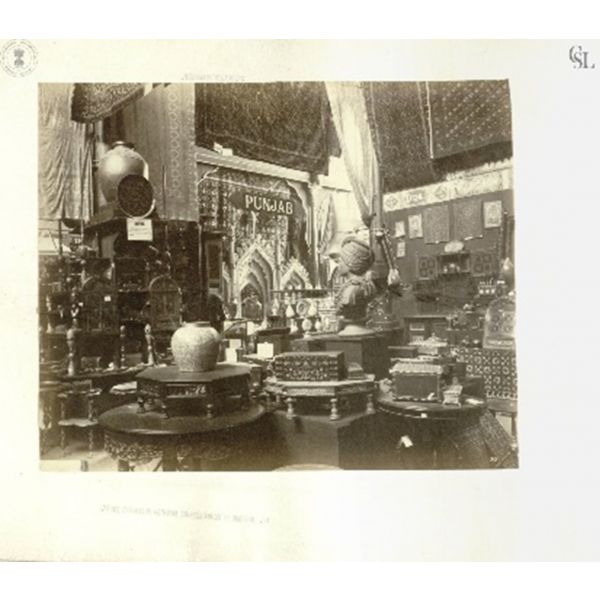 Events and ProgrammesAn Origin Story$1.00
Join Tapati Guha-Thakurta for a museum visit and presentation as we explore the beginnings of the colonial traditions of art and design in India through the twin histories of the Indian Museum and the Government College of Art and Craft.
Learn More -
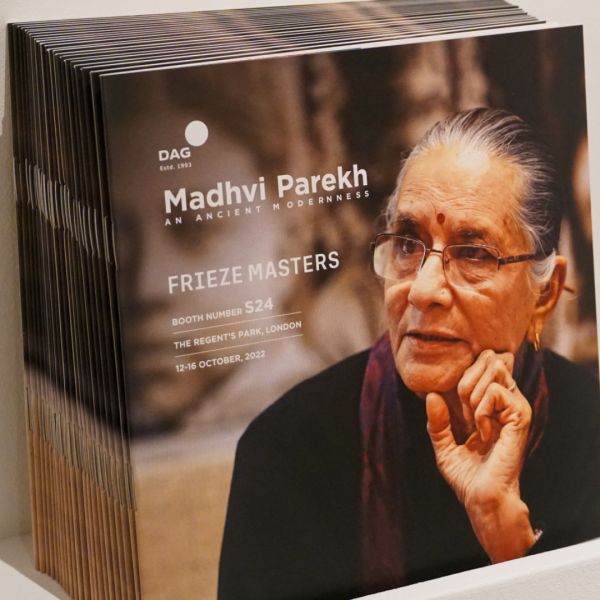 Art FairsFRIEZE MASTERS LONDON$1.00
January 2022 marked an incredible culmination in the life and career of Madhvi Parekh whose journey began from a small village in western India and has taken her, against incredible odds, to the world’s most glittering cities and capitals on the strength of her art practice. At the Paris Haute Couture Week in January, audiences around the world saw Dior launch its new spring/ summer 2022 range against striking tapestries inspired by her paintings made over a six-decade career that has had no parallel in Indian art. Often extolled as a ‘woman’ painter, Madhvi Parekh’s art has never been premised on gender. Instead, she occupies an artistic realm with strong ethical values based on a sense of humanitarianism, environmental inclusion, and memory.
Learn More -
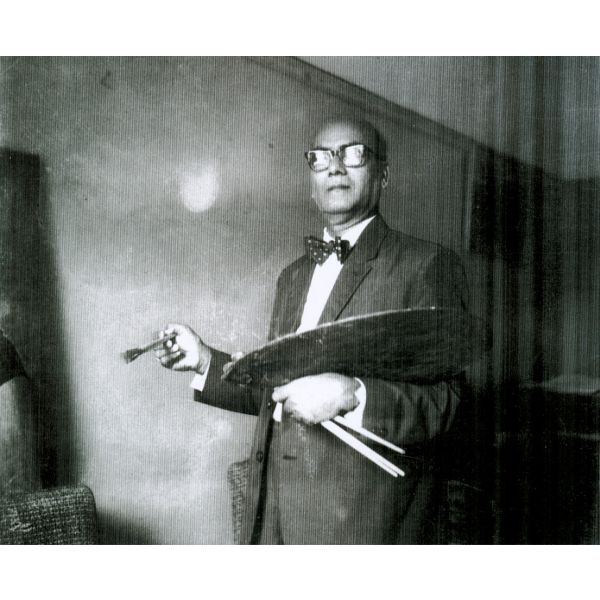 ArtistsV. B. Pathare$0.00Known for his portraits and landscapes rendered in academic-realist style, V. B. Pathare studied painting under S. L. Haldankar in Bombay and Prof. Martin Latuterburg in Bern, Switzerland. After studying portraiture under the renowned Sir Charles Dugdale in London, Pathare painted portraits of several national leaders over time, from Mahatma Gandhi, Rabindranath Tagore and Mahatma Jyotiba Phule to Indira Gandhi and Maharaja Sayajirao Gaekwad of Baroda. Learn More
 -
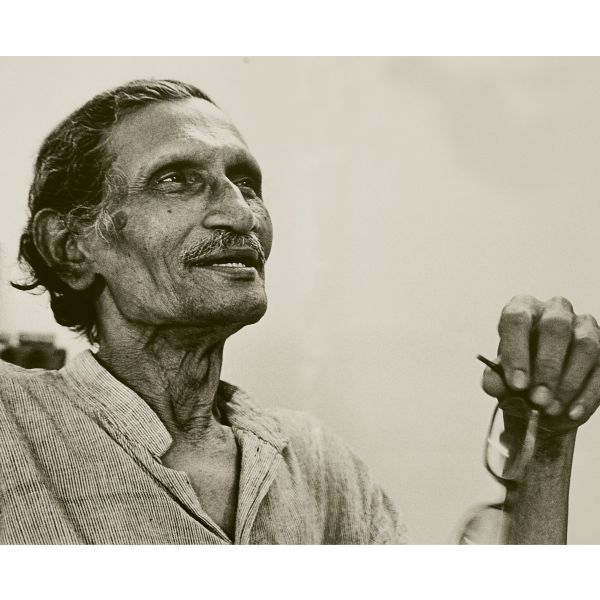 ArtistsRabin Mondal$0.00The son of a mechanical draughtsman, Mondal took to drawing and painting at the age of twelve when he injured his knee and was confined to bed. The Bengal famine of 1943 and the Calcutta communal riots of 1946 deeply impacted his psyche; he joined the Communist Party and became an activist. Mondal’s final refuge was art as the ultimate weapon of protest. Learn More
 -
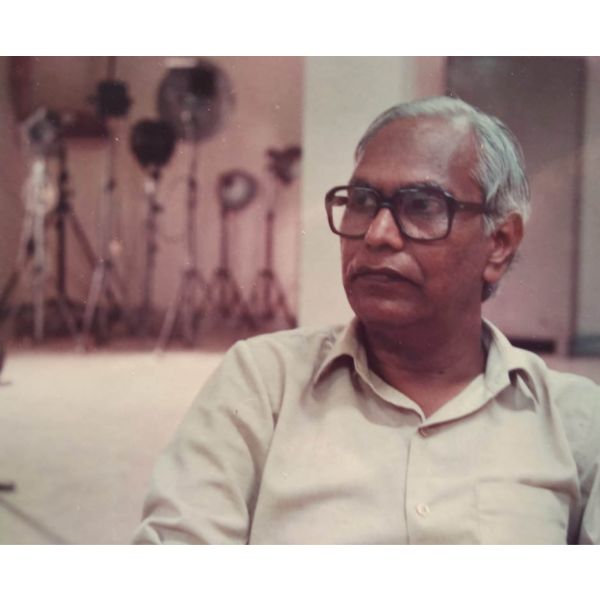 ArtistsMuni Singh$0.00Born in Shivpur Diyar in Ballia district of Uttar Pradesh, Muni Singh studied at College of Art, Lucknow. In 1963, he received formal training in fresco-making from Banasthali Vidyapith, Rajasthan. A contemporary of Badri Nath Arya, R. S. Bisht, and Sanat Chatterjee, Singh’s preferred medium was watercolour. He mastered the miniature style of painting—Mughal, Rajput, and Pahari—and translated it into his own idiom and technique. Learn More
 -
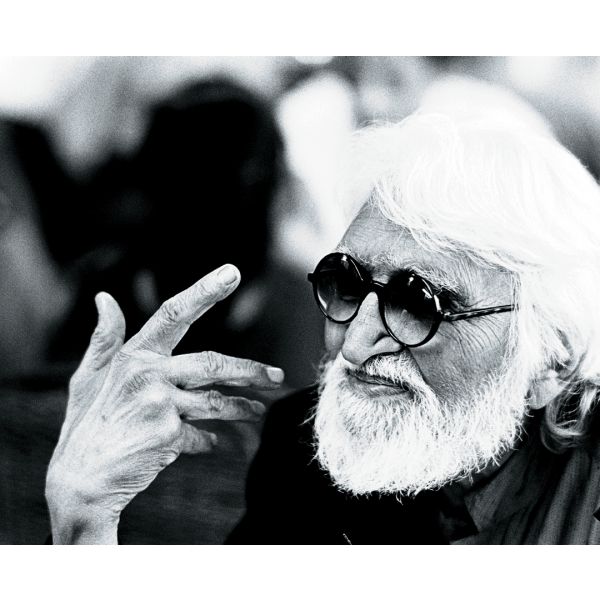 ArtistsM. F. Husain$0.00In the galaxy of modern masters, one name that is synonymous with twentieth century Indian art, is M. F. Husain’s. Born in Pandharpur, Maharashtra, on 17 September 1911, Husain came to Bombay in 1937 to become a painter, where he slept on footpaths and painted under streetlights. A self-taught artist, he began his career painting cinema posters and hoardings, and, in 1941, started making toys and furniture designs. Learn More
 -
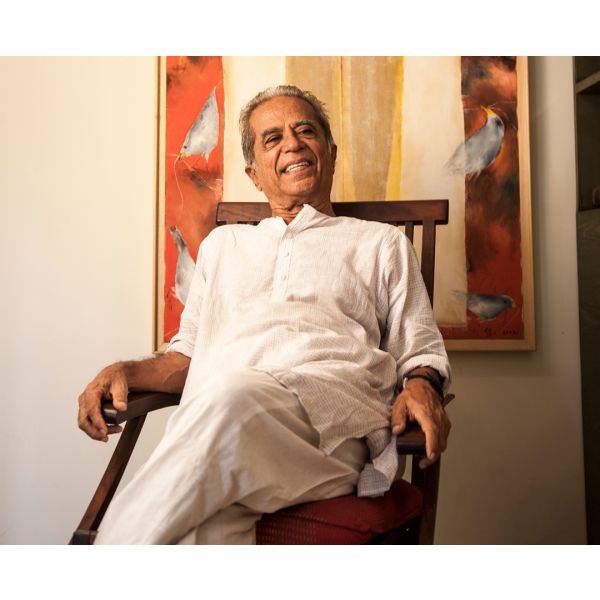 ArtistsHaku Shah$0.00Born on 26 March 1934 in the village of Valod, Gujarat, Haku Shah absorbed deeply the way of life, culture and beliefs of the pastoral and the folk, which he amply manifested in his works. This understanding also moulded him into a cultural anthropologist who brought global academic focus on tribal and folk arts and culture of India. Learn More
 -
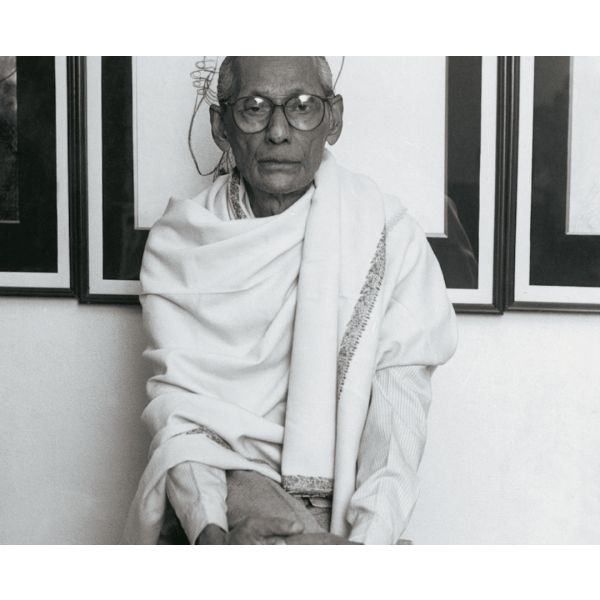 ArtistsGopal Sanyal$0.00Born into a family of classical musicians in Cuttack, Orissa, Gopal Sanyal came to Calcutta in 1948 and took a diploma in fine arts from the Government College of Arts and Crafts in 1957. A national scholarship awardee in painting for three years from the Government of India, Sanyal was a founder member of Calcutta Painters and had exhibited at its inaugural group show at All India Fine Arts and Crafts Society, New Delhi, in 1963; he was also a lecturer in fine arts. Learn More