Search results for: 'Kickoff regular din studio font free download'
-
 Teaching Through ArtBattles for Freedom: 1857$1.00
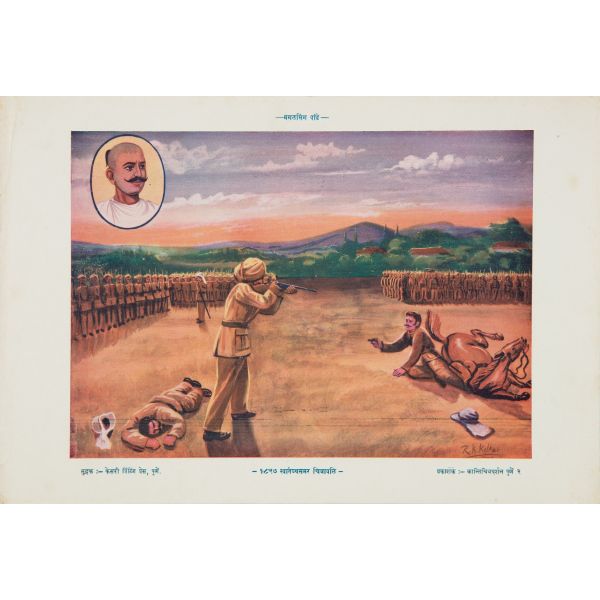
A creative enquiry tool that explores the events leading up to and during the revolt of 1857.
Learn More -
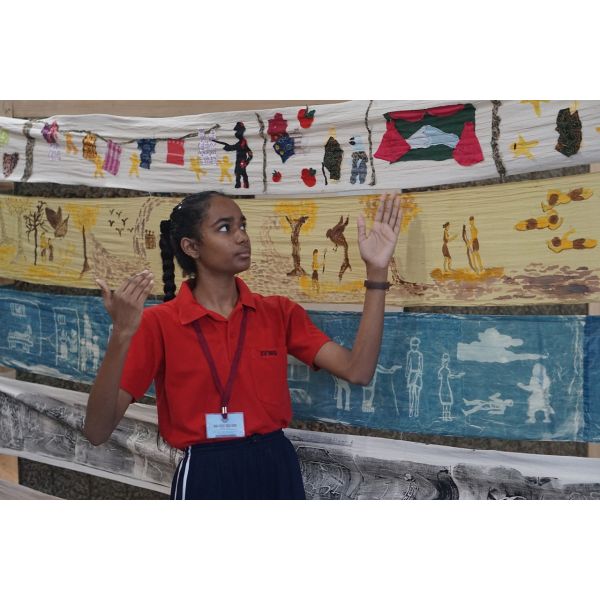 JournalFabric of Freedom: The struggle for independence through art$0.00
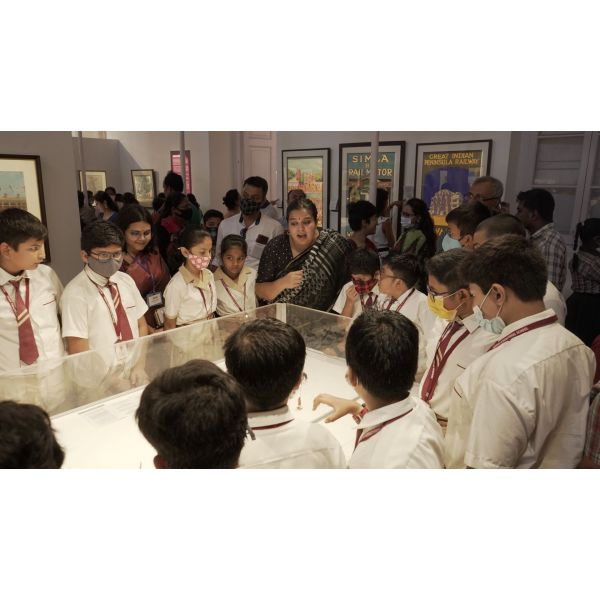
To celebrate Independence Day a little differently, we worked with students of Indus Valley World School to create an exhibition using the artworks from the DAG collection.
Learn More -
 Institutional CollaborationsMARCH TO FREEDOM: REFLECTIONS ON INDIA'S INDEPENDENCE$1.00
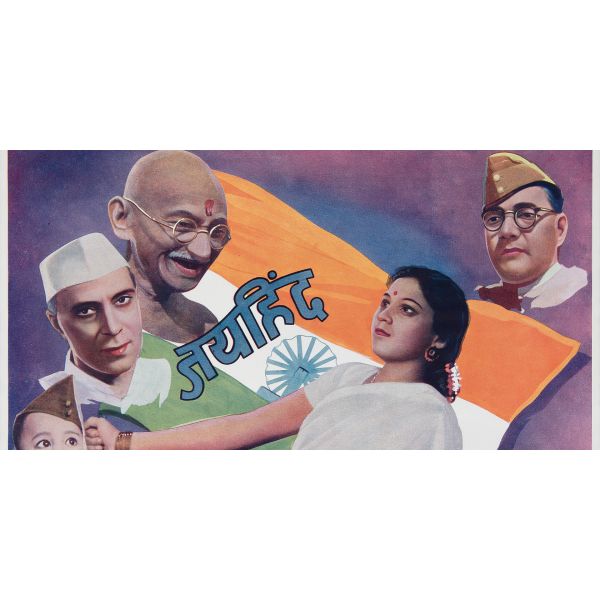
March to Freedom re-interprets the well-known story of the Indian freedom struggle and anticolonial movement through works of art and some historic artefacts. Drawn from the collections of DAG, they range from eighteenth and nineteenth century European paintings and prints, to lesser known works by Indian artists that merit greater recognition, alongside some iconic pieces. Rather than following the usual chronological path, the story is structured around eight themes. Each represents one arena, or stage, on which the anti-colonial struggle took place, to expand the story beyond politics, politicians, and battles (which also feature). Conceived to commemorate and celebrate the 75th anniversary of India’s independence, this visual journey seeks to do more. For even as we remember the struggles, the sacrifices, and the stories, such anniversaries are also occasions for reflection, including upon the scholarship that has developed on South Asian history. Some of the latter may be familiar to academics, or those with special interests. For most of the rest of us, our knowledge of this past is derived in large part from hazy memories of school lessons, which change from one generation to the next, and are influenced by concurrent national politics. We also learn from narratives on offer through public channels or in the media, to mark moments of national remembrance or controversy.
Learn More -
-
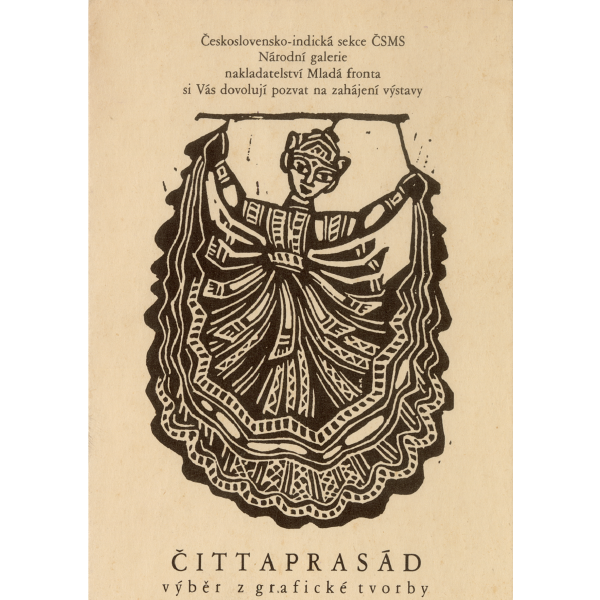 Collection StoriesAfter the Storm: Chittaprosad’s late oeuvre$0.00
Chittaprosad Bhattacharya (1913-1978) was a versatile artist and a lifelong adherent of the socialistic worldview. In 1943, he traveled across the famine-stricken villages of Bengal and produced realistic sketches of human suffering that were regularly published in the pages of the Communist Party journal 'People’s war'. These sketches were later compiled and published as a booklet under the title 'Hungry Bengal'. Fascinated by his artistic skills, the General Secretary of Communist Party of India, Puran Chand Joshi took Chittaprosad to the Party’s headquarters in Bombay (now Mumbai).
Learn More -
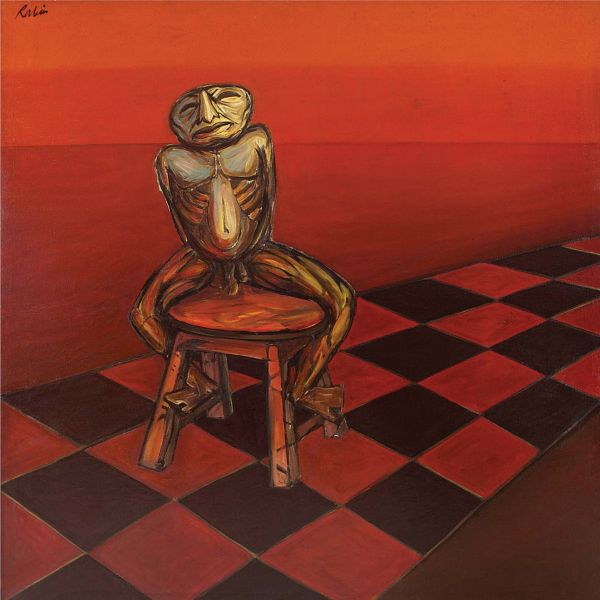 ExhibitionsRabin Mondal: Kingdom of ExileAs low as $1.00
Rabin Mondal is like a striding colossus of our times, scorching up the firmament with images that reflect societal malaise and his own inner turmoil. His determination to paint in a market-unfriendly manner is characteristic of his resolve. His canvases provide no safety net for the unwary viewer. Here is a confident artist aware of his self and his role with no fig leaf to offer those seeking beauty in art—not that his work is unbeautiful.
Learn More -
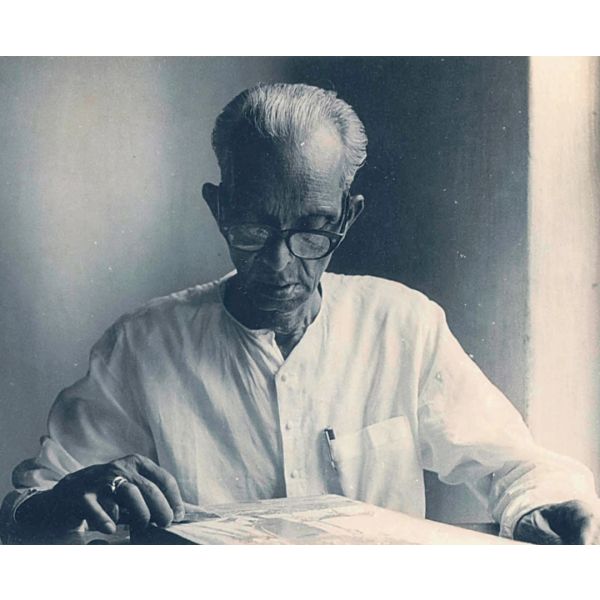 ArtistsHaren Das$0.00Master printmaker Harendra Narayan Das, popularly known as Haren Das, was born in Dinajpur in present day Bangladesh on 1 February 1921. He took a diploma in fine art, with specialisation in graphic arts, from the Government College of Arts and Crafts, Calcutta, in 1938. He worked almost exclusively in printmaking at a time when oil painting ruled popular consciousness and prints were considered inferior. Learn More
 -
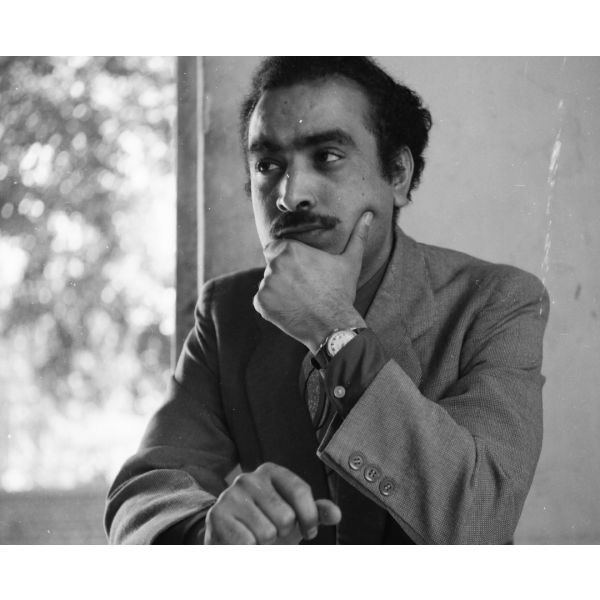 ArtistsG. R. Santosh$0.00Born Gulam Rasool Dar in a Shia Muslim family in Srinagar in Kashmir on 20 June 1929, the artist took on his wife’s Hindu name ‘Santosh’ as his own, in a move opposing patriarchy and religion. His father’s death forced a young Gulam to work as a signboard painter, papier-mâché artist, and weaver. He learnt to paint watercolour landscapes from Dina Nath Raina in Kashmir before studying under N. S. Bendre at M. S. University, Baroda, on the recommendation of S. H. Raza. In Baroda, he produced a large body of figurative and landscape works, mainly in the cubist style. Learn More
 -
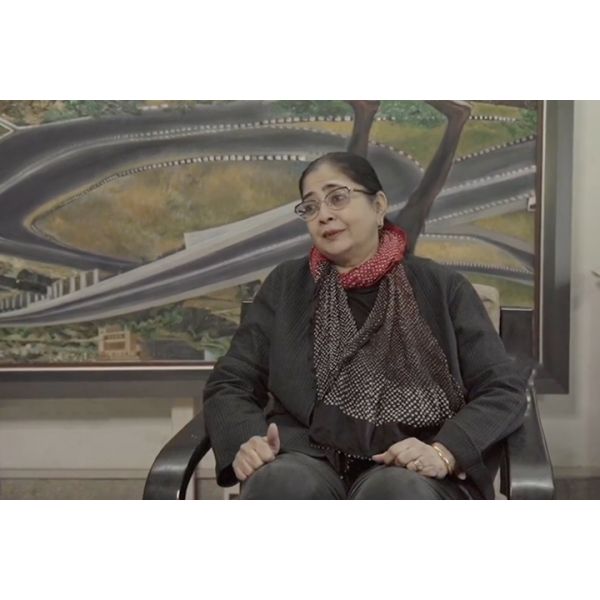 JournalArtists (Un)Scripted – Vasundhara Tewari Broota$0.00
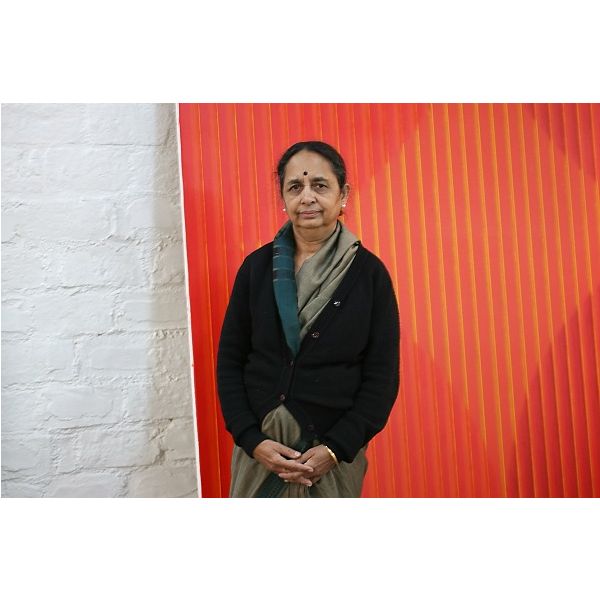
What does it take to liberate a woman’s figure from patriarchal gaze? Courage and conviction, perhaps, as artist Vasundhara Tewari Broota shares in this short interview. Speaking from the experience of painting with courage, the artist also provides a peek into her thought process.
Learn More