


Search results for: 'are museums in london closed on the 24, 25, 26'
-
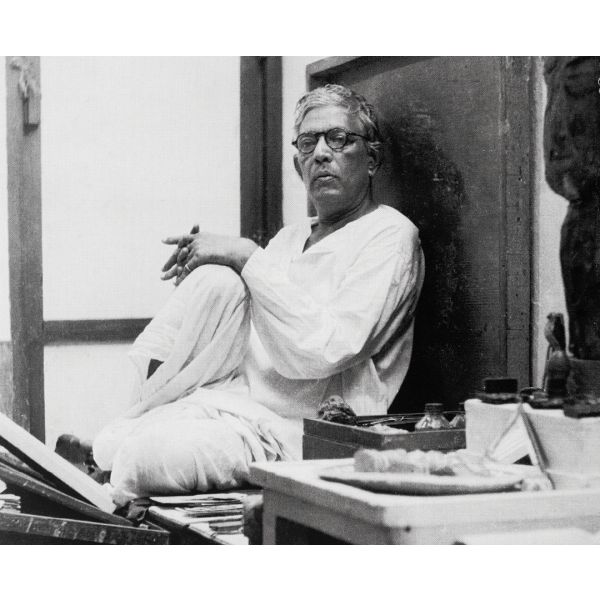 ArtistsJamini Roy$0.00One of India’s most loved artists, Jamini Roy is remembered for forging a unique Indian aesthetic for modern art by bringing together elements of traditional Bengali folk art and Kalighat patachitras, rendered in clean lines and earthy colours. Learn More
 -
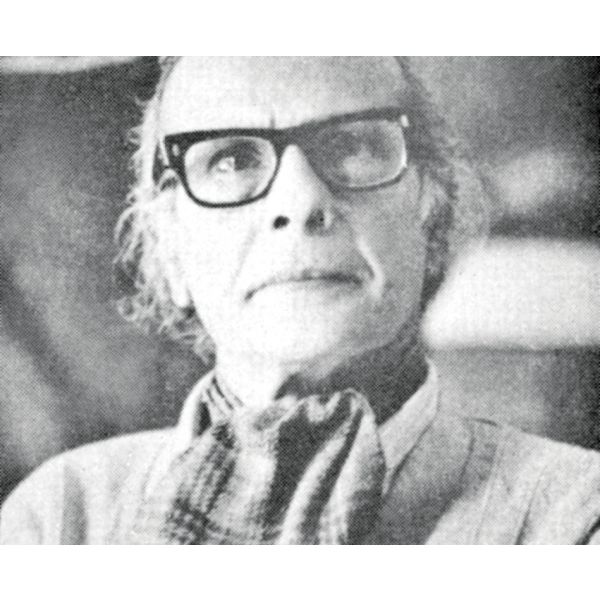 ArtistsHemanta Misra$0.00One of the pioneers of surrealism in Indian modern art, Hemanta Misra was born in Sivasagar, Assam, on 13 October 1917. He went to school in his hometown and later studied at Cotton College, Guwahati, and St. Edmund’s, Shillong. As for the arts, he was self-taught, polishing his skills through a correspondence course with British artist John Hassal. Learn More
 -
 ArtistsGopal Ghose$0.00An ‘India wanderer’, as he liked to call himself, Gopal Ghose spent his formative years away from Calcutta, where he was born on 5 December 1913. His art training began at the Maharaja School of Arts, Jaipur. From 1935-38, Ghose studied at the Government College of Art and Craft, Madras. Once, while painting on the Marina beach in Madras, he caught the attention of C. Rajagopalachari—statesman, activist, writer and leader of the Indian National Congress—who offered to arrange his further studies abroad, which the college authorities, however, did not permit. Learn More
 -
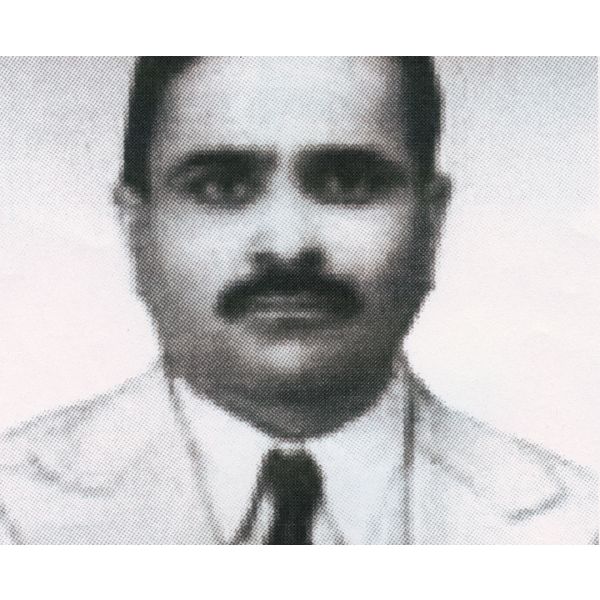 ArtistsD. C. Joglekar$0.00Exemplifying the art of the now-forgotten Bombay School, which was based on realism, or naturalism, as taught by the British, D. C. Joglekar was one of the finest artists who captured India’s panoramic landscapes along with her glorious architectural wonders, including temples, monuments, and archaeological sites. Learn More
 -
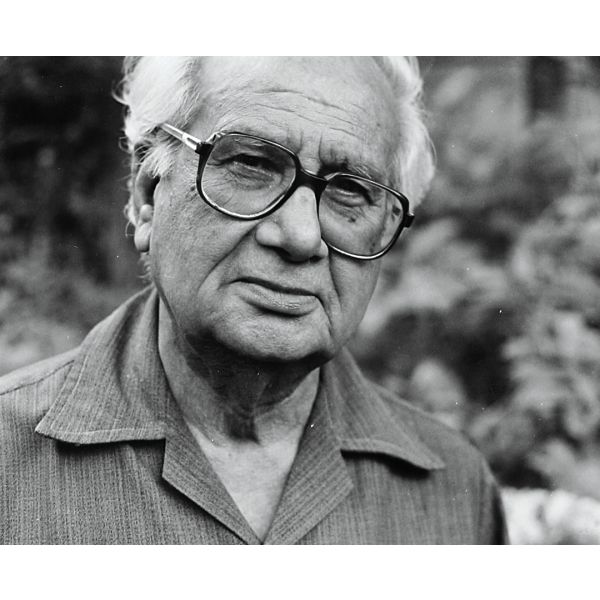 ArtistsChintamoni Kar$0.00Chintamoni Kar, one of the foremost modern sculptors of India, was born on 19 April 1915 in Kharagpur. He trained initially in sculpture with Giridhari Mahapatra, a traditional Oriya sthapati or temple-carver, and learnt painting under Kshitindranath Mazumdar at the Indian Society of Oriental Art, Calcutta. Learn More
 -
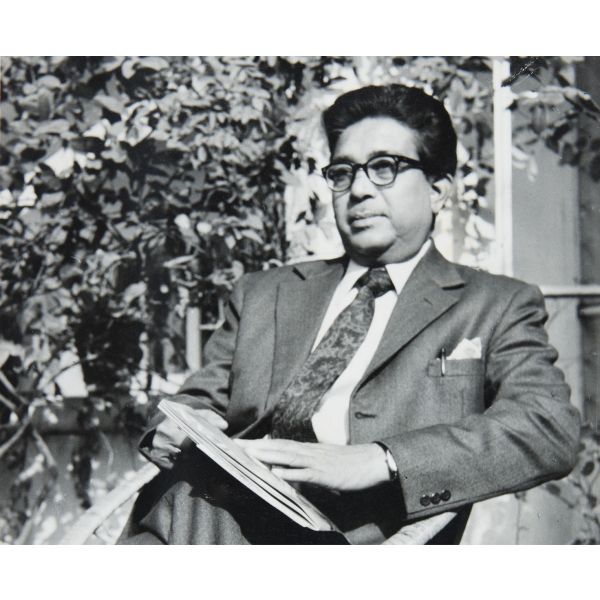 ArtistsArup Das$0.00Born in Bengal, Arup Das remains one of the most formidable muralists and painters of Indian modern art. He graduated from the Government College of Arts and Crafts Calcutta, in the 1940s. Later, in the 1960s, he became a member of All India Fine Arts and Crafts Society, New Delhi. Learn More
 -
 Art FairsArt Dubai$0.00
Shown at the Shanghai Biennale, exhibited in New York, widely admired for his consistency throughout his career, Rabin Mondal’s excoriating paintings are a savage indictment of social and political ills. A reticent, reserved artist, Mondal’s works offer a scathing commentary on the pursuit and abuse of power. A primal, primordial figuration describes his work in which people in positions of authority are rendered vulnerable because of the very power they aspire to. Their contorted features and clawed hands and feet represent their venality. Strong outlines, naked brushstrokes and potent use of green and red characterise most his work.
Learn More -
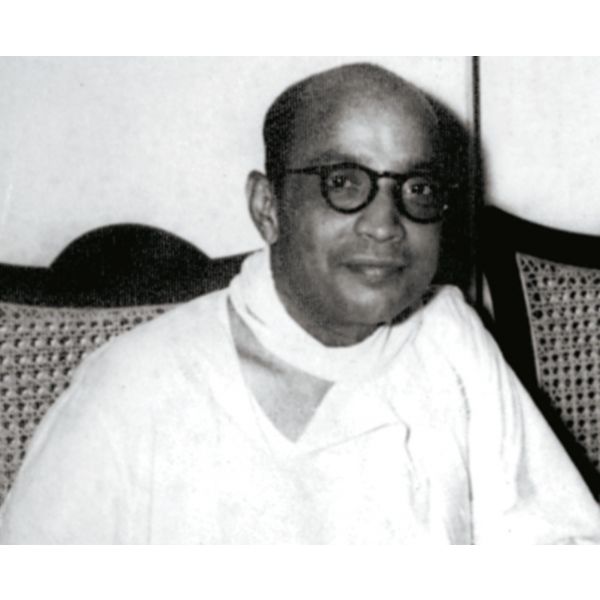 ArtistsRamendranath Chakravorty$0.00Born in 1902 in Tripura, Ramendranath Chakravorty went to the Government College of Art in Calcutta in 1919 but left it in 1921 to join the newly founded Kala Bhavana at Visva-Bharati University, Santiniketan. Soon after graduation, he began his teaching career, first at Kalashala at Andhra National Art Gallery in Machilipatnam, and then at Kala Bhavana. He then joined Government School of Art, Calcutta, as a teacher in 1929, when Mukul Dey, the pioneer of dry point etching in India, was its principal. In 1943-46, Chakravorty was the school’s officiating principal when he set up its graphics department. Eventually, he became the school principal in 1949. Learn More
 -
-
-
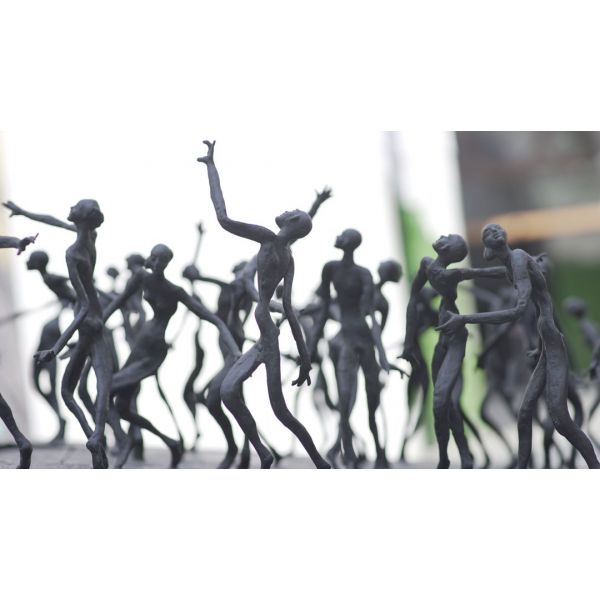 Events and ProgrammesCurious Curatorium$1.00
An online opportunity for young researchers and early career professionals, from History, Art History, Cultural Studies and related fields, to develop research projects under the guidance of eminent academicians and scholars.
Learn More -
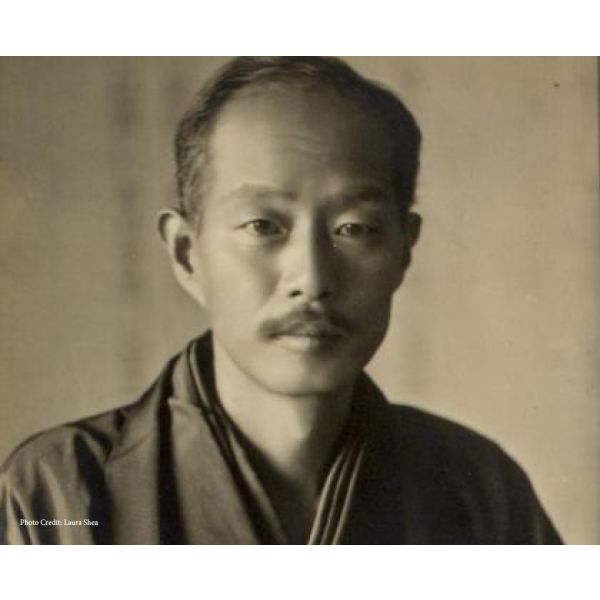 ArtistsYoshida Hiroshi$1.00
Painter-printmaker Yoshida Hiroshi, one of the leading figures of Japanese printmaking after the end of the Meiji period (1912), was born on 19 September 1876 in Kurume in Fukuoka prefecture.
Learn More