For a socially responsive artist like Nataraj Sharma, the frenzied pace of change in contemporary times coupled with his upbringing in vastly different cultural milieus of India, Egypt, England, and Zambia, has proved to be the proverbial grist for his art mill. Learn More
Zarina Hashmi née Rasheed (she dropped her surname in later life) was born on 16 July 1937 in Aligarh to Sheikh Abdur Rasheed, a professor of history at the Aligarh Muslim University (AMU). She was ten at the time of the Partition and the consequent events impacted her life and her art forever, especially since her family chose to migrate to Pakistan some years later. Learn More
Known for his portraits and landscapes rendered in academic-realist style, V. B. Pathare studied painting under S. L. Haldankar in Bombay and Prof. Martin Latuterburg in Bern, Switzerland. After studying portraiture under the renowned Sir Charles Dugdale in London, Pathare painted portraits of several national leaders over time, from Mahatma Gandhi, Rabindranath Tagore and Mahatma Jyotiba Phule to Indira Gandhi and Maharaja Sayajirao Gaekwad of Baroda. Learn More
Born into a family of artists in Lahore on 21 September 1897, M. Abdur Rahman Chughtai learnt to draw from his father, Mia Karim Baksh. He joined Mayo School of Art in Lahore in 1911, where Samarendranath Gupta, a pupil of Abanindranath Tagore, was vice-principal. He obtained a diploma in photo lithography from Mayo School in 1914, where he went on to become the head instructor in chromo-lithography. He honed his printmaking skills during visits to London in the mid-1930s and exhibited his works across Europe; he also exhibited with Indian Society of Oriental Art in Calcutta around this time. Learn More
Born in Suri, Bengal, in 1937, Lalu Prasad Shaw obtained a diploma in painting from the Government College of Art and Craft, Calcutta, in 1959. Despite training in Company School art, traditional Kalighat pats and Ajanta cave frescos, Shaw evolved his distinctive style to work in watercolours and oil. His teachers were some of the leading artists of the time, such as Gopal Ghose, Rathin Maitra, and Maniklal Banerjee. Learn More
Krishnaji Howlaji Ara, a founder member of the Progressive Artists’ Group, was born in Secunderabad on 16 April 1914, but ran away to Bombay as a child. Much later, his skills as a painter were spotted by Austrian artist and art director of The Times of India, Walter Langhammer, who encouraged him in his artistic pursuit. Learn More
Born in Bombay, Jitish Kallat’s earliest memory of art was of helping his elder sister as a five-year-old for a drawing in her biology book. By the time he was in his mid-teens, he was, in his own words, ‘persistently and obsessively drawing’. Kallat secured a degree in fine arts in 1996 from Sir J. J. School of Art. An internationally acclaimed artist, his work includes painting, photography, collages, sculpture, installations, and multimedia. Learn More
Born in 1907, Gobardhan Ash came into his own as an artist at a time when Indian art was in a state of historical flux, when the imagination of young artists was infused with the spirit of country’s freedom from colonial rule. He trained at the Government College of Art in Calcutta from 1926-30, and at the Government School of Arts and Crafts, Madras, till 1932. He was an active member of various artist collectives such as the Calcutta Group that he joined in 1950, the Art Rebel Centre, and the Young Artists Union, of which he was a founder member. Learn More
Co-founder of the Kochi-Muziris Biennale, Bose Krishnamachari was born in Magattukara village, Kerala, and came into prominence in the 1990s, after graduating from Sir J. J. School of Art, Mumbai, at a time when India was experiencing economic liberalisation. Learn More
Born in Nagpur, B. Prabha became an artist at a time when not many Indian women practiced it as a profession. She studied at the Nagpur School of Art and obtained a diploma from Sir J. J. School of Art, Bombay, in 1955. Learn More
Bhabhesh Chandra Sanyal lived a unique life in the world of Indian art, witnessing the huge arc it cut across the twentieth century—he was born when the revivalist Bengal School was beginning to bloom, and by the time he passed away, modern Indian art had gone global and carved an international art market for itself. Learn More
Born in Delhi in 1947, Amitava Das graduated from College of Art, New Delhi, in 1972. At the time, he was part of New Group and Artists’ Forum, and in the same decade won Lalit Kala Akademi’s national award. In 1989, he won a fellowship to study exhibition and graphic design in Germany. Learn More



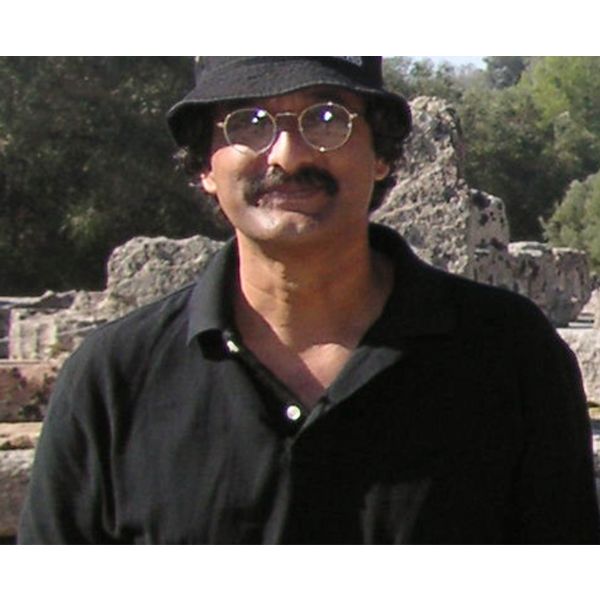 ArtistsNataraj Sharma$0.00For a socially responsive artist like Nataraj Sharma, the frenzied pace of change in contemporary times coupled with his upbringing in vastly different cultural milieus of India, Egypt, England, and Zambia, has proved to be the proverbial grist for his art mill. Learn More
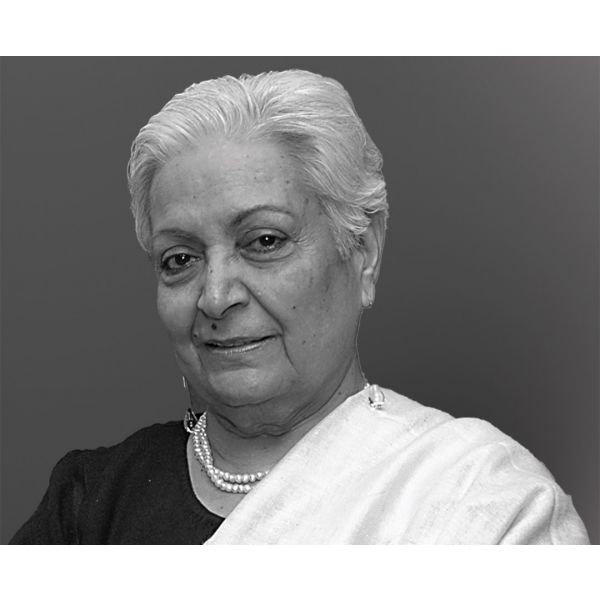 ArtistsZarina Hashmi$0.00Zarina Hashmi née Rasheed (she dropped her surname in later life) was born on 16 July 1937 in Aligarh to Sheikh Abdur Rasheed, a professor of history at the Aligarh Muslim University (AMU). She was ten at the time of the Partition and the consequent events impacted her life and her art forever, especially since her family chose to migrate to Pakistan some years later. Learn More
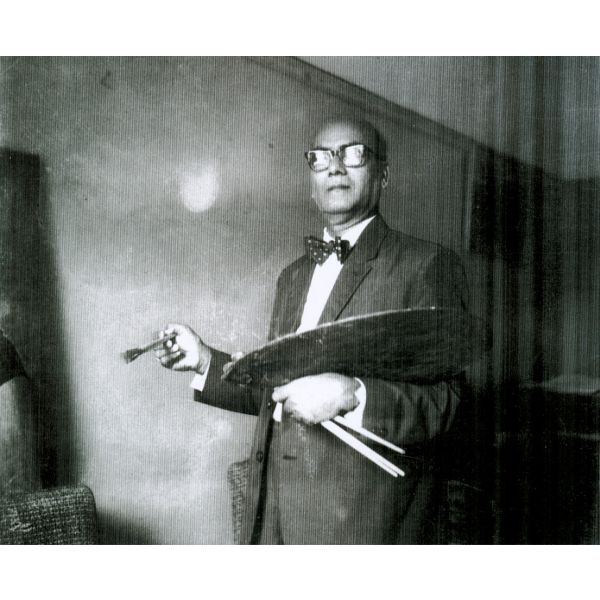 ArtistsV. B. Pathare$0.00Known for his portraits and landscapes rendered in academic-realist style, V. B. Pathare studied painting under S. L. Haldankar in Bombay and Prof. Martin Latuterburg in Bern, Switzerland. After studying portraiture under the renowned Sir Charles Dugdale in London, Pathare painted portraits of several national leaders over time, from Mahatma Gandhi, Rabindranath Tagore and Mahatma Jyotiba Phule to Indira Gandhi and Maharaja Sayajirao Gaekwad of Baroda. Learn More
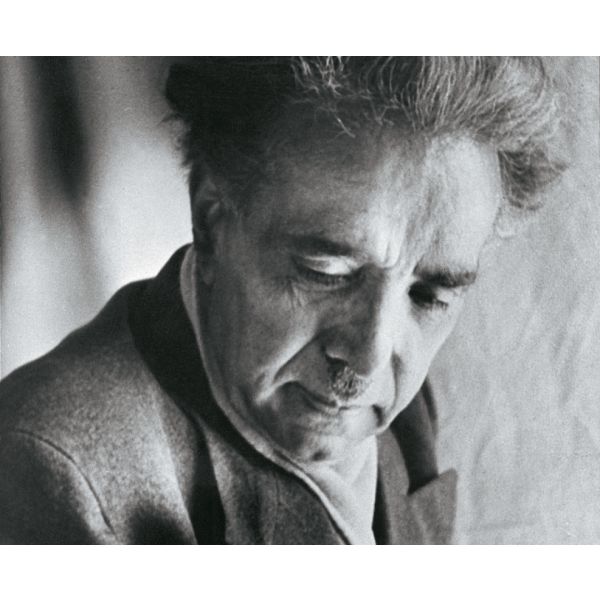 ArtistsM. A. R. Chughtai$0.00Born into a family of artists in Lahore on 21 September 1897, M. Abdur Rahman Chughtai learnt to draw from his father, Mia Karim Baksh. He joined Mayo School of Art in Lahore in 1911, where Samarendranath Gupta, a pupil of Abanindranath Tagore, was vice-principal. He obtained a diploma in photo lithography from Mayo School in 1914, where he went on to become the head instructor in chromo-lithography. He honed his printmaking skills during visits to London in the mid-1930s and exhibited his works across Europe; he also exhibited with Indian Society of Oriental Art in Calcutta around this time. Learn More
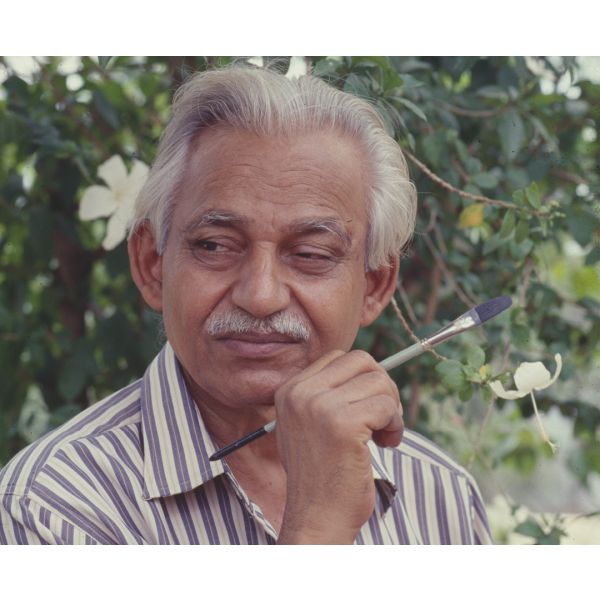 ArtistsLalu Prasad Shaw$0.00Born in Suri, Bengal, in 1937, Lalu Prasad Shaw obtained a diploma in painting from the Government College of Art and Craft, Calcutta, in 1959. Despite training in Company School art, traditional Kalighat pats and Ajanta cave frescos, Shaw evolved his distinctive style to work in watercolours and oil. His teachers were some of the leading artists of the time, such as Gopal Ghose, Rathin Maitra, and Maniklal Banerjee. Learn More
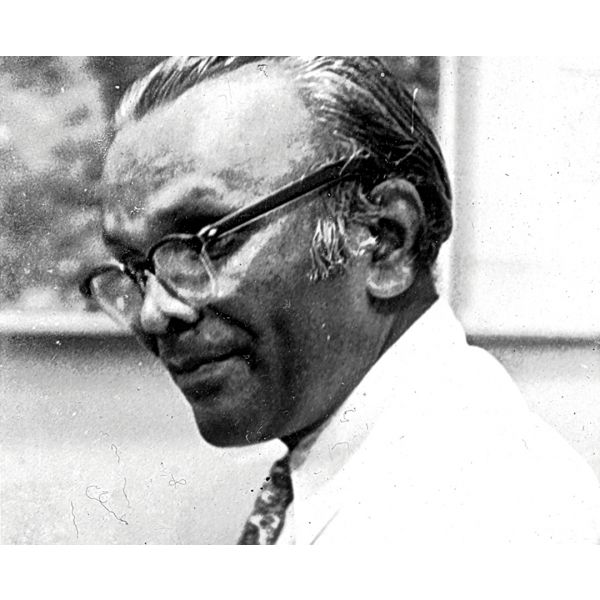 ArtistsK. H. Ara$0.00Krishnaji Howlaji Ara, a founder member of the Progressive Artists’ Group, was born in Secunderabad on 16 April 1914, but ran away to Bombay as a child. Much later, his skills as a painter were spotted by Austrian artist and art director of The Times of India, Walter Langhammer, who encouraged him in his artistic pursuit. Learn More
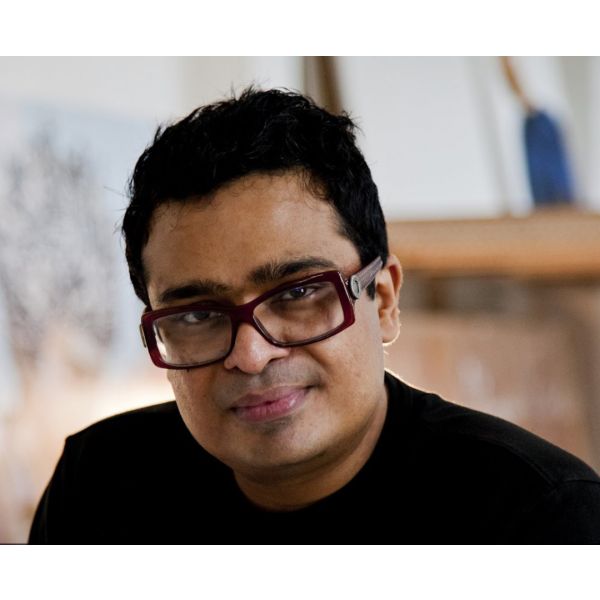 ArtistsJitish Kallat$0.00Born in Bombay, Jitish Kallat’s earliest memory of art was of helping his elder sister as a five-year-old for a drawing in her biology book. By the time he was in his mid-teens, he was, in his own words, ‘persistently and obsessively drawing’. Kallat secured a degree in fine arts in 1996 from Sir J. J. School of Art. An internationally acclaimed artist, his work includes painting, photography, collages, sculpture, installations, and multimedia. Learn More
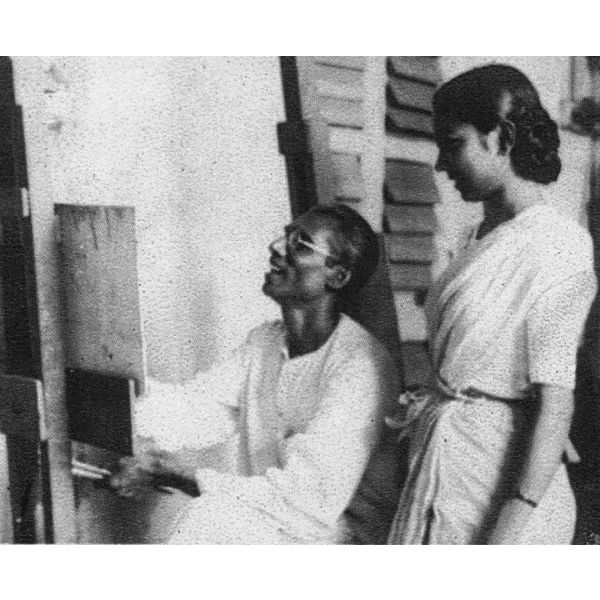 ArtistsGobardhan Ash$0.00Born in 1907, Gobardhan Ash came into his own as an artist at a time when Indian art was in a state of historical flux, when the imagination of young artists was infused with the spirit of country’s freedom from colonial rule. He trained at the Government College of Art in Calcutta from 1926-30, and at the Government School of Arts and Crafts, Madras, till 1932. He was an active member of various artist collectives such as the Calcutta Group that he joined in 1950, the Art Rebel Centre, and the Young Artists Union, of which he was a founder member. Learn More
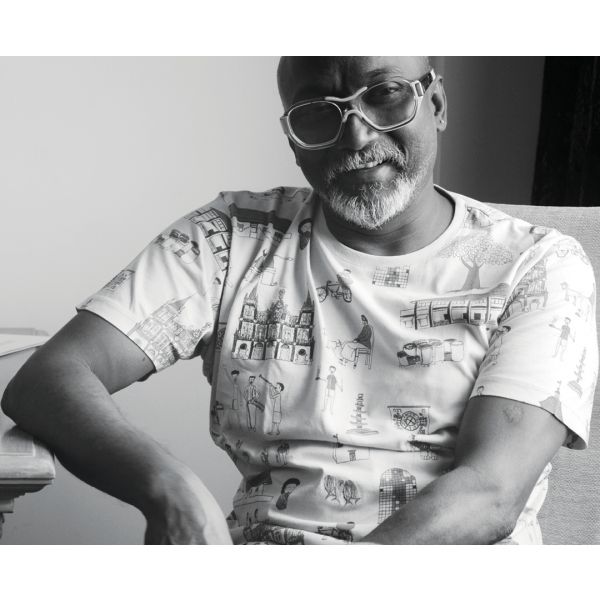 ArtistsBose Krishnamachari$0.00Co-founder of the Kochi-Muziris Biennale, Bose Krishnamachari was born in Magattukara village, Kerala, and came into prominence in the 1990s, after graduating from Sir J. J. School of Art, Mumbai, at a time when India was experiencing economic liberalisation. Learn More
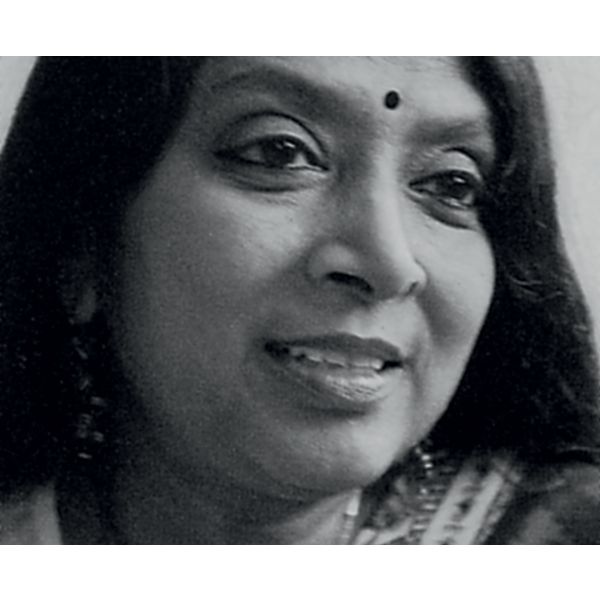 ArtistsB. Prabha$0.00Born in Nagpur, B. Prabha became an artist at a time when not many Indian women practiced it as a profession. She studied at the Nagpur School of Art and obtained a diploma from Sir J. J. School of Art, Bombay, in 1955. Learn More
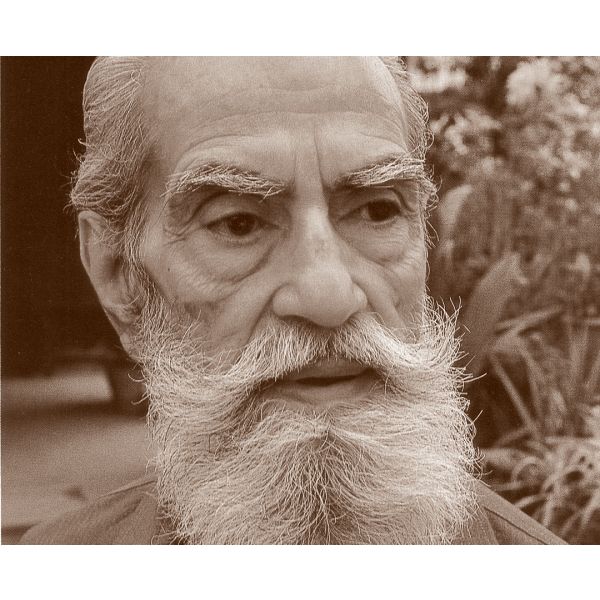 ArtistsB. C. Sanyal$0.00Bhabhesh Chandra Sanyal lived a unique life in the world of Indian art, witnessing the huge arc it cut across the twentieth century—he was born when the revivalist Bengal School was beginning to bloom, and by the time he passed away, modern Indian art had gone global and carved an international art market for itself. Learn More
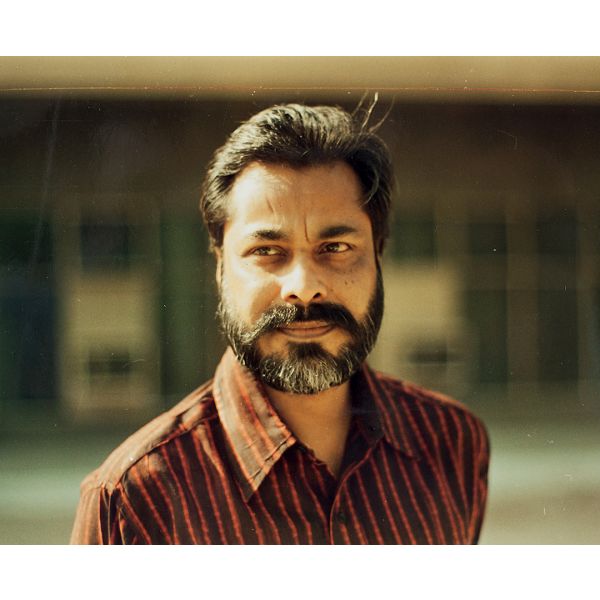 ArtistsAmitava$0.00Born in Delhi in 1947, Amitava Das graduated from College of Art, New Delhi, in 1972. At the time, he was part of New Group and Artists’ Forum, and in the same decade won Lalit Kala Akademi’s national award. In 1989, he won a fellowship to study exhibition and graphic design in Germany. Learn More