Search results for: 'Today s event'
-
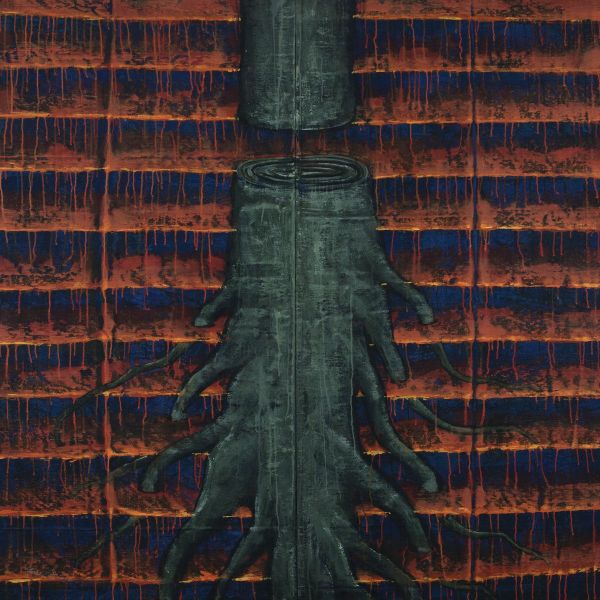 ExhibitionsThe Centum Series Edition 3As low as $1.00
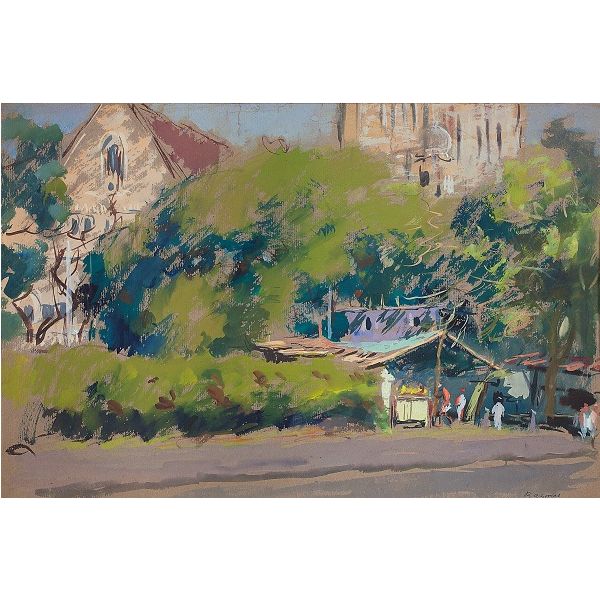
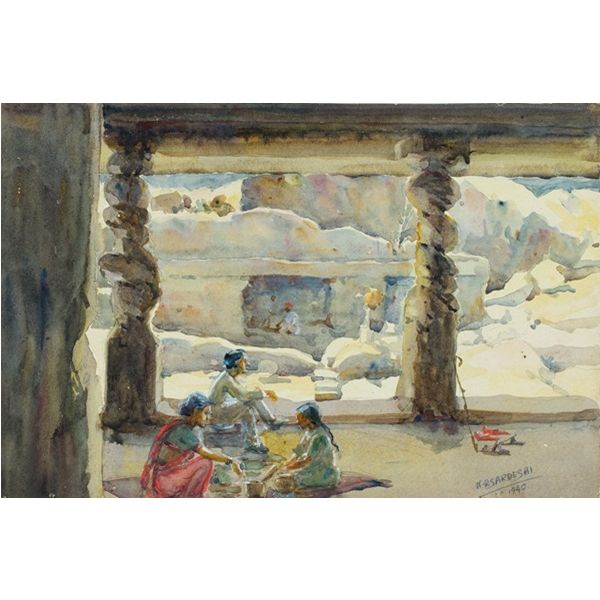
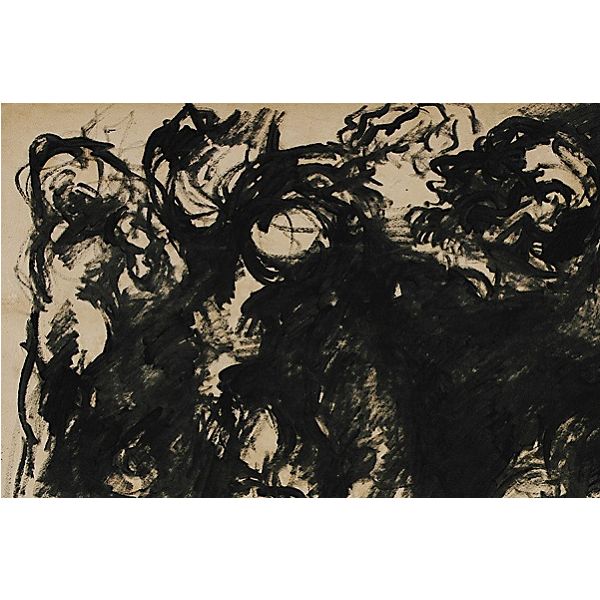
Indian art defies any easily tailored silos to carve for itself a confident assertion of its own identity within a global context, while being a part of its larger assimilative journey. it is this rich legacy of Indian modernism that we hope to explore with The Centum Series which opens a window to the tantalising glimpse of the extraoridnary depth and breadth of its scope and variety. Akhilesh J. Sultan Ali Altaf Ambadas Amit Ambalal Amitava Anonymous (Early Bengal) Dattatraya Apte Radha Charan Bagchi Ramkinkar Baij S. K. Bakre Prabhakar Barwe R. B. Bhaskaran Jyoti Bhatt Natvar Bhavsar Bikash Bhattacharjee Nikhil Biswas Nandalal Bose Shobha Broota Sakti Burman Avinash Chandra Chittaprosad Jagmohan Chopra Bijan Choudhary Jogen Chowdhury Anita Roy Chowdhury D. P. Roy Chowdhury Thomas Daniell Haren Das Sunil Das
Learn More -
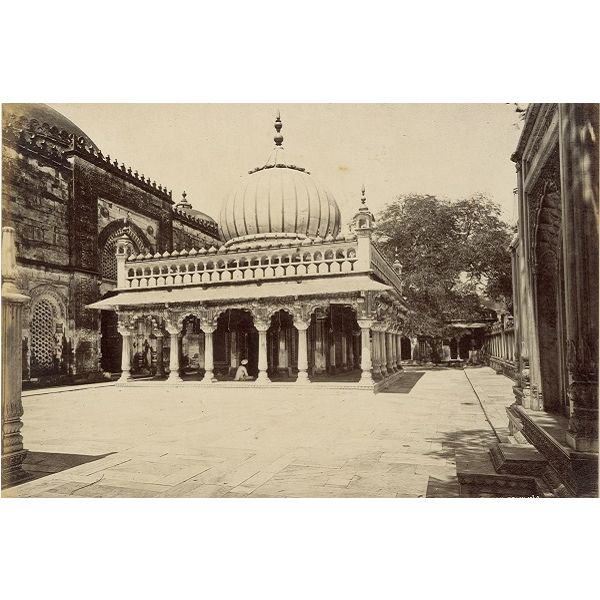 JournalBourne's Legacy: Tracing Samuel Bourne's travels in India$0.00
Samuel Bourne (1834—1912) was a British photographer known for his prolific seven years' work in India, from 1863 to 1870. Landing first at Madras, then Calcutta, he travelled across the subcontinent—leading some of the earliest photographic trips to the Himalayas—and wrote about his first impressions of the places he visited.
Learn More -
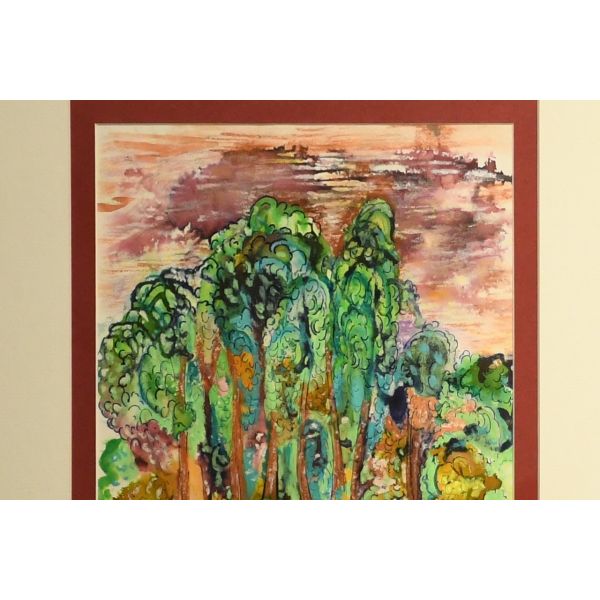 JournalPersonalising the Epics: Amar Nath Sehgal's 'Mythologies'$0.00
The India International Centre at New Delhi, in collaboration with the Amar Nath Sahgal Trust, presented a large suite of works by Amar Nath Sahgal (1922—2007), one of post-independent India’s foremost sculptors, in order to celebrate his centenary year in March 2023.
Learn More -
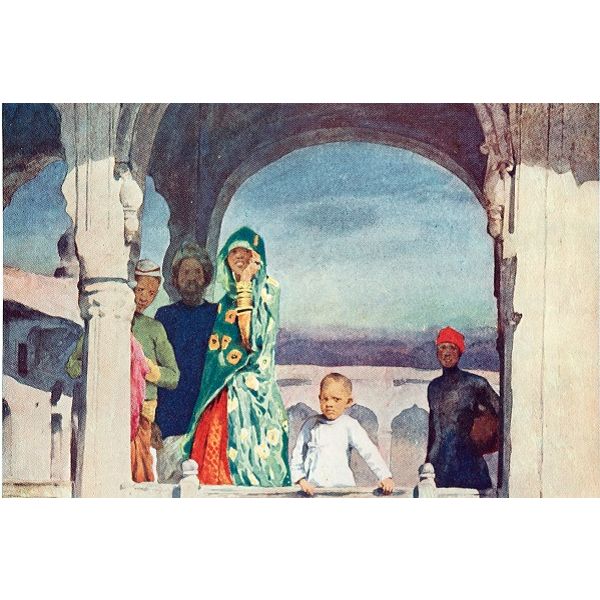 JournalChronicling the Durbar: Images and voices from Delhi$0.00
Who were the significant chroniclers of the Durbars?
Learn More -
 ExhibitionsThe Art Of SantiniketanAs low as $1.00
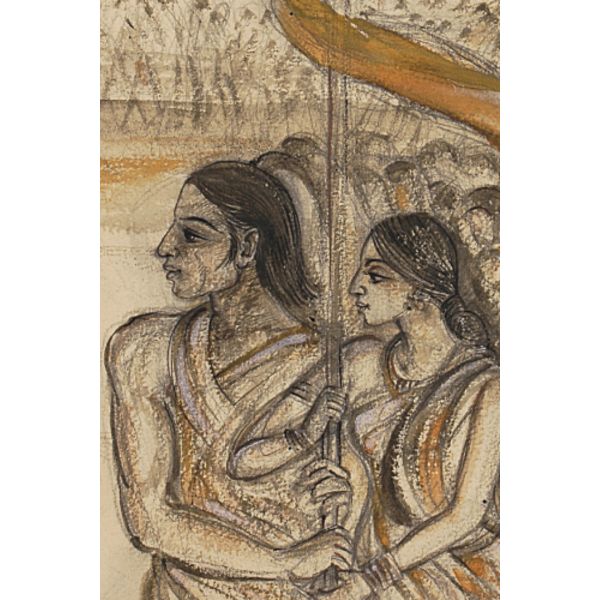
The Art of Santiniketan showcases the work of its four chief artists—Santiniketan’s founder, Rabindranath Tagore, its first principal and the architect of the Santiniketan pedagogy, Nandalal Bose, and his two illustrious students who went on to make a name for themselves as highly original and significant artists—Benode Behari Mukherjee and Ramkinkar Baij. Santiniketan was a path-breaking educational institution Rabindranath Tagore set up in rural Bengal in the early twentieth century, and the exhibition begins by examining its genesis in Tagore’s radical ideas of basing education in freedom and in the midst of nature. Benode Behari Mukherjee Nandalal Bose Rabindranath Tagore Ramkinkar Baij
Learn More -
-
-