Sunayani Devi was born on 18 June 1875 in the Tagore family of talented writers and painters—Nobel-laureate Rabindranath Tagore was an uncle, and Gaganendranath and Abanindranath Tagore were her elder brothers. Essentially a self-taught artist, she witnessed the Bengal renaissance, but it was only in her thirties that she began to paint, encouraged by her husband, the grandson of reformist Raja Ram Mohun Roy. Learn More
The most definitive painter of the portraits of the Sikh gurus, Sobha Singh was born on 29 November 1901 at Gurdaspur in the Punjab. Interested in the arts since childhood, he learnt to draw and sculpt on his own, the early death of his parents depriving him of formal training in art. He joined the British Indian army as a draughtsman and continued to learn from studying the works of English and European artists. Learn More
Born in Calcutta on 20 October 1947, Shuvaprasanna is a quintessential painter of the eastern metropolis that he unabashedly loves. He graduated from Indian College of Art, Rabindra Bharati University, Calcutta, in 1969. An active member of Calcutta Painters group, urban themes are a constant in his work. Beset by problems and politics, but possessing great potential, Kolkata has remained his abiding inspiration as he absorbs and responds to its upheavals, the tumult of its masses, and its frequent political turbulence. Learn More
Born in Calcutta, Sakti Burman studied at the city’s Government College of Arts and Crafts, and later at École Nationale des Beaux-Arts, Paris. Like most other Indian artists who studied or lived in the French capital, Paris-based Burman’s works blend European and Indian imagery. Learn More
Born in Devakottai in Tamil Nadu, Rm. Palaniappan often incorporates the syntax of the sciences such as diagrammatic notations, and symbols, in his work. The memory of the first sight of the earth from above, while on a flight, also appears frequently in the form of maps, grids, and aerial terrain. Another important trope in his works has been imagery associated with the flying machine, inspired by his fascination with Second World War cinema. Learn More
A graduate of Delhi College of Art, Rameshwar Broota has been an art teacher throughout his career. He was a lecturer at his alma mater before moving to Jamia Millia Islamia University and then Sarda Ukil College, eventually taking over as head of department at Triveni Kala Sangam, a position he has held since 1984. Learn More
Born in 1910 in Pabna, in present-day Bangladesh, Radha Charan Bagchi graduated from College of Arts and Crafts, Calcutta, in traditional Indian art, oil painting, and Western academism. Abanindranath Tagore, Mukul Dey and other Bengal masters were major influences but Bagchi evolved his own artistic style. In 1951, he joined Kala Bhavana, Santiniketan, as teacher, officiating twice as its principal in subsequent years. Learn More
Born in Madras, R. B. Bhaskaran is best known for his series on cats, and on couples, as also for his rejection of the ‘restrictive’ need to establish an Indian cultural identity through his works, which he feels is ‘an instinctive by-product of one’s work’. Learn More
Born in Dacca (now Dhaka) in present-day Bangladesh, Prodosh Das Gupta studied sculpture under Hiranmoy Roy Chowdhary at the Lucknow School of Arts and Crafts (1932-33), and under D. P. Roy Chowdhury at Government School of Art and Craft, Madras (1933-37). Over the next two years, he studied bronze casting at LCC Central School, London, and sculpture at Royal Academy of Arts, London, and Académie de la Grande Chaumière, Paris. He returned to India in 1940 and set up his studio in Calcutta. He subsequently taught at M. S. University, Baroda, and at Calcutta’s Government College of Arts and Crafts. Learn More
Well-known for his silkscreen prints, Paramjeet Singh was born and brought up in Jamshedpur in present-day Jharkhand where career prospects appeared limited to engineering or medicine. His parents hoped he would study architecture, but destiny had other plans as a friend took Singh to a local art class, which spurred his interest in drawing and painting. Learn More
Pakala Thirumal Reddy was born to a farmer’s family in Andhra Pradesh’s Karimnagar district. Defying his family’s opposition to art as a professional practice and fascinated with colour and form in his childhood, Reddy joined Sir J. J. School of Art, Bombay, on a scholarship, to study painting. Learn More
One of the nine National Treasure artists of India, Russia-born Nicholas Roerich was not just a painter but a stage designer for ballets, an explorer, writer, and philosopher. As a painter, he is best remembered for his ethereal paintings of the mist-laden and wispy Himalayas, done mostly in tempera or oil. These paintings remain some of the best works celebrating the mighty mountain range. Learn More



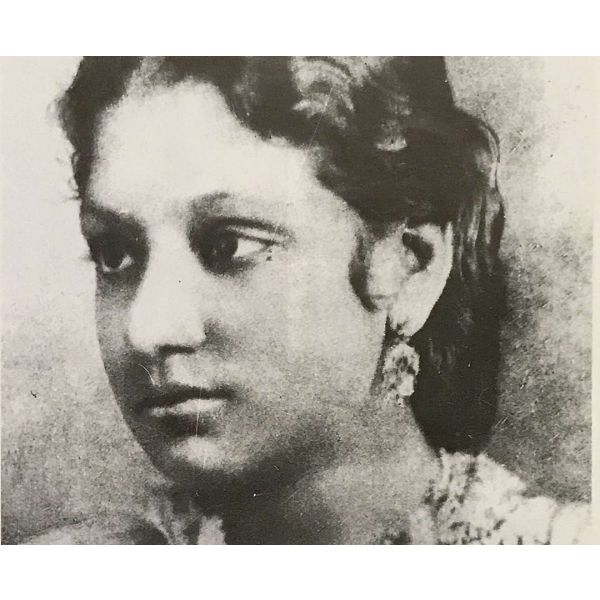 ArtistsSunayani Devi$0.00Sunayani Devi was born on 18 June 1875 in the Tagore family of talented writers and painters—Nobel-laureate Rabindranath Tagore was an uncle, and Gaganendranath and Abanindranath Tagore were her elder brothers. Essentially a self-taught artist, she witnessed the Bengal renaissance, but it was only in her thirties that she began to paint, encouraged by her husband, the grandson of reformist Raja Ram Mohun Roy. Learn More
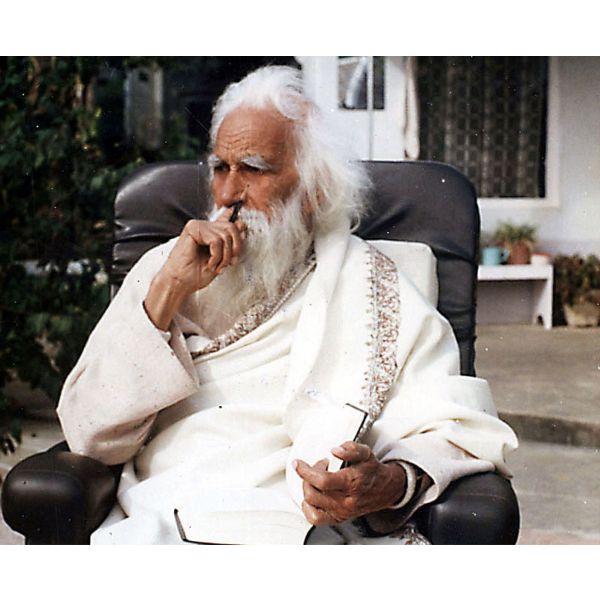 ArtistsSobha Singh$0.00The most definitive painter of the portraits of the Sikh gurus, Sobha Singh was born on 29 November 1901 at Gurdaspur in the Punjab. Interested in the arts since childhood, he learnt to draw and sculpt on his own, the early death of his parents depriving him of formal training in art. He joined the British Indian army as a draughtsman and continued to learn from studying the works of English and European artists. Learn More
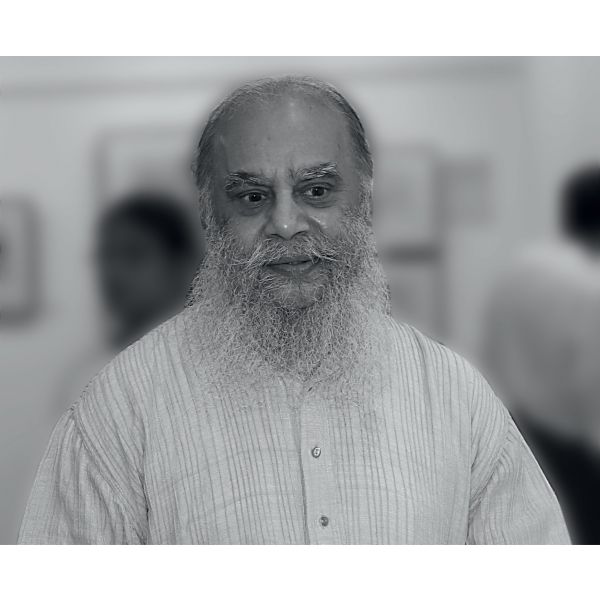 ArtistsShuvaprasanna$0.00Born in Calcutta on 20 October 1947, Shuvaprasanna is a quintessential painter of the eastern metropolis that he unabashedly loves. He graduated from Indian College of Art, Rabindra Bharati University, Calcutta, in 1969. An active member of Calcutta Painters group, urban themes are a constant in his work. Beset by problems and politics, but possessing great potential, Kolkata has remained his abiding inspiration as he absorbs and responds to its upheavals, the tumult of its masses, and its frequent political turbulence. Learn More
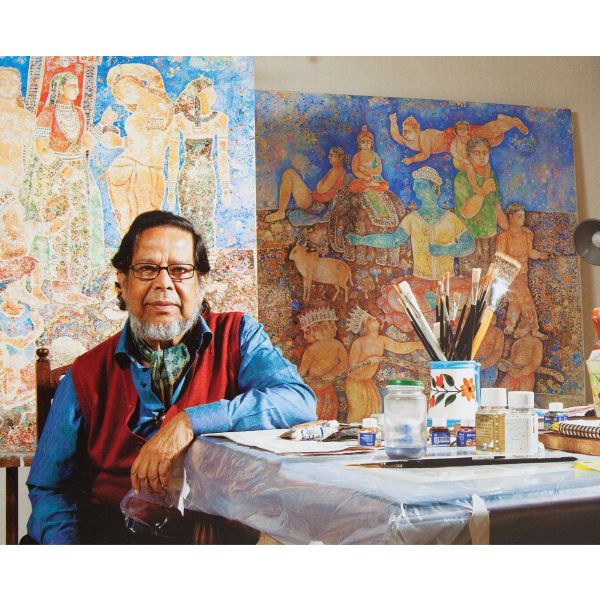 ArtistsSakti Burman$0.00Born in Calcutta, Sakti Burman studied at the city’s Government College of Arts and Crafts, and later at École Nationale des Beaux-Arts, Paris. Like most other Indian artists who studied or lived in the French capital, Paris-based Burman’s works blend European and Indian imagery. Learn More
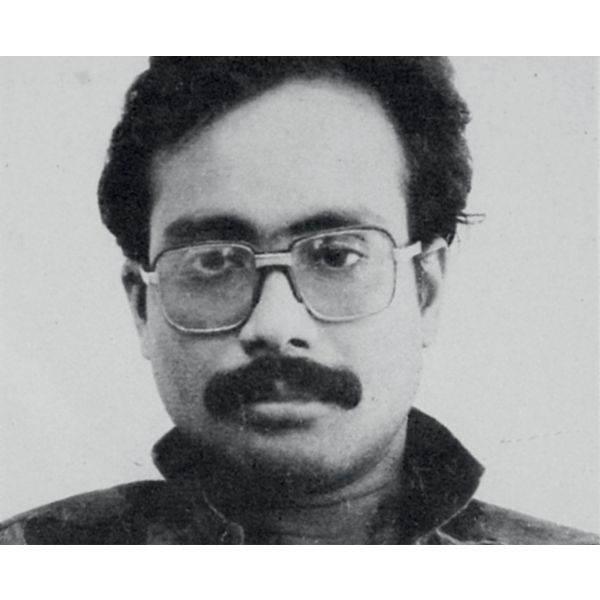 ArtistsRm. Palaniappan$0.00Born in Devakottai in Tamil Nadu, Rm. Palaniappan often incorporates the syntax of the sciences such as diagrammatic notations, and symbols, in his work. The memory of the first sight of the earth from above, while on a flight, also appears frequently in the form of maps, grids, and aerial terrain. Another important trope in his works has been imagery associated with the flying machine, inspired by his fascination with Second World War cinema. Learn More
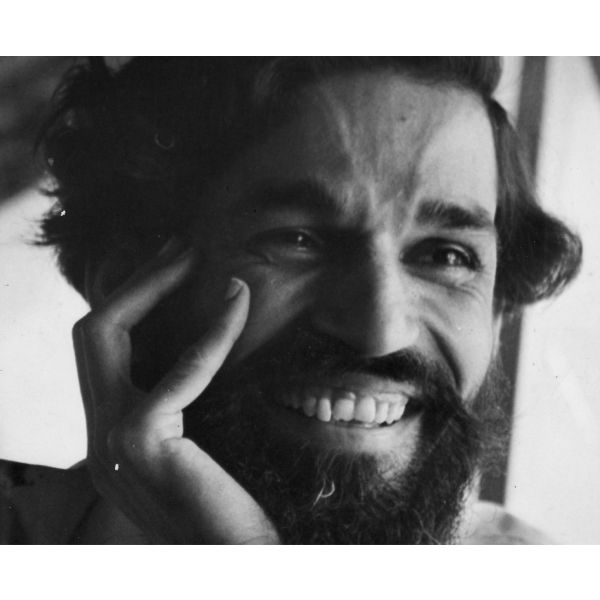 ArtistsRameshwar Broota$0.00A graduate of Delhi College of Art, Rameshwar Broota has been an art teacher throughout his career. He was a lecturer at his alma mater before moving to Jamia Millia Islamia University and then Sarda Ukil College, eventually taking over as head of department at Triveni Kala Sangam, a position he has held since 1984. Learn More
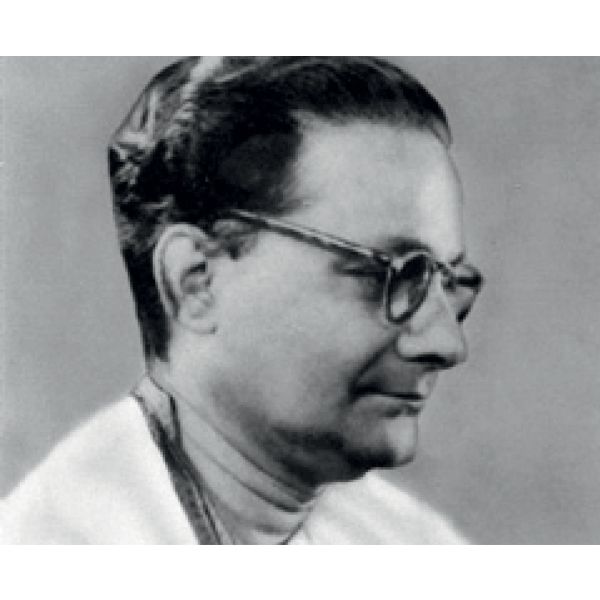 ArtistsRadha Charan Bagchi$0.00Born in 1910 in Pabna, in present-day Bangladesh, Radha Charan Bagchi graduated from College of Arts and Crafts, Calcutta, in traditional Indian art, oil painting, and Western academism. Abanindranath Tagore, Mukul Dey and other Bengal masters were major influences but Bagchi evolved his own artistic style. In 1951, he joined Kala Bhavana, Santiniketan, as teacher, officiating twice as its principal in subsequent years. Learn More
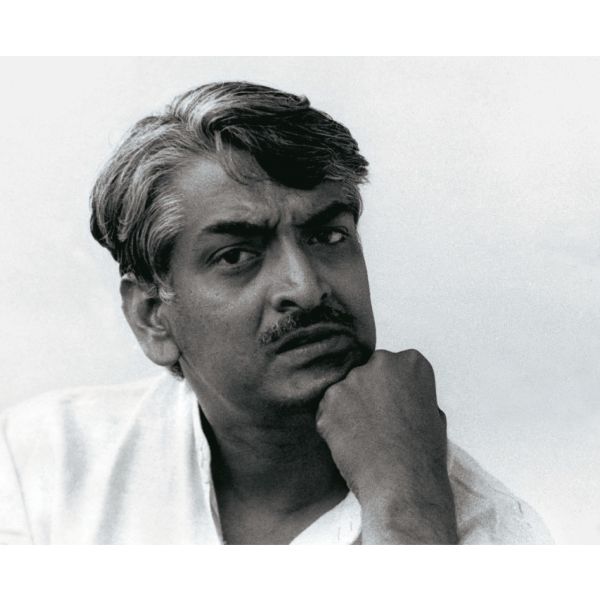 ArtistsR. B. Bhaskaran$0.00Born in Madras, R. B. Bhaskaran is best known for his series on cats, and on couples, as also for his rejection of the ‘restrictive’ need to establish an Indian cultural identity through his works, which he feels is ‘an instinctive by-product of one’s work’. Learn More
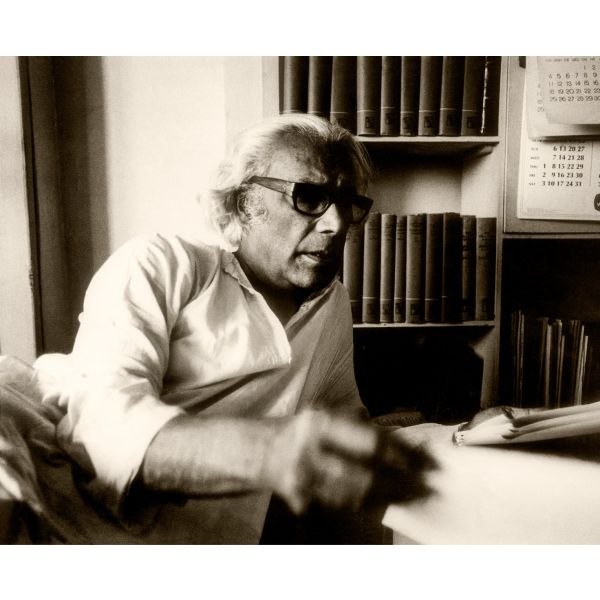 ArtistsProdosh Das Gupta$0.00Born in Dacca (now Dhaka) in present-day Bangladesh, Prodosh Das Gupta studied sculpture under Hiranmoy Roy Chowdhary at the Lucknow School of Arts and Crafts (1932-33), and under D. P. Roy Chowdhury at Government School of Art and Craft, Madras (1933-37). Over the next two years, he studied bronze casting at LCC Central School, London, and sculpture at Royal Academy of Arts, London, and Académie de la Grande Chaumière, Paris. He returned to India in 1940 and set up his studio in Calcutta. He subsequently taught at M. S. University, Baroda, and at Calcutta’s Government College of Arts and Crafts. Learn More
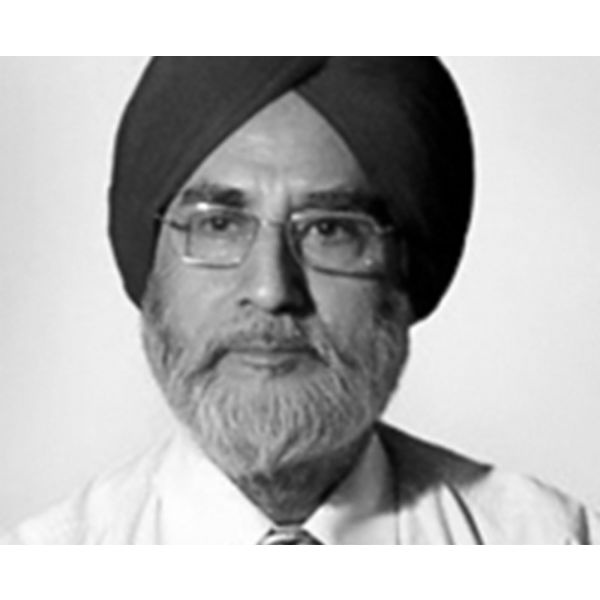 ArtistsParamjeet Singh$0.00Well-known for his silkscreen prints, Paramjeet Singh was born and brought up in Jamshedpur in present-day Jharkhand where career prospects appeared limited to engineering or medicine. His parents hoped he would study architecture, but destiny had other plans as a friend took Singh to a local art class, which spurred his interest in drawing and painting. Learn More
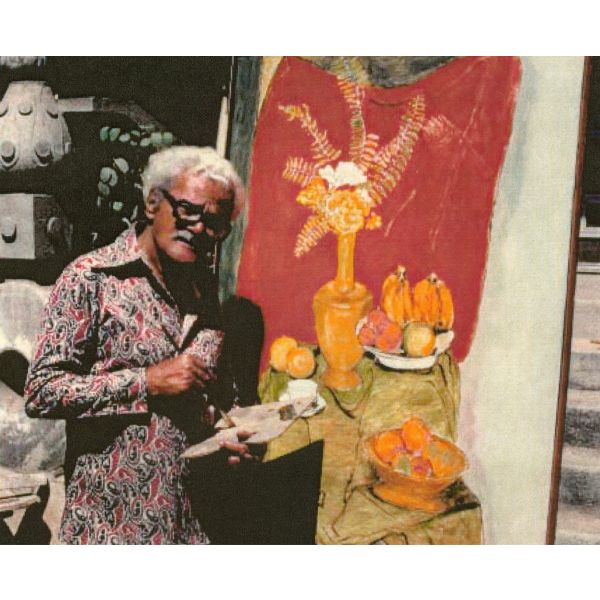 ArtistsP. T. Reddy$0.00Pakala Thirumal Reddy was born to a farmer’s family in Andhra Pradesh’s Karimnagar district. Defying his family’s opposition to art as a professional practice and fascinated with colour and form in his childhood, Reddy joined Sir J. J. School of Art, Bombay, on a scholarship, to study painting. Learn More
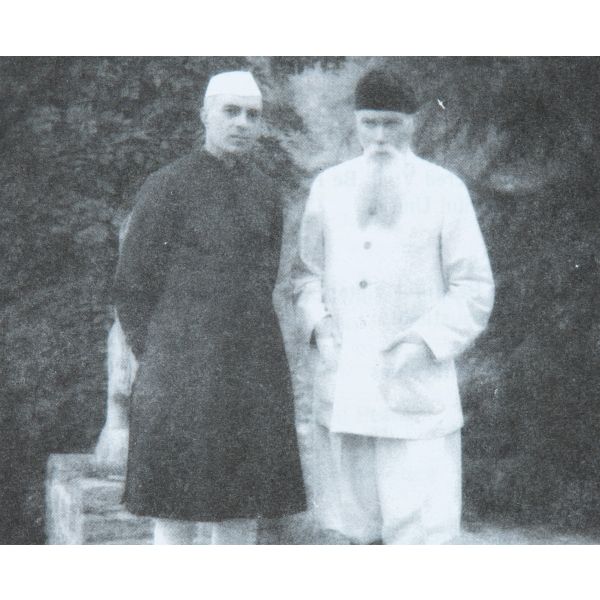 ArtistsNicholas Roerich$0.00One of the nine National Treasure artists of India, Russia-born Nicholas Roerich was not just a painter but a stage designer for ballets, an explorer, writer, and philosopher. As a painter, he is best remembered for his ethereal paintings of the mist-laden and wispy Himalayas, done mostly in tempera or oil. These paintings remain some of the best works celebrating the mighty mountain range. Learn More