Search results for: 'when will the second interview at applebee's be for dishwasher possition'
-
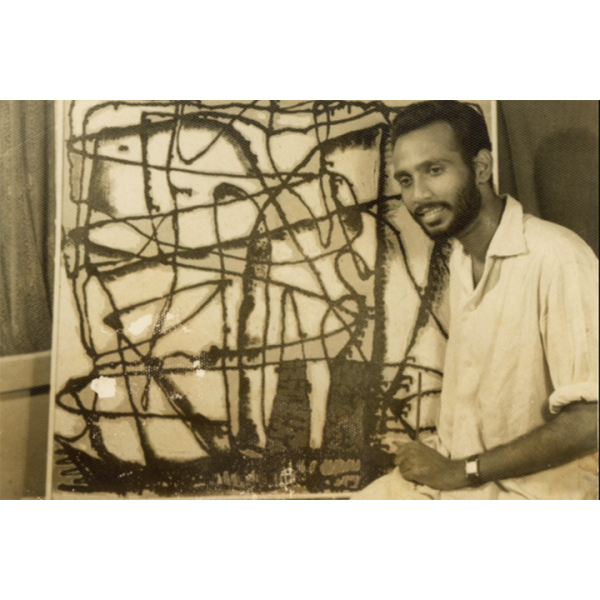 JournalKishore Singh on P. Khemraj$0.00‘Iconic Masterpieces of Indian Modern Art, Edition 2’ opened on 11 February at DAG’s Janpath Gallery in New Delhi featuring fifty artworks which shaped the trajectory of pre-modern and modern art in the country. As part of the exhibition, Kishore Singh speaks on P. Khemraj’s ‘Charpoi’ painting and its sensualist language. The autobiographical elements of the work and its depiction of universally felt emotions within a language of abstraction, personalizes its appeal. Learn More
 -
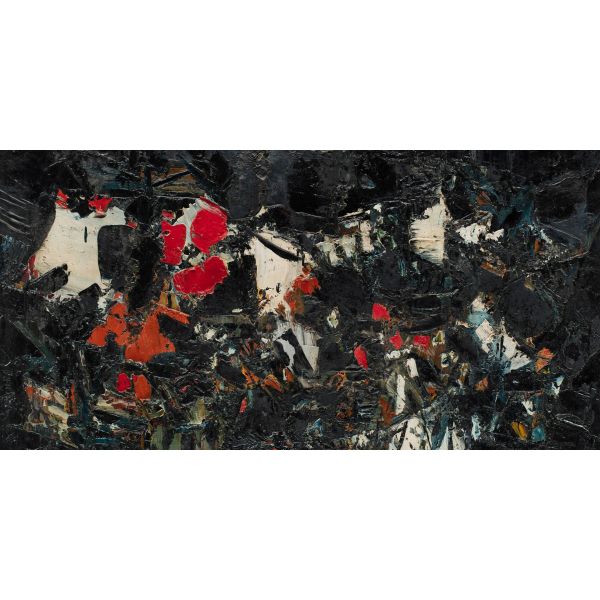 JournalAn Elsewhere Homeland: Sayed Haider Raza’s Iconic Masterpiece$0.00
‘Raza was in some ways an earth painter—someone to whom earth mattered both as a constant presence and an irrepressible memory.’ Ashok Vajpeyi looks at the natural mechanics of Sayed Haider Raza’s abstractions, tracing his relationship with landscape and art.
Learn More -
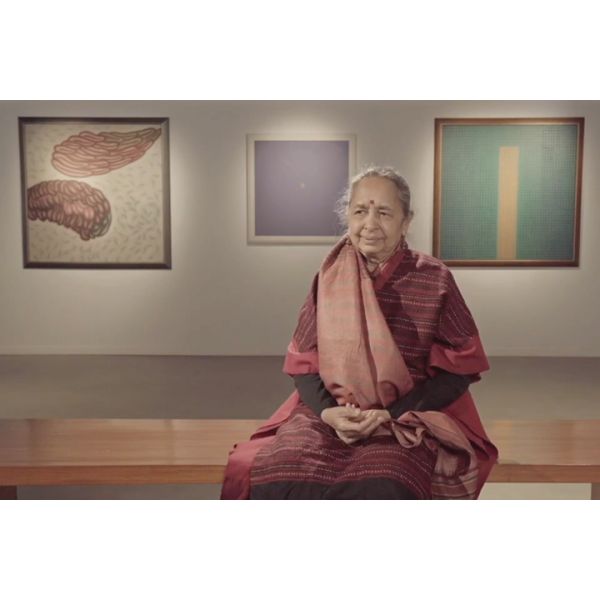 JournalArtists (Un)Scripted – Shobha Broota$0.00Shobha Broota is often described as among the most enigmatic artists of her generation. Her strength lies in ‘simplicity’, which she has used dexterously to explore the most complex of subjects in her art, making her a pioneer in choosing abstraction when very few women artists of India were doing so. Learn More
 -
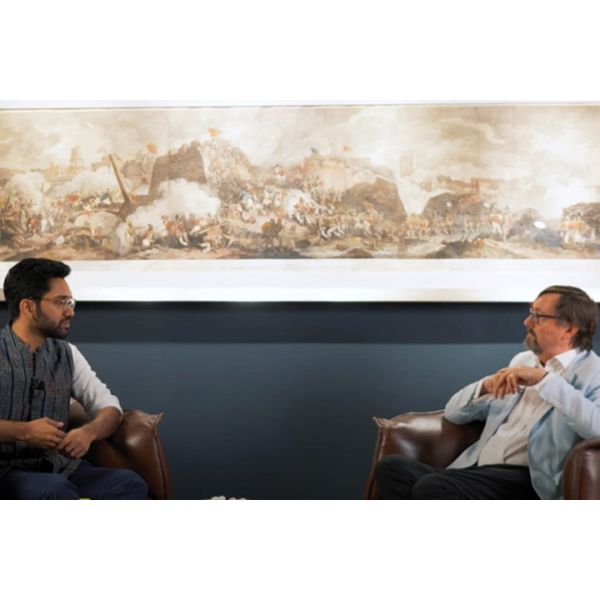 JournalRemembering Tipu Sultan: Manu Pillai and Giles Tillotson$0.00Historian and author Manu S. Pillai in conversation with art historian and curator Giles Tillotson on the subject of Tipu Sultan in the context of DAG’s exhibition, 'Tipu Sultan: Image and Distance' Learn More
 -
-
-
-
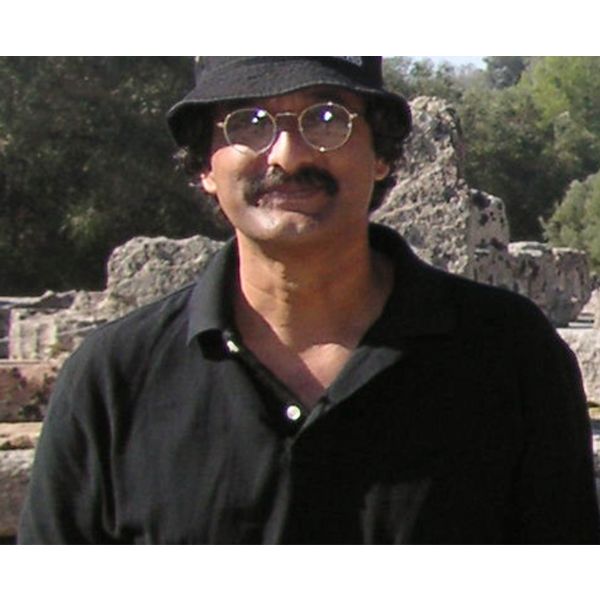 ArtistsNataraj Sharma$0.00For a socially responsive artist like Nataraj Sharma, the frenzied pace of change in contemporary times coupled with his upbringing in vastly different cultural milieus of India, Egypt, England, and Zambia, has proved to be the proverbial grist for his art mill. Learn More
 -
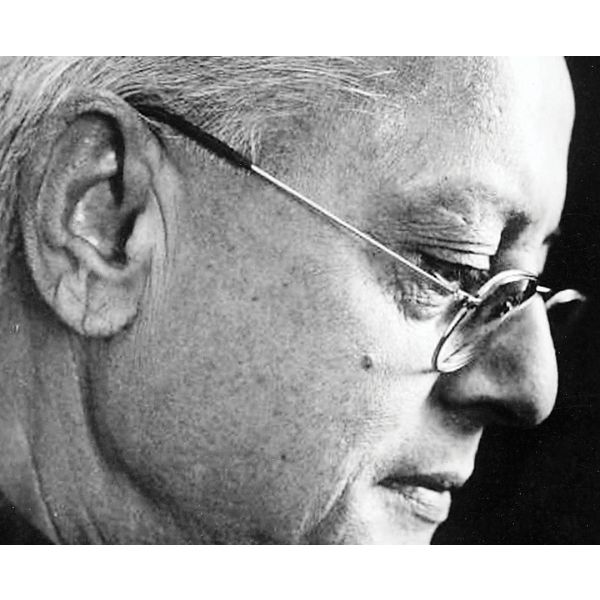 ArtistsBireswar Sen$0.00A miniature landscape artist par excellence, Bireswar Sen is known for evolving a unique style wherein he painted vistas of the gigantic Himalayas and the deep valleys on a minuscule scale. Learn More