Search results for: 'what part of hamlet's father's speech was used in the film hamnet'
-
 Art FairsIndia Art Fair$1.00
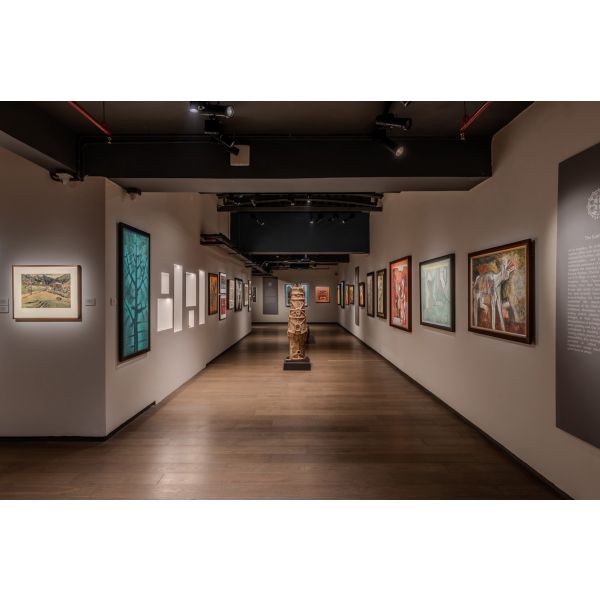
The DAG booth at India Art Fair has always aspired to provide its thousands of visitors with their most unique art-viewing experience based on rarity, historicity, and quality, raising the bar each year with works of sterling importance in addressing the art history of the subcontinent. Abanindranath Tagore, Allah Bux, Anonymous (Early Bengal), Dhanraj Bhagat Jamini Roy, Krishen Khanna, Ram Kumar, M. A. R. Chughtai, M. F. Husain, Madhvi Parekh, Nandalal Bose, Nirode Mazumdar, Prabhakar Barwe, S. K. Bakre, Sailoz Mookherjea, Shanti Dave, Sohan Qadri, Thomas Daniell, Raja Ravi Varma, Edwin Lord Weeks, F. N. Souza, M. V. Dhurandhar
Learn More -
 Art FairsIndia Art Fair$0.00
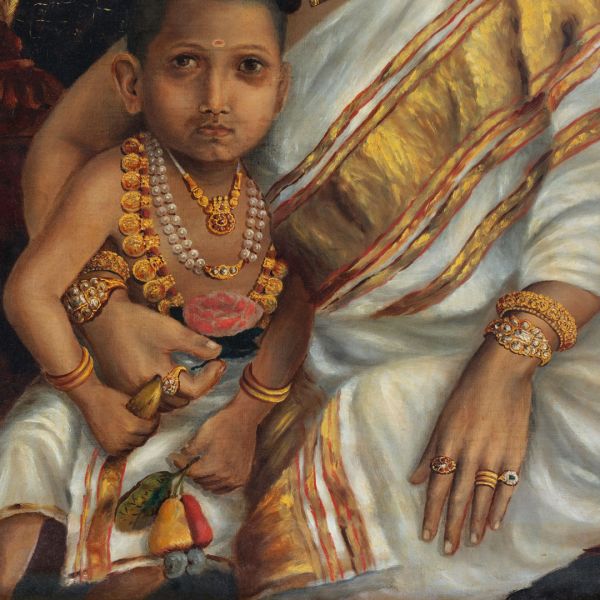
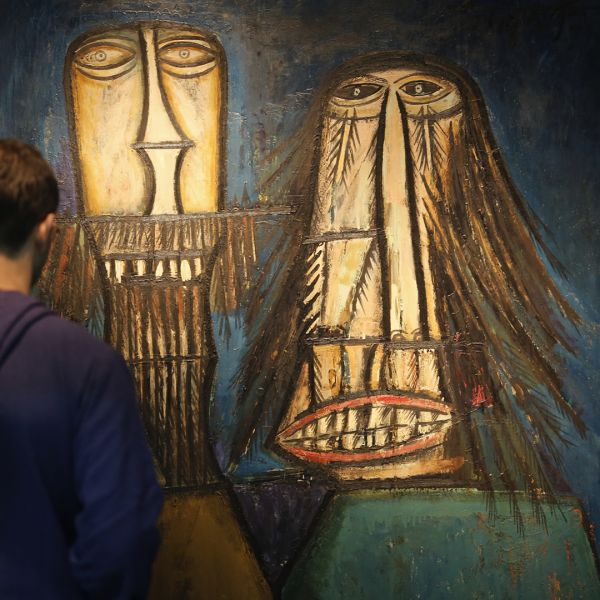
For the second year running at the India Art Fair, DAG built upon its theme with a second edition of ‘Masterpieces of Indian Modern Art’, on a scale as ambitious as the previous year. A portrait by Raja Ravi Varma was the highlight among the old masters, but a stunning painting by F. N. Souza—Man and Woman Laughing—stole the show. Once again, the lavish booth set new standards in terms of display, visitor experience, private lounges, and a souvenir and book store. Special lectures were organised at the booth, and a large number of walkthroughs were arranged for pre-booked groups. As in the previous edition, a large book was published on the displayed works, and a daily art newspaper was published for visitors to the fair. Avinash Chandra Nandalal Bose Chittaprosad F. N. Souza G. R. Santosh M. V. Dhurandhar J. Sultan Ali Jamini Roy K. H. Ara M. F. Husain Ram Kumar S. H. Raza Rabindranath Tagore
Learn More -
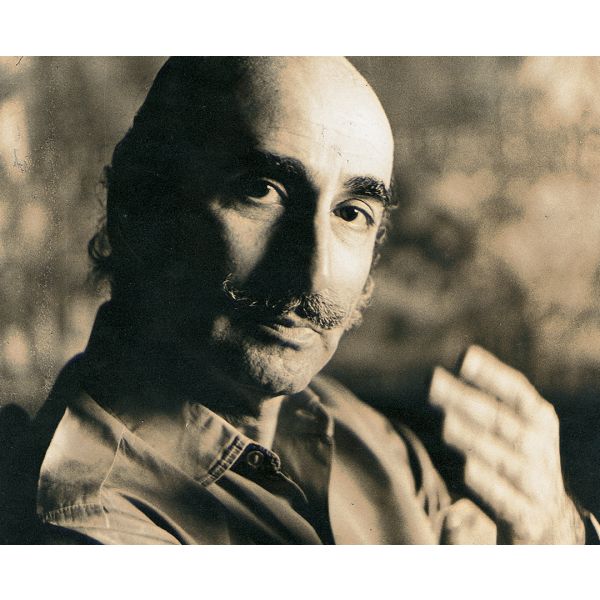 ArtistsJehangir Sabavala$0.00A painter with a strikingly elegant bearing, Jehangir Sabavala was born on 23 August 1922 in an affluent Parsi family in Bombay and grew up in an intellectually charged environment. He studied at Elphinstone College, Bombay, before graduating from Sir J. J. School of Art in 1944. Thereafter, he studied at some of the leading art schools of Europe—The Heatherly School of Art, London (1945-47), Académie André Lhote, Paris (1948-51), Académie Julian, Paris (1953-54), and Académie de la Grande Chaumière, Paris (1957). Learn More
 -
-
-
-
 Institutional CollaborationsThe Printed Picture: Four Centuries of Indian Print-Making$1.00
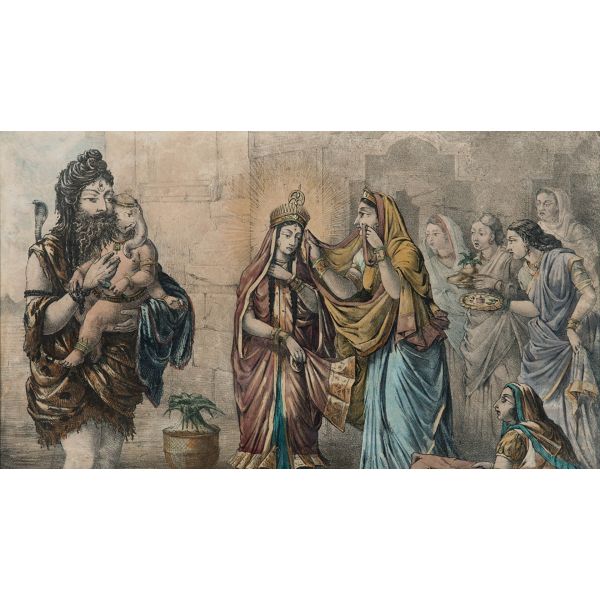
As printing technologies improved around the turn of the 18th century, a large number of cheaply reproduced printed pictures—illustrated books, almanacs and mythological images—became available to the common people. This became an important vehicle of social change because people could own, produce and disseminate images of all kinds—from their beloved deities and favourite fictional characters to political cartoons critiquing colonial authorities. Printmaking was equally treasured by artists for its aesthetic potential, as techniques like lithography, etching, metal engraving, viscosity, gave practitioners infinite opportunities for creative exploration. This landmark exhibition gives us a comprehensive overview of the history of the printed picture in India.
Learn More -
 Institutional CollaborationsBirds of India: Company Paintings c. 1800 to 1835$1.00
In celebration of birds and the long relationship art has shared with the winged creatures, this exhibition brings together four folios to present portraits of Indian birds made in the early nineteenth century. While representations of birds date back to the Ajanta murals, naturalistic imagery reached its peak in Mughal art under Emperor Jahangir. In the late 18th century two connected developments emerged in Lucknow and Calcutta. While General Claude Martin provided imported European paper to the artists in Lucknow to prepare botanical studies and other natural history works, in Calcutta Mary, Lady Impey (wife of Chief Justice of the Supreme Court in Bengal, Elijah Impey) had a menagerie where she employed artists to portray variety of animals and birds. Dr. William Roxburgh, superintendent of Calcutta Botanical Garden from 1793, also added to the discourse of natural history by appointing local artists to make botanical studies of the specimens in his charge. The efforts of Martin, Impey, Roxburgh and their artists gave rise to a large body of Company Paintings dedicated to natural history.
Learn More -
-