


Search results for: 'Babu and the ba'
-
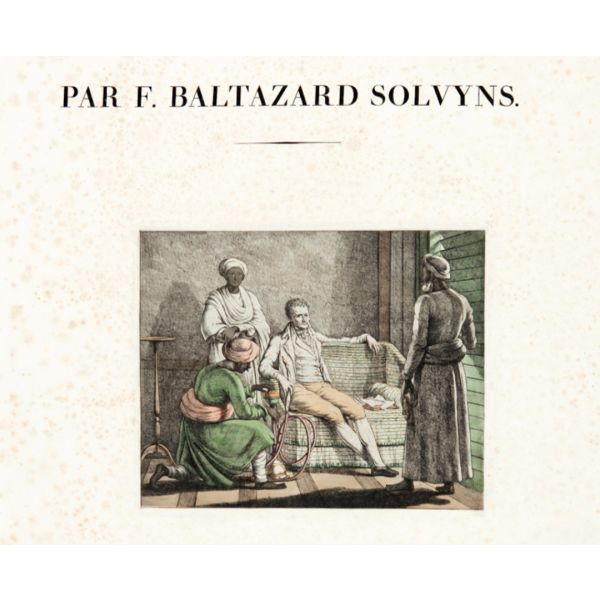 ArtistsF. B. Solvyns$1.00
Flemish marine painter and one of the early pioneers of printmaking in India, François Balthazar Solvyns was born in Antwerp, Belgium, on 6 July 1760, in a prominent merchant family.
Learn More -
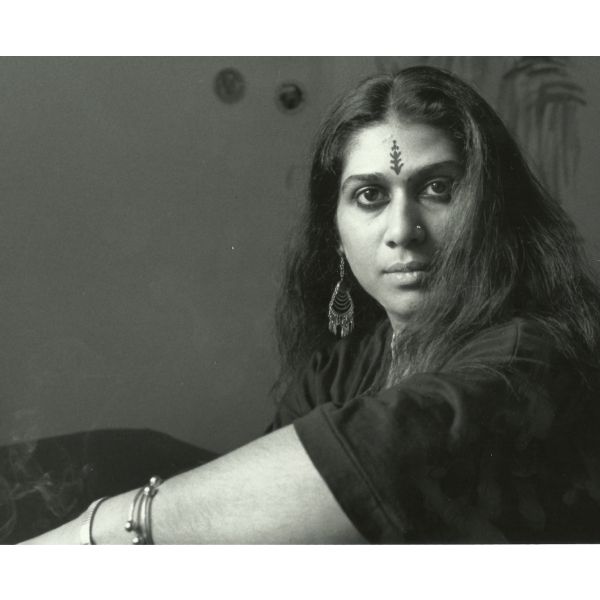 ArtistsRekha Rodwittiya$0.00Born on 31 October 1958 in Bangalore, Rekha Rodwittiya is an artist aligned with the Baroda School whose work engages with gender politics, socio-political subjugation, human degradation, violence and discrimination, all filtered through the prism of self-questioning. Learn More
 -
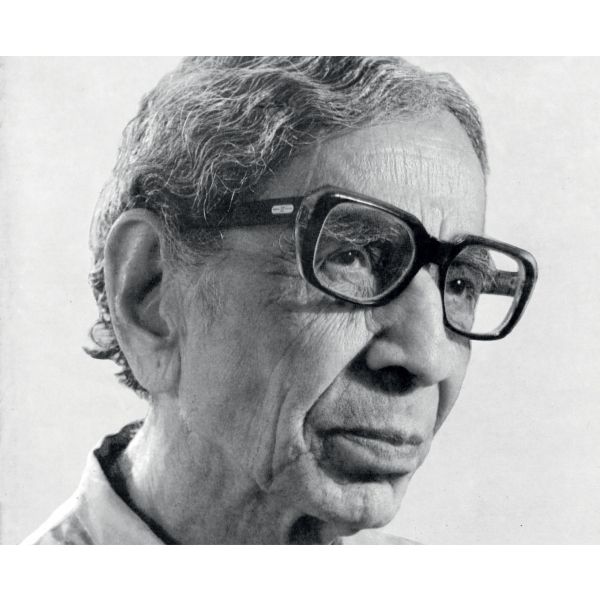 ArtistsRamgopal Vijaivargiya$0.00Born in Baler in Rajasthan’s Sawai Madhopur district in 1905, Ramgopal Vijaivargiya developed a keen interest in painting at an early age, initiated by a wandering sadhu of the Ram Snehi sect. He joined Maharaja School of Art and Craft in Jaipur, where Asit Kumar Haldar was principal. Learn More
 -
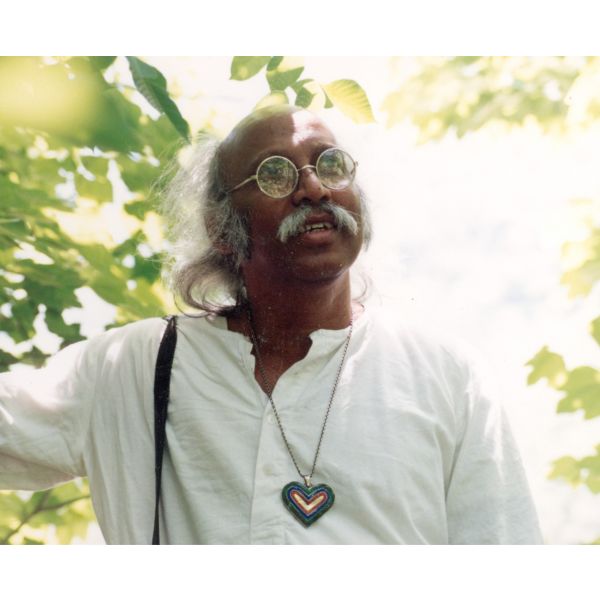 ArtistsP. Khemraj$0.00Hailing from an artistic family based in Bombay, P. Khemraj was fascinated with manifestations of all things fine in every aspect of life. On completion of his training in drawing and painting at Sir J. J. School of Art, Bombay, Khemraj, a fine violinist, left for New Delhi to learn the sitar from Pandit Ravi Shankar. Learn More
 -
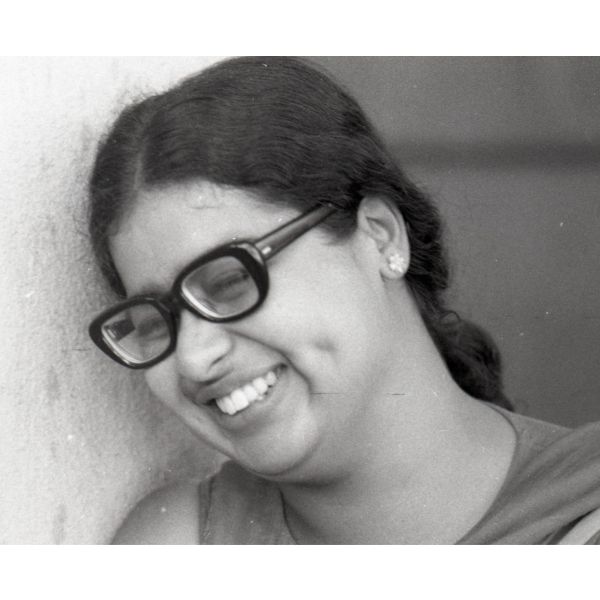 ArtistsMrinalini Mukherjee$0.00Born in Bombay to eminent artist-couple Benode Behari and Leela Mukherjee, Mrinalini Mukherjee gave a new dimension to modern sculpture in India with works made in natural materials such as woven vegetable fibres of hemp. She studied at the Faculty of Fine Arts, M. S. University, Baroda, under artist-teacher K. G. Subramanyan, receiving a post diploma in mural design. Learn More
 -
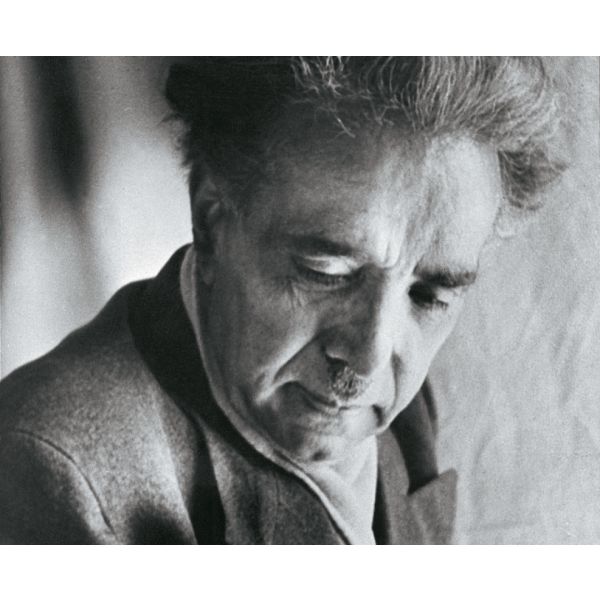 ArtistsM. A. R. Chughtai$0.00Born into a family of artists in Lahore on 21 September 1897, M. Abdur Rahman Chughtai learnt to draw from his father, Mia Karim Baksh. He joined Mayo School of Art in Lahore in 1911, where Samarendranath Gupta, a pupil of Abanindranath Tagore, was vice-principal. He obtained a diploma in photo lithography from Mayo School in 1914, where he went on to become the head instructor in chromo-lithography. He honed his printmaking skills during visits to London in the mid-1930s and exhibited his works across Europe; he also exhibited with Indian Society of Oriental Art in Calcutta around this time. Learn More
 -
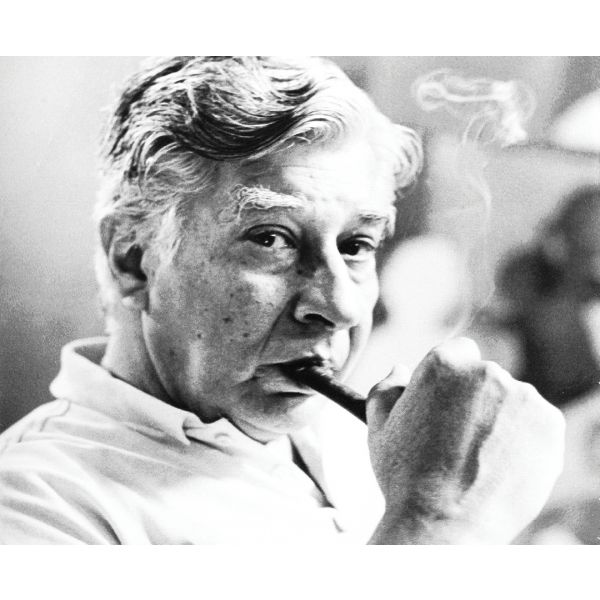 ArtistsKrishen Khanna$0.00Born in Lyallpur in pre-Partition Punjab, Krishen Khanna grew up in Lahore. He studied at Imperial Service College, England, from 1938-42 as a Rudyard Kipling scholar. Returning to Lahore for a course in English literature at the Government College, he simultaneously took evening classes at the Mayo School of Art. Khanna briefly worked as a printer at Kapur Art Press, Lahore, before his family moved to Simla upon Partition. He worked at the Grindlays Bank in Bombay and Madras from 1946-61, subsequently resigning from his job to devote himself to art. Learn More
 -
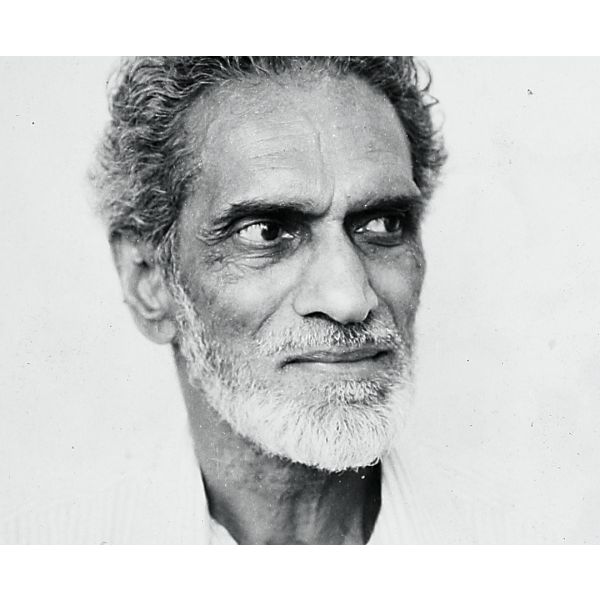 ArtistsK. S. Kulkarni$0.00Forced to paint signboards at the age of eleven when his father died, Krishna Shamrao Kulkarni battled numerous early struggles to achieve a pre-eminent place in modern Indian art. Born in a village in Belgaum in Karnataka in 1916, Kulkarni engaged with modernist techniques and mediums to create a highly individuated pictorial language. Learn More
 -
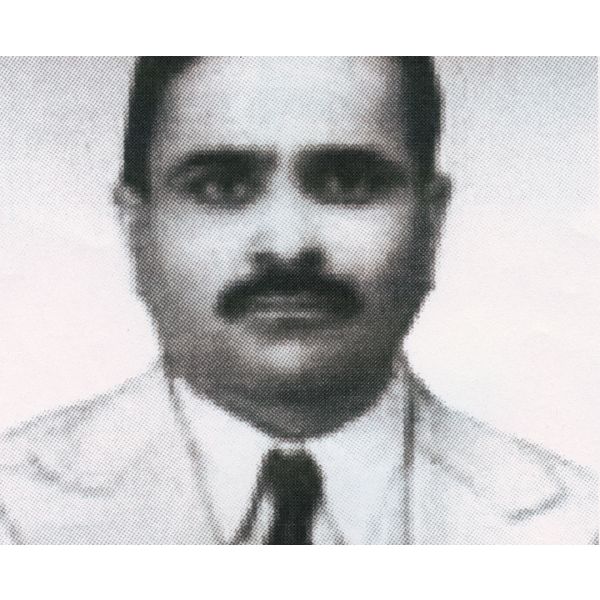 ArtistsD. C. Joglekar$0.00Exemplifying the art of the now-forgotten Bombay School, which was based on realism, or naturalism, as taught by the British, D. C. Joglekar was one of the finest artists who captured India’s panoramic landscapes along with her glorious architectural wonders, including temples, monuments, and archaeological sites. Learn More
 -
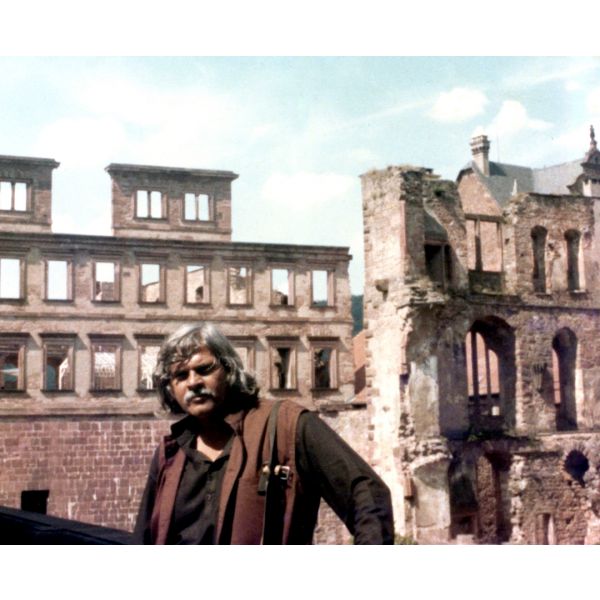 ArtistsAltaf$0.00Born in Baroda, Altaf Mohamedi’s interest in painting began while at the Scindia School in Gwalior under the tutelage of his art instructor Niyogi. His nascent interest was also encouraged by his elder sister and noted painter Nasreen Mohamedi. Learn More
 -
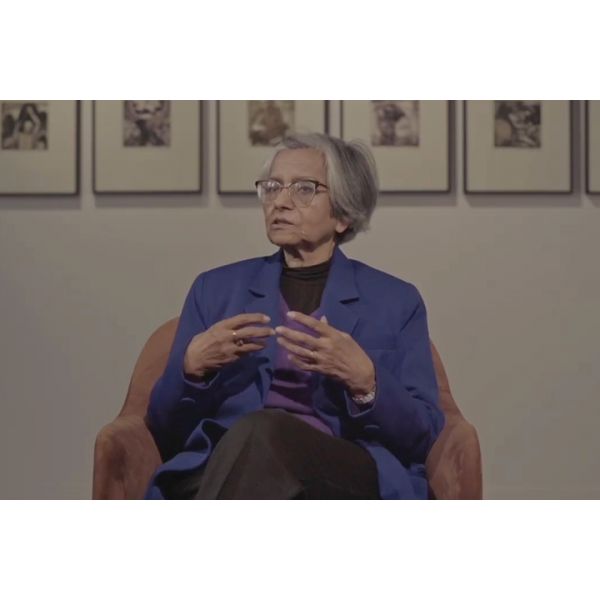 JournalArtists (Un)Scripted – Anupam Sud$0.00India’s foremost printmaker, Anupam Sud is perhaps also the country’s most well-known. What has tethered her to the democratic medium of printmaking—against all odds, needless to say—is a reason worth discovering in this short video in which the artist muses over her motivations and practice. Learn More
 -
 JournalSketching a Temple: Nandalal Bose’s Konark album$0.00
One of India’s nine national treasure artists, Nandalal Bose (1882—1966) forged a long and glittering career as the foremost artist-pedagogue bridging the late-colonial period and the first few decades after Indian independence. He maintained an active drawing practice throughout his life, with many small sketches done on postcards that he carried around with him as a sort of visual notebook.
Learn More