Search results for: 'Make Me A Pallet On Your Floor written by'
-
-
-
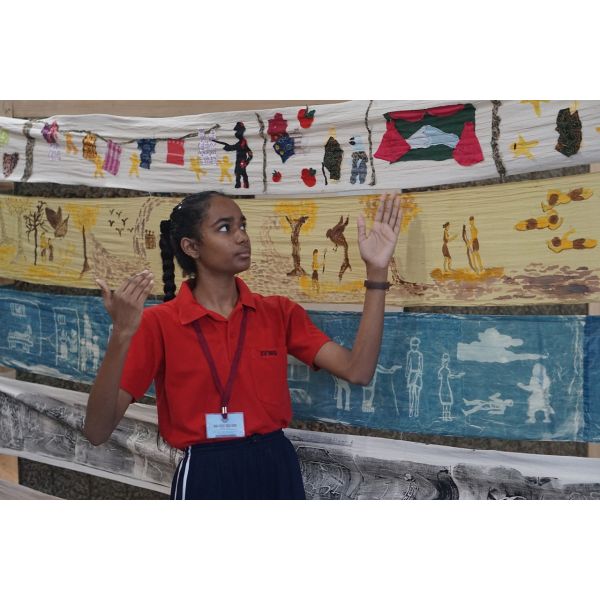 JournalFabric of Freedom: The struggle for independence through art$0.00
To celebrate Independence Day a little differently, we worked with students of Indus Valley World School to create an exhibition using the artworks from the DAG collection.
Learn More -
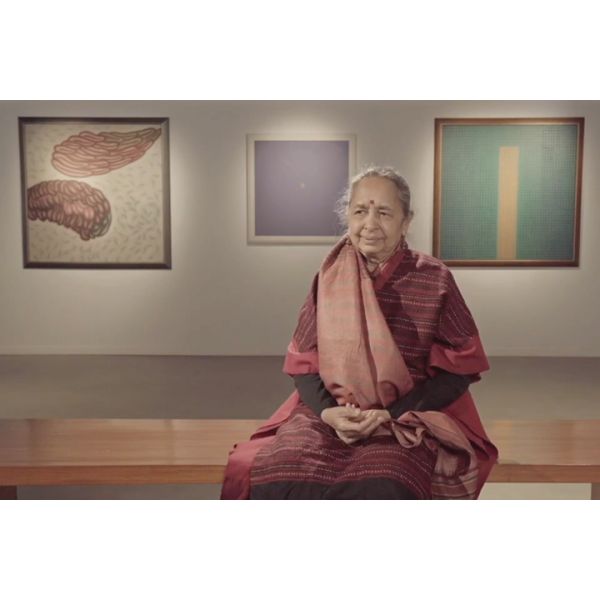 JournalArtists (Un)Scripted – Shobha Broota$0.00Shobha Broota is often described as among the most enigmatic artists of her generation. Her strength lies in ‘simplicity’, which she has used dexterously to explore the most complex of subjects in her art, making her a pioneer in choosing abstraction when very few women artists of India were doing so. Learn More
 -
-
-
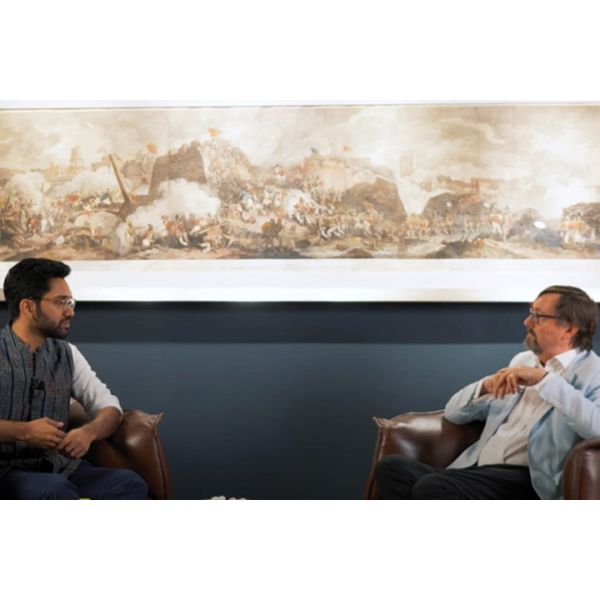 JournalRemembering Tipu Sultan: Manu Pillai and Giles Tillotson$0.00Historian and author Manu S. Pillai in conversation with art historian and curator Giles Tillotson on the subject of Tipu Sultan in the context of DAG’s exhibition, 'Tipu Sultan: Image and Distance' Learn More
 -
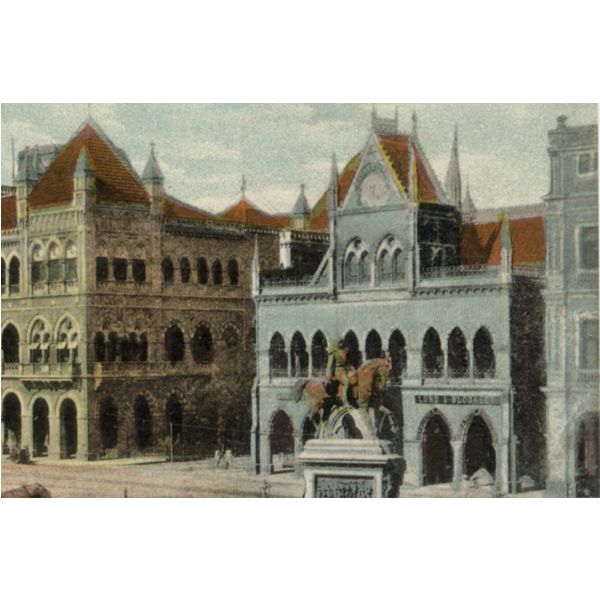
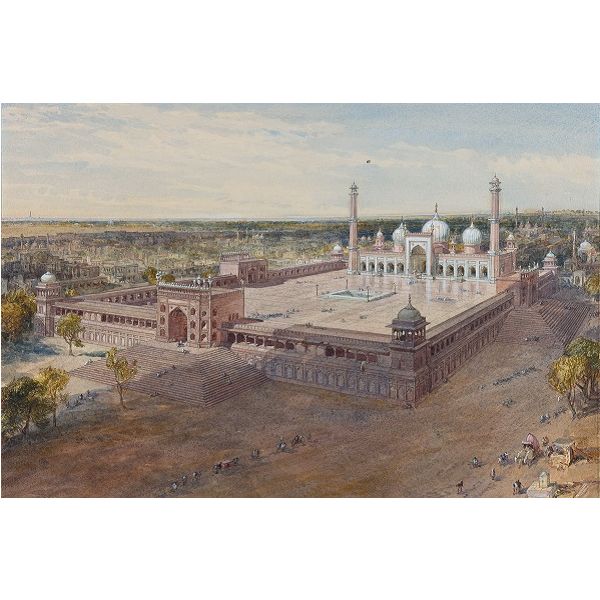 JournalRepresenting Architecture: How art influenced architecture$0.00European artists and architects were deeply influenced by the rich cultural heritage and artistic traditions of India, which, in turn, influenced their architectural designs. Artistic representations served as a bridge between cultures, leading to the incorporation of Indian motifs, styles, and decorative elements in colonial architecture. Learn More