Search results for: 'grafico da expansao do halloween'
-
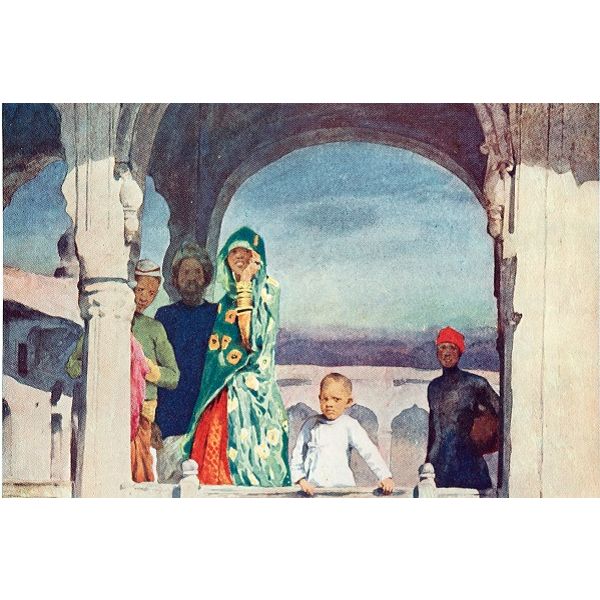 JournalChronicling the Durbar: Images and voices from Delhi$0.00
Who were the significant chroniclers of the Durbars?
Learn More -
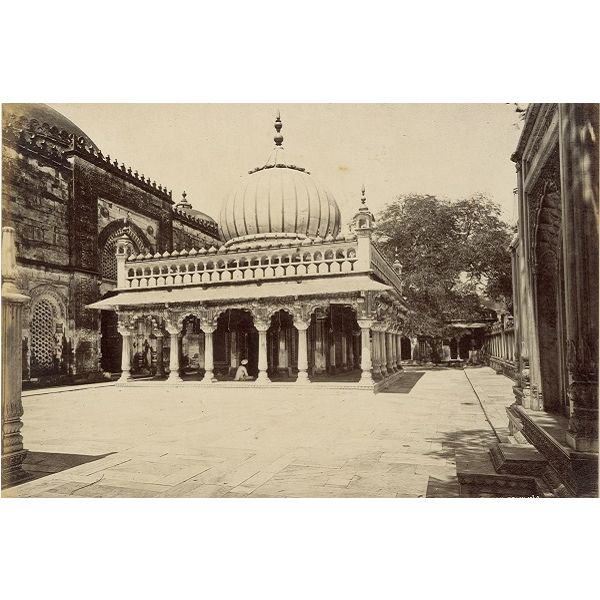 JournalBourne's Legacy: Tracing Samuel Bourne's travels in India$0.00
Samuel Bourne (1834—1912) was a British photographer known for his prolific seven years' work in India, from 1863 to 1870. Landing first at Madras, then Calcutta, he travelled across the subcontinent—leading some of the earliest photographic trips to the Himalayas—and wrote about his first impressions of the places he visited.
Learn More -
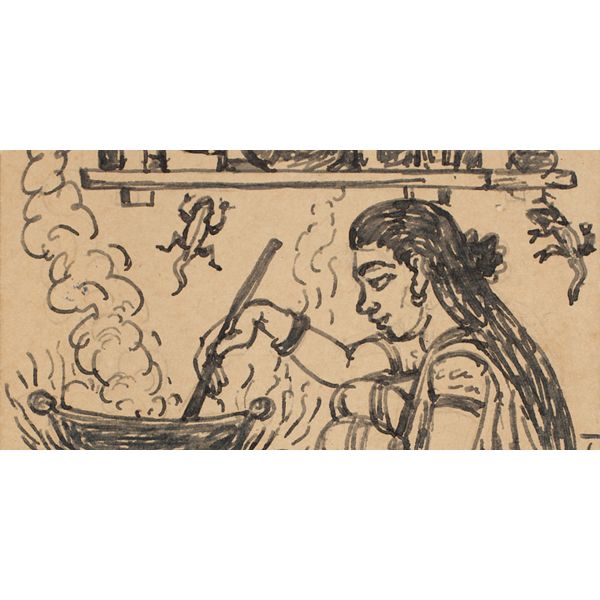
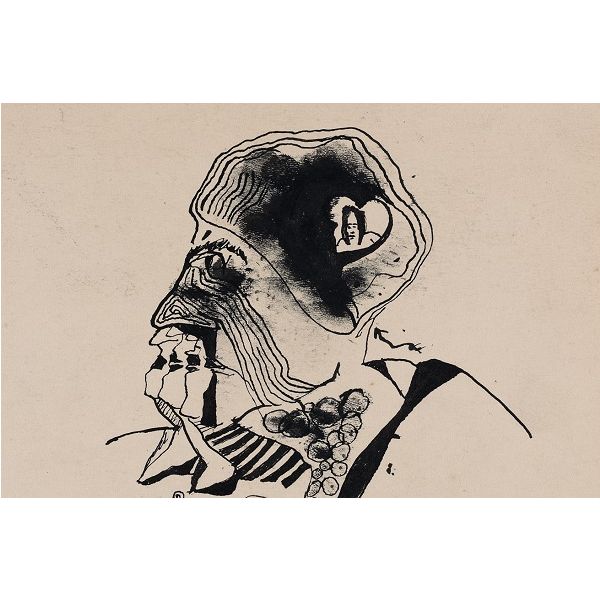 JournalDrawing in the margins: Altaf's sketches and diaries$0.00
Drawing from the Greek word skhedios, meaning ‘to extemporize’, the sketch presents an interiorized, psychological landscape against classical painting’s heroic, externalized construction of the painted tableau. For many artists, sketching and drawing suggest initial explorations for capturing moods, relations and subjectivities that can be expanded through later applications of paint and texture.
Learn More -
-
-
-