Search results for: 'who charges an apricot flower for medical treatment at the perial nedical academy'
-
-
 Institutional CollaborationsDRISHYAKALA$1.00
How did the multiple trajectories of visual arts develop in the subcontinent? Where did they originate and how did their paths converge? Drishyakala offers a sweeping journey into the heterogenous histories of visual arts in India, from the first European travelling artists who drew landscapes to popular prints of the earliest woodcuts and lithographs evolving into the thriving advertising visuals of the 20th century. The exhibition is broadly divided into four categories, each exploring an unique area of development—the art of portraiture through photography and painting, oriental sceneries drawn by European travelling artists, popular prints from the late eighteenth century to post-independence and artworks of the nine National Treasure Artists. Together, these sections give brief glimpses into the dizzying variety of forms, styles and languages of South Asian art.
Learn More -
 Art FairsThe Armory Show$0.00
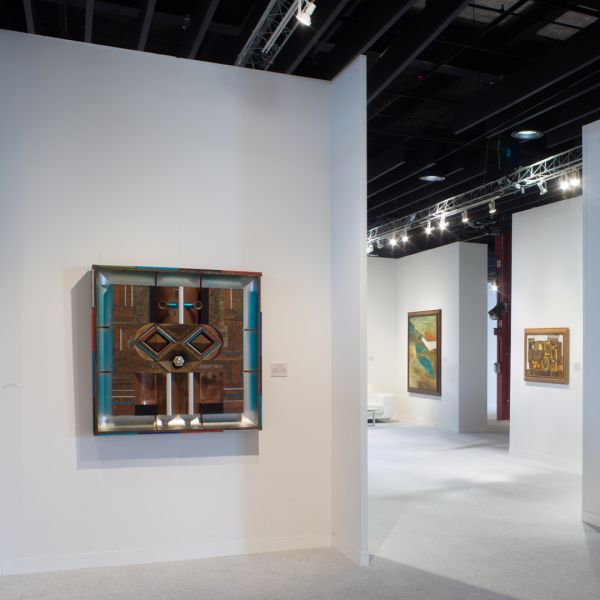
New York’s popular Armory Show required DAG to put forth its most emphatically modernist artists. These included several who had been fellows of the John D. Rockefeller III Fund and would thus have a resonance among art connoisseurs in America for their language and context. Instead of concentrating on the Progressives, therefore, DAG decided to curate a selection that included works by Avinash Chandra and Natvar Bhavsar with extensive careers in New York, and an important body of works by artists such as S. H. Raza, Ram Kumar, Krishen Khanna, Paritosh Sen, and Satish Gujral, among others. Avinash Chandra Jyoti Bhatt K G Subrmanyan Krishen Khanna Natvar Bhavsar Paritosh Sen Ram Kumar Tyeb Mehta Rekha Rodwittiya S. H. Raza Satish Gujral
Learn More -
 Art FairsIndia Art Fair$0.00
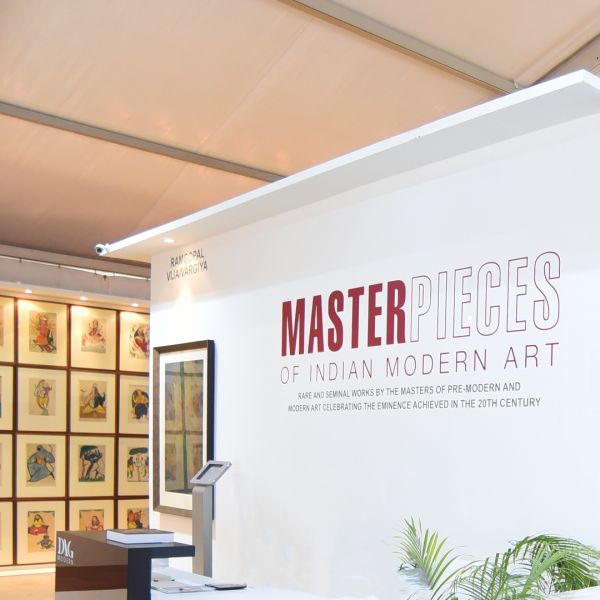
India Art Fair is South Asia’s largest platform for showcasing the best of modern and contemporary art from around the world, and DAG’s booth is the most looked forward to by connoisseurs of Indian art in India and overseas. They were not disappointed at this iteration of the fair where its lavish booth was set up to resemble public rooms in a large mansion with teak-panelled walls, pillars, portrait galleries, a private lounge, a media room for interviewing artists and important visitors that was streamed live, and special provisions for curated walks. It also published a daily art newspaper for the duration of the fair for distribution to all visitors. A large book accompanied the display at the booth. K. K. HEBBAR RABIN MONDAL HIMMAT SHAH SAILOZ MOOKHERJEA J. SULTAN ALI AMBADAS K. H. ARA RAMKINKAR BAIJ S. K. BAKRE PRABHAKAR BARWE DHANRAJ BHAGAT BIKASH BHATTACHARJEE NIKHIL BISWAS PESTONJI E BOMANJI NANDALAL BOSE AVINASH CHANDRA CHITTAPROSAD D. P. ROY CHOWDHURY SHANTI DAVE ADI DAVIERWALLA BIREN DE G. R. SANTOSH PARITOSH SEN HENRY SINGLETON M. F. HUSAIN FN SOUZA KALIGHAT J. SWAMINATHAN RABINDRANATH TAGORE L. N. TASKAR KRISHEN KHANNA RAMGOPAL VIJAIVARGIYA RAM KUMAR JEHANGIR SABAVALA HIMMAT SHAH EARLY BENGAL OIL H. A. GADE MOHAN SAMANT S H RAZA JAMINI ROY GEORGE KEYT B PRABHA PROKASH KARMAKAR K LAXMA GOUD RANBIR KALEKA P. KHEMRAJ DEVYANI KRISHNA VED NAYAR K C S PANIKER GIEVE PATEL PORTRAIT A. RAMACHANDRAN PROSANTO ROY V. VISWANADHAN RAM KUMAR RAVINDER REDDY
Learn More -
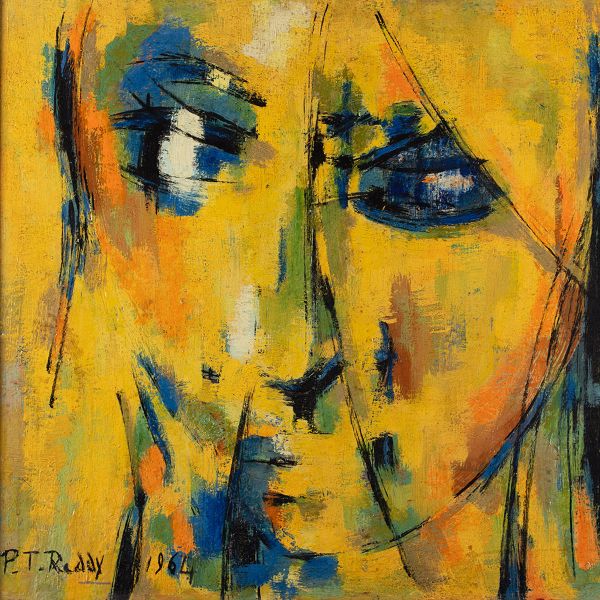
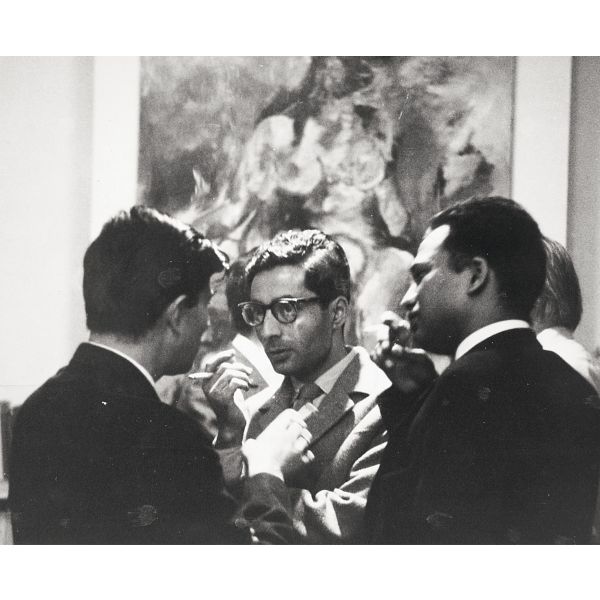 ArtistsRam Kumar$0.00Ram Kumar was born in Simla on 23 September 1924. Completing his master’s in economics from St. Stephen’s College, Delhi University, he attended evening classes at Sarada Ukil School of Art, where he learnt the ‘Western style’ of painting under Sailoz Mookherjea. Learn More
 -
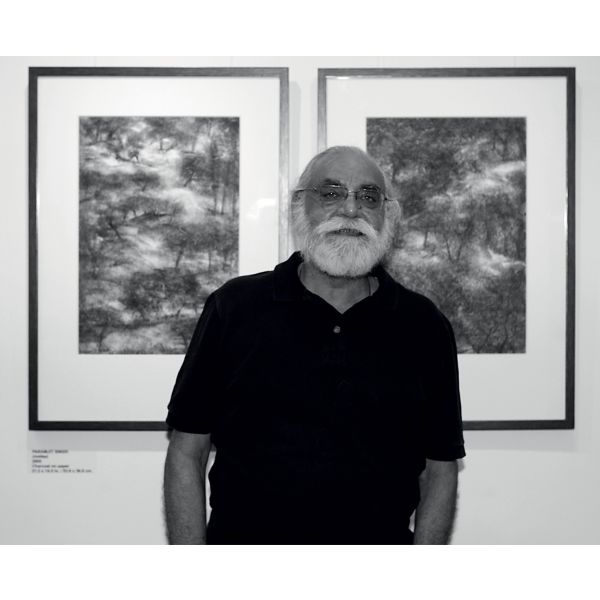 ArtistsParamjit Singh$0.00Born in Amritsar on 23 February 1935, Paramjit Singh studied art at Delhi Polytechnic from where he completed a diploma in 1958. About a decade later, he went to Norway to study printmaking at Atelier Nord. Learn More
 -
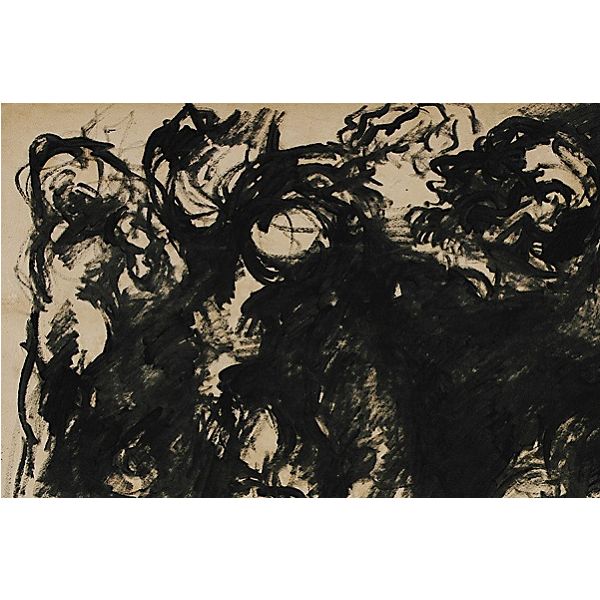
 ExhibitionsAmitava: The Complete WorksAs low as $1.00
In a career spanning four decades, Amitava’s location as an artist has determined the authority that he brings to his practice. As an artist studying and working in the 1960s, Amitava Das experienced a decade of fragmented locii. The ’60s, the period of his education at the College of Art, was the decade of wars, fiscal difficulty and an uncertain polity in the wake of the death of Jawaharlal Nehru. Further, as a second generation pravasi (non-residing Indian) Bengali, the roiling political violence of West Bengal’s Naxal movement came to him through the filter of poetry, film and art—much as he would have received the existential writing of Camus, Genet and Rilke. Through the 1960s and ’70s, small groups of artists and filmmakers in different pockets in India had a heightened response: the state of the nation found an uncanny echo in the language of modernism, of the artist’s isolation and purity even within a state of uncertainty.
Learn More