


Search results for: 'porque no hay fútbol este fin de se'
-
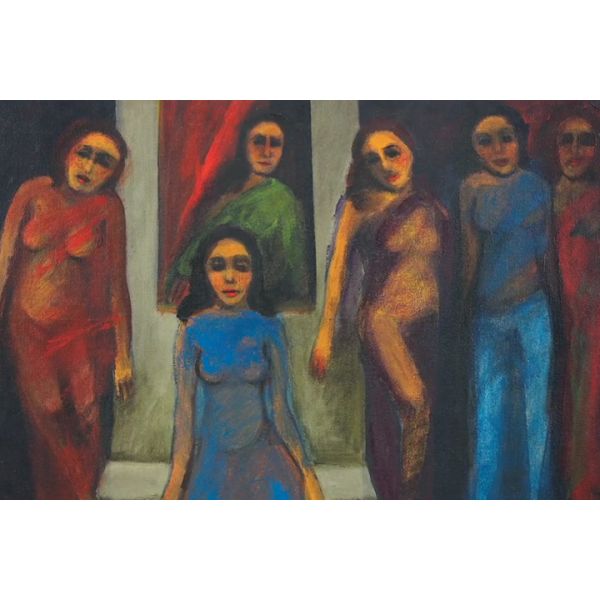 JournalArtists (Un)Scripted – Gogi Saroj Pal$0.00Gogi Saroj Pal was one of the earliest women artists of India to paint the female body as a receptacle of patriarchal gaze, a trope that she has continued to explore right through the seventh decade of her life. She speaks with commendable candour in this short video on how art helped liberate her as an individual. Learn More
 -
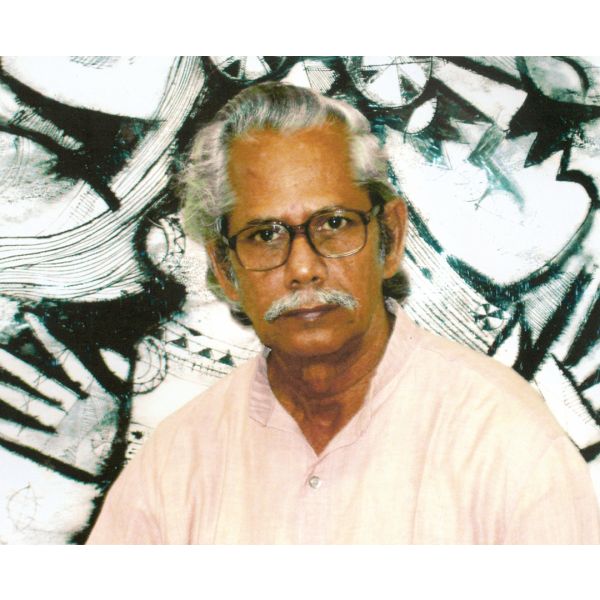 ArtistsM. Senathipathi$0.00A student of K. C. S. Paniker—the influential artist-teacher and founding father of the Madras Art Movement—M. Senathipathi is known for his richly textured works drawn from mythology and contextualised in contemporary social issues. Learn More
 -
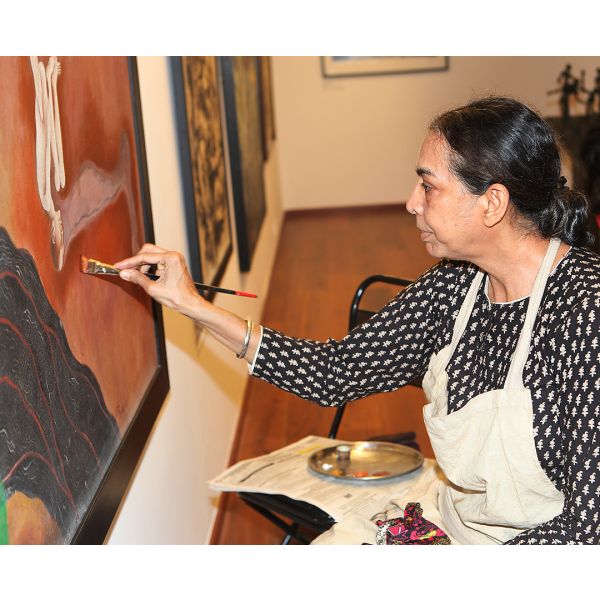 ArtistsArpana Caur$0.00Born in New Delhi in 1954, Arpana Caur completed her post-graduation in literature from Delhi University before choosing art as her vocation. She started studying painting at Central Saint Martins art college in London but could not complete the course. Learn More
 -
 Collection StoriesAfter the Storm: Chittaprosad’s late oeuvre$0.00
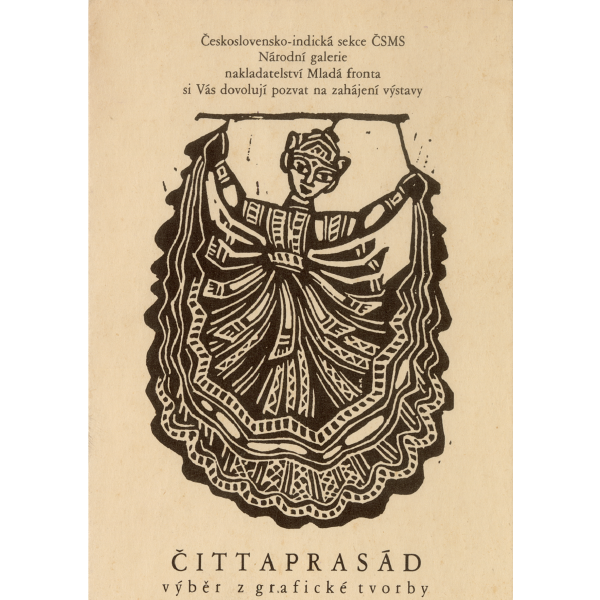
Chittaprosad Bhattacharya (1913-1978) was a versatile artist and a lifelong adherent of the socialistic worldview. In 1943, he traveled across the famine-stricken villages of Bengal and produced realistic sketches of human suffering that were regularly published in the pages of the Communist Party journal 'People’s war'. These sketches were later compiled and published as a booklet under the title 'Hungry Bengal'. Fascinated by his artistic skills, the General Secretary of Communist Party of India, Puran Chand Joshi took Chittaprosad to the Party’s headquarters in Bombay (now Mumbai).
Learn More -
 Collection StoriesScripting the Camera: Satyajit Ray’s cinema as ‘archive’$0.00
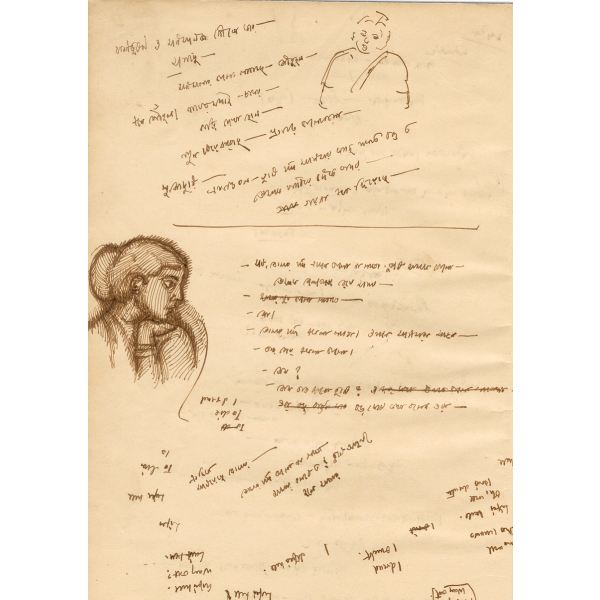
The DAG Archive has over 90,000 photographs taken by Nemai Ghosh, a bulk of which includes still photographs and behind the scenes images of films as well as candid and staged portraits of Satyajit Ray. In conjunction to these materials, DAG Archive has also acquired a set of two notebooks of Ray which contains the hand-written film scripts of <i>Ghare Baire</I> (The Home and The World, 1984) and Samapti (The Conclusion) which is one of the short films from the anthology, Teen Kanya (Three Women, 1961). Interestingly, both these films are adaptations from Rabindranath Tagore’s literary works.
Learn More -
 Art FairsIndia Art Fair$0.00
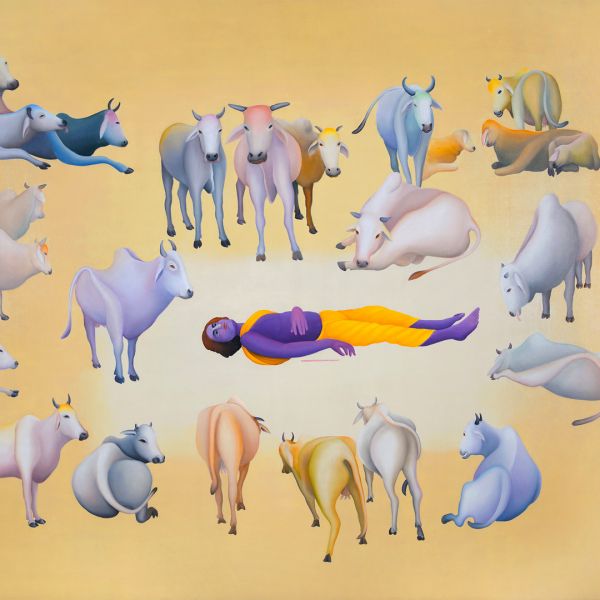
DAG’s emphasis for the 2019 edition of India Art Fair was a rarity—a selection of works of the kind visitors had not before seen. These included a glass mural by Avinash Chandra, a medium the artist loved but which had never before been shown in India; a large mural by Mrinalini Mukherjee; an artist’s chair by Prabhakar Barwe; evocative works by Hemendranath Mazumdar, Manjit Bawa, and Tyeb Mehta; powerful paintings by F. N. Souza, M. F. Husain, Rabin Mondal, and Krishen Khanna; exemplary abstract paintings by Ram Kumar, Shanti Dave, Sohan Qadri, J. Swaminathan, and G. R. Santosh; and other equally powerful artworks including a double-sided sculpture by Meera Mukherjee.
Avinash Chandra F N Souza G R Santosh Hemendranath Majumdar J Swaminathan Krishen Khanna M F Husain Madhvi Parekh Manjit Bawa Meera Mukherjee Mrinalini Mukherjee Paritosh Sen Prabhakar Barwe Rabin Mondal Ram Kumar S H Raza S K Bakre Shanti Dave Sohan Qadri Tyeb Mehta
Learn More -
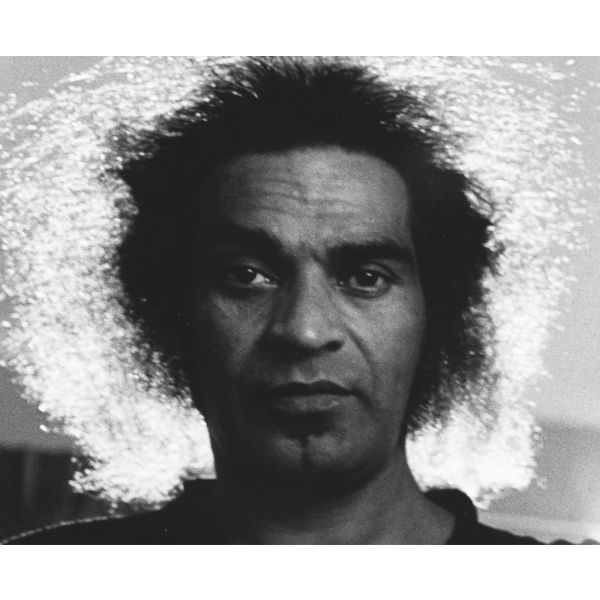 ArtistsSohan Qadri$0.00Sohan Qadri was born in a wealthy farming family in Punjab’s Chachoki village on 2 November 1932. When he was seven, he came across two spiritualists living on the family farm—Bikham Giri, a Bengali Tantric-Vajrayan Yogi, and Ahmed Ali Shah Qadri, a Sufi. Both gurus had a tremendous impact on young Qadri and taught him spiritual ideals through meditation, dance, and music. His association with them heralded a lifelong commitment to spirituality and art. Learn More
 -
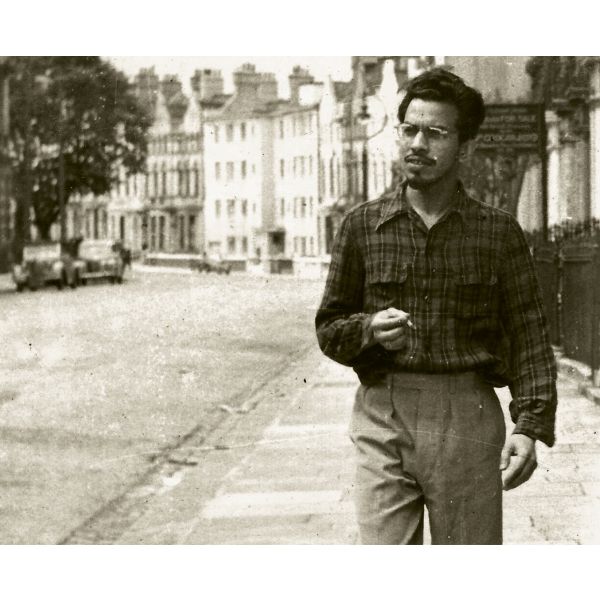 ArtistsS. K. Bakre$0.00A founder-member of the Progressive Artists’ Group, Sadanandji K. Bakre was born in Baroda, Gujarat, on 10 November 1920. He obtained a diploma in modelling and stone carving from Sir J. J. School of Art, Bombay, following which he was a pilot with the Air Force during the Second World War. Learn More
 -
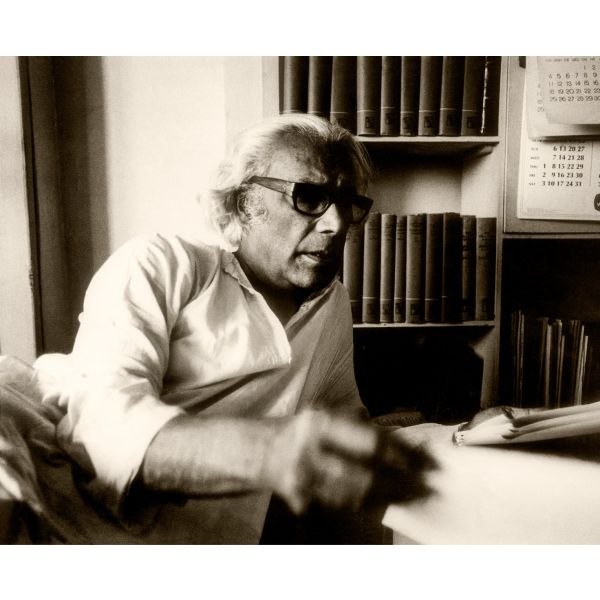 ArtistsProdosh Das Gupta$0.00Born in Dacca (now Dhaka) in present-day Bangladesh, Prodosh Das Gupta studied sculpture under Hiranmoy Roy Chowdhary at the Lucknow School of Arts and Crafts (1932-33), and under D. P. Roy Chowdhury at Government School of Art and Craft, Madras (1933-37). Over the next two years, he studied bronze casting at LCC Central School, London, and sculpture at Royal Academy of Arts, London, and Académie de la Grande Chaumière, Paris. He returned to India in 1940 and set up his studio in Calcutta. He subsequently taught at M. S. University, Baroda, and at Calcutta’s Government College of Arts and Crafts. Learn More
 -
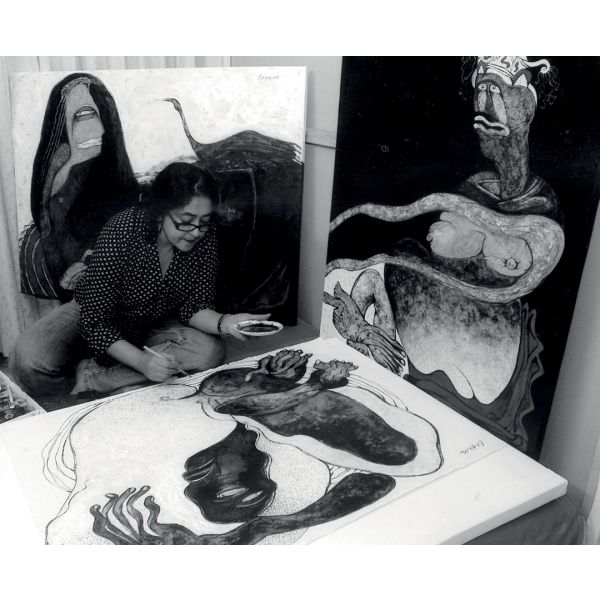 ArtistsJaya Ganguly$0.00Jaya Ganguly is known for turning the concept of aesthetics on its head while portraying social hypocrisies through her paintings. However, it’s not just the duplicity of the privileged vis-à-vis the have-nots that she seeks to express, but also the pretenses that the former keep up with in their comfortable yet orthodox existence. Learn More
 -
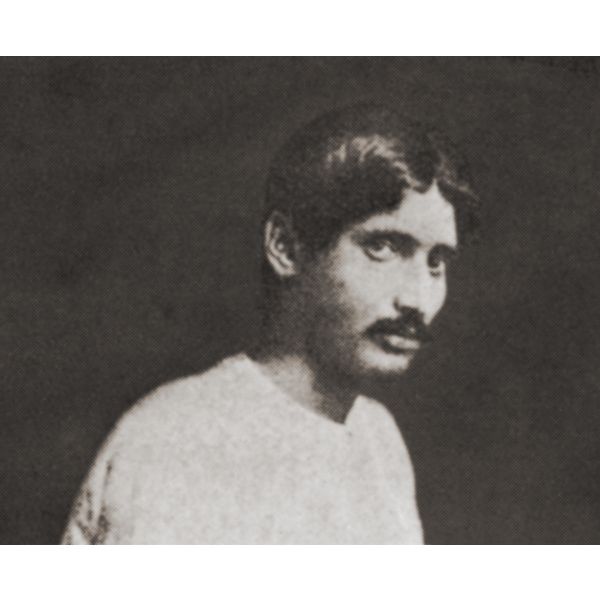 ArtistsHemen Mazumdar$0.00A notable artist of the rebel Jubilee Art School that trained students in the British academic style, breaking away from Abanindranath Tagore’s Orientalist emphasis, Hemendranath Mazumdar enjoyed great artistic success for his academic paintings of sensuous women and portraits of maharajas done in European realist style. Learn More
 -
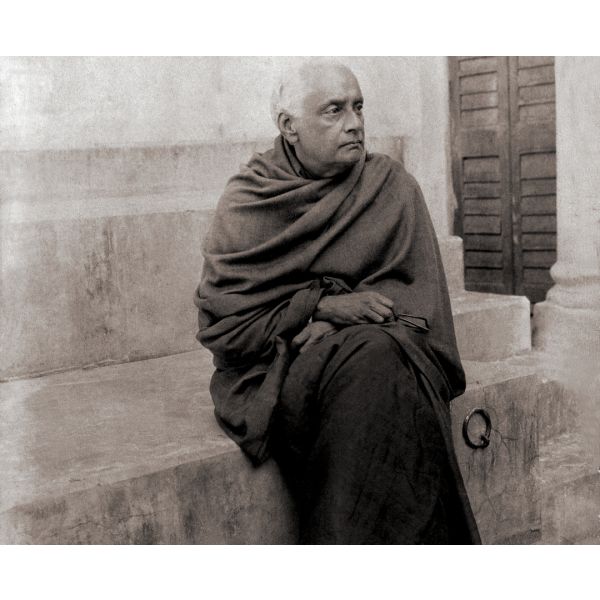 ArtistsGaganendranath Tagore$0.00The true pioneer of cubism in India and acclaimed for his satirical works of art, Gaganendranath Tagore was born on 17 September 1867. Along with his Nobel-laureate uncle Rabindranath Tagore, and brother Abanindranath Tagore, he was at the forefront of cultural revival in Bengal in the early twentieth century; the brothers established the Indian Society of Oriental Art, Calcutta, in 1907. Learn More