Search results for: 'donde queda el barrio el tiburón de chepe fortuna'
-
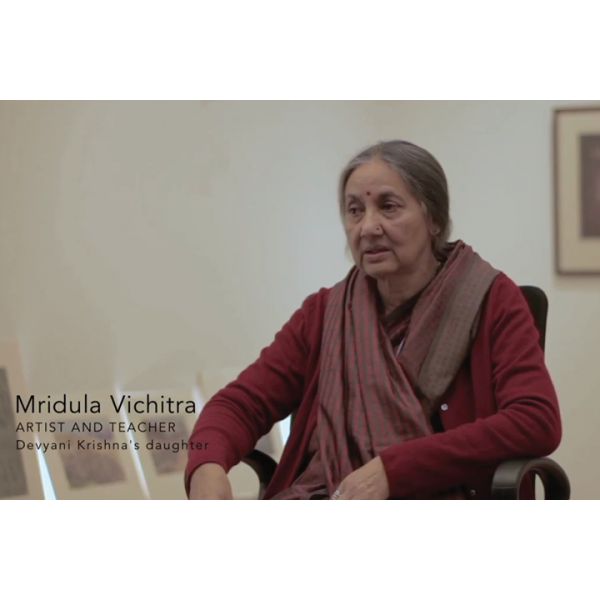 JournalDevayani Krishna$0.00What do you make of a work of art? What was the artist attempting to communicate? These video shorts offer brief overviews on artists and their work in the way of expert opinions by scholars, curators art writers—and by the artists themselves. Learn More
 -
 ExhibitionsVision & LandscapeAs low as $1.00
The series of aquatint prints known as Oriental Scenery represent the single largest and most impressive project by English artists to depict Indian architecture and landscape. Thomas Daniell (1749-1840) and his nephew William Daniell (1769-1837) travelled extensively in India between 1786 and 1793. On their return to Britain they produced many paintings, drawings and prints based on the sketches they had made while travelling. The aquatints were issued in pairs between March 1795 and December 1808. Subscribers who purchased all of them could assemble them into six volumes, each with 24 prints, making up a total of 144 – of which half are shown here.
Learn More -
 Collection StoriesA Tryst with Destiny: A Visual Journey$1.00
Colonization is perhaps best understood as a process that unfolded over time than as a single historical event. In India and South Asia it began with the East India Company acquiring rights over land in different parts of the country, with the occasional political victories won on the battlefields. Since the Battle of Plassey (1757), their power over legislative and judicial matters grew steadily, backed by a strong military presence. Following the First War of Independence in 1857, the British Crown brought most parts of the Indian subcontinent under its direct rule, continuing to hold power until 1947.
Learn More -
 ExhibitionsMadras ModernAs low as $1.00
The Madras Art Movement that emerged in the early 1960s was a late phenomenon of modernity in south India within the national context. It developed as a regional phenomenon that began to take shape from the mid-1950s onwards as a search for authenticity in modernism derived largely from the region’s cultural heritage. D. P. ROY CHOWDHURY A P SANTHANARAJ ACHUTHAN KUDALLUR AKKITHAM NARAYANAN ALPHONSO DOSS C DOUGLAS C J ANTHONY DOSS J. SULTAN ALI K C S PANIKER K M ADIMOOLAM K RAMANUJAM K SREENIVASULU K V HARIDASAN L MUNUSWAMY M SENATHIPATI M SURYAMOORTHY P GOPINATH P PERUMAL P S NANDHAN PANEER SELVAM R B BHASKARAN REDDEPPA NAIDU Rm. PALANIAPPAN S G VASUDEV S. DHANAPAL S. NANDAGOPAL V. VISWANADHAN VIDYASHANKAR STHAPATI
Learn More -
 ExhibitionsA Place In The Sun: Women Artists From 20th Century IndiaAs low as $1.00
Sunayani Devi picked up a paintbrush in 1905 when she was thirty years old while supervising her kitchen duties, self-taught, but with enough talent to attract the critical attention of Stella Kramrisch who organised an exhibition of her paintings in Germany in 1927. It was in her worthy footsteps that India’s women artists followed. Devayani Krishna was born five years after Sunayani Devi began painting; Amrita Sher-Gil already had a career in Paris by the time India’s first art school-trained woman artist, Ambika Dhurandhar, earned her diploma in Bombay. B. Prabha followed next, her work reflecting the realities of the marginalised in a piquant language. By the time Nasreen Mohamedi and Zarina Hashmi, both born a decade before Independence, established their careers, women were joining art schools in greater numbers, validating their practice not on the basis of their gender but on its context. Anupam Sud Devayani Krishna Gogi Saroj Pal Latika Katt Madhvi Parekh Mrinalini Mukherjee Navjot Rekha Rodwittiya Shobha Broota Zarina Hashmi
Learn More -
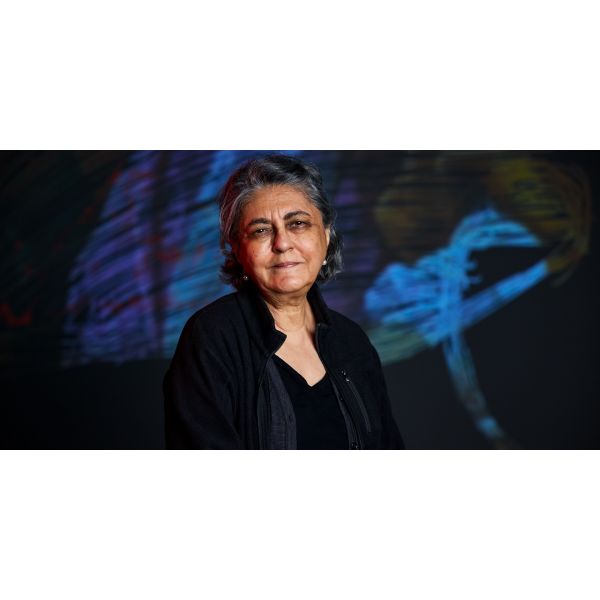 JournalRadical as a way of Being: Inaugural Contemporary Fellow Nalini Malani at London's National Gallery$0.00
What is the role of collectors and collections or archives in the world of art today? Does it simply allude to practices of producing a consumable past today or does it also aspire to question the ways in which history has been shaped by powerful interventions in the form of artworks, performances and installations? In this series of conversations, we wanted to explore the idea of collecting recent or contemporary art—and how it inevitably takes us back to the moderns who influenced such practices heavily.
Learn More -
 Art FairsIndia Art Fair$0.00
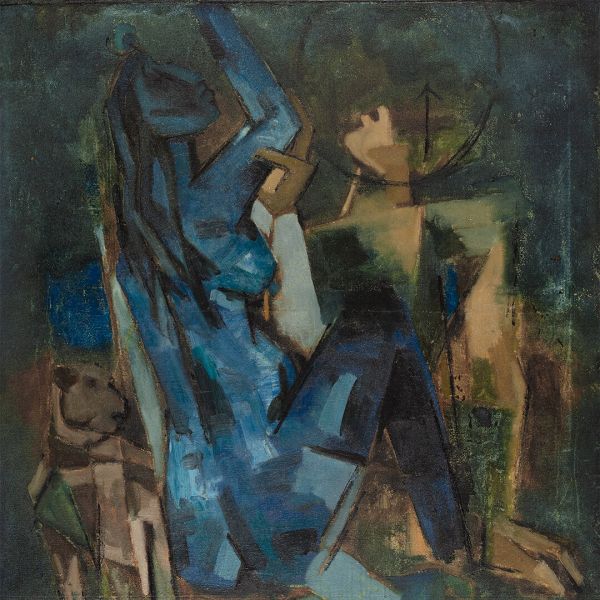
The DAG booth at the India Art Fair has gained iconic status for its selection and display of the finest works of Indian modern art. Over past editions, DAG had introduced pre-modern masters at its booth, and in 2022, it presented exemplary works by eighteenth and nineteenth century Indian and European artists at the fair. This was in addition to high quality works by the twentieth century masters.
Learn More -
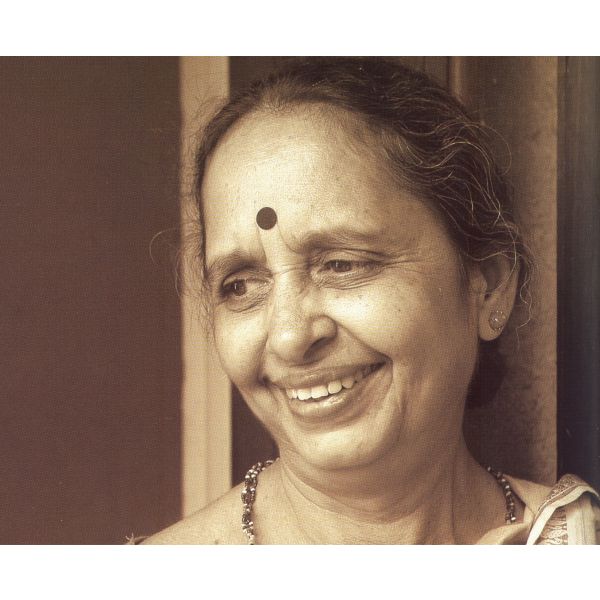 ArtistsShobha Broota$0.00Shobha Broota’s pictorial interpretation of the resonance of classical Indian ragas forms the essence of her celebrated style in which she conveys their subtle variations through minimal use of colours. Born in 1943 in New Delhi in an artistic family that inspired her to study art, Broota obtained a diploma in painting from College of Art, New Delhi, in 1964. Learn More
 -
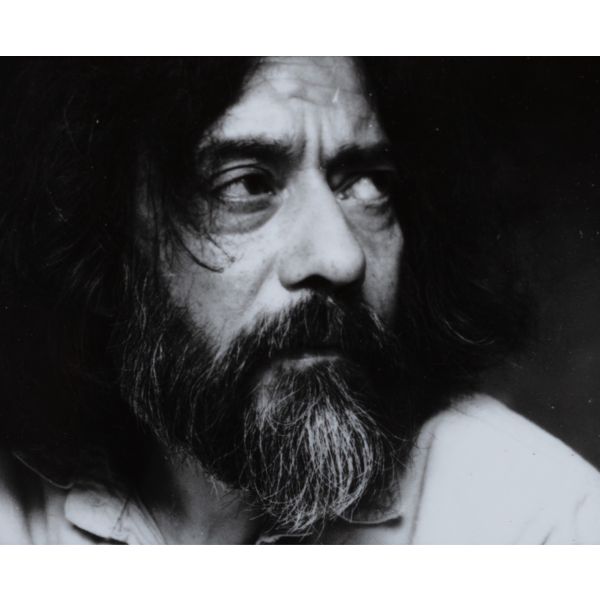 ArtistsRajendra Dhawan$0.00Born in 1936 in New Delhi, Rajendra Dhawan studied at the Polytechnic (later renamed College of Art) from 1953-58, and at Belgrade in erstwhile Yugoslavia from 1960-62. While in New Delhi, he became a founding member of the group called The Unknown that survived from 1960-64. Learn More