Search results for: 'vivo em dia.com .br'
-
 Collection OnlineTHE WASH TECHNIQUE$1.00
The wash technique has come to be associated in India with the art of the Bengal School, but the story of its origins in India takes us back to an era of rich cultural exchanges. In the early twentieth century artists like Abanindranath Tagore were trying to imagine a pan-Asian cultural identity, and they turned for inspiration to traditions from across Persia to Japan. Rabindranath Tagore's friendship with Okakura Kakuzō occasioned the arrival of several Japanese artists in Kolkata, such as Yokoyama Taikan, Hishida Shunsō and Katsuta Shōkin. While the latter found inspiration in the Hindu epics, artists in Bengal adapted techniques that were used by the Japanese, such as the wash technique or the subtle use of ink and brush. Since then, the wash technique has been interpreted widely by individual artists, offering an ethereal quality of light to their works, or, in some cases, like for Gaganendranath Tagore and Prosanto Roy, new possibilities of painting in various shades of darkness.
Learn More -
 ExhibitionsVision & LandscapeAs low as $1.00
The series of aquatint prints known as Oriental Scenery represent the single largest and most impressive project by English artists to depict Indian architecture and landscape. Thomas Daniell (1749-1840) and his nephew William Daniell (1769-1837) travelled extensively in India between 1786 and 1793. On their return to Britain they produced many paintings, drawings and prints based on the sketches they had made while travelling. The aquatints were issued in pairs between March 1795 and December 1808. Subscribers who purchased all of them could assemble them into six volumes, each with 24 prints, making up a total of 144 – of which half are shown here.
Learn More -
 ExhibitionsWays of SeeingAs low as $1.00
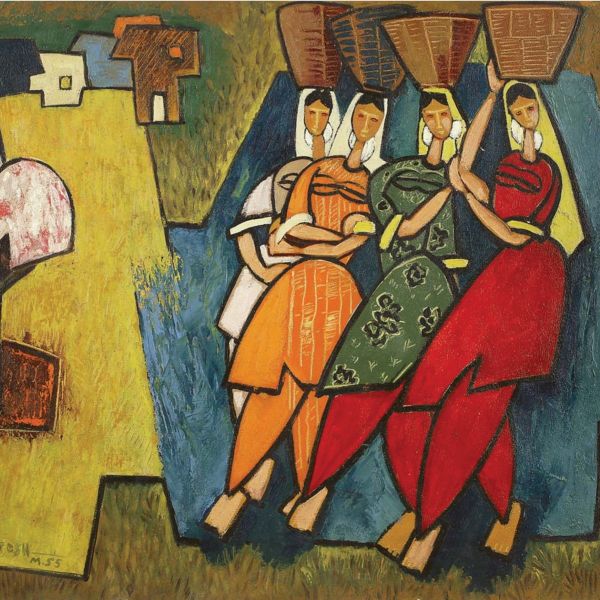
Do we view things differently as we grow older? What are the perspectives that matter most when viewing art? Do we see things differently as men and women? Do we see art differently as men and women? How does one’s gender impact the creation of art? In the months leading up to ‘Ways of Seeing’, these were some of the questions we posed to ourselves, and we wish we could say that we found a generic, universal response, for there are as many standpoints and views as there are viewers and people. Amrita Sher-Gil Anjolie Ela Menon Anupam Sud Arpana Caur B. Prabha Devayani Krishna Elizabeth Brunner Gogi Saroj Pal Jaya Ganguly Kanchan Chander Kavita Nayar Latika Katt Madhvi Parekh Mrinalini Mukherjee Nalini Malani Navjot Nilima Sheikh Rekha Rodwittiya Shobha Broota Sunayani Devi Vasundhara Tewari Broota Zarina Hashmi Akbar Padamsee Avinash Chandra B. C. Sanyal Baburao Painter Bikash Bhattacharjee D. P. Roy Chowdhury Dharamanarayan Dasgupta Dhruva Mistry F. N. Souza G. R. Santosh Ganesh Pyne George Keyt Haren Das Jagadish Dey Jamini Roy Jogen Chowdhury Jyoti Bhatt K. H. Ara K. S. Kulkarni Khagen Roy Krishen Khanna M. F. Husain M. Suriyamoorthy M. V. Dhurandhar Nandalal Bose P. T. Reddy Prokash Karmakar Sakti Burman Satish Sinha Sudhir Khastgir Sunil Das V. Nageshkar
Learn More -
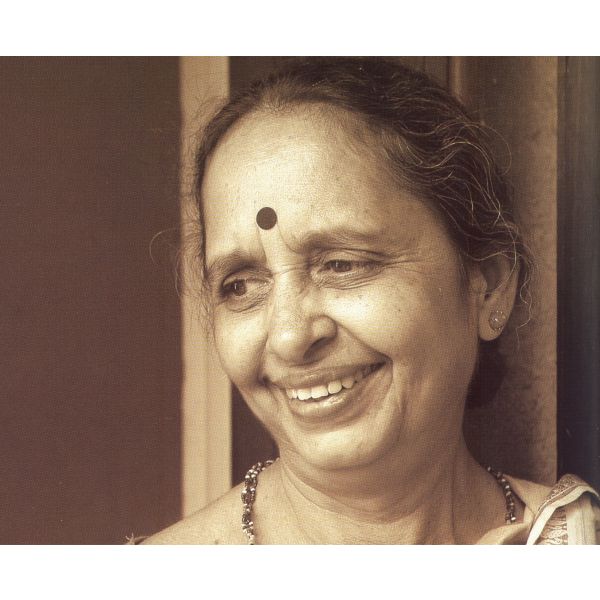 ArtistsShobha Broota$0.00Shobha Broota’s pictorial interpretation of the resonance of classical Indian ragas forms the essence of her celebrated style in which she conveys their subtle variations through minimal use of colours. Born in 1943 in New Delhi in an artistic family that inspired her to study art, Broota obtained a diploma in painting from College of Art, New Delhi, in 1964. Learn More
 -
 Events and ProgrammesCurious Curatorium$1.00
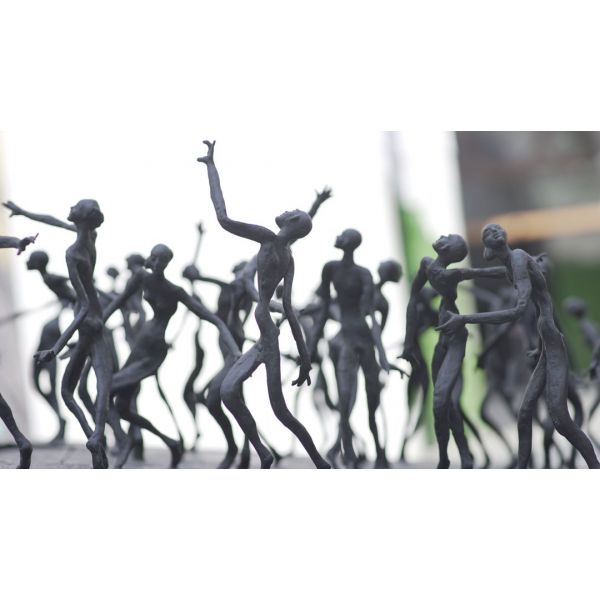
An online opportunity for young researchers and early career professionals, from History, Art History, Cultural Studies and related fields, to develop research projects under the guidance of eminent academicians and scholars.
Learn More -
 Art FairsMasterpiece$0.00
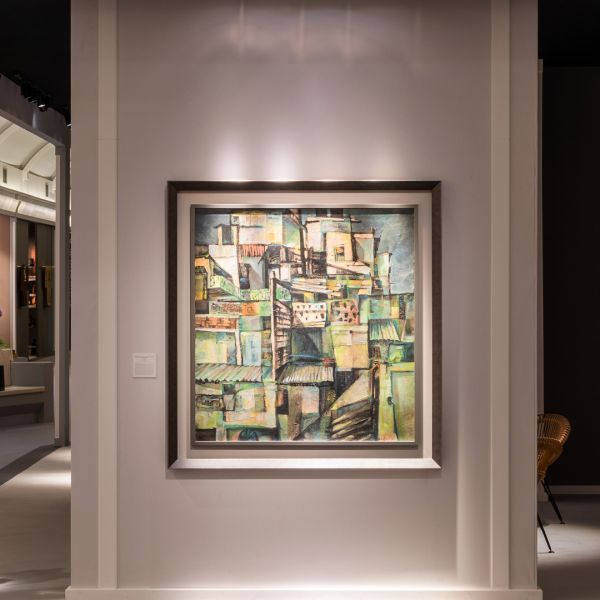
For its fourth consecutive outing at Masterpiece London, DAG continued with the tradition of showing artists who had grown in appeal at the city’s truly cross-collecting ‘masterpiece’ fair, but with enough surprises to interest even the most fair-hardened visitor. From a large and vivid G. R. Santosh to a collection of small-sized Bireswar Sen watercolours, the selection was sensitively curated keeping in mind the cosmopolitan nature of London city and the visitors to the fair. Along with the Progressives, the exhibition included one of the finest sculptures created by Adi Davierwalla, remarkable paintings by Tyeb Mehta, Bikash Bhattacharjee, J. Sultan Ali, Avinash Chandra, and Hemen Mazumdar. As always, the emphasis in the booth lay in creating a rarefied visitor experience in which a handful of works allowed visitors to enjoy them at leisure without causing visual fatigue. The response was overwhelming. G. R. SANTOSH BIRESWAR SEN MADHVI PAREKH S. H. RAZA F. N. SOUZA TYEB MEHTA J. SULTAN ALI DHANRAJ BHAGAT BIKASH BHATTACHARJEE AVINASH CHANDRA SHANTI DAVE ADI DAVIERWALLA SATISH GUJRAL HEMEN MAZUMDAR SOHAN QADRI BIREN DE
Learn More -
 Art FairsThe Armory Show$0.00
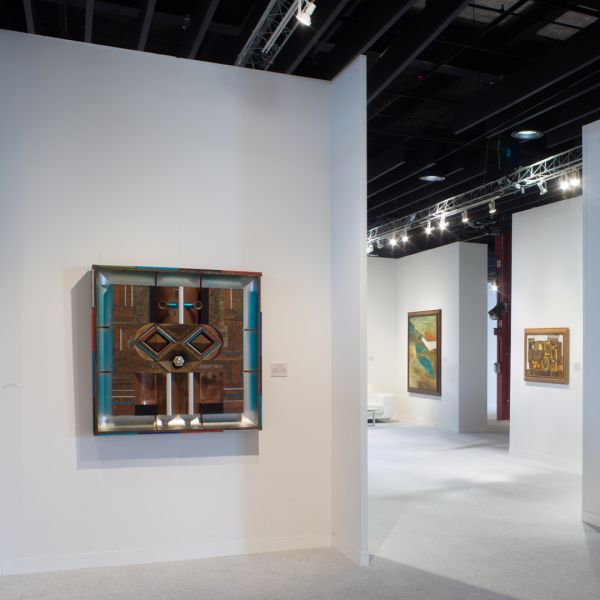
New York’s popular Armory Show required DAG to put forth its most emphatically modernist artists. These included several who had been fellows of the John D. Rockefeller III Fund and would thus have a resonance among art connoisseurs in America for their language and context. Instead of concentrating on the Progressives, therefore, DAG decided to curate a selection that included works by Avinash Chandra and Natvar Bhavsar with extensive careers in New York, and an important body of works by artists such as S. H. Raza, Ram Kumar, Krishen Khanna, Paritosh Sen, and Satish Gujral, among others. Avinash Chandra Jyoti Bhatt K G Subrmanyan Krishen Khanna Natvar Bhavsar Paritosh Sen Ram Kumar Tyeb Mehta Rekha Rodwittiya S. H. Raza Satish Gujral
Learn More -
 Art FairsIndia Art Fair$0.00
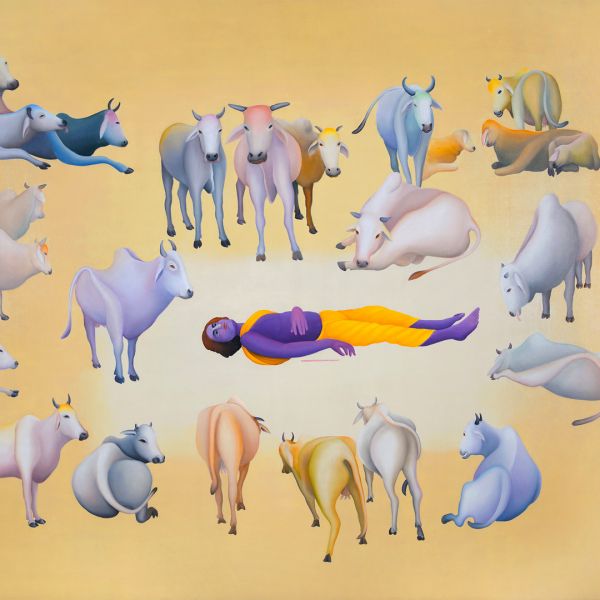
DAG’s emphasis for the 2019 edition of India Art Fair was a rarity—a selection of works of the kind visitors had not before seen. These included a glass mural by Avinash Chandra, a medium the artist loved but which had never before been shown in India; a large mural by Mrinalini Mukherjee; an artist’s chair by Prabhakar Barwe; evocative works by Hemendranath Mazumdar, Manjit Bawa, and Tyeb Mehta; powerful paintings by F. N. Souza, M. F. Husain, Rabin Mondal, and Krishen Khanna; exemplary abstract paintings by Ram Kumar, Shanti Dave, Sohan Qadri, J. Swaminathan, and G. R. Santosh; and other equally powerful artworks including a double-sided sculpture by Meera Mukherjee.
Avinash Chandra F N Souza G R Santosh Hemendranath Majumdar J Swaminathan Krishen Khanna M F Husain Madhvi Parekh Manjit Bawa Meera Mukherjee Mrinalini Mukherjee Paritosh Sen Prabhakar Barwe Rabin Mondal Ram Kumar S H Raza S K Bakre Shanti Dave Sohan Qadri Tyeb Mehta
Learn More -
 ExhibitionsThe Art of BengalAs low as $1.00
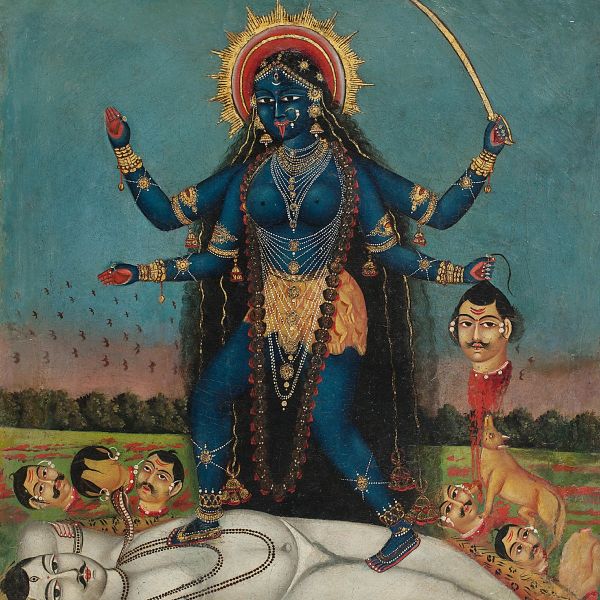
The contribution of the first renaissance capital of the country—Bengal—to Indian art and its development is longstanding, enormous and continued. As one of the largest repositories of Bengal art of the past two centuries, DAG is extremely pleased to announce its major exhibition. 19th Century Popular Paintings 19th Century Popular Prints Abani Sen Abanindranath Tagore Ajit Gupta Amalnath Chakladhar Amitabha Banerji Annada Prasad Bagchi Arun Bose Asit Haldar Atul Bose B C Law B. C. Sanyal Bampada Bandhopadhay Benjamin Hudson Benode Behari Mukherjee Bijan Choudhary Bikash Bhattacharjee Bipin Behari Goswami Biren De Bireswar Sen Biswanath Mukerji Chintamoni Kar Chittaprosad D. P. Roy Chowdhury Das Sunil Bimal Dasgupta Dharamnarayan Dasgupta Dhiraj Chowdhury Dhirendra Deb Burman Dipen Bose Early Bengal Oil Artists Gaganendranath Tagore Ganesh Haloi Ganesh Pyne Gobardhan Ash Gopal Ghoshe Gopal Sanyal Haren Das Hemanta Misra Hemendranath Majumdar Heramba Kumar Ganguly Hirachand Dugar Hiranmoy Roychaudhuri Indra Dugar Isha Mahammad J. P. Gangooly Jamini Roy Jogen Chowdhury Jogesh Chander Seal K. G. Subramanyan Kalighat Patuas Kalikinkar Ghosh Dastidar Kalipada Ghoshal Kartick Chandra Pyne Khagen Roy Kishory Roy Kshitindranath Majumdar Lalit Mohan Sen Lalu Prasad Shaw M. A. R. Chughtai Maniklal Banerjee Manishi Dey Meera Mukherjee Mukul Dey Nabin Chandra Ghosh Nandalal Bose Nikhil Biswas Nirode Majumdar Olinto Ghilardi Paritosh Sen Partha Pratim Deb Prahlad Karmakar Prankrishna Pal Prodosh Das Gupta Prokash Karmakar Prosanto Roy Rabin Mondal Rabindranath Tagore Radhacharan Bagchi Ramananda Bandhopadhyay Ramendranath Chakravorty Ramgopal Vijaivargiya Ramkinkar Baij Ranada Charan Ukil – Ranada Prasad Gupta Rathin Maitra Sailendranath Dey Sailoz Mukherjea Sakti Burman Samarendranath Gupta Sanat Kar Sankho Chaudhuri Sarada Chandra Ukil Sarbari Roy Chowdhury Satish Chandra Sinha Shuvaprasanna Shyamal Dutta Ray Somnath Hore Sudhir Ranjan Khastgir Suhas Roy Sunayani Devi Sunil Madhav Sen Surendranath Ganguly Surendranath Kar Sushil Chandra Sen Zainul Abedin
Learn More -
 ExhibitionsAvinash Chandra: HumanscapesAs low as $1.00
This is the first-ever retrospective of the Indian modern artist Avinash Chandra who lived most of his life in the West, in London and New York. The artist, who had trained in New Delhi, left soon after for London, and most of his practice was limited to London and New York, the two cities he called his home till his unfortunately early death in 1991. In the roughly three-and-a-half decades of his career, Avinash’s work changed amazingly, reflecting his environment and milieu as he grew and adapted to cities vastly different from their Indian counterparts, with their own sub-cultures. That this happily coincided with a discovery of India, however superfluously, as a land of spirituality and sexuality, seemed to serve him well as his muse.
Learn More -
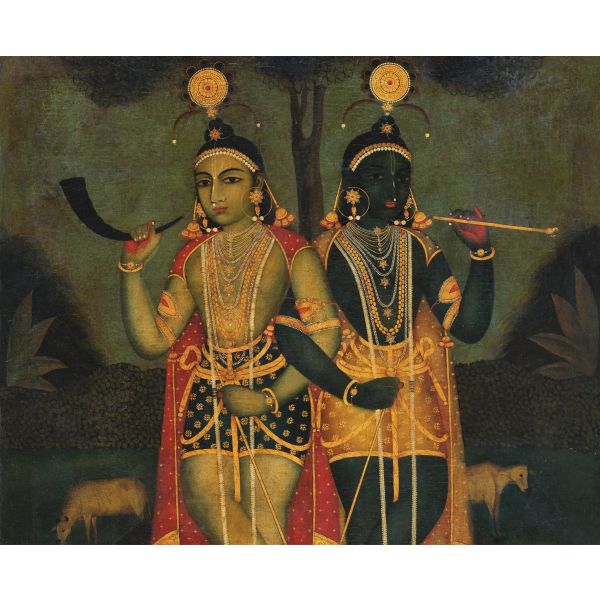 ArtistsEarly Bengal Oils$0.00A large number of anonymous oils on religious and mythological themes began to emerge in Bengal in the late eighteenth–early nineteenth century from the French colony of Chandernagore and the Dutch colony of Chinsurah. Variously called French or Dutch Bengal oils, they also came from other areas like Chitpur and Garanhata localities of Calcutta and thus came to be known as Early Bengal Oils. Learn More