Search results for: 'Exhibitions and e'
-
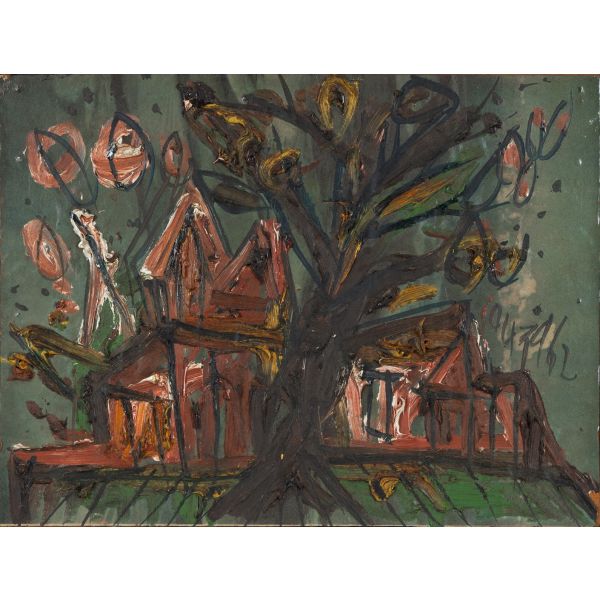
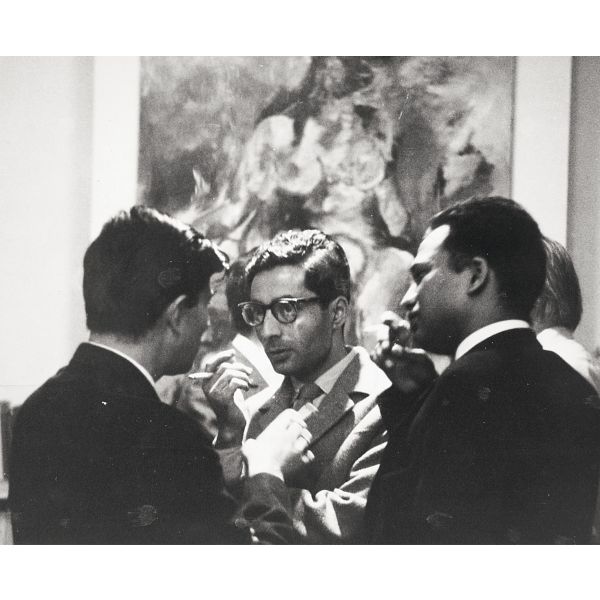 ArtistsRam Kumar$0.00Ram Kumar was born in Simla on 23 September 1924. Completing his master’s in economics from St. Stephen’s College, Delhi University, he attended evening classes at Sarada Ukil School of Art, where he learnt the ‘Western style’ of painting under Sailoz Mookherjea. Learn More
 -
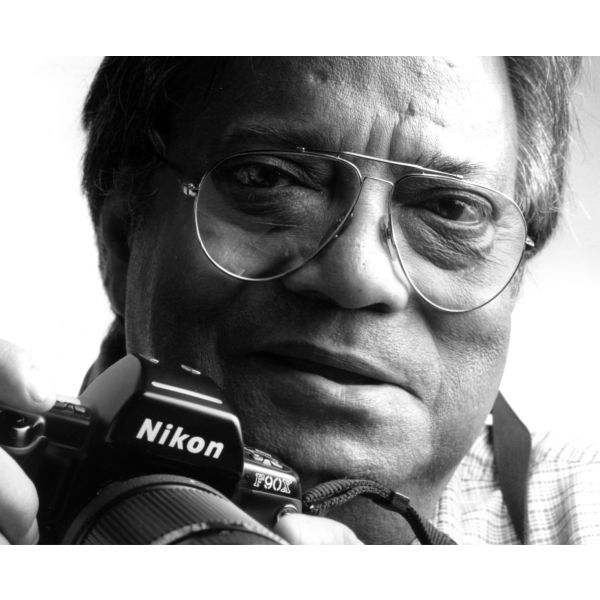 ArtistsNemai Ghosh$0.00Globally renowned filmmaker Satyajit Ray called his photographer Nemai Ghosh ‘Boswell with a camera, instead of a pen’. Just like James Boswell’s biography of English writer Samuel Johnson is considered the finest in the language, Ghosh’s photo-biography of his mentor is one of the finest photo essays on a legend’s life; Ghosh was Ray’s photographer from 1968 until Ray’s death in 1992. Learn More
 -
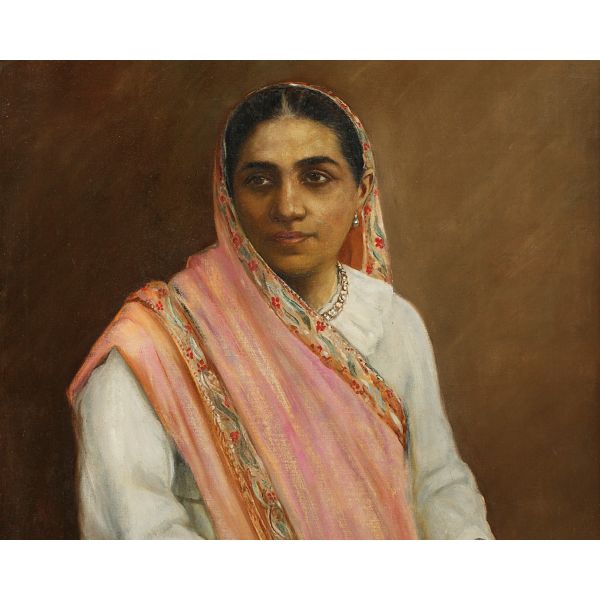
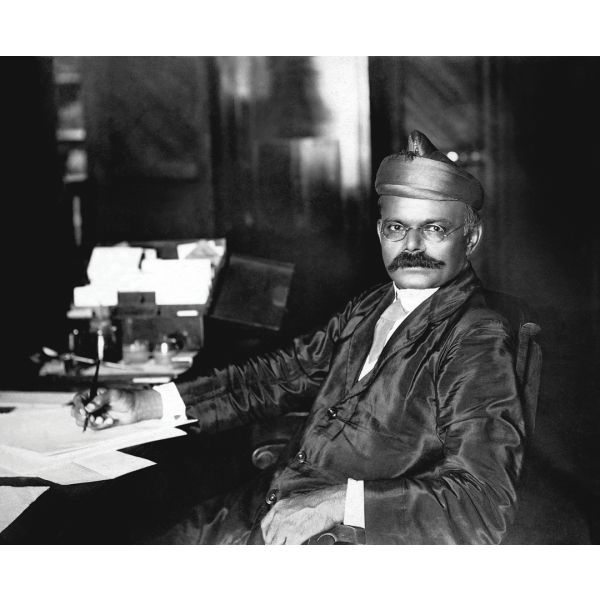 ArtistsM. V. Dhurandhar$0.00Possibly the most popular academic Indian artist after Raja Ravi Varma, M. V. Dhurandhar was born in Kolhapur. An early interest in drawing led his father to admit him to Sir J. J. School of Art, Bombay, where he received special encouragement from its principal, John Griffiths. Learn More
 -
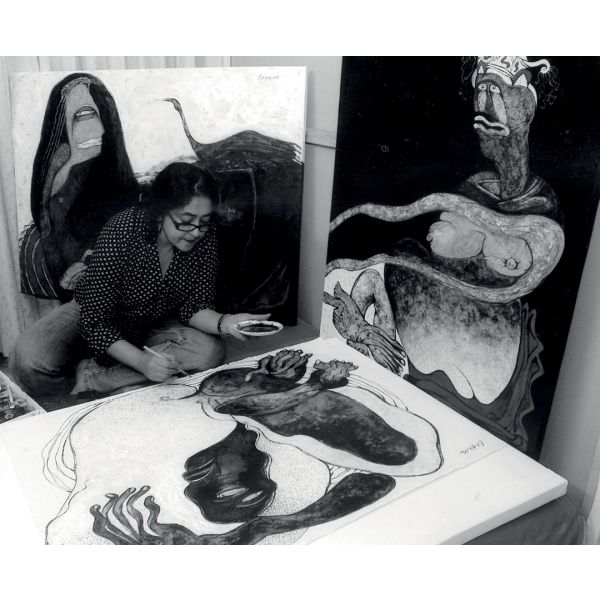 ArtistsJaya Ganguly$0.00Jaya Ganguly is known for turning the concept of aesthetics on its head while portraying social hypocrisies through her paintings. However, it’s not just the duplicity of the privileged vis-à-vis the have-nots that she seeks to express, but also the pretenses that the former keep up with in their comfortable yet orthodox existence. Learn More
 -
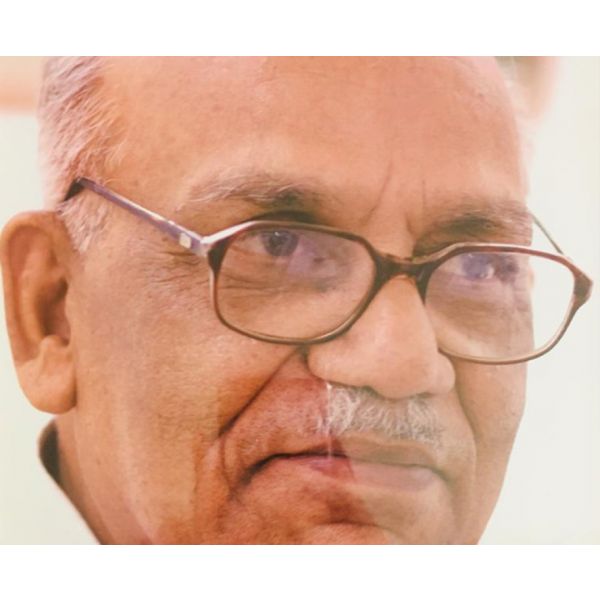 ArtistsJagmohan Chopra$0.00Born in Lahore in present-day Pakistan, Jagmohan Chopra is best remembered as a father figure in Indian printmaking who initiated an entire generation of artists into this genre of art. Learn More
 -
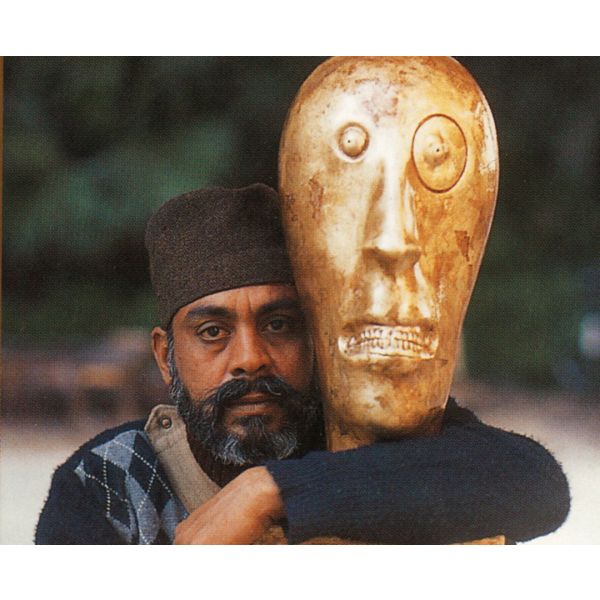 ArtistsHimmat Shah$0.00Born in Lothal in Gujarat, one of the most important sites of the Harappan civilisation (3300-1300 BCE), Himmat Shah’s long-term engagement with terracotta traces its roots to the ancient antecedents of his birthplace, seen especially in his sculptural Heads. Learn More
 -
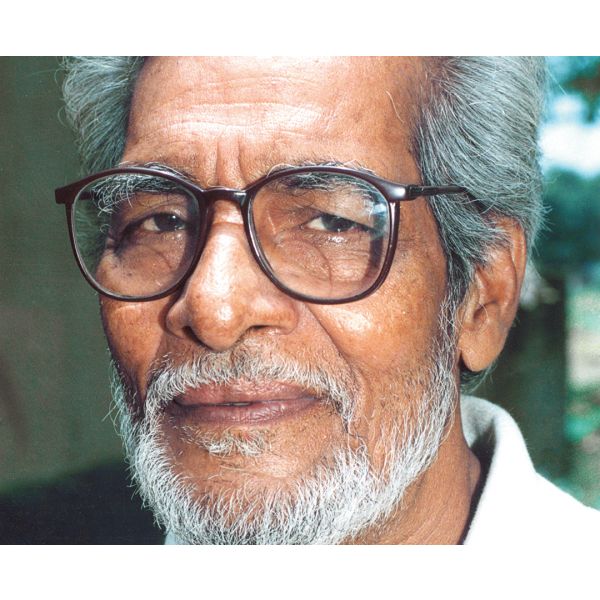 ArtistsBijan Chowdhury$0.00Born in Faridpur in present-day Bangladesh, Bijan Chowdhury moved to Calcutta to study at the Government School of Art, but due to his leftist activities, was expelled. He then went to the Government Institute of Arts, Dacca, headed by his erstwhile teacher, Zainul Abedin, from where he graduated in 1953. Learn More