


Search results for: 'but if you win me over, I''
-
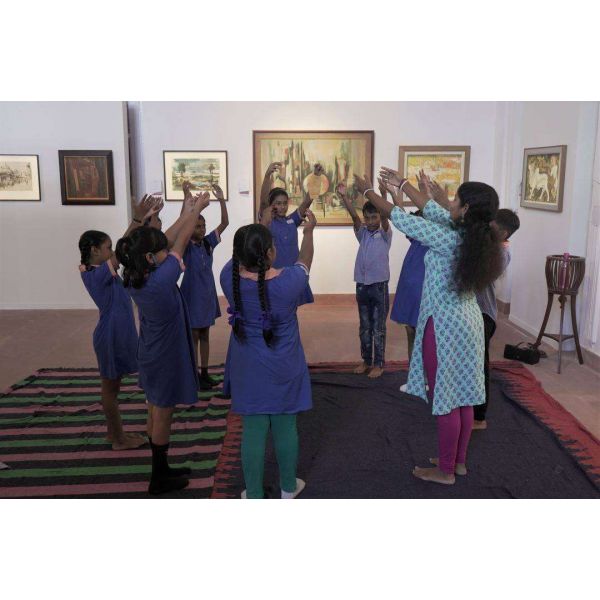 Events and ProgrammesGolpo Boli, Golpo Shono / Hear Me Out!$1.00
A storytelling festival for ages 12 and above by changemakers, activists and artists, exploring the idea of freedom from various walks of life.
Learn More -
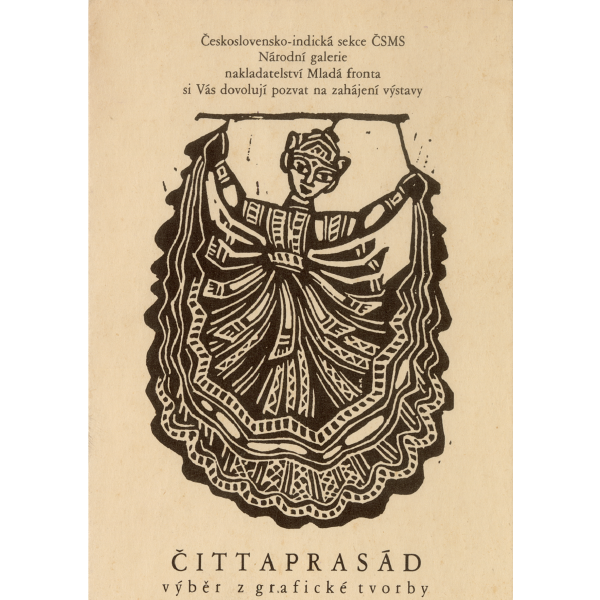 Collection StoriesAfter the Storm: Chittaprosad’s late oeuvre$0.00
Chittaprosad Bhattacharya (1913-1978) was a versatile artist and a lifelong adherent of the socialistic worldview. In 1943, he traveled across the famine-stricken villages of Bengal and produced realistic sketches of human suffering that were regularly published in the pages of the Communist Party journal 'People’s war'. These sketches were later compiled and published as a booklet under the title 'Hungry Bengal'. Fascinated by his artistic skills, the General Secretary of Communist Party of India, Puran Chand Joshi took Chittaprosad to the Party’s headquarters in Bombay (now Mumbai).
Learn More -
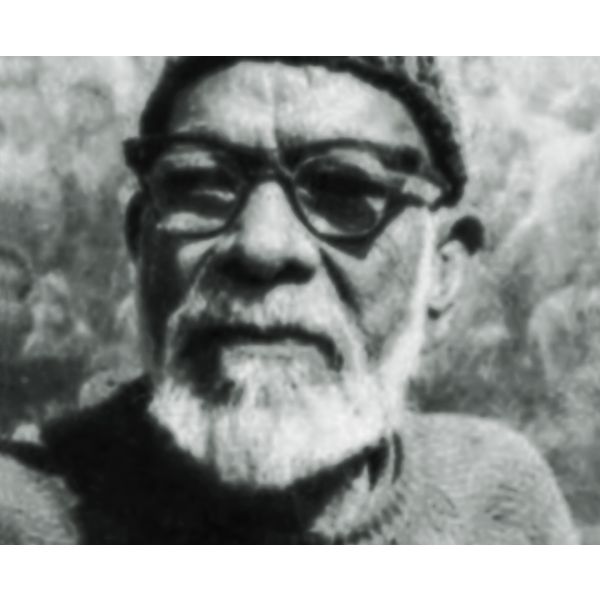 ArtistsAllah Bux$1.00
Ustad Allah Bux was born in Wazirabad in the Punjab province of undivided India (in present-day Pakistan) in the early 1890s.
Learn More -
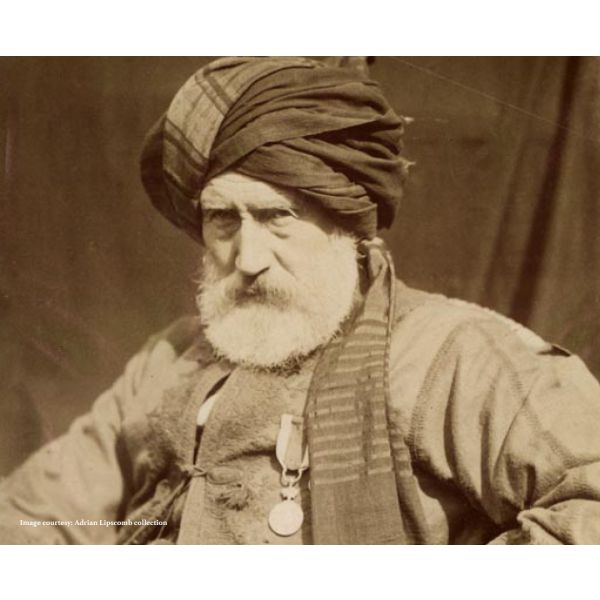 ArtistsWilliam Simpson$0.00
British draughtsman, lithographer, watercolourist, journalist, and antiquarian, William Simpson was born on 28 October 1823 in Glasgow, Scotland. He is best remembered for his sketches of various wars made for the Illustrated London News.
Learn More -
 ArtistsCompany Paintings$0.00
Ethnographic mapping and documentation of a vast country like India was an important part of the political and economic expansion of the East India Company from the middle of the seventeenth century onwards.
Learn More -
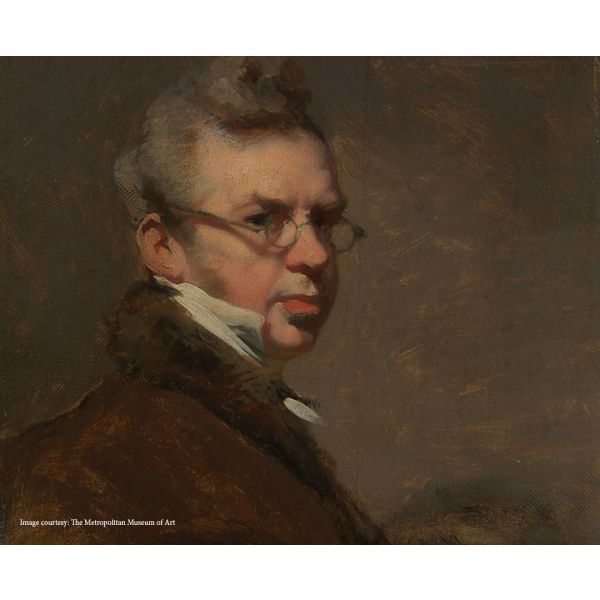 ArtistsGeorge Chinnery$0.00
English painter George Chinnery, who spent almost his entire career in the East and is today celebrated for his Oriental pictures of idyllic, daily scenes from India and China, was born in London on 7 January 1774.
Learn More -
 Institutional CollaborationsDRISHYAKALA$1.00
How did the multiple trajectories of visual arts develop in the subcontinent? Where did they originate and how did their paths converge? Drishyakala offers a sweeping journey into the heterogenous histories of visual arts in India, from the first European travelling artists who drew landscapes to popular prints of the earliest woodcuts and lithographs evolving into the thriving advertising visuals of the 20th century. The exhibition is broadly divided into four categories, each exploring an unique area of development—the art of portraiture through photography and painting, oriental sceneries drawn by European travelling artists, popular prints from the late eighteenth century to post-independence and artworks of the nine National Treasure Artists. Together, these sections give brief glimpses into the dizzying variety of forms, styles and languages of South Asian art.
Learn More -
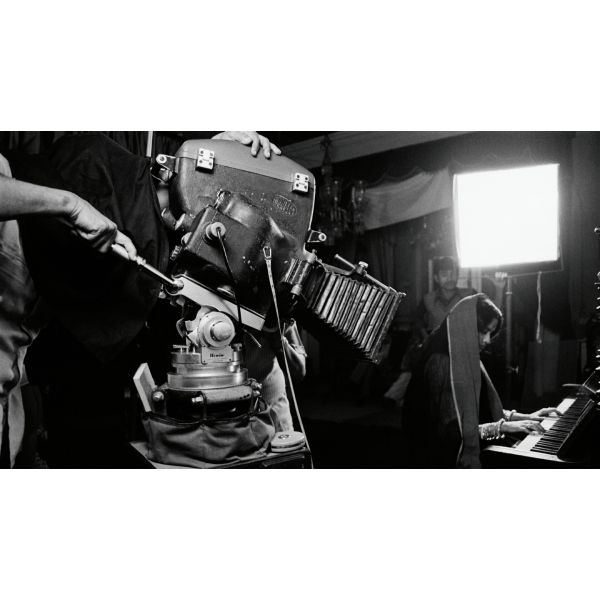 Institutional CollaborationsNemai Ghosh: Satyajit Ray and Beyond$1.00
Nemai Ghosh (1934-2020) is primarily remembered today as the photographer who, through his lens, composed a visual biography of Indian filmmaker, Satyajit Ray, for a period spanning close to three decades. This exhibition draws from DAG's extensive collection of Nemai Ghosh's ouevre to explore his work with Ray, while also exploring his contribution to documenting and immortalising the best of Indian cinema.
Learn More -
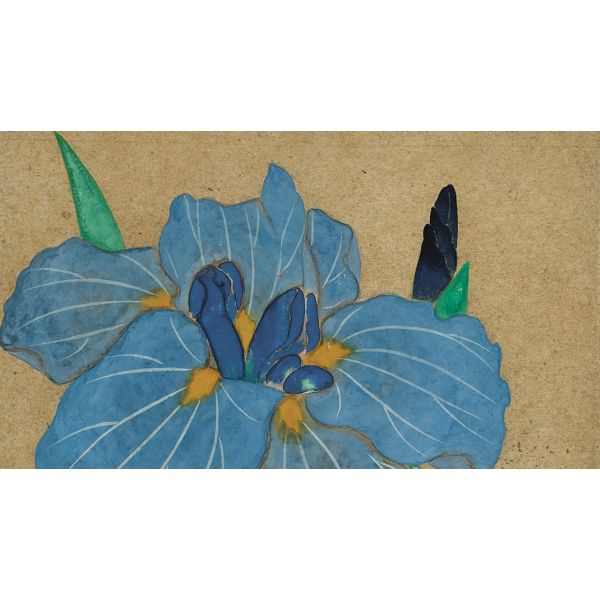 Institutional CollaborationsKripal: The Art of Kripal Singh Shekhawat$1.00
Kripal Singh Shekhawat of Jaipur worked his entire life to bridge the gap between the vernacular and the contemporary, combining what was considered the craft of a kumhar—potter—with the fine art of miniature painting. He paved a new path for a pioneering social and aesthetic mode of life in twentieth century India.
Learn More -
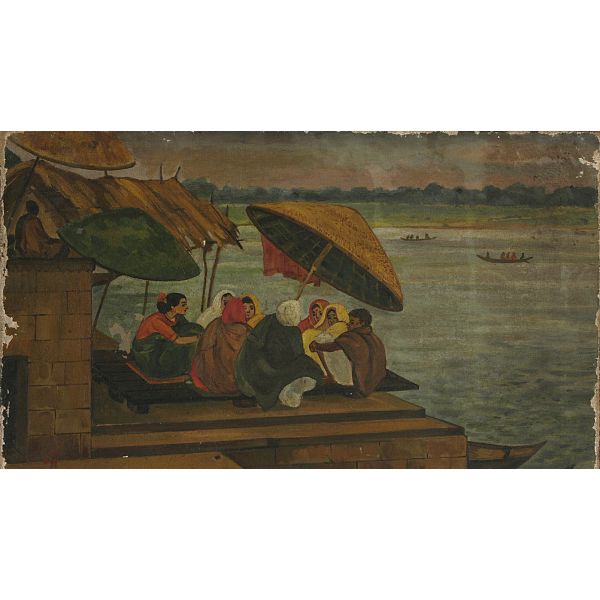 Institutional CollaborationsETERNAL BANARAS$1.00
For millennia, Banaras has captured the imagination of poets, writers, philosophers, and artists. Its sacredness, music, textiles, and food have been extensively explored and commented upon. It has been a muse for countless artists, who have found an abundance of inspiration on the ghats that skirt the Ganga, and in the city's narrow streets and crowded alleyways.
Learn More -
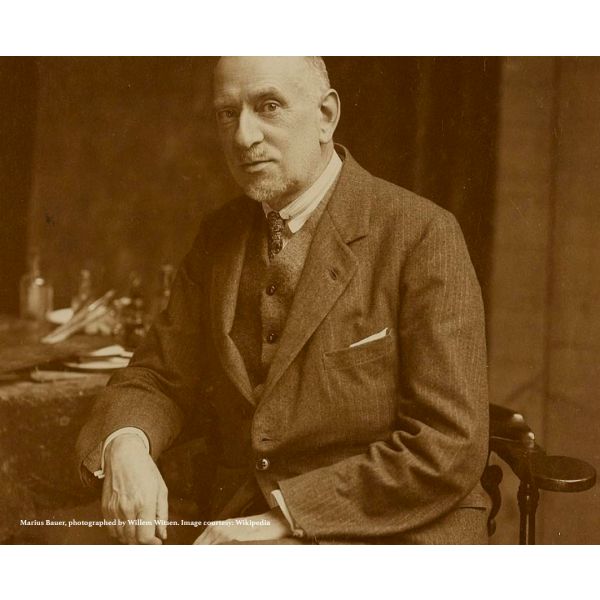 ArtistsMarius Bauer$1.00
The Dutch artist Marius Bauer was born on 25 January 1867 at The Hague, the Netherlands, to a stage painter who encouraged his son’s early interest in drawing.
Learn More -
 ArtistsHenry Singleton$1.00
Henry Singleton, who is best remembered in India for his dramatic paintings of the Anglo-Mysore wars of the eighteenth century, depicting the Mysore ruler Tipu Sultan, was born in an English family of artists in London on 19 October 1766.
Learn More