Among the most accomplished watercolourists of modern India, Shyamal Dutta Ray was born in Ranchi, then in Bihar, and studied at Government College of Arts and Crafts, Calcutta, from 1950-55. He was a founding member of Society of Contemporary Artists in 1959, and of Painters 80, founded in 1968. Learn More
Born in Calcutta on 20 October 1947, Shuvaprasanna is a quintessential painter of the eastern metropolis that he unabashedly loves. He graduated from Indian College of Art, Rabindra Bharati University, Calcutta, in 1969. An active member of Calcutta Painters group, urban themes are a constant in his work. Beset by problems and politics, but possessing great potential, Kolkata has remained his abiding inspiration as he absorbs and responds to its upheavals, the tumult of its masses, and its frequent political turbulence. Learn More
Born in Karachi, a year before it became part of Pakistan, Nalini Malani’s art, unsurprisingly, is built on observing the struggles and strife of people, socio-political changes, and how she observes this. More recently, the lockdown in India on account of the corona pandemic and its impact on migrant workers has impacted her work, even prompting her to post short animations on social media platforms. Learn More
Born in Nashik, Maharashtra, M. S. Joshi studied at Sir J. J. School of Art, Bombay, in the 1930s. Joshi combined his training in academic realism with a sense of vitality, precision and aesthetics to reveal India’s rich cityscapes and landscapes in his watercolour and gouache works. There was immense depth in the rendering of his subjects, which included people, places, architectural elements, all done in a subdued yet textured palette. Learn More
Born in Jamalpur in present day Bangladesh on 9 February 1936, Ganesh Haloi migrated with his family to Calcutta upon Partition. From 1952-56, he studied at the city’s Government College of Arts and Crafts, where he acquired his personal style of sophisticated elegance and finish. Upon graduation, he joined the Archaeological Survey of India and was assigned the documentation of the cave paintings of Ajanta from 1957-63. Learn More
Born in Bengal, Arup Das remains one of the most formidable muralists and painters of Indian modern art. He graduated from the Government College of Arts and Crafts Calcutta, in the 1940s. Later, in the 1960s, he became a member of All India Fine Arts and Crafts Society, New Delhi. Learn More
Belonging to the first generation of postcolonial Indian artists that sought cosmopolitan freedom in Paris and London during the 1950s and ’60s, Akbar Padamsee developed his images within the genres of portraiture and landscape as refracted through the prism of high modernism. Learn More
Born in Graz, Austria, Walter Langhammer came to India in the 1930s with his wife Käthe Urbäch, escaping Nazi Germany like other refugees. Some media reports suggest that British authorities had arrested the couple on their arrival in India till a friend, noted art critic Rudolf von Leyden, came to their rescue. Learn More
One of the earliest pioneers of European modernism in Indian sculpture, Hiranmoy Roychaudhuri studied under E. B. Havell at the Government School of Art, Calcutta in 1905. He was also one of the earliest Indian artists to go to England to study art; he went to the Royal College of Art, London, in 1910 to train in sculpture. Learn More
Gogi Saroj Pal was one of the earliest women artists of India to paint the female body as a receptacle of patriarchal gaze, a trope that she has continued to explore right through the seventh decade of her life. She speaks with commendable candour in this short video on how art helped liberate her as an individual. Learn More
Twenty years after India’s independence, Films Division, the government’s documentary and propaganda filmmaking body, was seeking to re-invent itself. It had the mandate of recording the nation’s history on film. It was also a project of moulding the citizen through films that were screened in cinema theatres, before the entertainment feature. The films covered varied subjects from development, self-reliance, social issues, to art and culture, making them an invaluable archive of the Indian state’s record of the nation’s history as a modern, progressive nation. The films remained largely unpopular, like homework, among the unwilling audience of people who waited for the entertainment film to follow the documentary. Learn More



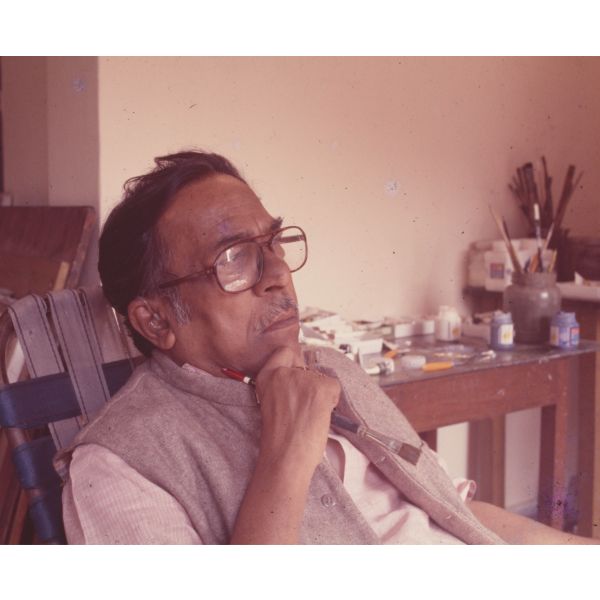 ArtistsShyamal Dutta Ray$0.00Among the most accomplished watercolourists of modern India, Shyamal Dutta Ray was born in Ranchi, then in Bihar, and studied at Government College of Arts and Crafts, Calcutta, from 1950-55. He was a founding member of Society of Contemporary Artists in 1959, and of Painters 80, founded in 1968. Learn More
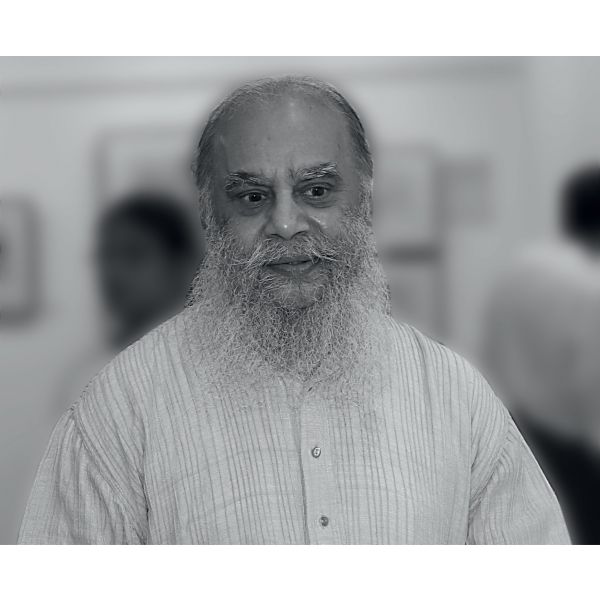 ArtistsShuvaprasanna$0.00Born in Calcutta on 20 October 1947, Shuvaprasanna is a quintessential painter of the eastern metropolis that he unabashedly loves. He graduated from Indian College of Art, Rabindra Bharati University, Calcutta, in 1969. An active member of Calcutta Painters group, urban themes are a constant in his work. Beset by problems and politics, but possessing great potential, Kolkata has remained his abiding inspiration as he absorbs and responds to its upheavals, the tumult of its masses, and its frequent political turbulence. Learn More
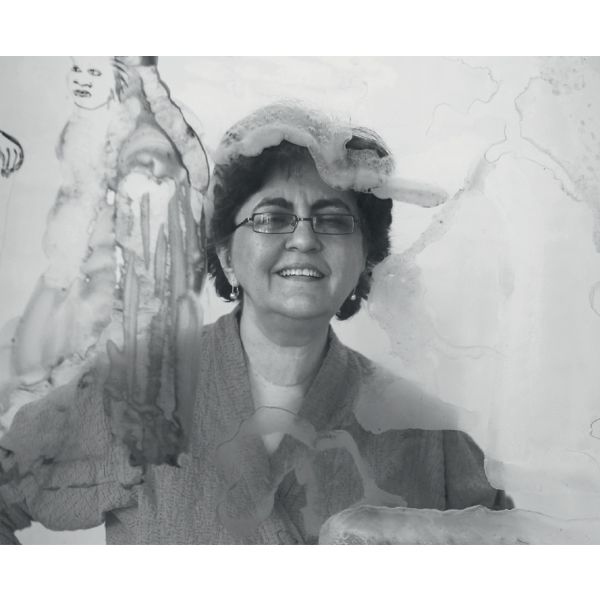 ArtistsNalini Malani$0.00Born in Karachi, a year before it became part of Pakistan, Nalini Malani’s art, unsurprisingly, is built on observing the struggles and strife of people, socio-political changes, and how she observes this. More recently, the lockdown in India on account of the corona pandemic and its impact on migrant workers has impacted her work, even prompting her to post short animations on social media platforms. Learn More
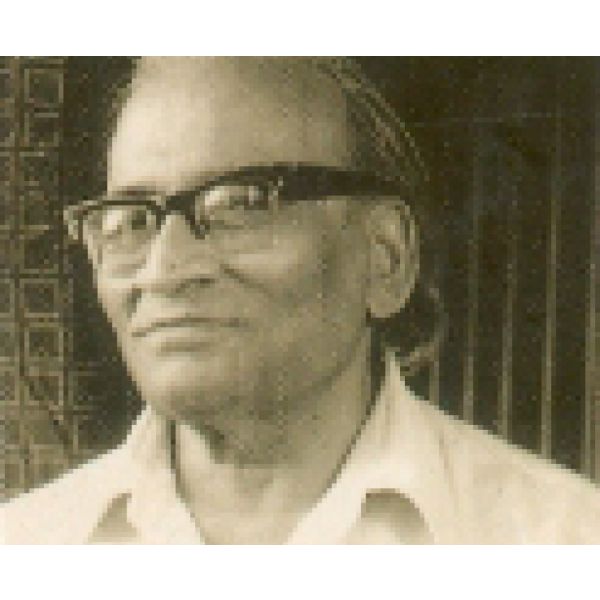 ArtistsM. S. Joshi$0.00Born in Nashik, Maharashtra, M. S. Joshi studied at Sir J. J. School of Art, Bombay, in the 1930s. Joshi combined his training in academic realism with a sense of vitality, precision and aesthetics to reveal India’s rich cityscapes and landscapes in his watercolour and gouache works. There was immense depth in the rendering of his subjects, which included people, places, architectural elements, all done in a subdued yet textured palette. Learn More
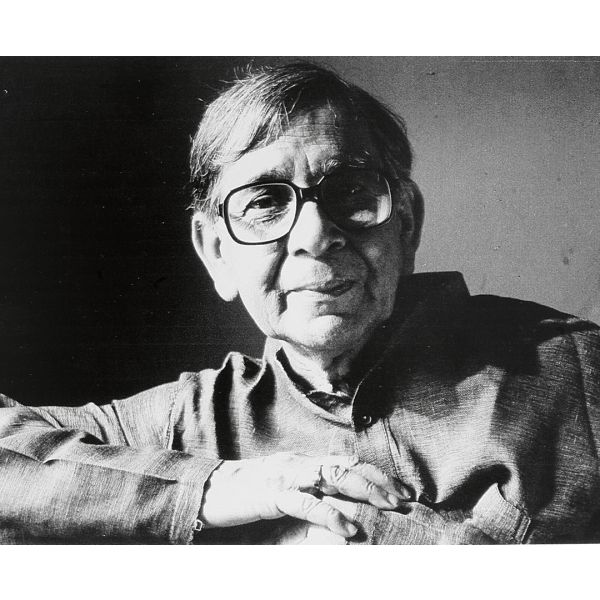 ArtistsGanesh Haloi$0.00Born in Jamalpur in present day Bangladesh on 9 February 1936, Ganesh Haloi migrated with his family to Calcutta upon Partition. From 1952-56, he studied at the city’s Government College of Arts and Crafts, where he acquired his personal style of sophisticated elegance and finish. Upon graduation, he joined the Archaeological Survey of India and was assigned the documentation of the cave paintings of Ajanta from 1957-63. Learn More
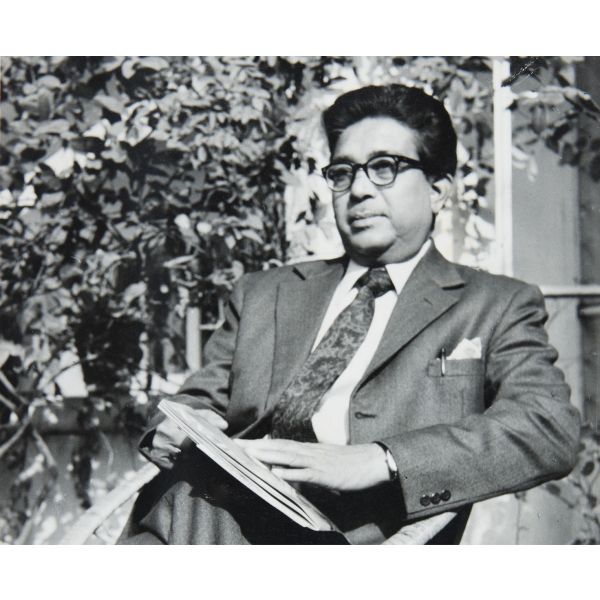 ArtistsArup Das$0.00Born in Bengal, Arup Das remains one of the most formidable muralists and painters of Indian modern art. He graduated from the Government College of Arts and Crafts Calcutta, in the 1940s. Later, in the 1960s, he became a member of All India Fine Arts and Crafts Society, New Delhi. Learn More
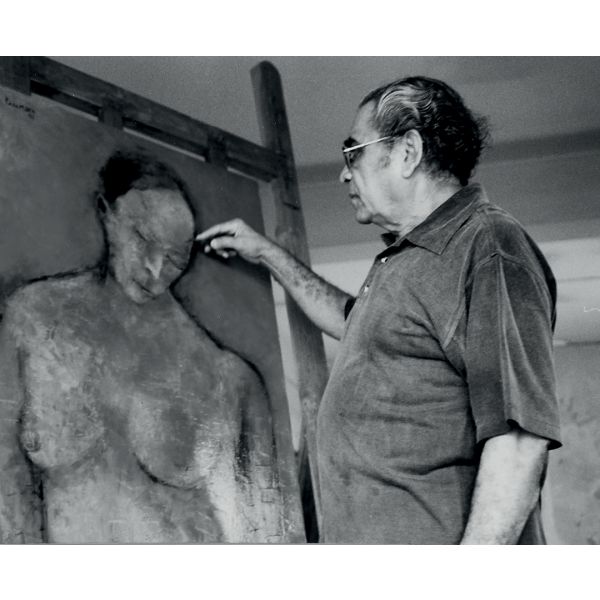 ArtistsAkbar Padamsee$0.00Belonging to the first generation of postcolonial Indian artists that sought cosmopolitan freedom in Paris and London during the 1950s and ’60s, Akbar Padamsee developed his images within the genres of portraiture and landscape as refracted through the prism of high modernism. Learn More
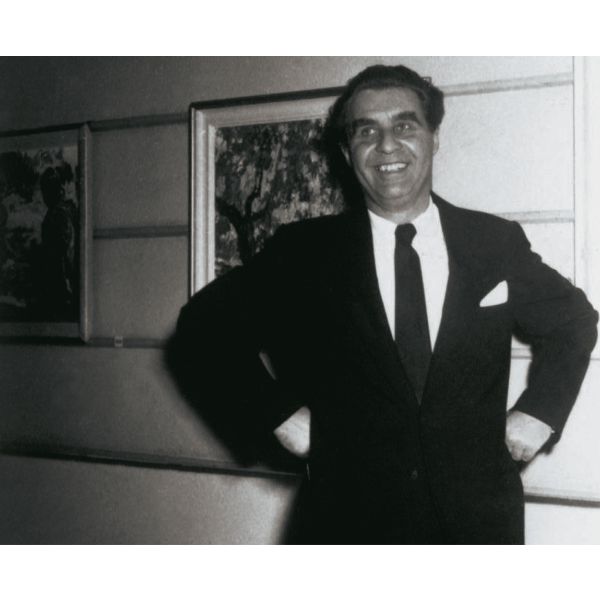 ArtistsWalter Langhammer$0.00Born in Graz, Austria, Walter Langhammer came to India in the 1930s with his wife Käthe Urbäch, escaping Nazi Germany like other refugees. Some media reports suggest that British authorities had arrested the couple on their arrival in India till a friend, noted art critic Rudolf von Leyden, came to their rescue. Learn More
 ArtistsHiranmoy Roychaudhuri$0.00One of the earliest pioneers of European modernism in Indian sculpture, Hiranmoy Roychaudhuri studied under E. B. Havell at the Government School of Art, Calcutta in 1905. He was also one of the earliest Indian artists to go to England to study art; he went to the Royal College of Art, London, in 1910 to train in sculpture. Learn More
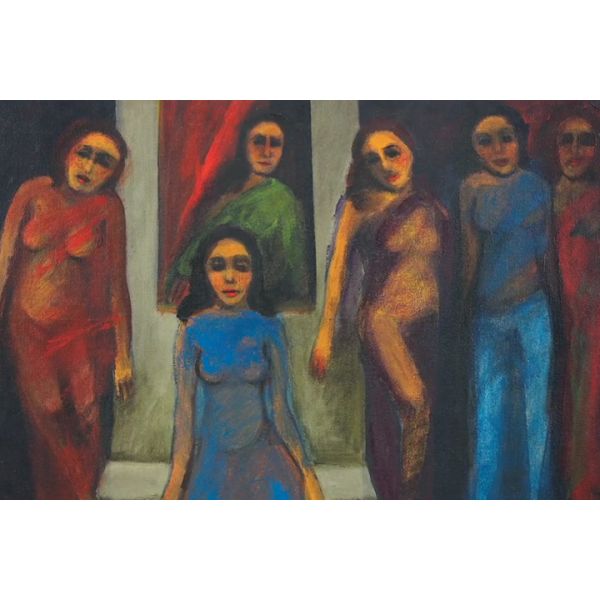 JournalArtists (Un)Scripted – Gogi Saroj Pal$0.00Gogi Saroj Pal was one of the earliest women artists of India to paint the female body as a receptacle of patriarchal gaze, a trope that she has continued to explore right through the seventh decade of her life. She speaks with commendable candour in this short video on how art helped liberate her as an individual. Learn More
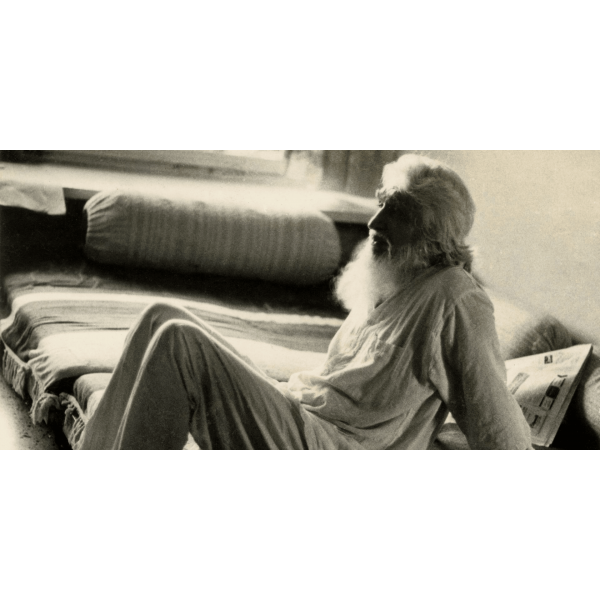 JournalThe Painters’ Camera: Husain and Mehta's Moving Images$0.00Twenty years after India’s independence, Films Division, the government’s documentary and propaganda filmmaking body, was seeking to re-invent itself. It had the mandate of recording the nation’s history on film. It was also a project of moulding the citizen through films that were screened in cinema theatres, before the entertainment feature. The films covered varied subjects from development, self-reliance, social issues, to art and culture, making them an invaluable archive of the Indian state’s record of the nation’s history as a modern, progressive nation. The films remained largely unpopular, like homework, among the unwilling audience of people who waited for the entertainment film to follow the documentary. Learn More