Search results for: 'dadi bo'
-
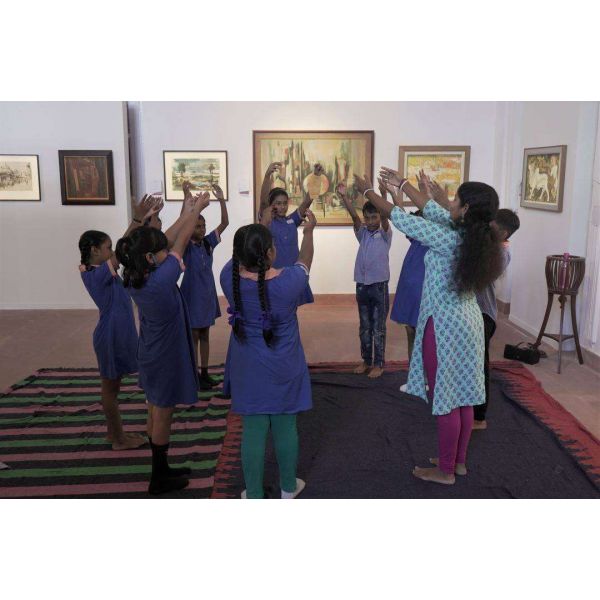 Events and ProgrammesGolpo Boli, Golpo Shono / Hear Me Out!$1.00
A storytelling festival for ages 12 and above by changemakers, activists and artists, exploring the idea of freedom from various walks of life.
Learn More -
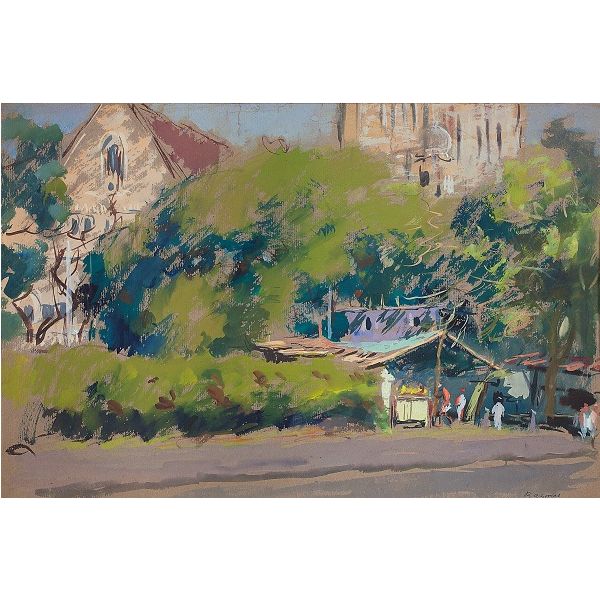
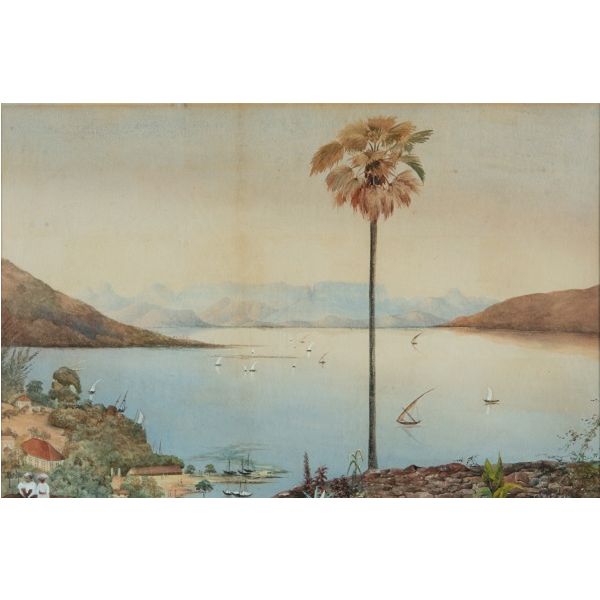 JournalBombay through the eyes of European Artists$0.00
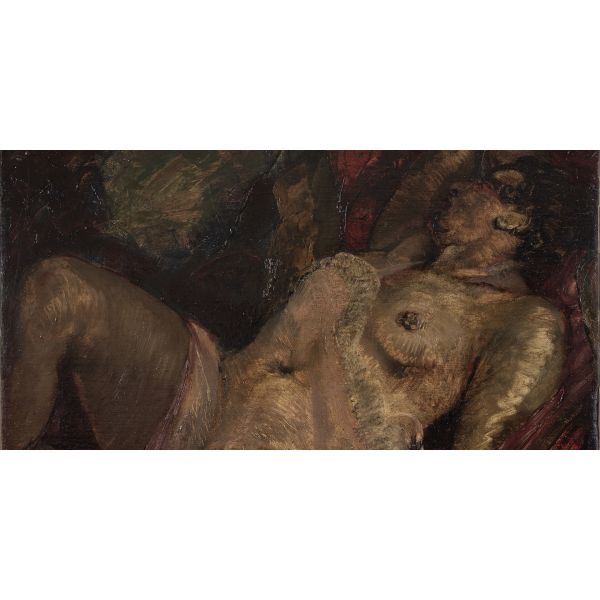
The city was consolidated over the course of the eighteenth century, and its access to global trade routes helped it grow over the following centuries as well, leading some to describe it as the 'door of the East with its Face to the West'. How did European artists view this growing city?
Learn More -
 ExhibitionsAltafAs low as $1.00
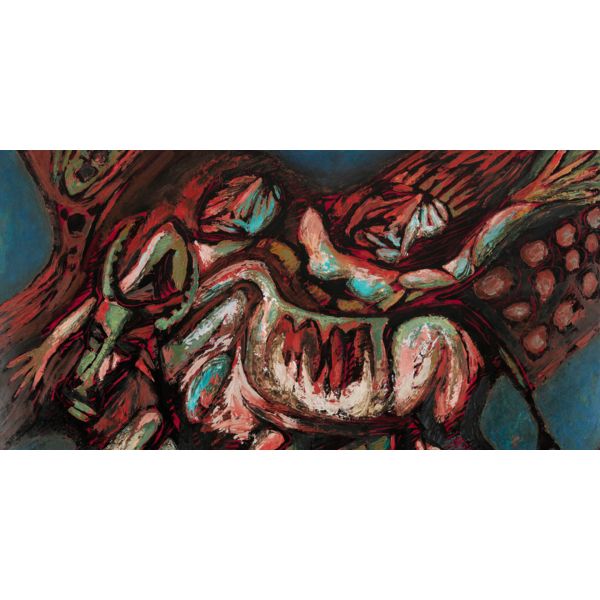
In the articulation of twentieth century art, where does one place Altaf Mohamedi? That question has probably troubled more curators than we realise. Altaf, who studied art in London before returning to Bombay (now Mumbai) was following in the footsteps of his elder sister and artist Nasreen Mohamedi, but that is where all similarities ended. Where Nasreen was an abstract, sparse artist who created a distinctive language using, for most part, rigid, inflexible lines that nevertheless sang on the paper over which they were made, Altaf’s work was intensely political and social.
Learn More -