


Search results for: 'michael b u b l e'
-
 Institutional CollaborationsThe Printed Picture: Four Centuries of Indian Print-Making$1.00
As printing technologies improved around the turn of the 18th century, a large number of cheaply reproduced printed pictures—illustrated books, almanacs and mythological images—became available to the common people. This became an important vehicle of social change because people could own, produce and disseminate images of all kinds—from their beloved deities and favourite fictional characters to political cartoons critiquing colonial authorities. Printmaking was equally treasured by artists for its aesthetic potential, as techniques like lithography, etching, metal engraving, viscosity, gave practitioners infinite opportunities for creative exploration. This landmark exhibition gives us a comprehensive overview of the history of the printed picture in India.
Learn More -
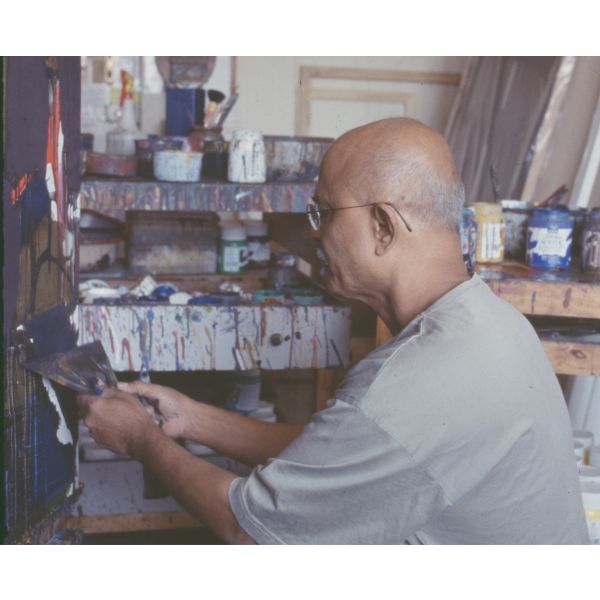 ArtistsPrabhakar Kolte$0.00The search for abstraction in Indian art in the early years of Independence was born out of a desire among artists to attain an independent idiom of modernism. Rooted in the country’s philosophical and religious aesthetic, Prabhakar Kolte is among the leading practitioners engaged in this quest. A master of poetic and metaphysical abstractionism, Kolte received a diploma in painting from Sir J. J. School of Art, Bombay, in 1968. Initially, he freelanced as an illustrator, also working as a designer at Bombay Dyeing. Learn More
 -
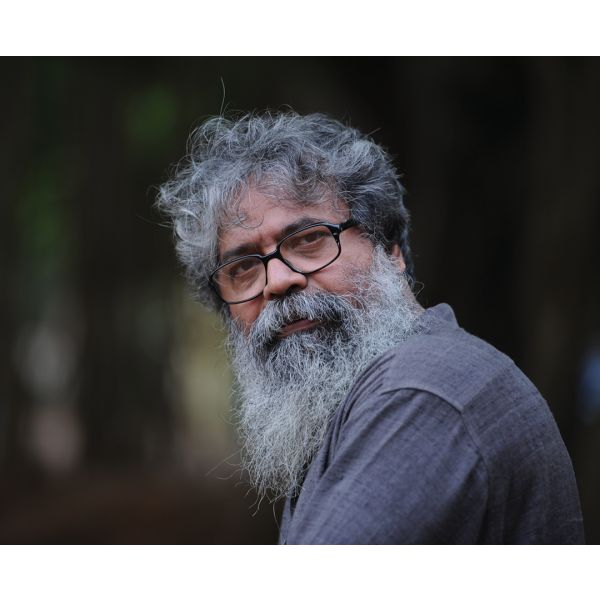 ArtistsK. S. Radhakrishnan$0.00Maiya and Musui—the thinly-fluted male and female bronze figures, often swaying or leaping in joy—are perhaps as well-known as their creator, K. S. Radhakrishnan. One of the most significant contemporary sculptors, Radhakrishnan often refers to the bronze characters as his alter egos. Learn More
 -
 JournalART IN PRINT: VIEWING PERIODICALS AT THE UTTARPARA LIBRARY$0.00
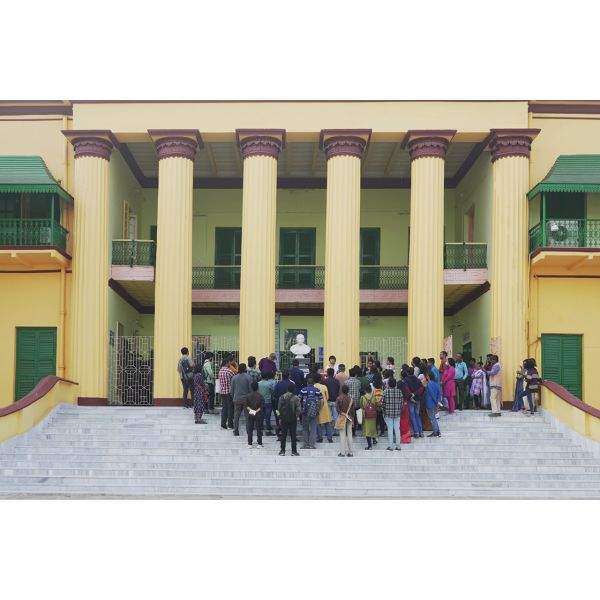
Have you wondered how people looked at paintings and photographs in the nineteenth century? For DAG’s annual Heritage Festival ‘The City as a Museum’, we explored various aspects of the city’s visual culture. As we are about to launch the DAG Journal let us revisit the walk co-led by Sarbajit Mitra and Amreeta Das at the Uttarpara Jaykrishna public library to delve into the periodical archive and trace the evolution of printed pictures in India. Flipping through the pages of these periodicals offered glimpses into the everyday habits of consuming art—from simple wood-cut and lithograph illustrations, to full plate colour reproductions of paintings and photographs, artist albums, and exquisitely ornate typography.
Learn More -
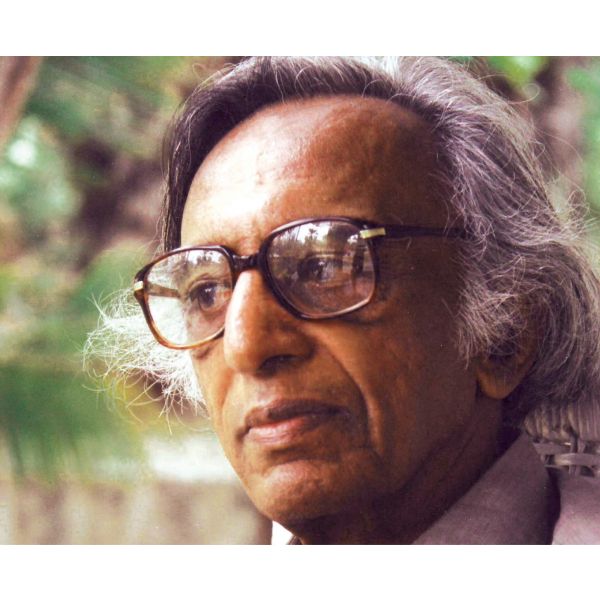 ArtistsTyeb Mehta$0.00It is ironical that works by Tyeb Mehta, who did not attach much merit to the financial value of art, were the first by a living Indian artist to sell for more than Rs 1 crore, and, soon, for more than a million dollars, indicating a beginning of interest in Indian art in the international market. His works Celebration, Kali and Mahishasura marked the beginning of the boom in the Indian art market at the start of this century. Learn More
 -
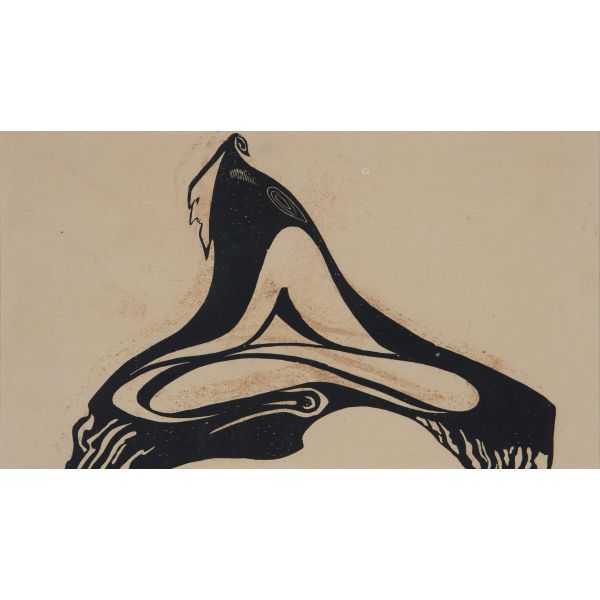 Institutional CollaborationsNavratna: India’s National Treasure Artists$1.00
Nine artists find special mention in India as ‘art treasures, having regard to their artistic and aesthetic value’, a directive by the Archaeological Survey of India in the 1970s. Spanning a period of one hundred years of art practice, these artists represent a diversity of art traditions and movements but are unified by one common thread: a return to Indian roots through context, theme, subject, and an engagement with identity.
Learn More -
 Art FairsArt Dubai$0.00
Shown at the Shanghai Biennale, exhibited in New York, widely admired for his consistency throughout his career, Rabin Mondal’s excoriating paintings are a savage indictment of social and political ills. A reticent, reserved artist, Mondal’s works offer a scathing commentary on the pursuit and abuse of power. A primal, primordial figuration describes his work in which people in positions of authority are rendered vulnerable because of the very power they aspire to. Their contorted features and clawed hands and feet represent their venality. Strong outlines, naked brushstrokes and potent use of green and red characterise most his work.
Learn More -
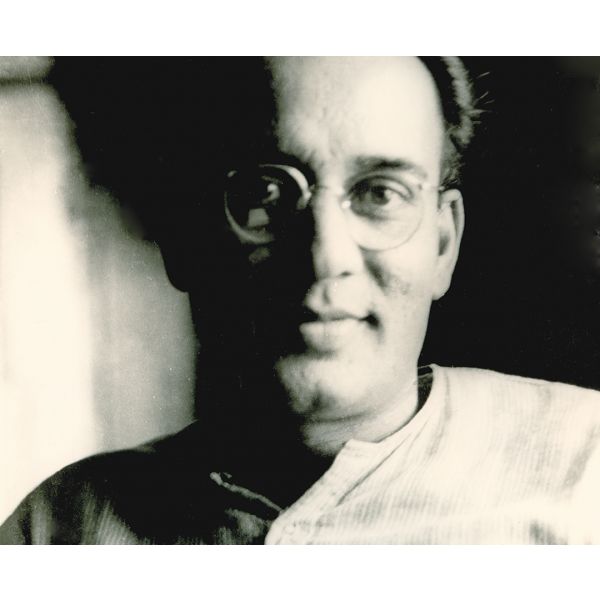 ArtistsIndra Dugar$0.00Indra Dugar, unlike his illustrious father Hirachand Dugar (1898-1951), did not have any formal education in art. Born in 1918 in Jiaganj in Murshidabad, West Bengal, he sub-consciously absorbed the artistic ambience of Santiniketan where he grew up; his father was one of the earliest students at Kala Bhavana at the Visva-Bharati University. Dugar acquired art skills from his father and considered Santiniketan his alma mater. He was inspired by his father’s mentor Nandalal Bose, who saw great promise in him. Learn More
 -
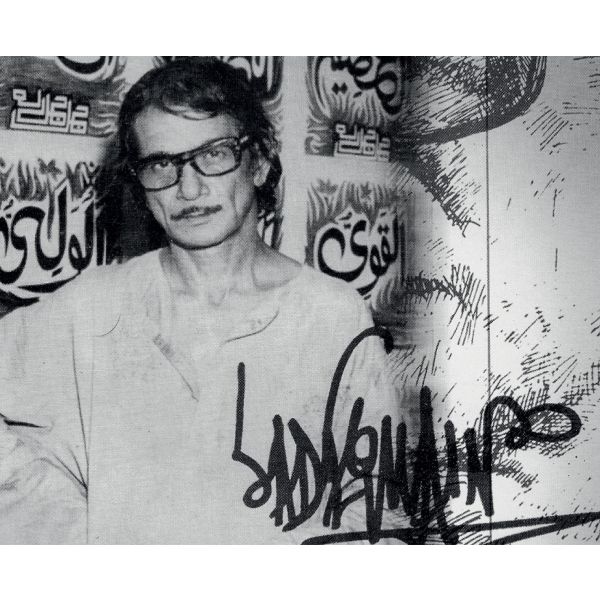 ArtistsSadequain$0.00One of the most important South Asian artists of the twentieth century, Syed Ahmed Sadequain Naqvi was born in Amroha in Uttar Pradesh in pre-Partition India and grew up in a family that highly valued calligraphy. He moved to Delhi in 1944 to work as a calligrapher-copyist with All India Radio where his elder brother was also working, but shifted to Pakistan following Partition. Moving between jobs for a few years in his new homeland, Sadequain devoted himself fully to the arts in 1955 after his fame as an artist rose with the patronage of the country’s prime minister, Huseyn Shaheed Suhrawardy. Learn More
 -
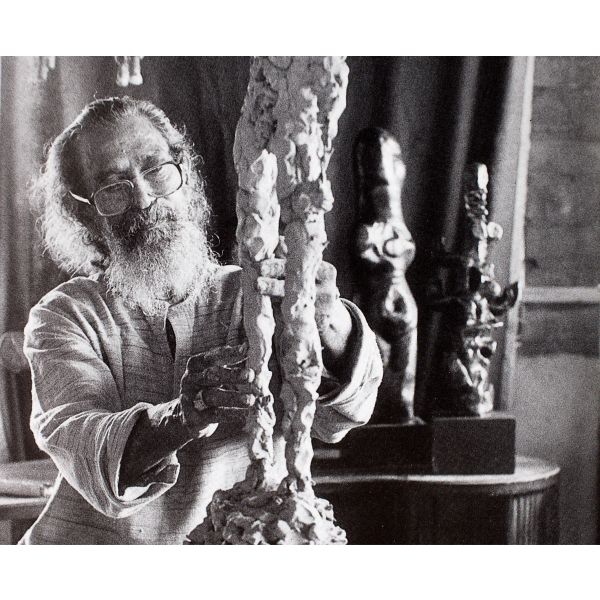 ArtistsS. Dhanapal$0.00Born on 3 March 1919 in Madras, S. Dhanapal trained under sculptor-teacher D. P. Roy Chowdhury at the city’s Government College of Art and Craft. He joined the faculty of his college after completing his studies, and, in 1957, when K. C. S. Paniker was principal, Dhanapal was appointed the head of the sculpture department. He eventually became principal of his alma mater in 1972. Learn More
 -
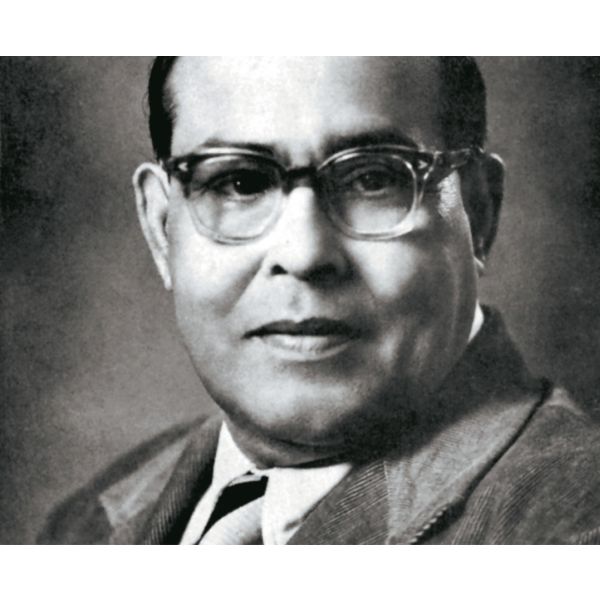 ArtistsMukul Dey$0.00India’s first creatively trained printmaker and pioneer of dry point etching in the country, Mukul Chandra Dey was born on 23 July 1895 in Sridharkhola, Bengal. He joined Santiniketan’s Brahmacharya Ashram school at the age of eleven and trained in art under the Tagore family stalwarts, becoming a close associate of Abanindranath Tagore. Learn More
 -
 ArtistsAmalnath Chakladhar$0.00Born in present-day Bangladesh, Amalnath Chakladhar belongs to that category of Bengali modernists who carved an identity uniquely their own, despite the overarching influence of the three prominent strains of modern art in Bengal in the first half of the twentieth century—the Bengal School, academic training in art schools of Calcutta, and expressionism in Santiniketan. His contribution to furthering modernism in India, therefore, assumes importance for being a seminal, individual effort. Learn More