Search results for: 'what kind of darker lyrics to use a different version of this is the thanks i get different example'
-
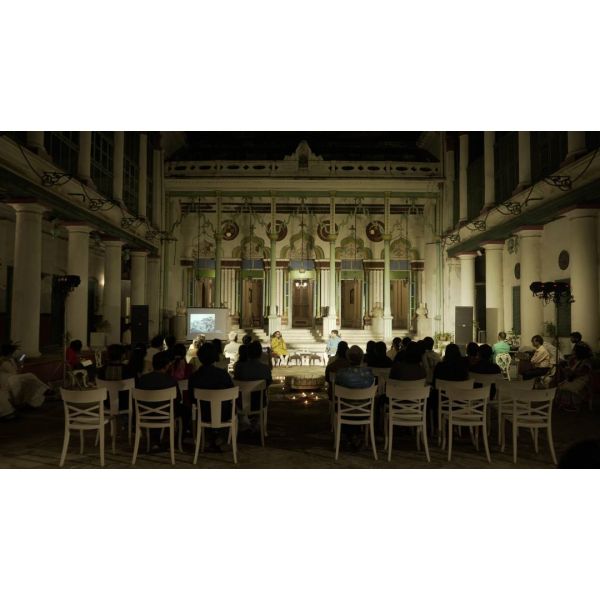 Events and ProgrammesRevisiting the Tagores$1.00
A musical evening at Prasad Tagore Palace, the heritage residence of Pramantha Tagore, preceded by a conversation with Sujaan Mukherjee about the Tagore family’s ties to music, theatre, and art patronage.
Learn More -
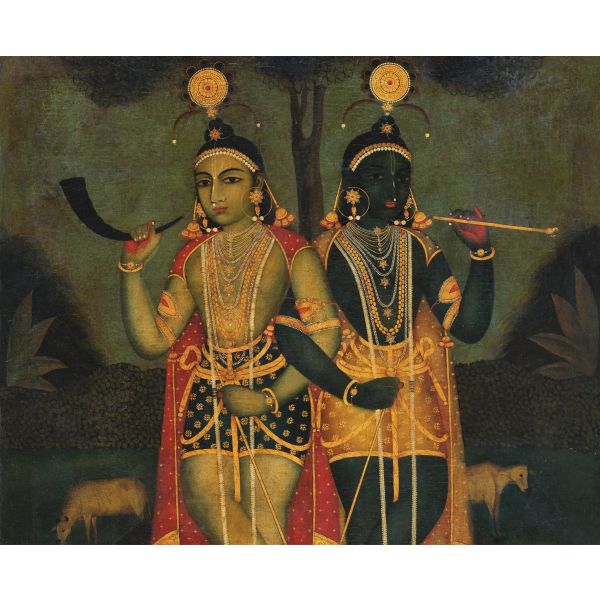 ArtistsEarly Bengal Oils$0.00A large number of anonymous oils on religious and mythological themes began to emerge in Bengal in the late eighteenth–early nineteenth century from the French colony of Chandernagore and the Dutch colony of Chinsurah. Variously called French or Dutch Bengal oils, they also came from other areas like Chitpur and Garanhata localities of Calcutta and thus came to be known as Early Bengal Oils. Learn More
 -
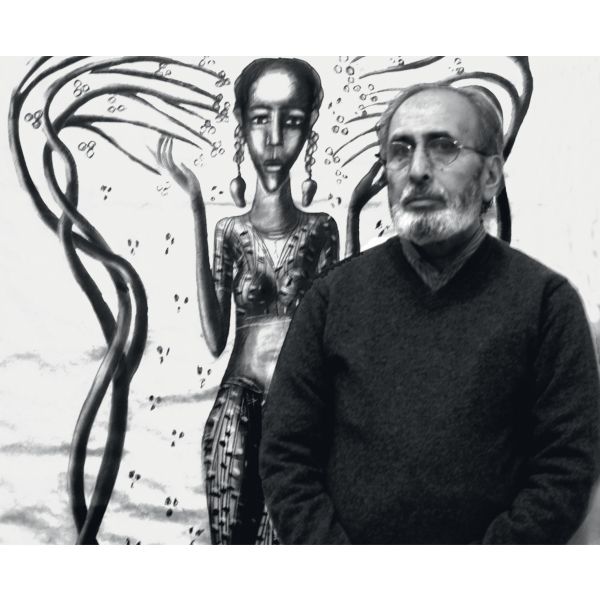 ArtistsVed Nayar$0.00Born in Lyallpur in 1933 in pre-Partition Punjab, Ved Nayar’s earliest creative urges were born out of his close engagement with the jungle around his house. He moved to Delhi as a teenager following Partition and obtained a B.A. degree from the city’s St. Stephen’s College in 1952. He then joined Delhi Polytechnic in 1957 and participated in Lalit Kala Akademi’s national exhibition the same year. Learn More
 -
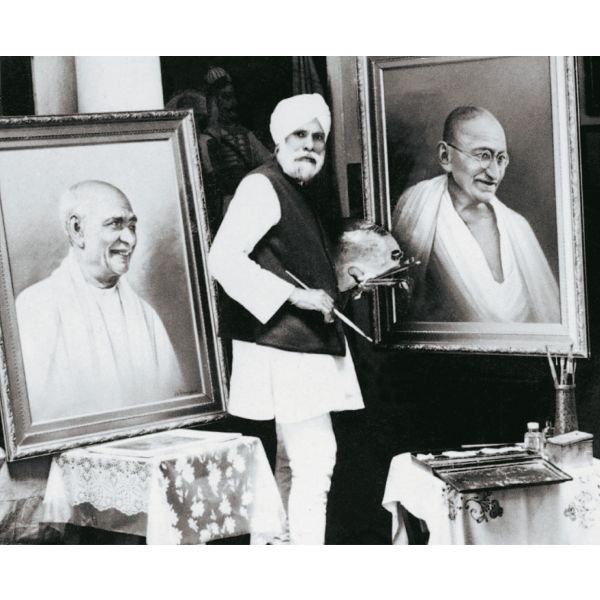 ArtistsS. G. Thakar Singh$0.00Born in 1899 in the village of Verka near Amritsar, S. G. Thakar Singh showed early aptitude for the arts by drawing on the walls of his home with coal. With no formal training, he went on to excel in the academic style of painting, rendering stunning landscapes, portraits and still-lifes. He apprenticed under local artist Mohd. Alam and moved with him to Bombay when the latter found a job as a stage artist with a theatre company. Learn More
 -
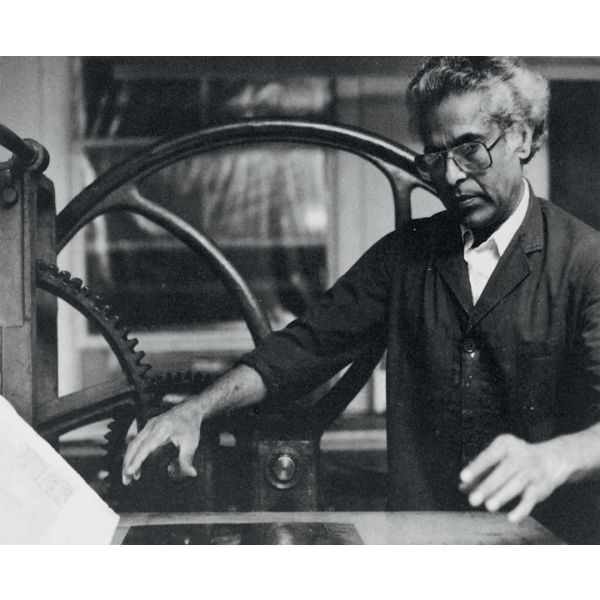 ArtistsKrishna Reddy$0.00Born in Chittoor, Andhra Pradesh, on 15 July 1925, Krishna Reddy is best remembered for pioneering the simultaneous colour printing technique, or the colour viscosity process, along with S. W. Hayter, in Paris. His journey to that seminal moment in Paris was preceded by a stint at Santiniketan, studying under Nandalal Bose (1942-47), and then, as head of the art section at Kalakshetra, Madras (1947-50). Learn More
 -
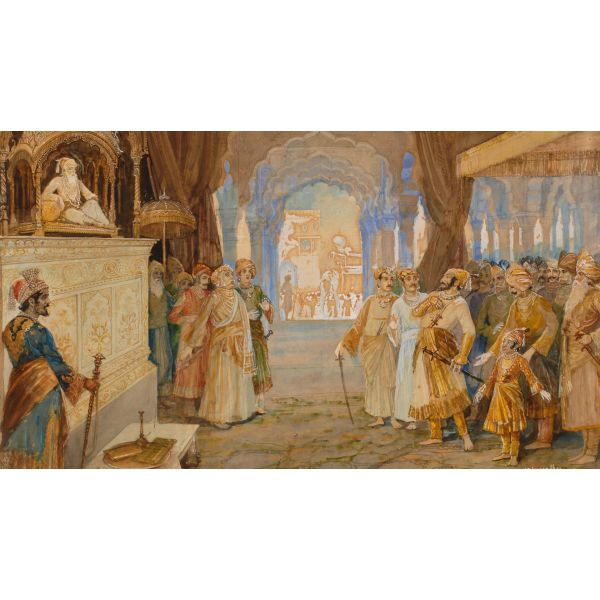 Institutional CollaborationsM. V. DHURANDHAR: A RETROSPECTIVE$1.00
Few artists claim as rich and intriguing a legacy as M. V. Dhurandhar in the landscape of late 19th and early 20th century Indian art. His practice leaves us with challenging questions about encounters and exchanges with India's colonial past and the influence of Europeans in shaping the evolution of painting. This exhibition revisits Dhurandhar's vast oeuvre through DAG's extensive collection of his paintings, archival material and ephemera, in an attempt to understand the socio-cultural context of his emergence, and to re-examine his influence on institutional and commercial art in the country.
Learn More -
-
 ExhibitionsBIRDS OF INDIAAs low as $1.00
Works of art made by Indian artists for Western patrons in the early colonial period are what we now call Company Painting. The artists, who might otherwise have worked for an Indian court, sought new markets among those employed in various capacities by the European trading companies, and especially the British East India Company. Some patrons supplied the artists with new materials such as European-made paper and transparent watercolour pigments, and expressed preferences regarding subject matter, leading to new departures in both style and substance in Indian art. One of the most delightful genres of Company Painting was natural history: images of India’s plants, animals, and birds. Company Painting Company Paintings British Era
Learn More -