


Search results for: 'cleaning up s14 engine bay what i don't need'
-
 Art FairsIndia Art Fair$0.00
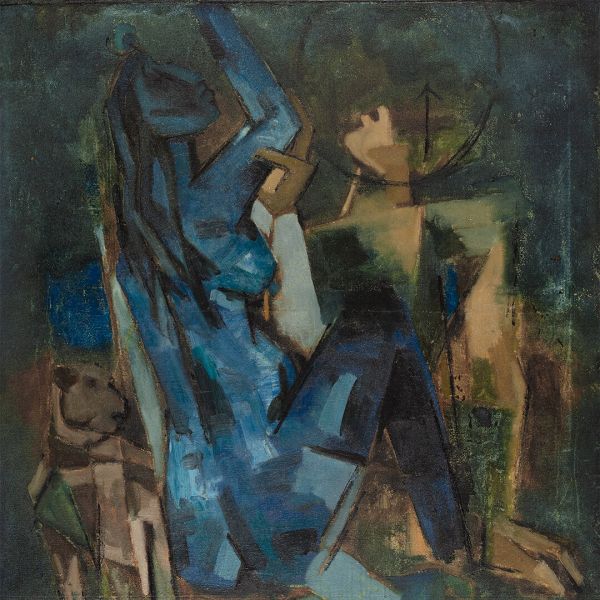
The DAG booth at the India Art Fair has gained iconic status for its selection and display of the finest works of Indian modern art. Over past editions, DAG had introduced pre-modern masters at its booth, and in 2022, it presented exemplary works by eighteenth and nineteenth century Indian and European artists at the fair. This was in addition to high quality works by the twentieth century masters.
Learn More -
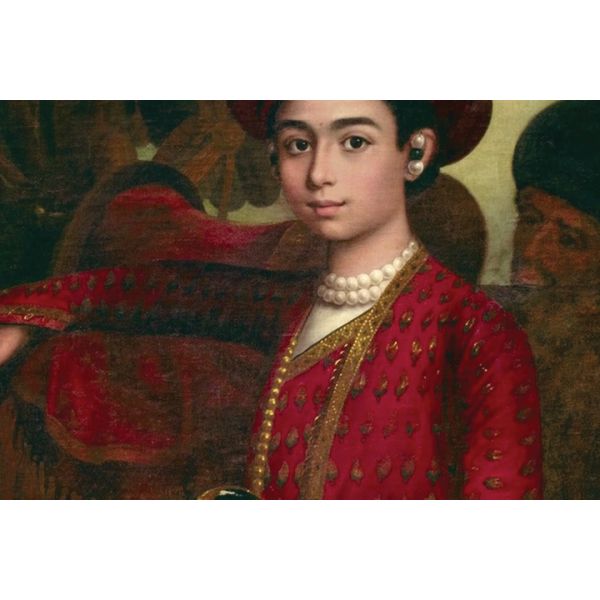 JournalPortraits$0.00With ‘Indian Portraits: The Face of a People’, DAG uncovers the layers that have gone into the practice of portraiture in the country—a survey exhibition spanning two centuries of the genre in India. From British and Indian royalty to streetside portraiture, this is a quick overview of an India past and present. Learn More
 -
 Institutional CollaborationsGhare Baire: The World, the Home and Beyond 18th – 20th Century Art in Bengal$1.00
Ghare Baire was a museum-exhibition showcasing over 200 years of art in Bengal. Presented by DAG in collaboration with the National Gallery of Modern Art and the Archaeological Survey of India, the exhibition was housed at the historic Currency Building, across twelve galleries featuring over 700 artworks. The exhibition was the largest showcase of Bengal Art, presenting a panoramic view of the evolution of art in a region that has been critical to the development of Indian modern art. The exhibition starts with the arrival of the travelling European artists at a time of exchange between Bengal and the world. This confluence of cultures stimulated new visual languages as we see in the Kalighat pat, the Bengal School, and the subsequent emergence of artists who fearlessly and freely experimented with form and subject, reshaping the trajectory of art in India.
Learn More -
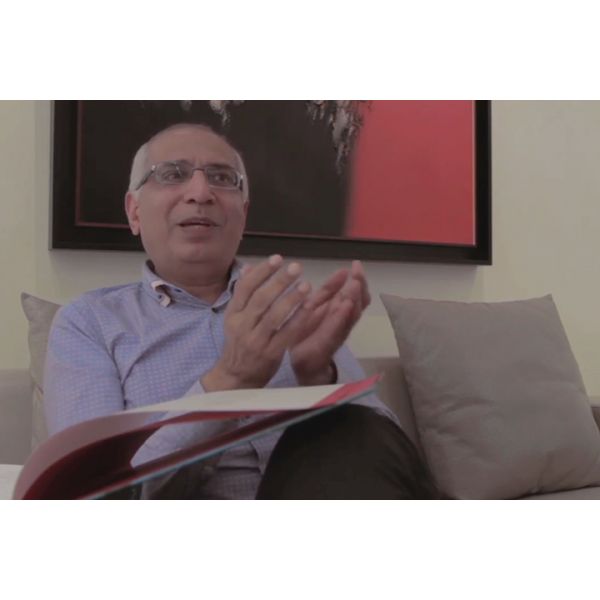 JournalMemory and Identity - Indian Artists Abroad$0.00What do you make of a work of art? What was the artist attempting to communicate? These video shorts offer brief overviews on artists and their work in the way of expert opinions by scholars, curators art writers—and by the artists themselves. Learn More
 -
 ExhibitionsSoliloquies of SolitudeAs low as $1.00
The mid-twentieth century saw a churn in the practice of art in India with a number of artists beginning to explore a genre that had swept the West with its absence of figuration in favour of abstraction. The non-representational began to gain traction as artists found within it a way to express themselves purely through colour as a potent tool to communicate emotions. Abstraction emphasised the relationship between originality and expression in ways that were complex, leading one to debate about the eventual goal of art. Ambadas, Krishna Reddy, Sohan Qadri, Zarina Hashmi, Rajendra Dhawan
Learn More -
 Institutional CollaborationsThe Printed Picture: Four Centuries of Indian Print-Making$1.00
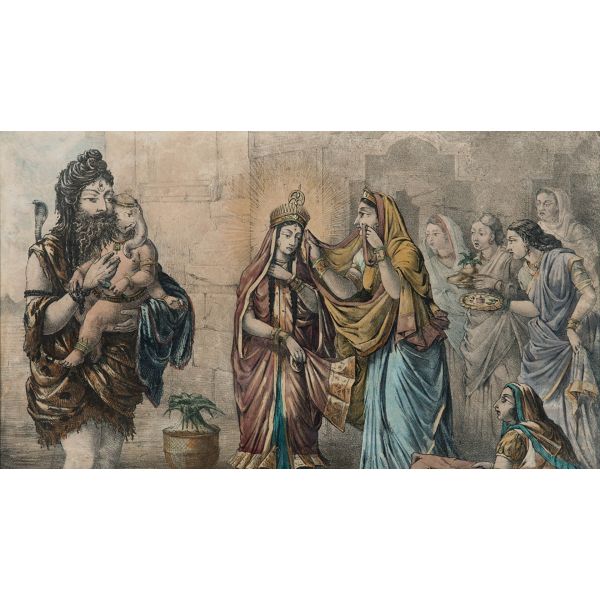
As printing technologies improved around the turn of the 18th century, a large number of cheaply reproduced printed pictures—illustrated books, almanacs and mythological images—became available to the common people. This became an important vehicle of social change because people could own, produce and disseminate images of all kinds—from their beloved deities and favourite fictional characters to political cartoons critiquing colonial authorities. Printmaking was equally treasured by artists for its aesthetic potential, as techniques like lithography, etching, metal engraving, viscosity, gave practitioners infinite opportunities for creative exploration. This landmark exhibition gives us a comprehensive overview of the history of the printed picture in India.
Learn More -
 Institutional CollaborationsBirds of India: Company Paintings c. 1800 to 1835$1.00
In celebration of birds and the long relationship art has shared with the winged creatures, this exhibition brings together four folios to present portraits of Indian birds made in the early nineteenth century. While representations of birds date back to the Ajanta murals, naturalistic imagery reached its peak in Mughal art under Emperor Jahangir. In the late 18th century two connected developments emerged in Lucknow and Calcutta. While General Claude Martin provided imported European paper to the artists in Lucknow to prepare botanical studies and other natural history works, in Calcutta Mary, Lady Impey (wife of Chief Justice of the Supreme Court in Bengal, Elijah Impey) had a menagerie where she employed artists to portray variety of animals and birds. Dr. William Roxburgh, superintendent of Calcutta Botanical Garden from 1793, also added to the discourse of natural history by appointing local artists to make botanical studies of the specimens in his charge. The efforts of Martin, Impey, Roxburgh and their artists gave rise to a large body of Company Paintings dedicated to natural history.
Learn More -
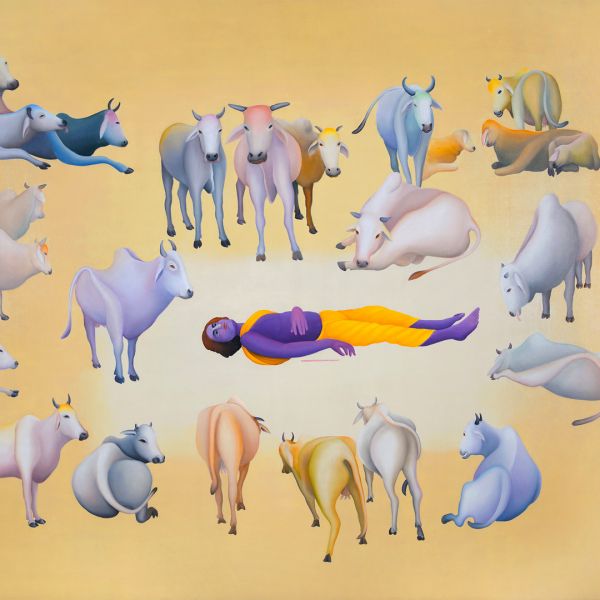 Art FairsIndia Art Fair$0.00
DAG’s emphasis for the 2019 edition of India Art Fair was a rarity—a selection of works of the kind visitors had not before seen. These included a glass mural by Avinash Chandra, a medium the artist loved but which had never before been shown in India; a large mural by Mrinalini Mukherjee; an artist’s chair by Prabhakar Barwe; evocative works by Hemendranath Mazumdar, Manjit Bawa, and Tyeb Mehta; powerful paintings by F. N. Souza, M. F. Husain, Rabin Mondal, and Krishen Khanna; exemplary abstract paintings by Ram Kumar, Shanti Dave, Sohan Qadri, J. Swaminathan, and G. R. Santosh; and other equally powerful artworks including a double-sided sculpture by Meera Mukherjee.
Avinash Chandra F N Souza G R Santosh Hemendranath Majumdar J Swaminathan Krishen Khanna M F Husain Madhvi Parekh Manjit Bawa Meera Mukherjee Mrinalini Mukherjee Paritosh Sen Prabhakar Barwe Rabin Mondal Ram Kumar S H Raza S K Bakre Shanti Dave Sohan Qadri Tyeb Mehta
Learn More -
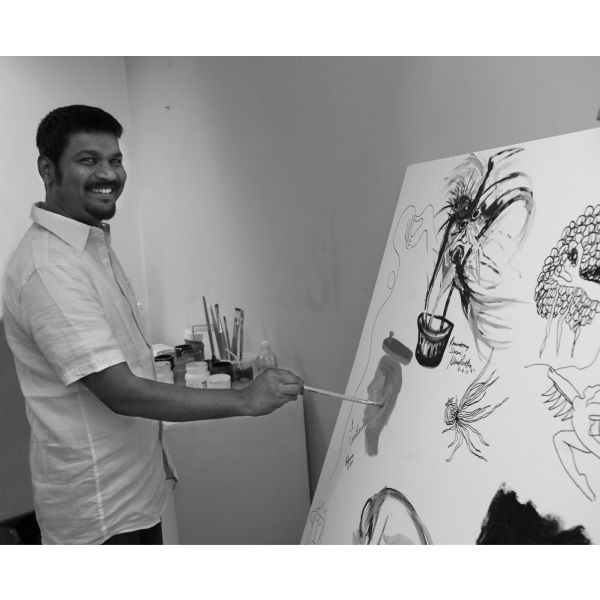 ArtistsG. R. Iranna$0.00Born in Sindgi, Karnataka, Iranna G. Rukumpur, popularly known as G. R. Iranna, grew up on his father’s farm, worked in the fields, and studied in Sarang Math (a traditional village school or an ashram) where he discovered his early interest in drawing and painting. As a child, freshly laid-out roads were Iranna’s earliest canvases on which he drew images of Hanuman, the monkey-god, with chalk. Learn More
 -
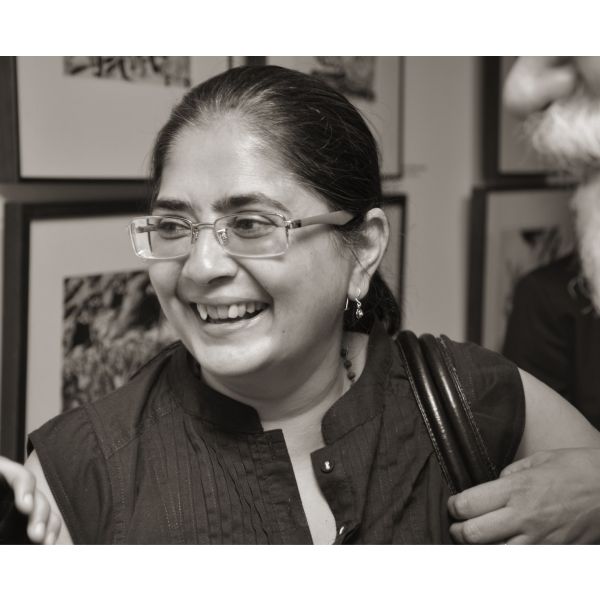 ArtistsVasundhara Tewari Broota$0.00In Vasundhara Tewari Broota’s practice, the woman is celebrated as a strong force, a ‘subject’ to be understood at a deeper level. Broota studied English literature from Delhi University, did a year of law studies, and pursued art studies from Triveni Kala Sangam, New Delhi. From using palette knives, rollers, even silver leaf, Broota’s techniques have emerged from an intense creative struggle that she has experienced as an artist. Learn More
 -
-
 Art FairsArt Stage Singapore$0.00
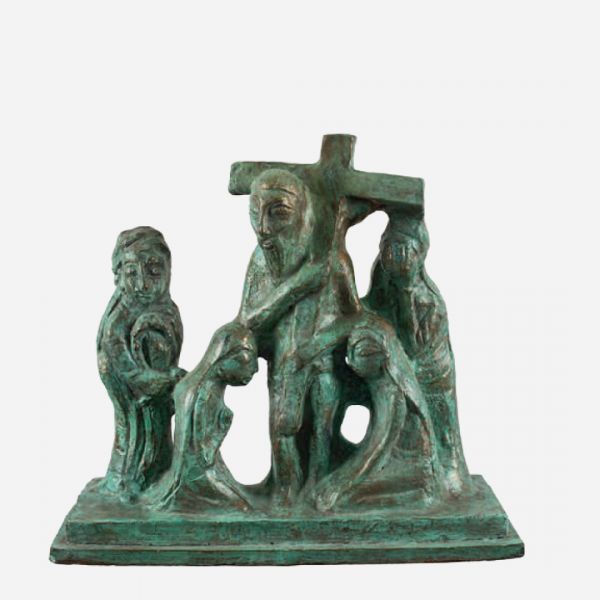
Given Singapore’s sizeable Indian population and its position as a leading financial centre, DAG’s debut at Art Stage Singapore was an obvious corollary. Indian artists are avidly collected in this city-state but DAG’s attempt, as always, was to introduce the masters to visitors at the fair. While keeping in mind the best modernists, it also curated a selection most likely to appeal to Eastern sensibilities—thereby displaying its range and the diversity of Indian art. Akbar Padamsee Ambadas Avinash Chandra B. Prabha Bikash Bhattacharjee Dhanraj Bhagat F. N. Souza G. R. Santosh Gogi Saroj Pal Himmat Shah J. Sultan Ali Jeram Patel K. H. Ara K. K. Hebbar Laxman Pai M. F. Husain N. S. Bendre P. T. Reddy Paramjit Singh Prokash Karmakar Rabin Mondal Ram Kumar S. Dhanapal S. H. Raza Sakti Burman Sohan Qadri Sunil Das
Learn More