Search results for: 'she lives in a society'
-
 ExhibitionsThe Babu and the BazaarAs low as $1.00
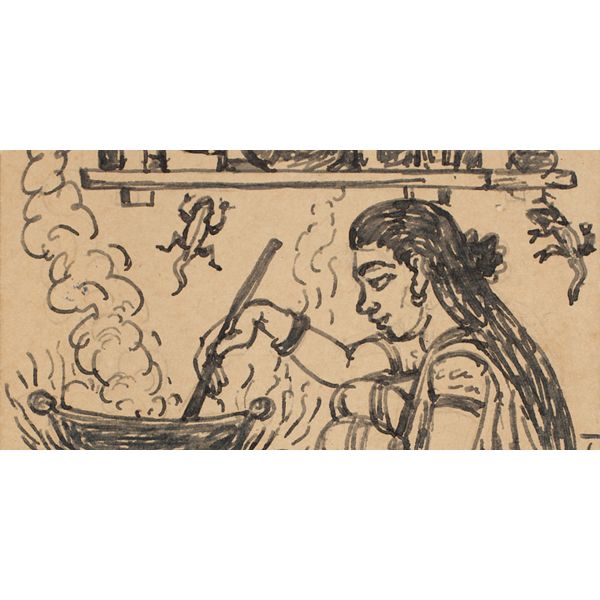
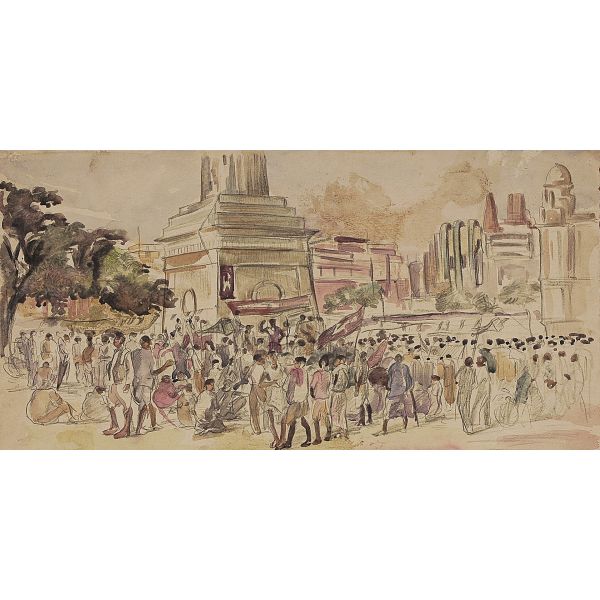
Calcutta, flourishing with commerce and maritime trade during the nineteenth century, was regarded as the ‘second city’ of the British Empire. People thronged there in large numbers to make a livelihood, or in holy pilgrimage, seeking blessings at the Kali temple at Kalighat that had been re-built in 1809. Annada Prasad Bagchi Bamapada Banerjee B. C. Law C. W. Lawrie Kshetradas Chitrakar Panchanan Karmakar Madhav Chandra Das Ramadhan Swarnakar Ganganarayan Ghosh Nritya Lal Datta Press Kristohurry Das Chorebagan Art Studio Kansaripara Art Studio Calcutta Jubilee Art Studio Bat-tala
Learn More -
 JournalRemembering Ambadas with art critic Prayag Shukla$0.00
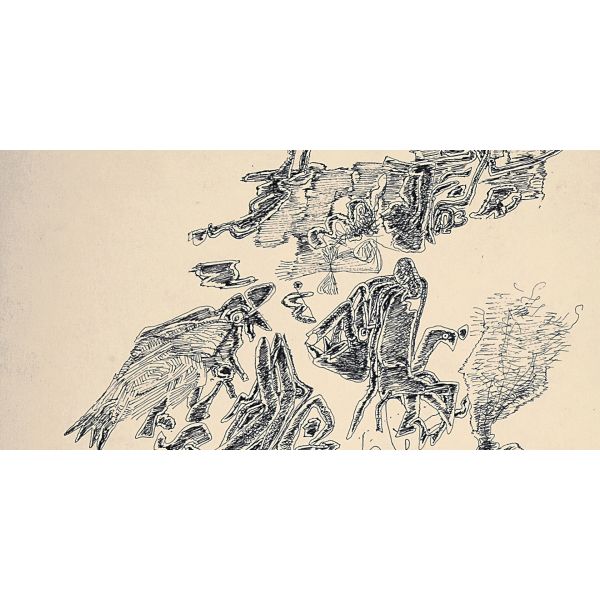
A well-known poet and essayist, Prayag Shukla is also one the foremost writers on art in Hindi. He has authored monographs on artists like J. Swaminathan, M. F. Husain and Ambadas, expanding upon these artists’ relationships with local institutions and contexts of art-making in India since the 1960s.
Learn More -
 ExhibitionsContinuumAs low as $1.00
Most shows at DAG take time to develop because of the quality of research and scholarship they require to mount, but even by our own exacting standards, Continuum has taken longer than most. This, a retrospective in a sense of the six artists who formed the Progressive Artists’ Group, is seminal because it is for the first time since 1950 that the six artists forming the core group have been brought together in an exhibition of their works. The Progressives have become the rallying point for the modern movement in Indian art, and are considered among the most important artists of the last and current century. Of these, M. F. Husain, F. N. Souza and S. H. Raza dominate the market. Alongside, works by their contemporaries K. H. Ara, H. A. Gade and S. K. Bakre, who have largely been seen to have underperformed in comparison, will help re-draw such distinctions and place them on the same platform as their better-known peers. It will re-define their historical importance and gain them the recognition that is their due. Maqbool Fida Husain M.F.Husain Hari Ambadas Gade Syed Haider Raza Krishnaji Howlaji Ara Sadanandji k. Bakre Francis Newton Souza
Learn More -
 JournalRadical as a way of Being: Inaugural Contemporary Fellow Nalini Malani at London's National Gallery$0.00
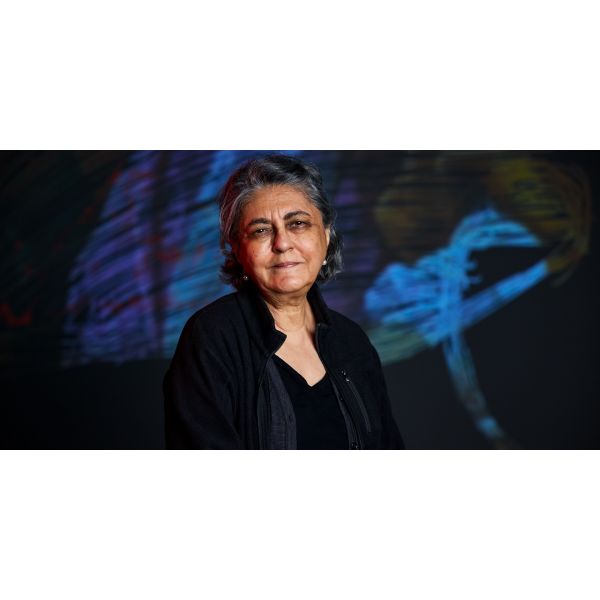
What is the role of collectors and collections or archives in the world of art today? Does it simply allude to practices of producing a consumable past today or does it also aspire to question the ways in which history has been shaped by powerful interventions in the form of artworks, performances and installations? In this series of conversations, we wanted to explore the idea of collecting recent or contemporary art—and how it inevitably takes us back to the moderns who influenced such practices heavily.
Learn More -
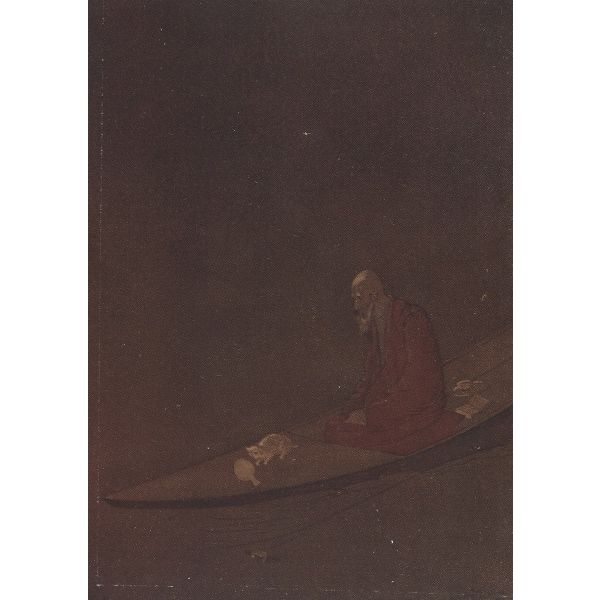 Collection Stories150 years of Abanindranath Tagore$1.00
At the turn of the twentieth century, Abanindranath Tagore asked himself if the emerging artists of modern India should continue to paint in the manner of their European colonizers; or was there a new path waiting to be forged? His answers led him to envision a pan-Asian cultural identity, spanning traditions from Persia to Japan, and culminating in a ‘new “Indian” art.’ Regarded as the founder of the Bengal School, Abanindranath left an unparalleled legacy both in terms of his own diverse body of work, and through his pupils, like Nandalal Bose, who shaped the contours of art across the subcontinent in the twentieth century.
Learn More -
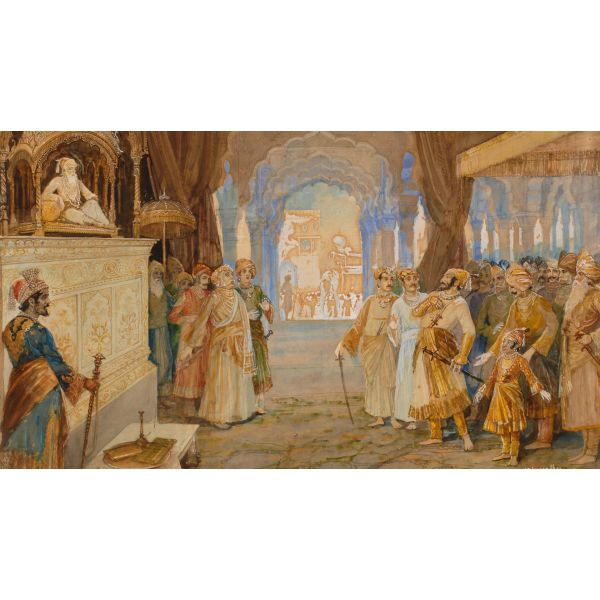 Institutional CollaborationsM. V. DHURANDHAR: A RETROSPECTIVE$1.00
Few artists claim as rich and intriguing a legacy as M. V. Dhurandhar in the landscape of late 19th and early 20th century Indian art. His practice leaves us with challenging questions about encounters and exchanges with India's colonial past and the influence of Europeans in shaping the evolution of painting. This exhibition revisits Dhurandhar's vast oeuvre through DAG's extensive collection of his paintings, archival material and ephemera, in an attempt to understand the socio-cultural context of his emergence, and to re-examine his influence on institutional and commercial art in the country.
Learn More -
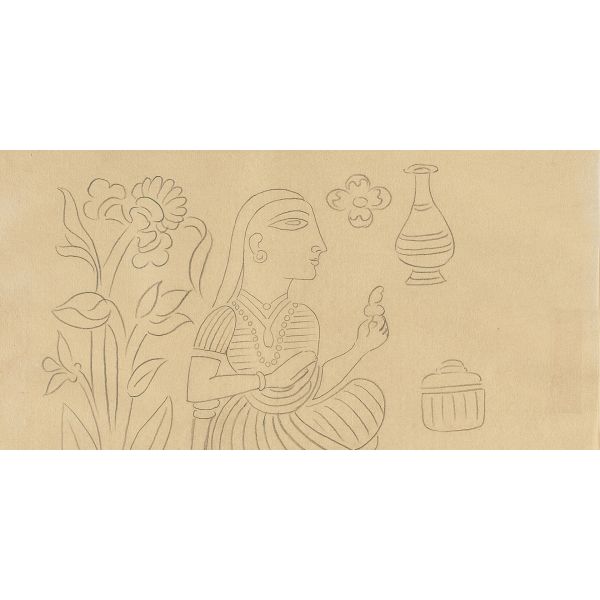 JournalSketching a Temple: Nandalal Bose’s Konark album$0.00
One of India’s nine national treasure artists, Nandalal Bose (1882—1966) forged a long and glittering career as the foremost artist-pedagogue bridging the late-colonial period and the first few decades after Indian independence. He maintained an active drawing practice throughout his life, with many small sketches done on postcards that he carried around with him as a sort of visual notebook.
Learn More -
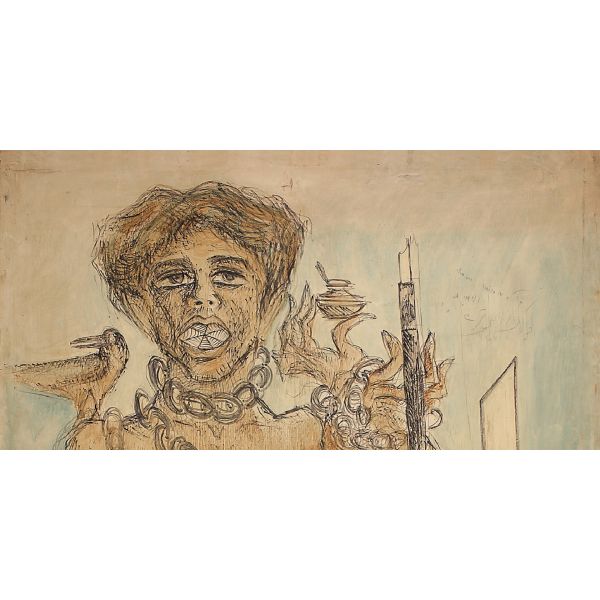 JournalDebating secularism in South Asian Art with Tapati Guha-Thakurta$0.00
This collection of essays, co-edited by eminent scholars of art history, Tapati Guha-Thakurta and Vazira Zamindar, navigate the fraught religio-political contexts of South Asia to bring into relief the fragility and amorphous nature of a contested term like the ‘secular’.
Learn More -
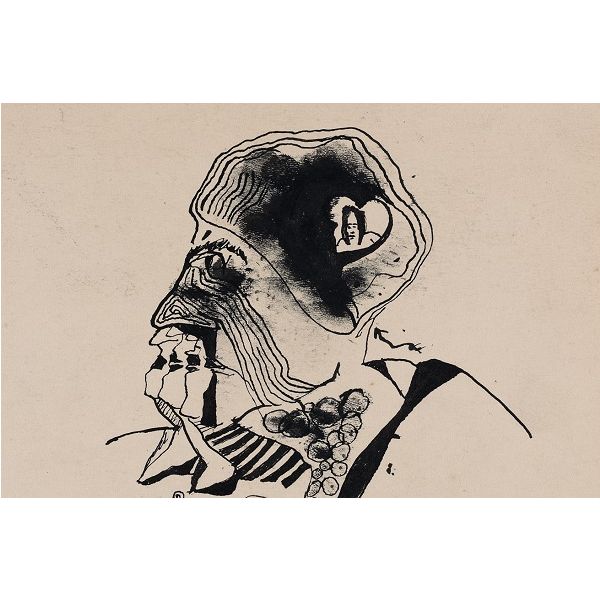 JournalDrawing in the margins: Altaf's sketches and diaries$0.00
Drawing from the Greek word skhedios, meaning ‘to extemporize’, the sketch presents an interiorized, psychological landscape against classical painting’s heroic, externalized construction of the painted tableau. For many artists, sketching and drawing suggest initial explorations for capturing moods, relations and subjectivities that can be expanded through later applications of paint and texture.
Learn More -
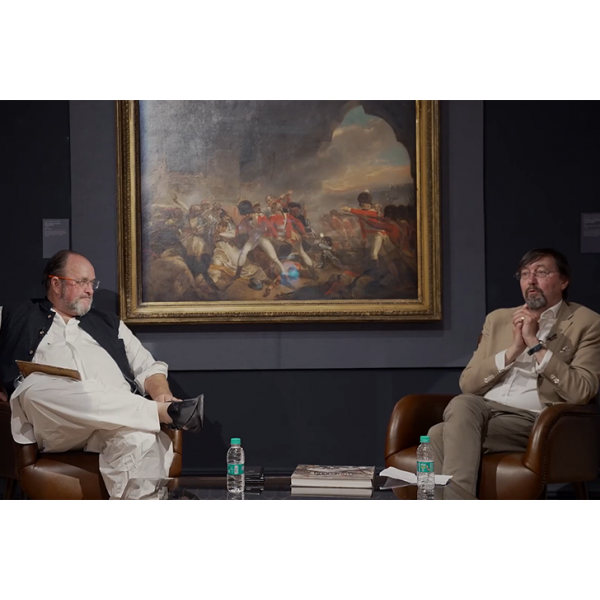 JournalWilliam Dalrymple and Giles Tillotson$0.00
Tipu Sultan’s historical legacy has led to several conversations, among which its visual inheritance has provided room for debate on its particularly skewed European view. Catch our guest speaker William Dalrymple’s reflections on this subject.
Learn More