Search results for: '6.1(CVSS:3.0/AV:N/AC:L/PR:N/UI:R/S:C/C:L/I:L/A:N)'
-
-
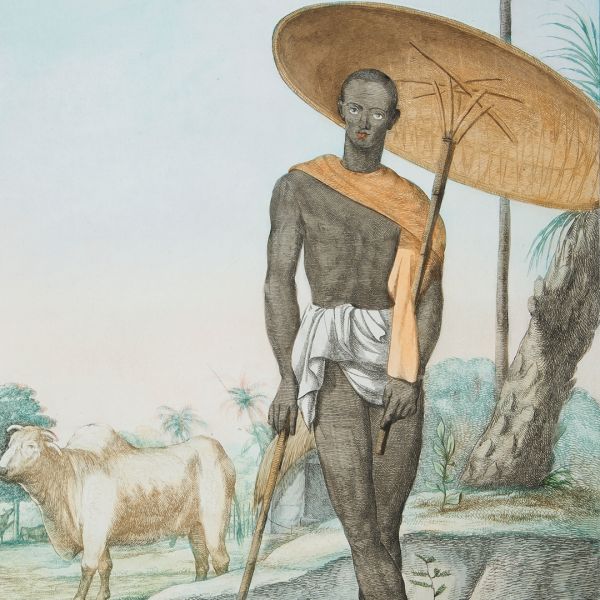 ExhibitionsThe HindusAs low as $1.00
Among all attempts by foreign artists to present a complete view of India, none is so focused on people as the work of François Baltazard Solvyns, who lived in Calcutta for a decade starting in 1791. While picking up odd jobs, he embarked on an ambitious project to produce a comprehensive survey of ‘the manners, customs, and dresses, of the Hindus’. The first edition contained 250 hand-coloured etchings and was published by Solvyns between 1796 and 1799.
Learn More -
-
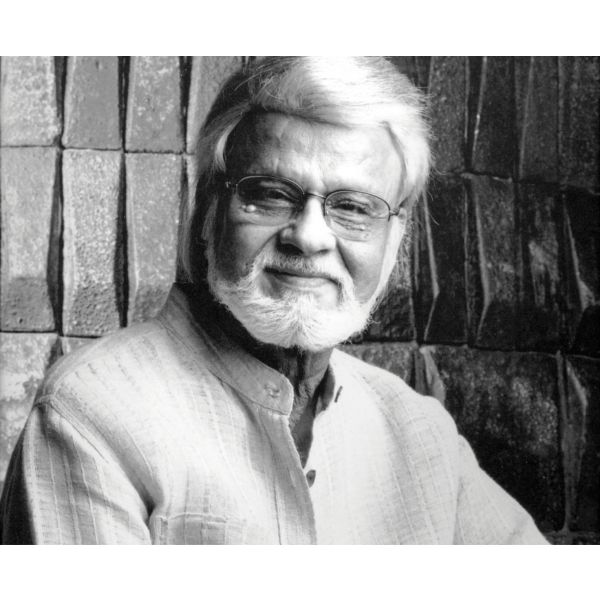 ArtistsSatish Gujral$0.00Renowned for his versatility as painter, sculptor, muralist, and architect, Satish Gujral was born in Jhelum in pre-Partition Punjab on 25 December 1925. His parents nurtured his inclination towards the creative arts while he was recovering from an accident as a child that cost him his hearing and speech. He trained at Mayo School of Art, Lahore, and briefly at Sir J. J. School of Art, Bombay. He also came in contact with the Progressive Artists’ Group but parted ways to chart his own course in search of an Indian modernism. Learn More
 -
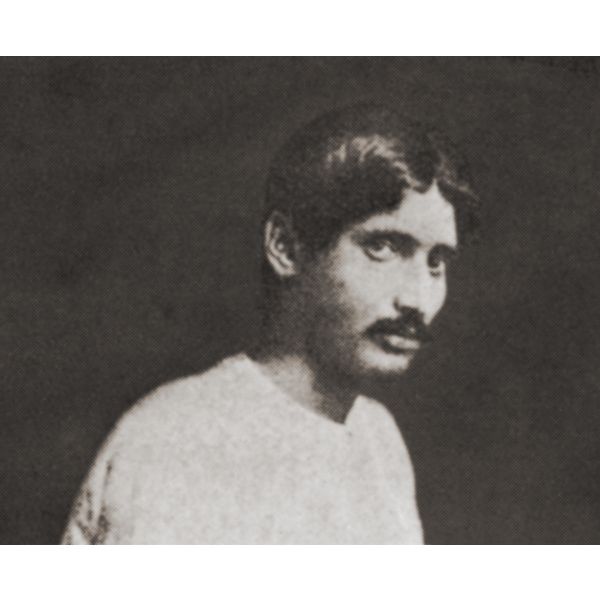 ArtistsHemen Mazumdar$0.00A notable artist of the rebel Jubilee Art School that trained students in the British academic style, breaking away from Abanindranath Tagore’s Orientalist emphasis, Hemendranath Mazumdar enjoyed great artistic success for his academic paintings of sensuous women and portraits of maharajas done in European realist style. Learn More
 -
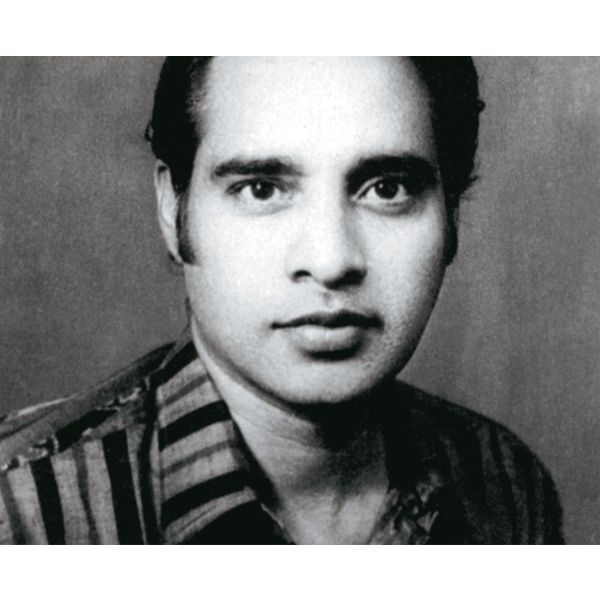 ArtistsM. Reddeppa Naidu$0.00Born in a village in the East Godavari district of Andhra Pradesh, Reddeppa Naidu acquired his formal education in Kakinada and later studied at the Government College of Art and Craft, Madras, where he was mentored by K. C. S. Paniker. He held his first exhibition in Madras in 1958. Learn More
 -
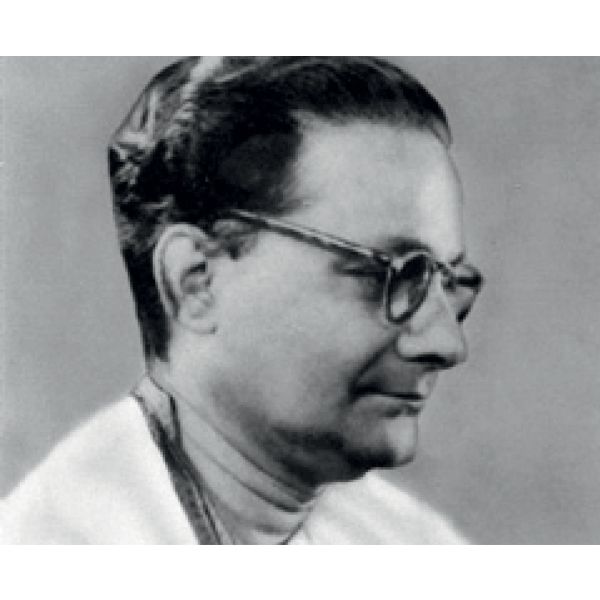 ArtistsRadha Charan Bagchi$0.00Born in 1910 in Pabna, in present-day Bangladesh, Radha Charan Bagchi graduated from College of Arts and Crafts, Calcutta, in traditional Indian art, oil painting, and Western academism. Abanindranath Tagore, Mukul Dey and other Bengal masters were major influences but Bagchi evolved his own artistic style. In 1951, he joined Kala Bhavana, Santiniketan, as teacher, officiating twice as its principal in subsequent years. Learn More
 -
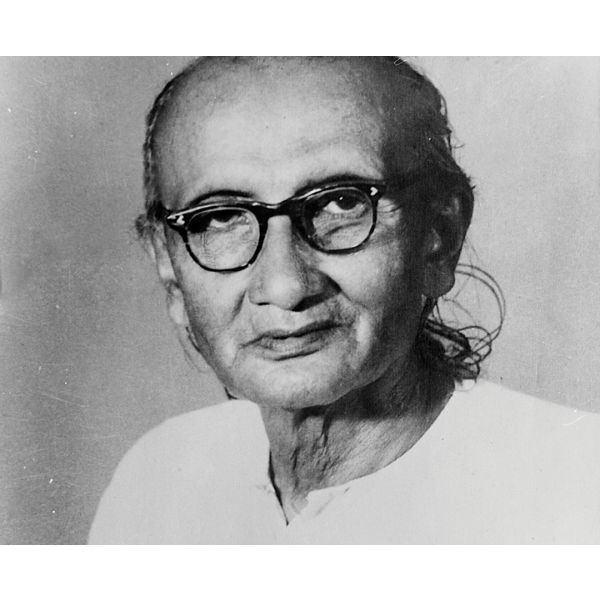 ArtistsKshitindranath Majumdar$0.00Kshitindranath Majumdar, born on July 31, 1891, in Jagtai village of Murshidabad in West Bengal, is often referred to as a saint-artist who considered art as a form of devotion. Strongly influenced by Vaishnavism as propounded by the fifteenth century saint, Chaitanya Mahaprabhu, Majumdar trained in hymn singing, interpreted legends from Indian epics, and acted in productions of the theatre group owned by his father. Learn More
 -
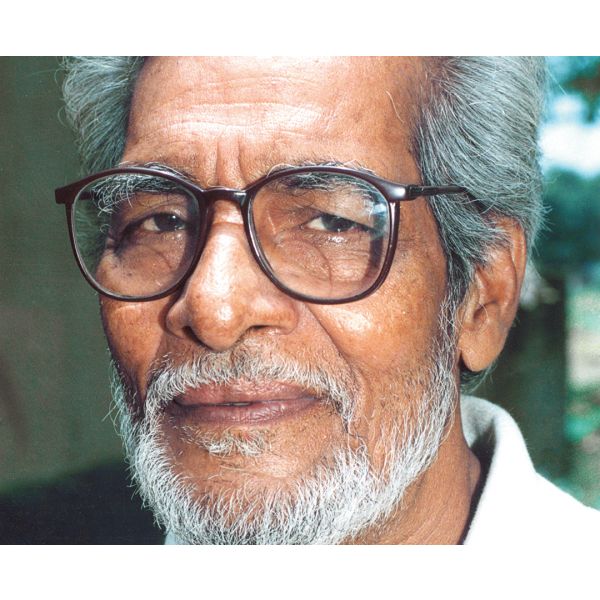 ArtistsBijan Chowdhury$0.00Born in Faridpur in present-day Bangladesh, Bijan Chowdhury moved to Calcutta to study at the Government School of Art, but due to his leftist activities, was expelled. He then went to the Government Institute of Arts, Dacca, headed by his erstwhile teacher, Zainul Abedin, from where he graduated in 1953. Learn More
 -
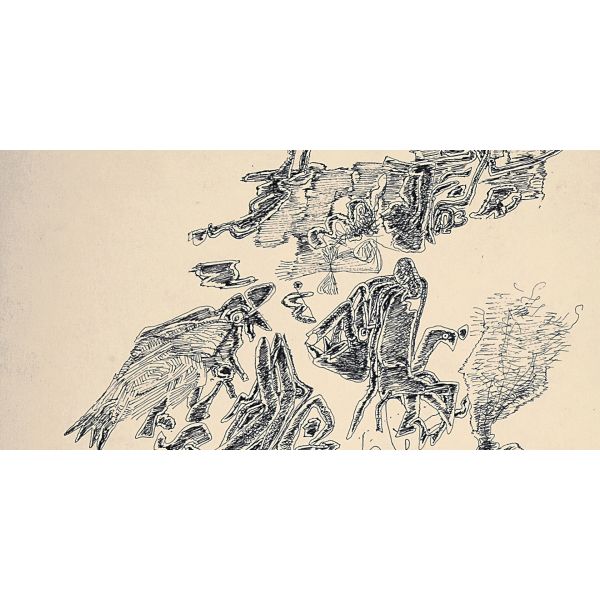 JournalRemembering Ambadas with art critic Prayag Shukla$0.00
A well-known poet and essayist, Prayag Shukla is also one the foremost writers on art in Hindi. He has authored monographs on artists like J. Swaminathan, M. F. Husain and Ambadas, expanding upon these artists’ relationships with local institutions and contexts of art-making in India since the 1960s.
Learn More -
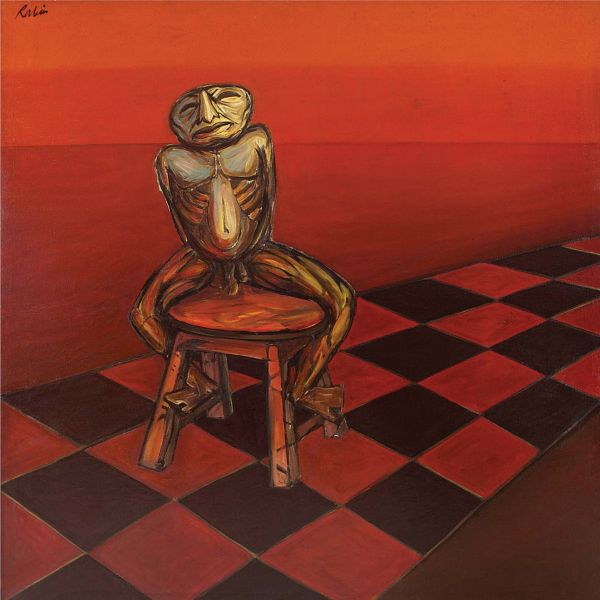 ExhibitionsRabin Mondal: Kingdom of ExileAs low as $1.00
Rabin Mondal is like a striding colossus of our times, scorching up the firmament with images that reflect societal malaise and his own inner turmoil. His determination to paint in a market-unfriendly manner is characteristic of his resolve. His canvases provide no safety net for the unwary viewer. Here is a confident artist aware of his self and his role with no fig leaf to offer those seeking beauty in art—not that his work is unbeautiful.
Learn More