Search results for: 'amira albahab 100 9 8 7 6 5 4 3 2 1 me'
-
 Institutional CollaborationsDRISHYAKALA$1.00
How did the multiple trajectories of visual arts develop in the subcontinent? Where did they originate and how did their paths converge? Drishyakala offers a sweeping journey into the heterogenous histories of visual arts in India, from the first European travelling artists who drew landscapes to popular prints of the earliest woodcuts and lithographs evolving into the thriving advertising visuals of the 20th century. The exhibition is broadly divided into four categories, each exploring an unique area of development—the art of portraiture through photography and painting, oriental sceneries drawn by European travelling artists, popular prints from the late eighteenth century to post-independence and artworks of the nine National Treasure Artists. Together, these sections give brief glimpses into the dizzying variety of forms, styles and languages of South Asian art.
Learn More -
 Art FairsIndia Art Fair$0.00
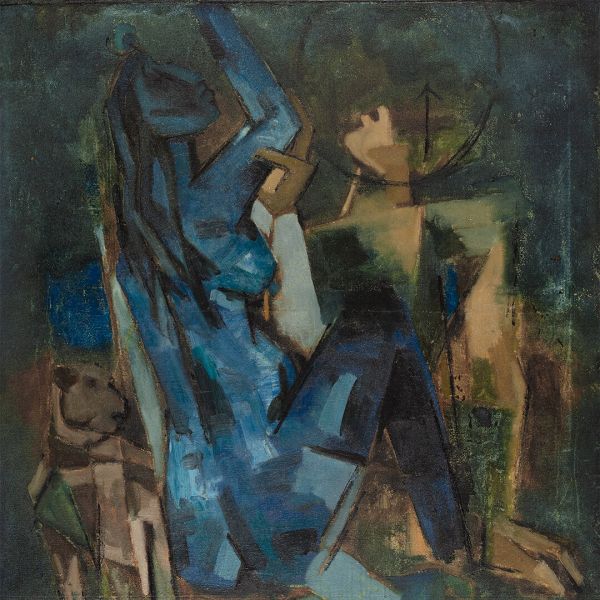
The DAG booth at the India Art Fair has gained iconic status for its selection and display of the finest works of Indian modern art. Over past editions, DAG had introduced pre-modern masters at its booth, and in 2022, it presented exemplary works by eighteenth and nineteenth century Indian and European artists at the fair. This was in addition to high quality works by the twentieth century masters.
Learn More -
-
-
 ExhibitionsShanti Dave: Neither Earth, Nor SkyAs low as $1.00
For Shanti Dave, creativity is a consistent and persistent exploration of the word or akshara—a term defined in the Natyashastra as a stroke in musical notes—which he perceives as the source of all creation. Dave’s abstract iconography, beginning in the early 1950s, adapted to modernism, aesthetic continuity and transcultural exchange. He altered, rejected and improvised the archaic image into a resonant form resembling an ancient script.
Learn More -
 ExhibitionsThe Babu and the BazaarAs low as $1.00
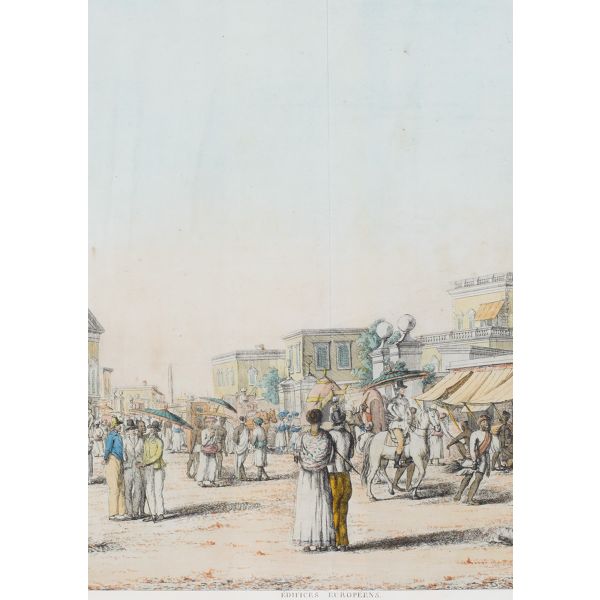
Calcutta, flourishing with commerce and maritime trade during the nineteenth century, was regarded as the ‘second city’ of the British Empire. People thronged there in large numbers to make a livelihood, or in holy pilgrimage, seeking blessings at the Kali temple at Kalighat that had been re-built in 1809. Annada Prasad Bagchi Bamapada Banerjee B. C. Law C. W. Lawrie Kshetradas Chitrakar Panchanan Karmakar Madhav Chandra Das Ramadhan Swarnakar Ganganarayan Ghosh Nritya Lal Datta Press Kristohurry Das Chorebagan Art Studio Kansaripara Art Studio Calcutta Jubilee Art Studio Bat-tala
Learn More -
 ExhibitionsPrimitivism and Modern Indian ArtAs low as $1.00
The idea of primitivism centres on the wish to identify with, or respond to, elements of a society that are deemed ‘primitive’. In artistic terms, it is about rejecting realism, simplifying technique and reducing the formal means of expression to a ‘primitive’ state. The term itself is borrowed from discussions of Western art, where high-profile examples include the images of Tahiti and its people made in the 1890s by Paul Gauguin, and responses to African sculpture by Pablo Picasso in 1906-09. The second thread of primitivism—the reduction of formal means—is best exemplified by the ‘cut-outs’ made by Henri Matisse in the 1940s.
Learn More -
 Events and ProgrammesKeyabat Meye$1.00
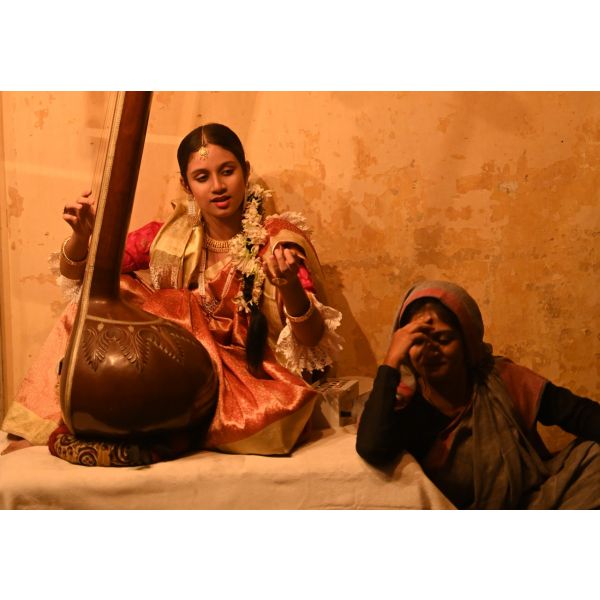
Feminist collective Samuho navigates the interplay between the interior and exterior lives of women at the cusp of nineteenth century reform movements through a performance-installation inspired by Shreepantha’s Keyabat Meye and the tradition of Prahasan.
Learn More -
 Events and ProgrammesKeyabat Meye$1.00
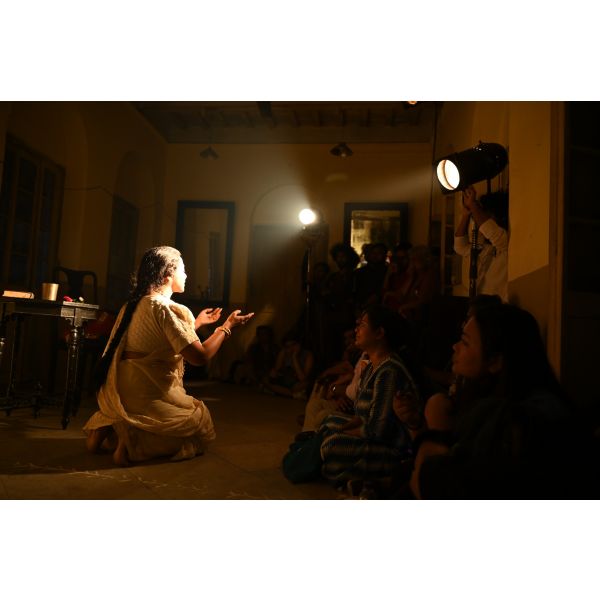
Feminist collective Samuho navigates the interplay between the interior and exterior lives of women at the cusp of nineteenth century reform movements through a performance-installation inspired by Shreepantha’s Keyabat Meye and the tradition of Prahasan.
Learn More -
 Events and ProgrammesKeyabat Meye$1.00
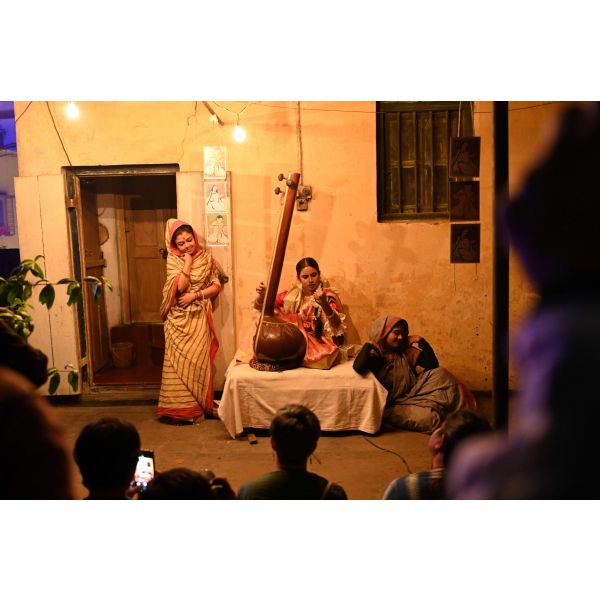
Feminist collective Samuho navigates the interplay between the interior and exterior lives of women at the cusp of nineteenth century reform movements through a performance-installation inspired by Shreepantha’s Keyabat Meye and the tradition of Prahasan.
Learn More -
 Events and ProgrammesKeyabat Meye$1.00
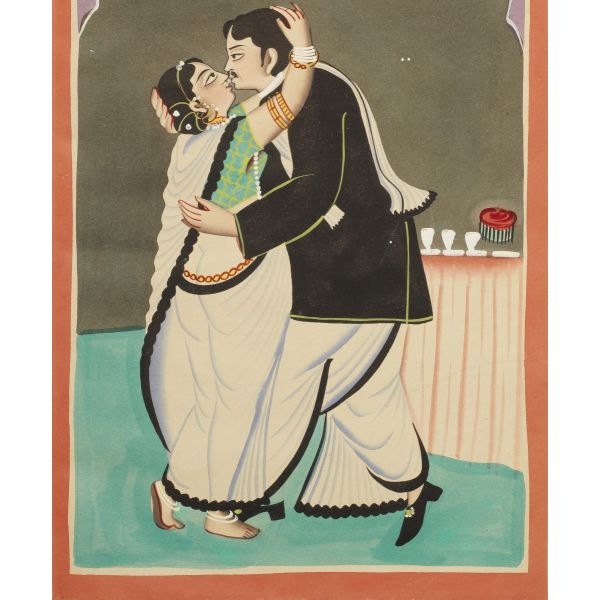
Queer-Feminist collective Samuho navigates the interplay between the interior and exterior lives of women at the cusp of nineteenth century reform movements through a performance-installation inspired by Shreepantha’s Keyabat Meye and the tradition of Prahasan.
Learn More