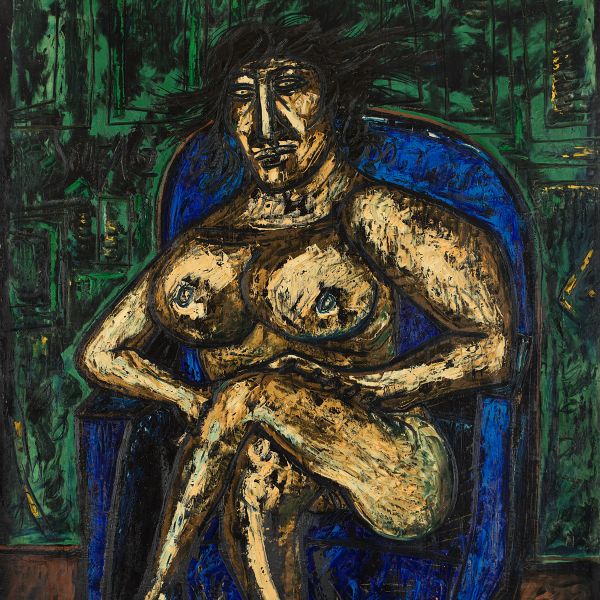
Search results for: 'Kalighat art sty'
-
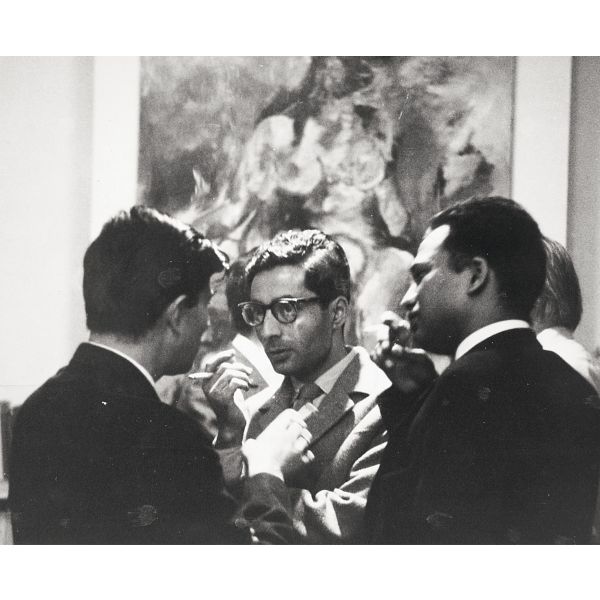 ArtistsRam Kumar$0.00Ram Kumar was born in Simla on 23 September 1924. Completing his master’s in economics from St. Stephen’s College, Delhi University, he attended evening classes at Sarada Ukil School of Art, where he learnt the ‘Western style’ of painting under Sailoz Mookherjea. Learn More
 -
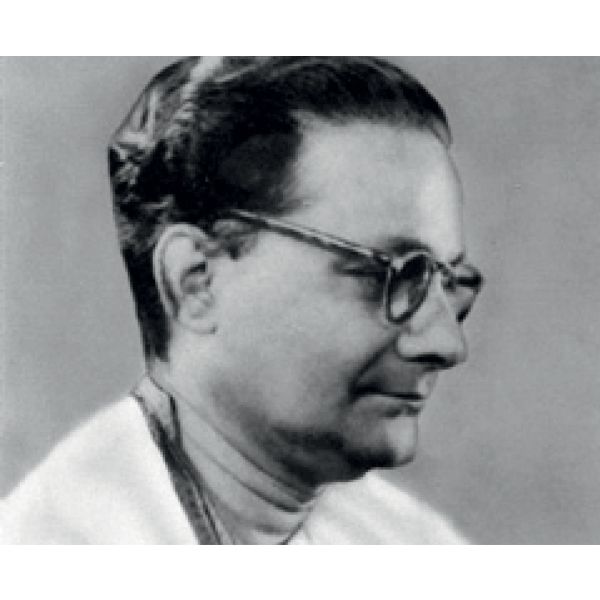 ArtistsRadha Charan Bagchi$0.00Born in 1910 in Pabna, in present-day Bangladesh, Radha Charan Bagchi graduated from College of Arts and Crafts, Calcutta, in traditional Indian art, oil painting, and Western academism. Abanindranath Tagore, Mukul Dey and other Bengal masters were major influences but Bagchi evolved his own artistic style. In 1951, he joined Kala Bhavana, Santiniketan, as teacher, officiating twice as its principal in subsequent years. Learn More
 -
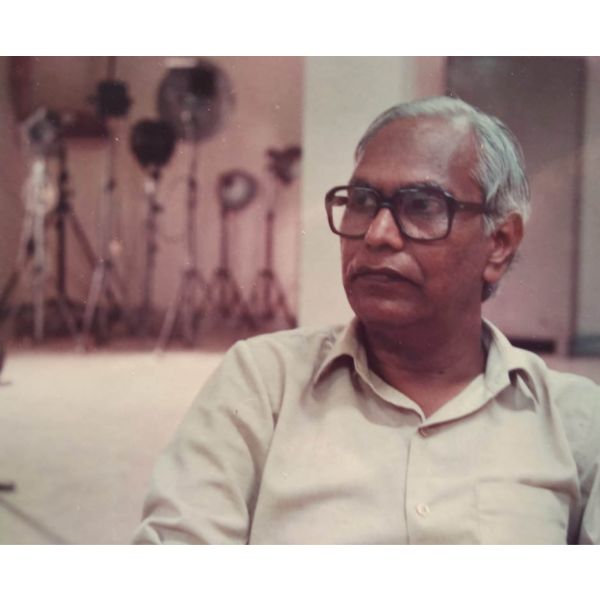 ArtistsMuni Singh$0.00Born in Shivpur Diyar in Ballia district of Uttar Pradesh, Muni Singh studied at College of Art, Lucknow. In 1963, he received formal training in fresco-making from Banasthali Vidyapith, Rajasthan. A contemporary of Badri Nath Arya, R. S. Bisht, and Sanat Chatterjee, Singh’s preferred medium was watercolour. He mastered the miniature style of painting—Mughal, Rajput, and Pahari—and translated it into his own idiom and technique. Learn More
 -
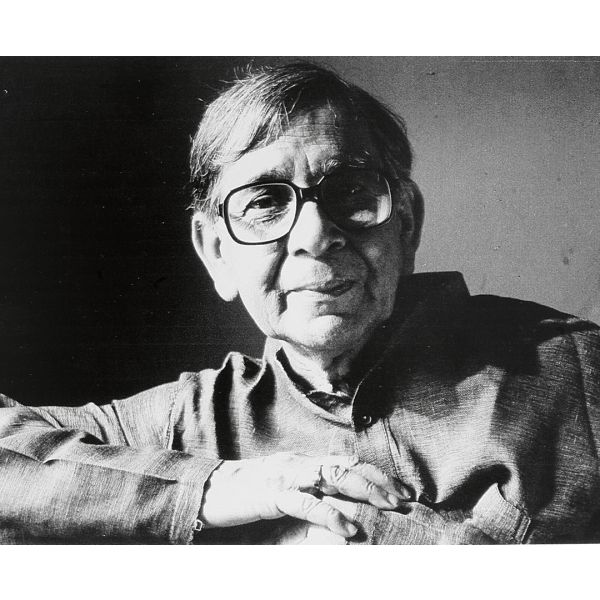 ArtistsGanesh Haloi$0.00Born in Jamalpur in present day Bangladesh on 9 February 1936, Ganesh Haloi migrated with his family to Calcutta upon Partition. From 1952-56, he studied at the city’s Government College of Arts and Crafts, where he acquired his personal style of sophisticated elegance and finish. Upon graduation, he joined the Archaeological Survey of India and was assigned the documentation of the cave paintings of Ajanta from 1957-63. Learn More
 -
 ExhibitionsIndian AbstractsAs low as $1.00
The term ‘abstract’ has been loosely used, more so in the Indian context, where we have only a vague notion of what it implies. Even the slightest distortion in art is popularly referred to as abstraction. And while distortion ultimately results in abstraction, the two are at opposing ends of the visual pole as far as understanding the genre goes. Over several years, viewers have been guided almost by a gut instinct of what constitutes abstract art. And though one concedes that rigid compartments to demarcate genres are neither practical, nor desirable, some understanding of what constitutes abstract art is essential. A. M. Davierwalla Akbar Padamsee Ambadas Amitava Amrut Patel Asit Kumar Haldar Avinash Chandra Baburao Sadwelkar Benode Behari Mukherjee Bikash Bhattacharjee Bimal Dasgupta Biren De Bishamber Khanna Biswanath Mukerji Devayani Krishna Devraj Dakoji Dhanraj Bhagat Dharamnarayan Dasgupta F. N. Souza G. R. Santosh Ganesh Haloi H. A. Gade Hemanta Misra Himmat Shah J. Swaminathan Jeram Patel Jyoti Bhatt K. C. S. Paniker K. G. Subramanyan K. S. Kulkarni Krishna Reddy L. Munuswamy Laxman Pai Laxman Shrestha M. F. Husain Nasreen Mohamedi P.Khemraj P.T.Reddy Partha Pratim Deb Piloo Pochkhanawala Prabhakar Barwe Prabhakar Kolte Prokash Karmakar R. M. Palaniappan R. N. Pasricha Rabin Mondal Raghav Kaneria Ram Kumar S. G. Vasudev S. H. Raza S. K. Bakre S. R. Bhushan Sanat Kar Sankho Choudhuri Satish Gujral Shanti Dave Shobha Broota Sohan Qadri Somnath Hore Sunil Das Sunil Madhav Sen Tapan Ghosh V. S. Gaitonde V. Viswanadhan Vivan Sundaram Zarina Hashmi
Learn More -
 ExhibitionsIconicAs low as $1.00
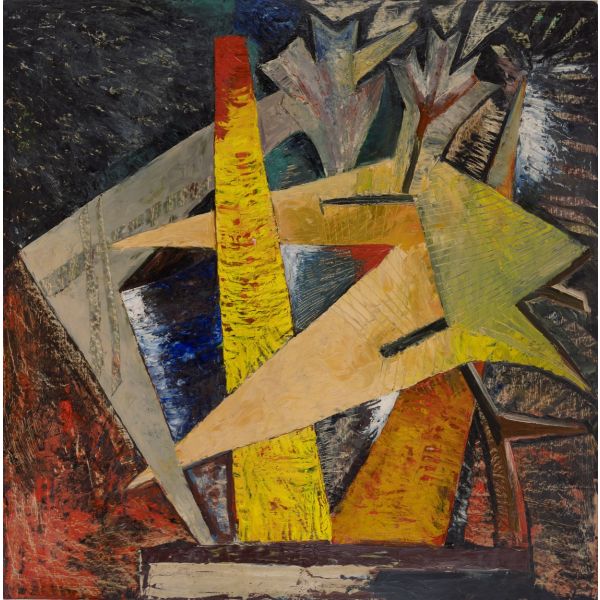
From 1797, when British artist Thomas Daniell painted his masterly landscape of Mahabalipuram, to 2003, the year Rameshwar Broota's painting pitching man against metal resulted in a powerful image, the Indian art world has seen a succession of artists and movements that have enriched its vocabulary in more ways than one. Thomas Daniell Sita Ram Early Bengal School Raja Ravi Varma Edwin Lord Weeks Marius Bauer Ustad Allah Bakhsh Studio of Bourne & Shepherd M. V. Dhurandhar Hemendranath Mazumdar M. A. R. Chughtai Nandalal Bose Jamini Roy Laxman Pai J. Swaminathan Francis Newton Souza J. Sultan Ali Rabin Mondal S. H. Raza K. K. Hebbar Akbar Padamsee Tyeb Mehta K. H. Ara S. K. Bakre Bireswar Sen Nirode Mazumdar Shanti Dave Gulam Rasool Santosh Madhvi Parekh Satish Gujral Bikash Bhattacharjee Maqbool Fida Husain Meera Mukherjee Rameshwar Broota
Learn More -
 Events and ProgrammesImprovising the Khyal$1.00
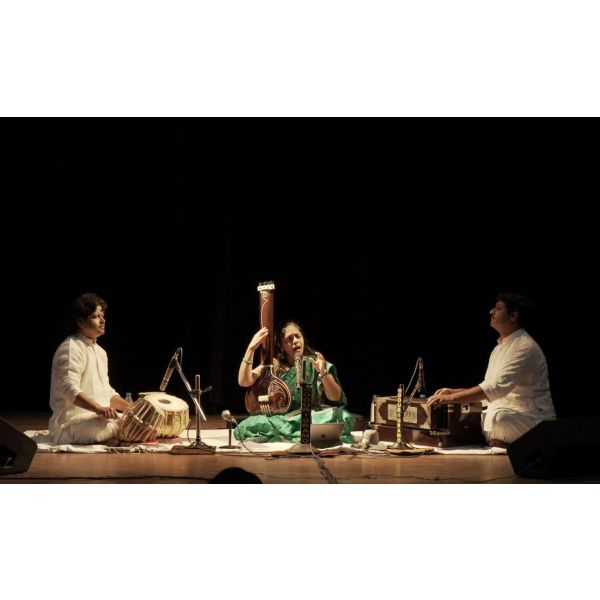
A khyal performance by Ranjani Ramachandran, drawing from the repertoire of the Gwalior and Jaipur gharanas, that will focus on her interpretive style and the legacy of women performers in post-independence India. Introduced by Lakshmi Subramanian, a historian of music and trade.
Learn More -
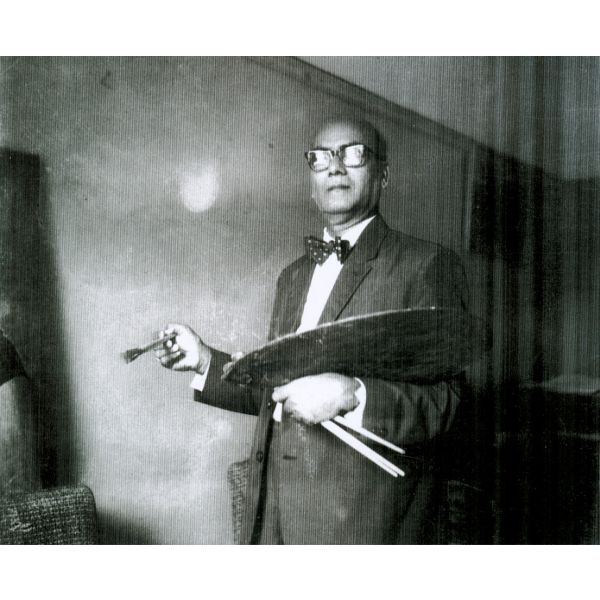 ArtistsV. B. Pathare$0.00Known for his portraits and landscapes rendered in academic-realist style, V. B. Pathare studied painting under S. L. Haldankar in Bombay and Prof. Martin Latuterburg in Bern, Switzerland. After studying portraiture under the renowned Sir Charles Dugdale in London, Pathare painted portraits of several national leaders over time, from Mahatma Gandhi, Rabindranath Tagore and Mahatma Jyotiba Phule to Indira Gandhi and Maharaja Sayajirao Gaekwad of Baroda. Learn More
 -
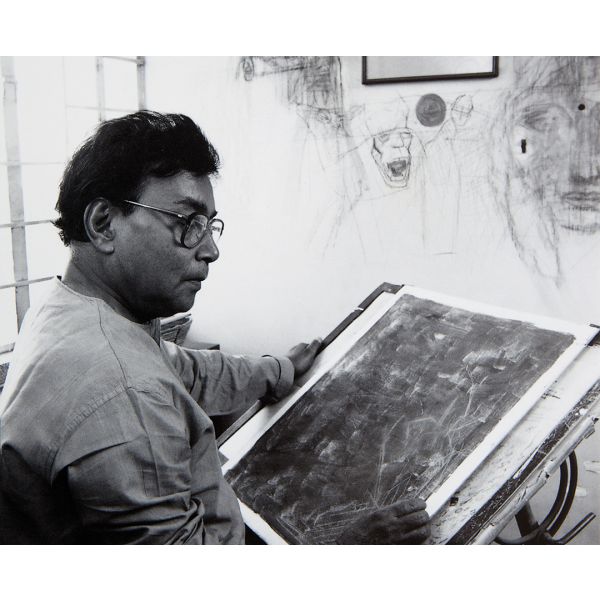 ArtistsGanesh Pyne$0.00Born in 1937 in Calcutta, Ganesh Pyne lost his father before his teens and personally witnessed the horrors of Partition. The social violence and despair of the 1940s and the tumultuous political events of the 1970s had a deep impact on his psyche and work. Coupled with the influence of his grandmother’s stories, Pyne developed an individual style of poetic surrealism woven around mythology and Bengali folklore. Learn More
 -
-
 ExhibitionsThe Seventies ShowAs low as $1.00
The 1970s was a decade like no other for a young India gaining in confidence nationally as well as on the global firmament. In 1971, Prime Minister Indira Gandhi led the country to a decisive victory against Pakistan, leading to the creation of Bangladesh. The Green Revolution had borne fruit, and Operation Flood now launched a milk revolution in the country, and the culmination of the privy purse turned it into a socialist republic with a strong handle on its economic button. Internationally, much was made of India’s resilience, and the country’s soft power began to win it recognition for its films, fashion, food and culture. India had arrived. ALTAF AMBADAS AMITAVA AVINASH CHANDRA BIKASH BHATTACHARJEE BIREN DE BIRESWAR SEN ERIC BOWEN F. N. SOUZA G. R. SANTOSH GANESH HALOI GOGI SAROJ PAL INDRA DUGAR J. SULTAN ALI J. SWAMINATHAN K C S PANIKER K. K. HEBBAR K. LAXMA GOUD KRISHNA REDDY LAXMAN PAI M. F. HUSAIN MADHVI PAREKH NAVJOT ALTAF P. T. REDDY PARITOSH SEN PRABHAKAR BARWE PRODOSH DASGUPTA PROKASH KARMAKAR RABIN MONDAL RAJENDRA DHAWAN RAM KUMAR S G VASUDEV SATISH GUJRAL SHANTI DAVE SHYAMAL DUTTA RAY SOHAN QADRI TYEB MEHTA V. VISWANADHAN ZARINA HASHMI
Learn More -